
There’s a unique and profound sense of accomplishment that comes with nurturing life, especially when it’s something as exotic and rewarding as a pineapple plant. Just a few weeks ago, I embarked on this delightful journey, cautiously preparing my first pineapple crown. Now, seeing its sturdy leaves firmly rooted in the soil, basking in the morning sun from my window, fills me with an unexpected surge of excitement. It’s a testament to how something so seemingly simple, like repurposing a fruit top, can bring such profound joy and a touch of the tropics right into your home.
For many, the idea of cultivating a pineapple might seem like a daunting task, perhaps reserved only for expert gardeners in naturally tropical climates. But here’s an encouraging secret: pineapple plants are incredibly resilient, surprisingly low-maintenance, and thrive just as successfully indoors as they do outdoors in suitable environments. This makes them an absolutely ideal fruit plant for even the most novice gardener, regardless of their location or climate. In fact, numerous seasoned growers will tell you that they are so easy to cultivate that true failure is hardly an option – a truly reassuring thought for anyone looking to add a lush, fruiting plant to their collection.
The most fascinating aspect of this endeavor? You don’t need exotic seeds or complex horticultural techniques. You can start a brand-new pineapple plant simply from the leafy top, or crown, of a mature pineapple fruit you pick up at your local grocery store. It’s an incredibly accessible, sustainable, and satisfying way to begin your gardening adventure, transforming what might otherwise be compost into a vibrant, living organism with the potential to bear delicious, homegrown fruit. This guide will walk you through every step, ensuring your journey from grocery store to garden is as smooth and successful as possible.
Choosing the Perfect Pineapple Crown: Your Foundation for Success
The entire success of your future pineapple plant largely hinges on the quality of its crown. Think of it as selecting the perfect foundation for your new green friend. While almost any pineapple can technically be used, a little discernment and careful selection will go a long way in ensuring a healthy, vigorous start. Here’s precisely what to look for when choosing your pineapple:
- Opt for Organic Varieties: Whenever possible, prioritize choosing an organic pineapple. These are less likely to have been treated with growth inhibitors or residual pesticides that could potentially hinder the crucial rooting process. Organic crowns generally offer a cleaner slate for propagation.
- Vibrant and Healthy Leaves are Key: Inspect the crown closely and meticulously. The leaves should appear bright, firm, and boast a healthy, deep green color. They should stand upright, look robust, and exhibit a vibrant, energetic appearance, indicative of a healthy plant.
- Actively Avoid Imperfections and Damage: Steer clear of pineapples with crowns that show any signs of distress or decay. This includes brown tips, noticeable yellowing, unsightly spotted leaves, wilting, or any soft, mushy, or decaying areas at the base or within the leaf structure. Such imperfections are strong indicators of a compromised crown that may struggle significantly to root or thrive.
- Check the Firmness at the Base: Gently tug at a few of the central leaves of the crown. They should feel firmly attached and resistant to pulling. If they pull out with minimal effort, the pineapple might be overripe, suffering from internal rot, or otherwise damaged, making it entirely unsuitable for successful propagation.
Assessing the Fruit’s Ripeness: A Subtle Art That Helps
While the crown’s health is paramount, the ripeness of the fruit itself can also offer valuable clues about the overall vitality and well-being of the plant it originated from. Aim for a pineapple that displays the following characteristics:
- Evenly Ripe Coloration: Look for a fruit that is predominantly golden yellow rather than green, especially towards the base. This coloration indicates a good level of maturity and sweetness. Avoid those that are completely green (which are typically underripe) or very dark and excessively soft (which are usually overripe and may have a fermenting smell).
- Firm Yet Yielding Skin: The skin of the pineapple should feel firm to the touch but yield slightly to gentle pressure. It should also look fresh and healthy, entirely free from significant bruising, deep cuts, or overly soft spots that suggest internal damage.
- A Distinctively Sweet Aroma: A perfectly ripe pineapple will emit a distinctively sweet, tropical fragrance from its base. If there’s no discernible smell, it might be underripe; conversely, if it smells strongly fermented or vinegary, it’s likely well past its prime.
- Size Isn’t Necessarily a Factor: It’s important to remember that the physical size of the fruit does not necessarily dictate its ripeness or, more critically, the quality of its crown for propagation. A smaller, perfectly ripe pineapple with a healthy crown can be an excellent choice for starting your new plant.
A Comprehensive Step-by-Step Guide to Growing Your Pineapple Plant
Once you’ve meticulously selected your ideal pineapple, the real adventure truly begins! Follow these straightforward yet critical steps to transform your humble grocery store purchase into a flourishing, thriving tropical plant.
Step 1: Preparing the Crown for Successful Propagation
This initial preparation step is absolutely crucial for laying the groundwork for success. It’s all about giving your chosen crown the very best possible chance to develop a strong and healthy root system.
- Methodically Remove the Crown: You have two primary methods for cleanly detaching the crown from the fruit:
- The Twisting Method (Recommended): Grasp the body of the pineapple fruit firmly with one hand and firmly grip the leafy crown with your other hand. With a strong, decisive motion, twist the crown until it cleanly separates from the fruit. This method often removes a small, woody core of the fruit attached to the crown, which is ideal as it already contains the dormant root primordia.
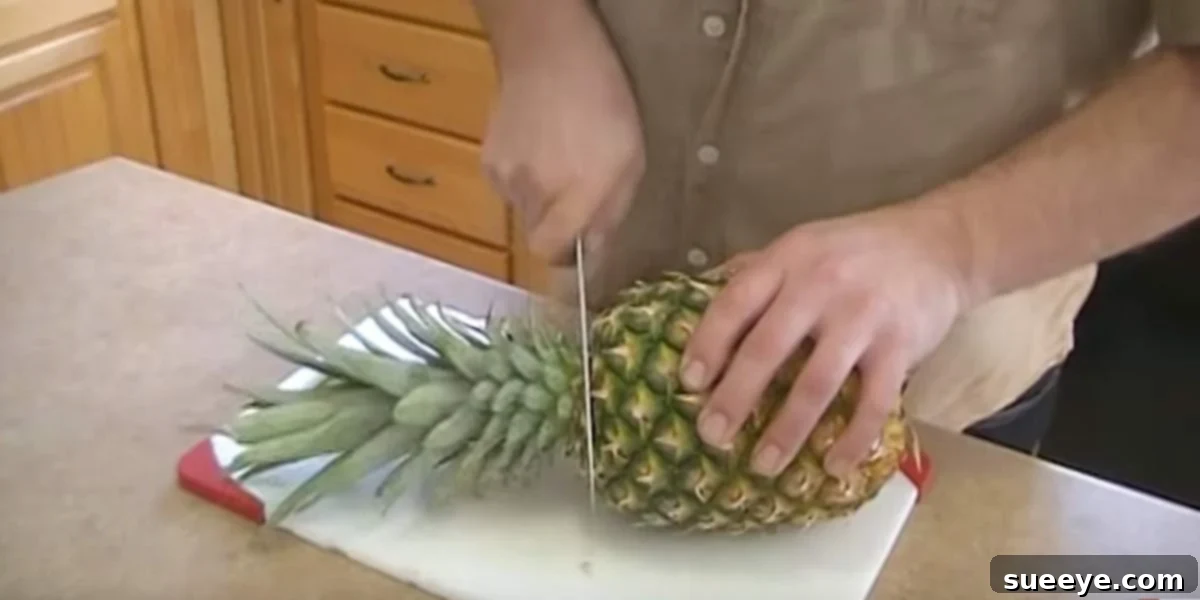
- The Cutting Method (Alternative): If twisting proves too difficult or if the pineapple is exceptionally firm, you can use a very sharp, sterilized knife. Carefully cut the crown off the top of the fruit, ensuring your cut is made about one inch below the base of the lowest leaves. Try to take a small, thin slice of the fruit flesh with the crown.
- Thoroughly Clean the Base: If you opted for the cutting method, you’ll need to meticulously clean off any remaining fruit pulp or flesh from the base of the crown. Using your knife or a spoon, carefully scrape away all soft fruit material until you expose the hard, woody central core. Any remaining fruit tissue will almost certainly rot and jeopardize your propagation efforts.
- Carefully Remove Lower Leaves: Begin peeling off several layers of the small, individual leaves at the very base of the crown. Continue removing leaves until approximately one to two inches of the central stem are clearly exposed. This action reveals the “root primordia,” which are small, bumpy nodes from which new roots will ultimately emerge. Removing these lower leaves also prevents them from rotting when the crown is submerged in water or planted directly into soil.
- Cure the Crown (Highly Recommended): This vital step significantly helps the cut end dry out and form a protective callus. This callus formation dramatically reduces the risk of rot once the crown is introduced to moisture. Place the prepared crown upside down in a cool, dry, and well-ventilated location for a period of 2 to 7 days. The exact duration depends on your local humidity levels; a dryer environment will require less curing time.
Step 2: Rooting the Crown (The Water Propagation Method)
While some experienced gardeners may choose to plant directly into soil, rooting your pineapple crown in water allows you to visibly monitor the development of roots and generally ensures a more robust and successful start for your new plant.
- Prepare Your Container: Select a clean, clear glass or jar that is slightly wider than the pineapple crown, allowing it to sit securely without falling in completely. Fill the container with fresh, non-chlorinated water. Distilled or filtered water is always best; if using tap water, allow it to sit out for at least 24 hours to allow chlorine to dissipate.
- Precisely Position the Crown: Carefully place the prepared pineapple crown into the jar so that the exposed stem base is submerged in approximately one to two inches of water. Crucially, ensure that the lowest leaves remain well above the waterline. If the crown is too small for the jar opening, you can insert a few toothpicks into its sides to suspend it securely.
- Select the Ideal Spot: Position the jar in a warm location that receives plenty of bright, yet indirect sunlight. A south-facing window is often ideal during cooler months, but always avoid direct, intense sunlight which can overheat the water and potentially damage the developing roots.
- Regularly Change the Water: This step is absolutely critical to prevent the proliferation of harmful bacteria, algae growth, and to continuously supply fresh oxygen to the developing roots. Change the water entirely every 1-2 days without fail.
- Practice Patience: Root formation typically begins within 2 to 4 weeks, although it can sometimes take up to 6 weeks, or even longer in less ideal conditions. You will observe small, white, hair-like roots emerging from the exposed stem. Wait until these roots are approximately 1-2 inches long and well-established before proceeding to plant your crown in soil.
Step 3: Planting Your Well-Rooted Pineapple Crown
Once your pineapple crown has developed a healthy, robust root system in water, it is officially ready for its permanent home in a pot.
- Select the Appropriate Pot: For the initial planting, choose a pot that is at least 6-8 inches in diameter. Most importantly, ensure it has excellent and ample drainage holes at the bottom. As the plant matures and grows, you will need to progressively repot it into larger containers, eventually moving to one that is 10-12 inches in diameter or even larger for optimal fruiting. Terracotta pots are often an excellent choice as they allow for superior air circulation to the roots.
- Prepare the Optimal Soil Mix: Pineapples thrive in well-draining, slightly acidic soil. A good potting mix can be created by blending standard quality potting soil with generous amounts of perlite or coarse sand, and a small amount of peat moss or coco coir to enhance acidity and moisture retention. Alternatively, a pre-made orchid potting mix or a cactus/succulent mix can also work exceptionally well due to their inherent excellent drainage properties.
- Correct Planting Depth: Create a small indentation or hole in the very center of your prepared soil mix. Carefully place the rooted pineapple crown into this hole, ensuring that the base of the lowest leaves is situated just at the soil surface, mimicking how it was rooted in water. Gently backfill the hole with soil, lightly firming it around the base of the crown to provide stable support.
- Initial Thorough Watering: Immediately after planting, water the plant thoroughly until you see water freely draining from the bottom of the pot. This initial watering helps to settle the soil firmly around the delicate new roots.
- Strategic Placement: Position your newly potted pineapple plant in a location that consistently receives plenty of bright, indirect sunlight. If growing indoors, a sunny, unobstructed window (ideally south-facing) is absolutely essential. If you are growing outdoors, choose a location with full sun but be prepared to offer some afternoon shade during extremely hot climates to prevent leaf scorching.
Ongoing Care for a Thriving Pineapple Plant
Once planted, your pineapple plant will greatly appreciate consistent and attentive care to ensure vigorous growth, robust health, and ultimately, bountiful fruit production.
Optimal Light Requirements
Pineapples are quintessential sun-loving tropical plants. They require a minimum of 6 hours of bright, direct sunlight per day to photosynthesize effectively and produce fruit. Indoors, achieving this often necessitates placing them in a prominent south-facing window. If natural light is insufficient, especially during shorter winter days or in dimly lit homes, consider supplementing with a high-quality full-spectrum grow light to ensure they receive adequate illumination.
Mastering Pineapple Watering
While pineapple plants exhibit a degree of drought tolerance, they generally prefer consistent moisture. Water your plant thoroughly whenever the top 1-2 inches of the soil feel dry to the touch. It is absolutely crucial to ensure that the pot has excellent drainage to prevent waterlogging, which is a common cause of root rot. Reduce your watering frequency slightly during cooler months or if you notice the plant’s growth rate slowing down.
Humidity and Temperature Control
As true tropical plants, pineapples thrive in environments with high humidity. If you are growing them indoors, you can effectively increase ambient humidity by frequently misting their leaves, placing the pot on a pebble tray filled with water (ensuring the pot itself doesn’t sit in the water), or by utilizing a room humidifier. They prefer consistently warm temperatures, ideally ranging between 65-85°F (18-29°C). It is vital to protect them from sudden cold drafts and any temperatures that drop below 50°F (10°C), which can severely stress the plant.
Strategic Fertilization
During the active growing season, typically spring and summer, feed your pineapple plant every 2-3 months. Use a balanced liquid fertilizer diluted to half strength to prevent chemical burn. Initially, a fertilizer slightly higher in nitrogen can promote robust foliage growth. Once your plant reaches maturity and you are actively aiming for fruit production, switch to a fertilizer that is relatively higher in potassium and phosphorus to encourage flowering and fruiting. Always avoid the temptation of over-fertilizing, as this can severely burn the delicate roots.
Pruning and General Maintenance
Pineapple plants do not demand extensive or complex pruning. Your main task will be to simply remove any dead, yellowing, or visibly damaged leaves from the base of the plant as they naturally appear. This practice not only keeps the plant looking tidy and aesthetically pleasing but also directs the plant’s valuable energy resources to healthy, productive growth.
Vigilant Pest and Disease Control
Generally, pineapple plants are quite resilient, but it’s always wise to keep a vigilant eye out for common houseplant pests such as mealybugs, scale insects, or spider mites, especially when grown indoors. Inspect the leaves regularly, paying close attention to the undersides. Treat any infestations promptly and thoroughly using an appropriate insecticidal soap or neem oil. Ensuring good air circulation around the plant also significantly helps in preventing various fungal issues.
The Ultimate Reward: Patience and the Pineapple Harvest
Growing a pineapple plant from its crown is unequivocally a journey that requires a good deal of patience. It typically takes anywhere from 18 to 36 months (1.5 to 3 years) from the initial planting of the crown for the plant to flower and subsequently produce its fruit. Do not be discouraged by this waiting period; the entire process itself, from start to finish, is incredibly rewarding and offers a profound connection to nature.
Encouraging Fruiting (The “Forcing” Method)
If your pineapple plant is sufficiently mature (meaning it’s at least 18-24 months old and boasts approximately 30-40 healthy leaves) but hasn’t yet shown any signs of flowering, you can actively try to “force” it into production. A common and effective method involves placing a ripe apple or a banana near the base of the plant. Then, cover the entire plant and the fruit with a large, clear plastic bag for about a week. The ethylene gas naturally released by the ripening fruit can effectively stimulate the plant to initiate flowering. After a week, remove the bag and resume your normal care routine, eagerly anticipating the emergence of a flower stalk.
Understanding the Flowering and Fruiting Process
When your plant is finally ready to produce, a distinct flower stalk will emerge gracefully from its central core. This stalk will be topped with a small, cone-like structure that will eventually give rise to a cluster of beautiful purple or red flowers. These individual flowers will then gradually merge together to form a single, small pineapple fruit. It will typically take another 6-8 months for this nascent fruit to fully grow and ripen to perfection.
Harvesting Your Delicious Homegrown Pineapple
You’ll know your pineapple is perfectly ripe and ready for harvest when its skin begins to turn a golden yellow, it emits a distinctively sweet, characteristic aroma from its base, and the fruit itself feels slightly soft and yielding to a gentle touch. The crown leaves might also loosen slightly from the fruit. To harvest your prized fruit, simply twist the entire pineapple off its stalk with a firm motion, or use a sharp, sterilized knife to cut it cleanly at its base. Then, savor the incredibly fresh, sweet, and immensely satisfying taste of your very own homegrown pineapple!
What Happens After the Harvest?
After successfully fruiting, the original pineapple plant will typically begin to die back, having completed its life cycle. However, it almost always produces several “pups” or “offsets” around its base or occasionally from the fruit stalk itself. These pups can then be carefully removed and rooted, just like the original crown, thereby continuing the delightful and rewarding cycle of homegrown pineapples for years to come!
Troubleshooting Common Pineapple Plant Issues
Even with the most meticulous care, you might occasionally encounter some challenges during your pineapple growing journey. Here are a few common issues and their effective solutions:
- No Roots Forming: Ensure that the crown was properly cured before attempting propagation and that the water is changed regularly if using the water method. Thoroughly check for any signs of rot – if present, trim back to healthy tissue, recure, and restart the rooting process.
- Crown Rotting: This issue is most commonly due to excessive moisture or insufficient curing. Always ensure excellent drainage in your potting soil, allow the crown to cure fully, and be vigilant about avoiding overwatering.
- Leaves Turning Brown/Yellow: This can be an indicator of several issues: overwatering (leading to root rot), underwatering, a deficiency in essential nutrients, or too much direct, intense sunlight causing sunburn. Carefully assess your watering schedule, light conditions, and consider a balanced fertilizer regimen.
- No Fruit After Several Years: Confirm that your plant is sufficiently mature (typically 1.5-3 years old) and that it consistently receives adequate sunlight and essential nutrients. If these conditions are met, consider trying the ethylene gas “forcing” method described earlier.
- Pests: Mealybugs and scale insects are common pests for pineapple plants. Treat any infestations promptly and thoroughly with an insecticidal soap or neem oil. Ensuring good air circulation around the plant also plays a crucial role in preventing pest infestations and fungal diseases.
Embrace the Tropical Journey: Your Homegrown Pineapple Awaits!
The journey of growing a pineapple plant from a simple, discarded crown is an incredibly rewarding and deeply satisfying experience. It not only teaches valuable lessons in patience and perseverance but also offers a tangible, delightful connection to the natural world. Ultimately, it provides you with a delicious, organically grown fruit that tastes all the sweeter and more vibrant because of your dedicated efforts and personal touch.
Whether you consider yourself an experienced green thumb with a wealth of gardening knowledge or a curious beginner looking for an exciting and unique new project, cultivating a pineapple plant is a surprisingly easy and immensely fulfilling endeavor. So, the very next time you find yourself at the grocery store, pick up that vibrant, sweet-smelling pineapple. Don’t just buy it for its immediate delicious fruit, but also for the exciting promise of a thriving tropical plant that will bring life, beauty, and eventually, a taste of paradise right into your home. You truly can’t fail at this simple, yet profoundly enriching, gardening adventure!