
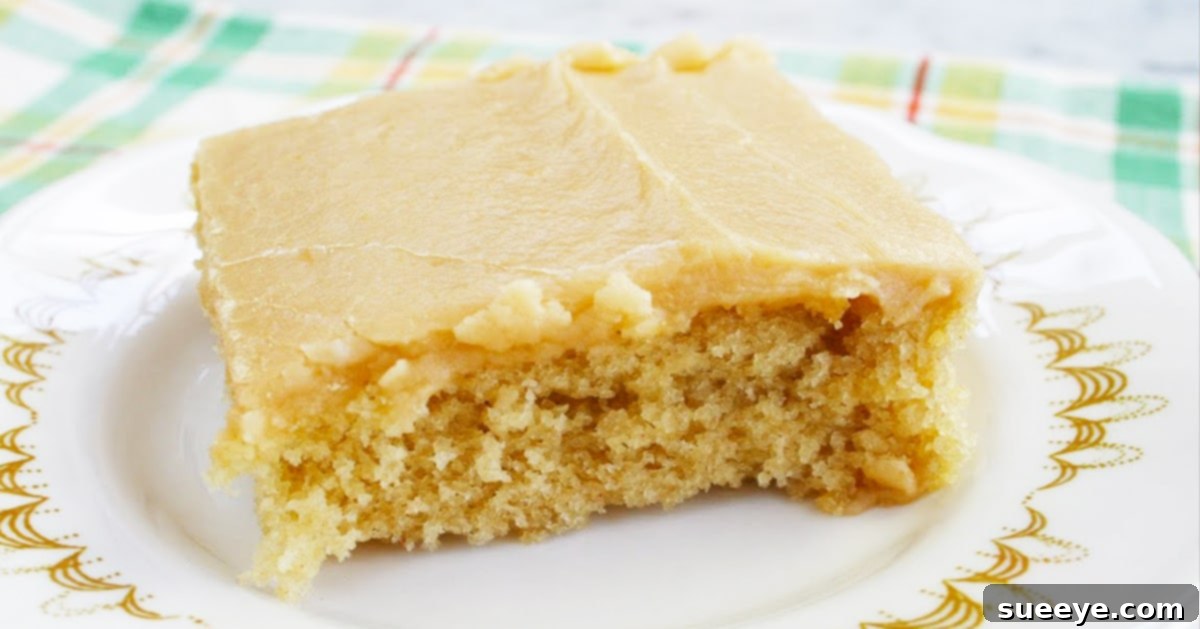
The Ultimate Guide to Homemade Peanut Butter Sheet Cake: A Texas Sheet Cake Twist
For anyone who considers peanut butter a food group rather than just an ingredient, get ready to experience a dessert revelation. While the classic Texas Sheet Cake often conjures images of rich, fudgy chocolate, we’re here to celebrate an equally decadent, yet uniquely creamy alternative: the Peanut Butter Sheet Cake. Inspired by the delightful creation from Gooseberry Patch on YouTube, this recipe transforms a beloved classic into a peanut butter lover’s dream. It’s a dessert that promises pure satisfaction without being overly sweet, making it an ideal treat for any occasion.
What sets this Peanut Butter Sheet Cake apart? It’s its incredible balance of flavor and texture. Unlike some cakes that can be dry or crumbly, the unique “wet” icing method inherent to sheet cakes ensures every bite is wonderfully moist and tender. The thin-to-thickness ratio also makes it effortlessly easy to serve a crowd, spreading joy with every slice. Imagine a soft, fluffy cake base crowned with a smooth, luscious peanut butter icing that melts in your mouth – it’s pure comfort in cake form. And if you crave a little crunch, a sprinkle of roasted peanuts on top adds a textural dimension that elevates the experience even further.
This recipe is not just about making a cake; it’s about creating an experience. It’s simple enough for novice bakers yet yields results impressive enough for seasoned dessert connoisseurs. So, prepare your kitchen for the irresistible aroma of baking peanut butter goodness, because this guide will walk you through every step to master this delightful dessert.
Essential Ingredients for Your Peanut Butter Sheet Cake
Crafting this incredible Peanut Butter Sheet Cake begins with a selection of common pantry staples. The beauty of this recipe lies in its simplicity, requiring no exotic items. Fresh, good quality ingredients will always yield the best results, so let’s gather what you’ll need for both the cake and its signature icing.
For the Peanut Butter Sheet Cake:
- 2 cups all-purpose flour
- 2 cups granulated sugar
- 1/2 teaspoon salt
- 1 teaspoon baking soda
- 1 cup unsalted butter (2 sticks)
- 1 cup water
- 1/4 cup creamy peanut butter
- 2 large eggs, beaten
- 1 teaspoon vanilla extract
- 1/2 cup buttermilk
For the Creamy Peanut Butter Icing:
- 1/2 cup unsalted butter (1 stick)
- 1/4 cup creamy peanut butter
- 1/3 cup plus 1 tablespoon whole milk (or half-and-half for extra richness)
- 16-oz. package powdered sugar (confectioners’ sugar)
- 1 teaspoon vanilla extract
Step-by-Step Directions to Bake Your Perfect Sheet Cake
Follow these detailed instructions carefully to ensure your Peanut Butter Sheet Cake turns out perfectly moist, flavorful, and irresistibly delicious. We’ll break down the process into easy-to-manage sections, from preparing the batter to drizzling that glorious warm icing.
1. Prepare Your Dry Ingredients and Pan
Begin by preheating your oven to 350°F (175°C). Grease and flour a 13×18-inch baking sheet (a half-sheet pan) or a 10×15-inch jelly roll pan. While a classic Texas Sheet Cake is often baked in a larger pan, the 10×15 or 13×18 size will work perfectly for this recipe, ensuring that ideal thin-to-thickness ratio. In a large mixing bowl, sift together the all-purpose flour, granulated sugar, salt, and baking soda. Sifting helps to aerate the flour and ensures a lump-free batter. Set this bowl aside.
2. Create the Wet Base for the Cake
In a medium saucepan, combine the 1 cup of butter, 1 cup of water, and 1/4 cup of creamy peanut butter. Place the saucepan over medium heat and bring the mixture to a rolling boil, stirring occasionally to ensure the butter and peanut butter melt completely and integrate smoothly with the water. Once boiling, immediately remove the saucepan from the heat.
3. Combine Wet and Dry Ingredients
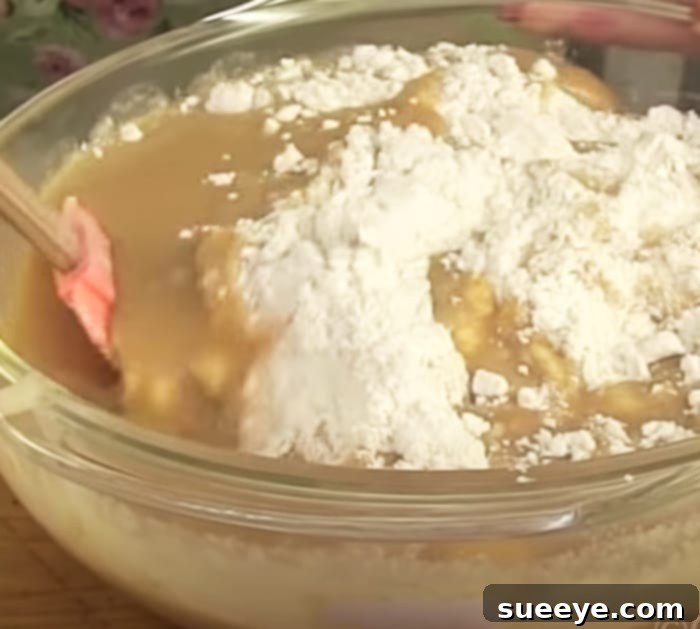
Carefully pour the hot peanut butter mixture from the saucepan into the bowl with your dry ingredients. Using a whisk or an electric mixer on low speed, mix well until just combined. Be careful not to overmix at this stage; overmixing can lead to a tough cake. The mixture will be thick and warm.
4. Incorporate Eggs, Vanilla, and Buttermilk
Allow the batter to cool slightly, just for a few minutes, to prevent scrambling the eggs. Once slightly cooled, beat the 2 eggs in a separate small bowl and then add them to the cake batter, along with the 1 teaspoon of vanilla extract and 1/2 cup of buttermilk. Mix thoroughly until all ingredients are fully incorporated and the batter is smooth. Buttermilk is key here, as its acidity reacts with the baking soda to create a light, tender crumb, and it adds a subtle tang that complements the sweetness.
5. Bake the Cake
Pour the prepared cake batter evenly into your greased and floured baking sheet. Spread it out with a spatula to ensure an even layer. Place the pan in the preheated oven and bake for approximately 20-25 minutes, or until a wooden skewer or toothpick inserted into the center of the cake comes out clean. The cake should be lightly golden brown around the edges. While the cake is baking, you can begin preparing the icing.
6. Prepare the Creamy Peanut Butter Icing
While the cake is still warm (this is crucial for the icing to melt and absorb beautifully), prepare the peanut butter icing. In a clean medium saucepan, melt the 1/2 cup of butter over medium heat. Once melted, stir in the 1/4 cup of creamy peanut butter until it’s fully combined and smooth. Add the 1/3 cup plus 1 tablespoon of milk and bring the mixture to a gentle boil, stirring constantly. Remove from heat immediately.
Gradually whisk in the 16-oz. package of powdered sugar, adding a little at a time to prevent lumps. Continue whisking until the icing is completely smooth and creamy. Finally, stir in the 1 teaspoon of vanilla extract. The icing should be warm and pourable, but not too thin.
7. Ice the Warm Cake
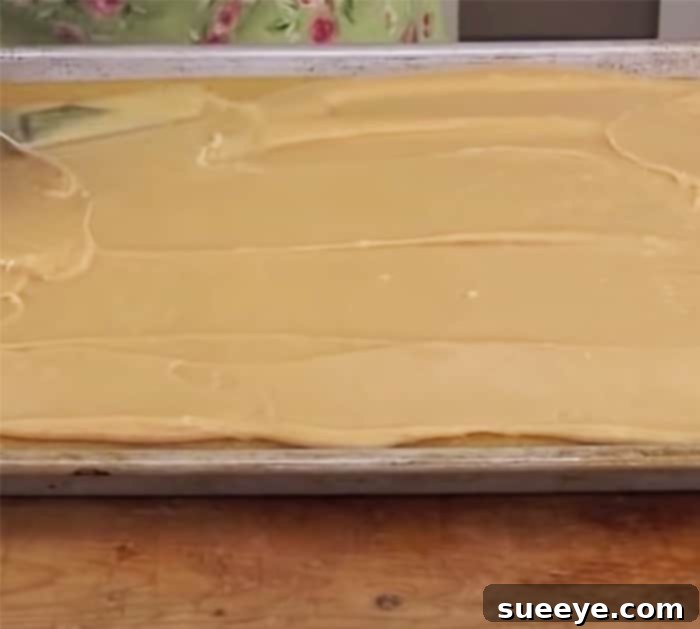
As soon as the cake comes out of the oven, or within a few minutes while it’s still warm, pour the hot peanut butter icing evenly over the entire surface of the cake. Use an offset spatula or the back of a spoon to gently spread the icing to the edges. The warmth of the cake will allow the icing to slightly melt and seep into the cake, creating that signature moist texture that Texas Sheet Cakes are famous for. If desired, sprinkle with chopped roasted peanuts for added texture and flavor immediately after icing. Allow the cake to cool slightly before slicing and serving, though many prefer to enjoy it warm.
Tips for a Flawless Peanut Butter Sheet Cake
Even though this recipe is relatively straightforward, a few expert tips can elevate your baking and ensure your Peanut Butter Sheet Cake is nothing short of perfection every time.
Achieving the Perfect Texture
- Don’t Overmix: After combining the wet and dry ingredients, mix just until no streaks of flour remain. Overmixing develops the gluten too much, which can result in a tough, dense cake.
- Room Temperature Ingredients (Eggs, Buttermilk): While the main wet mixture is hot, ensuring your eggs and buttermilk are at room temperature helps them incorporate more smoothly into the batter, leading to a more uniform and tender crumb.
- Accurate Measurements: Baking is a science! Use proper measuring cups and spoons, and for flour, spoon it into the measuring cup and level it off with a straight edge rather than scooping directly from the bag.
Storage and Serving Suggestions
- Keep it Moist: This cake is best stored at room temperature, covered tightly with plastic wrap or in an airtight container, for up to 3-4 days. The icing helps seal in moisture.
- Serve Warm or Cool: While delicious at any temperature, many find this cake truly shines when served slightly warm, allowing the icing to be at its creamiest.
- Perfect for Crowds: Its sheet pan format makes it incredibly easy to cut into squares of any size, making it a fantastic choice for potlucks, parties, or family gatherings.
Creative Variations and Additions
- Crunchy Peanut Topping: As mentioned, chopped roasted peanuts add a fantastic textural contrast. You can use lightly salted or unsalted, depending on your preference.
- Chocolate Peanut Butter Swirl: For the ultimate indulgence, consider swirling a small amount of melted chocolate (or a pre-made chocolate frosting) into the peanut butter icing just after spreading it, creating a beautiful marbled effect. This brings the best of both worlds – chocolate and peanut butter!
- Different Nut Butters: While this is a peanut butter cake, you could experiment with other creamy nut butters like almond butter or cashew butter for a unique twist, though the flavor profile would change significantly.
- Mini Chocolate Chips: Fold a half cup of mini chocolate chips into the cake batter before baking for an extra burst of chocolatey goodness.
Troubleshooting Common Issues
- Dry Cake: Ensure you don’t overbake. Start checking for doneness at the lower end of the baking time range. An oven thermometer can also help verify your oven’s true temperature.
- Lumpy Icing: Sift your powdered sugar before adding it to the warm butter mixture. This prevents lumps and ensures a silky-smooth icing. If lumps persist, a quick whiz with an immersion blender or a fine-mesh sieve can help.
- Icing Too Thin/Thick: If your icing is too thin, add more powdered sugar, a tablespoon at a time, until the desired consistency is reached. If it’s too thick, add a tiny splash more milk (half a teaspoon at a time) until it’s spreadable.
The Legacy of the Texas Sheet Cake and Its Peanut Butter Evolution
The Texas Sheet Cake holds a special place in American dessert history, known for its generous size, incredible moistness, and the ingenious method of icing it while still warm. Its origins are somewhat debated, but its popularity as a go-to dessert for gatherings, potlucks, and family celebrations is undeniable. Traditionally, it’s a chocolate cake, often enriched with buttermilk and coffee, topped with a rich, pourable chocolate pecan icing.
This Peanut Butter Sheet Cake is a brilliant evolution of that legacy. It takes the core principles – a large-format cake, a warm, pourable icing that infuses moisture – and reinterprets them through the lens of peanut butter. It maintains the comfort, ease, and crowd-pleasing nature of the original while offering a completely different, yet equally beloved, flavor profile. This innovation reminds us that classic recipes are not static; they are living traditions that can be adapted and reinvented to suit evolving tastes and preferences, creating new favorites along the way.
Conclusion: Your New Favorite Peanut Butter Dessert Awaits!
Whether you’re a long-time fan of sheet cakes or simply a devout follower of all things peanut butter, this Peanut Butter Sheet Cake recipe is destined to become a staple in your baking repertoire. It’s a testament to how simple ingredients, when combined with careful technique, can create something truly extraordinary. The tender cake, combined with the smooth, warm, and utterly delicious peanut butter icing, delivers a dessert experience that is both nostalgic and exciting.
Imagine serving this at your next gathering: the delighted smiles, the satisfied sighs, and the inevitable requests for the recipe. It’s not just a cake; it’s a centerpiece, a conversation starter, and a sweet symbol of hospitality. And for those adventurous souls, remember the suggestion of combining forces with chocolate for a truly epic chocolate peanut butter sheet cake experience – a symphony of flavors that promises the best of both worlds. So, roll up your sleeves, gather your ingredients, and get ready to bake a masterpiece that will leave everyone craving another slice!