
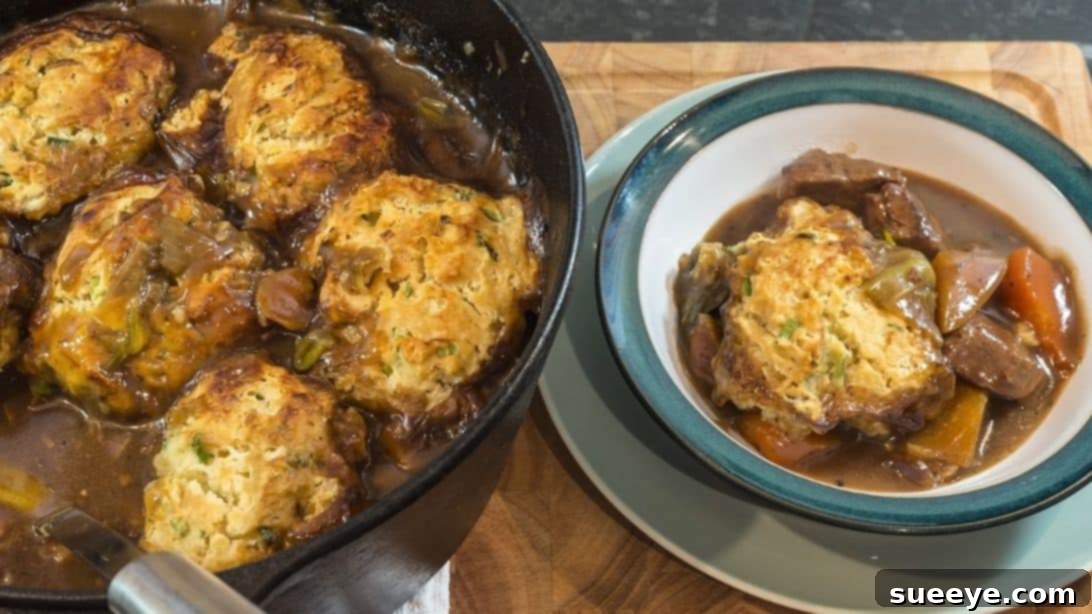
Ultimate Hearty Beef Stew with Crispy Dumplings Recipe
There’s nothing quite like a steaming bowl of homemade beef stew to bring warmth and comfort to your table. This ultimate recipe for a rich, flavorful beef stew, topped with perfectly crispy yet tender dumplings, is designed to be a satisfying meal that your entire family will adore. Forget complicated processes; this dish is incredibly straightforward to prepare, yielding incredibly delicious results every time. We’re drawing inspiration from the expert culinary skills of John Kirkwood on YouTube, who demonstrates just how simple it is to create this classic comfort food. Gather your ingredients, many of which you likely already have on hand, and prepare to embark on a culinary journey that promises hearty goodness and irresistible flavors.
This traditional beef stew recipe is not just about combining ingredients; it’s about building layers of deep, savory flavor that will tantalize your taste buds. From perfectly browned beef to tender root vegetables simmered in a rich, robust gravy, every element plays a crucial role. And let’s not forget the star accompaniment: the dumplings! Whether you prefer them soft and pillowy, or wonderfully crispy on the outside, this recipe provides the flexibility to achieve your desired texture. It’s the ideal meal for a cozy night in, a celebratory family dinner, or simply when you’re craving something truly nourishing and satisfying.
Ingredients for Your Hearty Beef Stew and Crispy Dumplings
Carefully selecting your ingredients is the first step to a truly remarkable beef stew. Here’s everything you’ll need to create this comforting masterpiece:
For the Rich Beef Stew:
- 2 pounds (approx. 900g) of beef, preferably stewing beef like chuck or brisket, cut into large, thick chunks for maximum tenderness and flavor retention during the long cooking process.
- 1 pint (approx. 470ml) of high-quality beef stock, ideally homemade or a good commercial brand, as it forms the base of your stew’s rich gravy.
- 1 pint (approx. 470ml) of strong brown ale or stout. The malty notes of the beer will add incredible depth and complexity to the stew, creating a uniquely satisfying flavor profile.
- 2 large carrots, roughly chopped into substantial pieces. These add natural sweetness and a vibrant color to the stew.
- 1 small turnip or swede, peeled and cubed. These root vegetables absorb the stew’s flavors beautifully and add a delightful earthy undertone.
- 1 large leek, thoroughly washed and sliced. Divide it as some will be used in the stew and the remainder for the dumplings.
- 1 large onion, finely diced, forming the aromatic foundation of your stew.
- 4 cloves of garlic, finely chopped or minced, for a pungent and warming aroma.
- ½ tsp of dried thyme, a classic herb that pairs perfectly with beef and adds a rustic touch.
- ¼ tsp of freshly ground black pepper, to taste, for a subtle kick.
- ½ tsp of salt, or to taste, essential for enhancing all the other flavors.
- 3½ ounces (approx. 100g) of Plain Flour / All-Purpose Flour, for coating the beef and helping to thicken the stew.
- 2 heaped tsp of Corn flour or corn starch mixed with 2/3 cup (approx. 160ml) of cold water, to create a slurry for additional thickening if desired.
For the Fluffy or Crispy Dumplings:
These dumplings are the perfect accompaniment, soaking up the stew’s rich sauce.
- 10½ ounces (approx. 300g) of self-rising flour, for light and airy dumplings.
- 2 tsp of baking powder (Note: if using plain or all-purpose flour instead of self-rising, increase to 4 tsp of baking powder).
- 6 ounces (approx. 180ml) of full cream or semi-skimmed milk, to bring the dumpling dough together.
- 2 ounces (approx. 55g) of cold butter, cubed, to be rubbed into the flour for tenderness.
- 3½ ounces (approx. 100g) of beef or vegetable suet, essential for traditional, moist, and flavorful dumplings.
- 1 large egg, beaten, to enrich the dough and aid in binding.
- 3½ ounces (approx. 100g) of finely chopped leek, for a mild oniony flavor and attractive green flecks in your dumplings.
Step-by-Step Guide to Crafting Your Perfect Beef Stew and Dumplings
Follow these detailed steps carefully to achieve a truly memorable meal. Each stage is designed to build flavor and ensure a perfectly cooked dish.
Step 1: Preparing and Simmering the Beef Stew
Begin by preparing your beef. Slice the beef into generous, thick chunks, aiming for pieces that are about 1 to 1.5 inches in size. This ensures they remain succulent during the long cooking time. Place the beef in a large mixing bowl, sprinkle generously with the plain flour, and toss until each piece is thoroughly coated. This flour coating will help create a beautiful brown crust and later contribute to the stew’s thickness.
Next, heat a large, heavy-bottomed pan or Dutch oven over medium-high heat. Add about ½ tablespoon of vegetable oil. Once the oil shimmers, begin browning the floured beef in batches. It’s crucial not to overcrowd the pan, as this will steam the meat instead of browning it. Allow each batch to cook until it develops a rich, deep brown crust on all sides – this browning step is vital for building complex flavor in your stew. Remove the browned beef from the pan and set aside.
With the beef removed, you’ll notice flavorful browned bits (fond) stuck to the bottom of the pan. Pour a splash of beef stock into the hot pan to deglaze it, scraping up all those delicious bits with a wooden spoon. These caramelized particles are pure flavor and will greatly enhance your stew’s taste. Now, preheat your oven to 320°F (160°C) – this ensures your stew cooks evenly and gently.
Place your Dutch oven (or a similar oven-safe pot) back on the stove over medium heat. Add a little more vegetable oil if needed, then add the diced onion and sliced leek (the portion designated for the stew). Sauté for 5-7 minutes until they are softened and translucent, releasing their sweet aromatics. Add the chopped carrots and turnips/swedes, stirring to combine. After a few minutes, return the browned beef to the pot, mixing it well with the softened vegetables.
Season the mixture generously with freshly ground black pepper and salt. Stir in the finely chopped garlic and dried thyme, allowing them to cook for about a minute until fragrant. Finally, pour in the entire pint of strong brown ale or stout, followed by the remaining beef stock. Bring the stew to a gentle boil on the stovetop, ensuring all the ingredients are well incorporated. Once boiling, cover the Dutch oven tightly and carefully transfer it to your preheated oven. Let it cook for approximately 1.5 to 2 hours, or until the beef is incredibly tender.
Step 2: Crafting the Perfect Dumplings and Finishing the Stew
While the stew is simmering to perfection in the oven, it’s time to prepare the dumplings. Begin by finely chopping the leftover leeks into small, consistent pieces; these will add a lovely flavor and texture to your dumplings. Set them aside.
In a large mixing bowl, combine the self-rising flour (or plain flour with the appropriate amount of baking powder) and the cold butter, cut into small cubes. Using your fingertips, gently rub the butter into the flour until the mixture resembles fine breadcrumbs. This step is crucial for creating light and tender dumplings. Once the butter is fully incorporated, stir in the finely chopped leeks and the beef or vegetable suet, ensuring they are evenly distributed throughout the flour mixture.
In a separate small bowl, whisk together the large egg and the milk until well combined. Gradually add this liquid mixture to the flour and suet mixture, mixing with a spoon or your hands until a soft, sticky dough forms. Be careful not to overmix, as this can make the dumplings tough. Once combined, cover the bowl with plastic wrap or a clean kitchen towel and let the dumpling dough rest at room temperature while you check on your stew. This resting period allows the gluten to relax, resulting in more tender dumplings.
After the stew has cooked for the initial 1.5 to 2 hours, remove it from the oven. Check the consistency of the gravy. If you prefer a thicker stew, quickly mix the corn flour (cornstarch) with cold water to form a smooth slurry, then stir it into the hot stew on the stovetop and bring it to a gentle boil for a minute or two until thickened. Return the stew to the oven briefly to keep it hot while you prepare to add the dumplings.
Now, retrieve your dumpling mixture. Using a spoon, scoop out even portions of the dough and gently place them on top of the bubbling stew. Try to arrange them as evenly as possible across the surface, leaving a little space between each dumpling to allow them to expand. The size of your dumplings is a matter of preference; aim for golf-ball sized portions for individual servings.
For crispy dumplings, place the Dutch oven back into the oven *uncovered*. For soft, pillowy dumplings, cover the pot tightly before returning it to the oven. Raise the oven temperature to 356°F (180°C) and let the stew and dumplings cook for approximately 30 minutes. The dumplings should be puffed up and golden brown (if uncovered) or soft and cooked through (if covered).
Once the dumplings are cooked, remove the stew from the oven and let it rest for a few minutes before serving. This allows the flavors to meld and the gravy to settle. Serve piping hot, garnished with fresh parsley if desired, and prepare for a truly satisfying culinary experience.
Tips for Achieving the Perfect Beef Stew and Crispy Dumplings
To elevate your beef stew and dumpling experience, consider these expert tips:
- Quality of Beef: Opt for good quality stewing beef. Chuck, short ribs, or brisket are excellent choices as they become incredibly tender when slow-cooked and contribute rich flavor to the gravy.
- Browning is Key: Do not skip or rush the browning of the beef. This step creates a Maillard reaction, developing deep, savory flavors that are foundational to a great stew.
- Don’t Overcrowd the Pan: When browning beef or sautéing vegetables, work in batches to ensure proper caramelization. Overcrowding lowers the pan temperature, leading to steaming rather than browning.
- Deglazing for Flavor: The browned bits at the bottom of the pan after cooking the beef are packed with flavor. Deglazing with a liquid like stock or beer captures these essence and incorporates them into your stew.
- Beer Choice Matters: A strong brown ale or stout adds significant depth. Experiment with different varieties to find your preferred flavor profile. Avoid overly hoppy beers, which can make the stew bitter.
- Dumpling Consistency: The dumpling dough should be soft and slightly sticky. If it’s too dry, add a tiny bit more milk; if too wet, a little flour. The suet is essential for moisture and richness.
- Resting the Dumpling Dough: Allowing the dumpling dough to rest for 15-20 minutes lets the flour fully hydrate and the gluten relax, resulting in lighter, more tender dumplings.
- Crispy vs. Soft Dumplings: For extra crispy tops, ensure the oven is hot and the pot is uncovered during the last 30 minutes of cooking. For softer, more traditional dumplings, keep the pot covered.
- Taste and Adjust: Always taste your stew before serving and adjust salt, pepper, or other seasonings as needed. The flavors can deepen and change during cooking.
Variations and Serving Suggestions
This classic beef stew with dumplings is wonderfully versatile. Here are some ideas to customize it:
- Vegetable Additions: Feel free to include other hearty vegetables such as parsnips, celery, mushrooms, or even potatoes directly into the stew. Add heartier root vegetables at the beginning with the carrots, and softer vegetables like mushrooms during the last 30-45 minutes of cooking.
- Herb Enhancements: Beyond thyme, bay leaves, rosemary, or a sprig of fresh marjoram can add lovely aromatic notes.
- Spice It Up: A pinch of smoked paprika or a dash of Worcestershire sauce can add an extra layer of complexity to the stew’s gravy.
- Gluten-Free Option: For a gluten-free version, use gluten-free all-purpose flour for coating the beef and in the dumplings, and ensure your beef stock is gluten-free. You may also need a gluten-free beer alternative or simply use more beef stock.
- Different Meats: While beef is traditional, this recipe can be adapted for lamb stew with dumplings, using lamb shoulder or leg.
- Serving Suggestions: This stew is a complete meal on its own. However, it pairs beautifully with a side of crusty bread to sop up the delicious gravy, or a simple green salad with a vinaigrette dressing to cut through the richness.
Storage and Reheating
This beef stew with crispy dumplings is perfect for meal prepping and often tastes even better the next day as the flavors continue to meld. To store leftovers, allow the stew to cool completely, then transfer it to airtight containers. It can be refrigerated for up to 3-4 days.
For longer storage, the stew (without dumplings) can be frozen for up to 3 months. If you plan to freeze, it’s best to cook the dumplings fresh when reheating the stew, as frozen and reheated dumplings can sometimes become a bit mushy. To reheat, gently warm on the stovetop over low heat, stirring occasionally, or in the oven until heated through.
All images in this recipe are generously credited to John Kirkwood via YouTube. We highly recommend visiting his channel and subscribing for more fantastic cooking tutorials and inspiring recipes!