
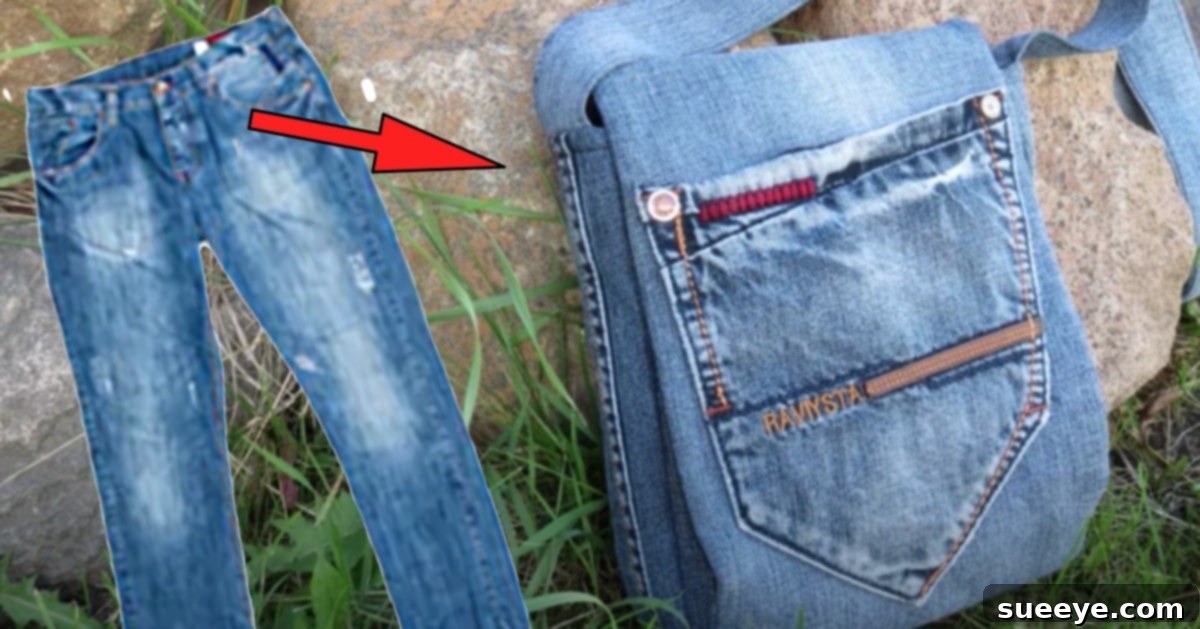
Transform Old Jeans: How to Make a Stylish & Eco-Friendly DIY Denim Purse
In a world increasingly conscious of sustainability and unique personal style, upcycling has emerged as a beloved trend. There’s something incredibly satisfying about giving new life to an old item, especially when it results in a fashionable and functional accessory. Today, we’re diving into an inspiring project that combines eco-friendliness with practical creativity: turning an old pair of jeans into a chic and durable denim purse. This comprehensive guide is inspired by an excellent jean purse video tutorial by SpGasporovich & House Of Creativity on YouTube, which meticulously demonstrates how to craft a beautiful bag from denim scraps, complete with handy features like dual zippers and a sturdy lining. Whether you’re a seasoned crafter or a sewing novice, this project offers a rewarding way to express your creativity while contributing to a more sustainable lifestyle.
Why Upcycle Your Jeans? The Enduring Appeal of Denim
Jeans are a wardrobe staple for almost everyone, known for their incredible durability and timeless appeal. However, even the most beloved pair eventually wears out, or perhaps simply falls out of fashion. Instead of consigning them to landfill, upcycling your old denim offers a wealth of benefits:
- Sustainability: Repurposing jeans reduces textile waste and lessens the demand for new fabric production, making a positive impact on the environment. It’s a fantastic way to participate in circular fashion.
- Uniqueness: A handmade denim purse is genuinely one-of-a-kind. No two upcycled bags will ever be exactly alike, giving you a truly individual accessory that stands out from mass-produced items. Your bag will tell its own story.
- Cost-Effectiveness: By utilizing materials you already own, you can create a high-quality bag without spending a fortune on new fabrics. This makes it an accessible craft for anyone on a budget.
- Personal Connection: Transforming a pair of jeans with sentimental value into a new item means you get to carry a piece of your history with you, imbued with memories and personal significance.
- Creative Outlet: DIY projects like this provide a fantastic opportunity to unleash your creativity, learn new skills (or hone existing ones), and enjoy the profound satisfaction of making something beautiful and functional with your own hands.
Denim’s robust nature makes it an ideal material for bags, offering both inherent structure and exceptional resistance to daily wear and tear. It’s a fabric that only gets better with age, developing a unique character and patina over time, ensuring your upcycled purse will be a long-lasting favorite.
Outstanding Features of This DIY Jean Purse Design
While there are numerous tutorials for crafting denim bags, the specific design highlighted in SpGasporovich & House Of Creativity’s tutorial stands out due to several thoughtful details that significantly enhance both its functionality and aesthetic appeal. These features truly elevate it from a simple upcycled project to a practical, stylish, and durable accessory:
- Dual Zippers for Enhanced Security and Organization: Unlike many basic tote bags, this design cleverly incorporates two useful zippers at the front. This is a game-changer for organization and security. You can separate essential items, keep smaller belongings readily accessible, and have peace of mind that your valuables are securely enclosed. The strategic placement of these zippers also adds a distinctive and attractive design element to the front of the bag, making it visually appealing.
- Sturdy Interfacing and Full Lining for Durability: The inclusion of both interfacing and a complete fabric lining transforms the bag from a flimsy denim pouch into a structured, resilient purse. Interfacing provides essential stability and shape, ensuring the bag holds its form gracefully even when fully packed. The lining not only gives the interior a professional, polished look but also protects the denim from internal wear and tear and keeps your bag’s contents safe and clean. This thoughtful addition significantly extends the lifespan of your handmade accessory.
- Comfortable and Versatile Shoulder Strap: A well-designed strap is crucial for the comfort and practicality of any bag. This pattern features a long, sturdy shoulder strap, allowing for versatile wear options. It can be comfortably worn over the shoulder for easy access or as a crossbody bag for hands-free convenience, making it perfect for daily errands, travel, or any casual outing. The robust construction of the strap ensures it can reliably carry the weight of your essentials without causing strain.
- “No Pattern” Approach for Beginner-Friendly Crafting: The inherent beauty and accessibility of this tutorial lie in its simplicity. It guides you through the process of cutting and sewing without the need for intricate paper patterns, making it highly accessible and less intimidating for beginners. This approach encourages intuitive crafting and allows for slight variations based on the specific characteristics of the jeans you are using, fostering a wonderful sense of creative freedom and adaptability.
- Practical Tote/Crossbody Shape: The resulting shape is a versatile small tote or crossbody style bag. This classic and widely loved silhouette is incredibly practical for everyday use, offering ample space for your phone, wallet, keys, and other small necessities without feeling bulky or cumbersome. It strikes a perfect balance between capacity and portability.
These combined elements ensure that your finished denim purse is not just a craft project, but a truly functional and fashionable item that you’ll be proud to carry and show off.
Materials: Gathering Your Denim Craft Essentials
One of the most appealing aspects of this DIY project is its resourcefulness; many of the materials you need might already be lying around your home, ready for a new purpose. Here’s a detailed list of what you’ll require to embark on your denim purse journey:
- An Old Pair of Jeans: This is the undeniable star of our show! Choose a pair that is clean, free from excessive holes (unless that’s the look you’re going for), and in reasonably good condition. The size and style of the jeans will directly influence the potential size and aesthetic of your finished bag. Different washes and textures of denim can also add unique character.
- 2 Zippers: Select zippers that are of a suitable length for the front of your bag, typically around 6-8 inches, depending on your desired bag size. They should be durable and functional. Their color can either blend seamlessly with your denim or create a contrasting, eye-catching accent.
- Interfacing: A medium-weight fusible interfacing is highly recommended. This essential material will provide crucial structure and body to your denim fabric, ensuring the bag maintains its shape, stands upright, and feels more substantial and professional.
- Fabric for Lining: Choose a complementary or contrasting lightweight cotton fabric for the interior lining. This adds a beautiful, professional finish to the inside of your bag and helps protect both the denim and your bag’s contents. Fat quarters, fabric remnants, or even an old cotton shirt can be perfect for this.
- Thread: All-purpose sewing thread that either matches or pleasingly complements your denim and lining fabric. For areas requiring extra strength, such as strap attachments or heavy seams, a heavy-duty denim thread can be used for added durability.
- Scissors: A pair of sharp, dedicated fabric scissors is absolutely essential for making clean, precise cuts through denim and other fabrics.
- A Rotary Cutter: While optional, a rotary cutter makes cutting straight lines much faster, easier, and significantly more accurate, especially when paired with a cutting mat. It’s a great tool for efficient fabric preparation.
- A Ruler: A long quilting ruler or a standard measuring ruler is indispensable for accurate measurements, marking, and ensuring all your fabric pieces are cut perfectly straight.
- A Cutting Mat: If you opt to use a rotary cutter, a self-healing cutting mat is an indispensable tool that protects your work surface and prolongs the life of your rotary blade.
- A Sewing Machine (or Fabric Glue): A sewing machine will make the process quicker and result in stronger, more professional seams. However, for those without a machine or who prefer a no-sew option, a strong, permanent fabric adhesive like Liquistitch or Fabri-Tac can be used for assembly. If gluing, consider reinforcing high-pressure points with hand embroidery using a sturdy needle for extra security.
Having all your materials prepared and organized before you begin will ensure a smooth, efficient, and thoroughly enjoyable crafting experience.
Directions: Step-by-Step Guide to Crafting Your Denim Purse
This project, while detailed enough to result in a professional-looking bag, is designed to be accessible to a wide range of skill levels. The video tutorial by SpGasporovich & House Of Creativity is an invaluable visual resource, providing clear, step-by-step guidance through each stage. Here, we’ll outline the general process involved, giving you a comprehensive overview of how to bring your denim purse to life.
1. Prepare and Cut Your Fabric Sections
Your crafting journey begins with the careful preparation of your old jeans. Start by washing and thoroughly drying them. Next, carefully cut off the legs of the jeans, removing any bulky seams or original hems that are not intended for the main body of the bag. Following the precise instructions and measurements provided in the video tutorial, you will then meticulously measure and cut all the necessary fabric pieces:
- Main Bag Body Panels: Typically, you’ll cut rectangular pieces from the wider sections of the jean legs to form the front and back panels of your purse. The dimensions you choose here will largely determine the final size and proportions of your finished bag.
- Zipper Panels: Smaller rectangular pieces of denim will be needed to frame and secure the two front zippers effectively.
- Lining Pieces: Cut identical or slightly smaller pieces from your chosen lining fabric to mirror the main denim body and zipper panels. This is also the stage to cut any internal pocket pieces if you plan to add them.
- Interfacing: Cut interfacing pieces to exactly match the main denim body panels and the zipper panels.
- Shoulder Strap: A long, sturdy strip of denim will form your strap. This can often be created by joining multiple pieces of denim from the jeans, or by utilizing a durable side seam for extra strength.
Accuracy in this cutting stage is paramount for a well-proportioned and neatly finished bag, so take your time and use your ruler, scissors, or rotary cutter carefully.
2. Construct the Outer Bag and Integrate Zippers
Once all your fabric pieces are meticulously cut, it’s time to begin assembling the robust outer shell of your purse. If you’re using fusible interfacing, carefully iron it onto the wrong side of your main denim body panels and zipper panels, following the manufacturer’s instructions. This critical step provides the essential structure and durability for your bag.
Next, you will focus on the distinctive feature of this design: integrating the two front zippers. This typically involves sewing the zipper tape precisely between the prepared denim panels. Precision is key here to ensure the zippers lie perfectly flat, function smoothly, and create a neat, professional appearance. The tutorial will guide you on how to create the zipper openings and securely stitch the zippers in place, forming the unique front design of the bag. After the zippers are installed, you will sew the main front and back denim panels together, typically along the side and bottom seams, to form the basic three-dimensional shape of your outer bag.
3. Assemble the Lining and Attach to the Outer Bag
With the outer shell of your denim purse taking shape, turn your attention to creating the internal lining. Sew the lining fabric pieces together in precisely the same manner as you constructed your outer denim bag, effectively creating an identical inner pouch. It is crucial to remember to leave a small opening (typically around 3-4 inches) along the bottom seam of the lining. This strategic opening will be indispensable later for turning the entire bag right side out.
Once the lining bag is fully sewn (with the opening left), place the outer denim bag (which should be right side out) inside the lining bag (which should be wrong side out). Carefully align the top edges of both bags, ensuring all seams match up. Pin them together securely around the entire top perimeter. Then, sew them together with a strong, even seam, joining the outer denim to the inner lining.
4. Craft and Attach the Shoulder Strap
The shoulder strap is what gives your new purse its essential functionality and carrying comfort. Take your long denim strip that you’ve prepared for the strap. To create a sturdy and comfortable strap, fold its raw long edges inward towards the center line, and then fold it again in half. This creates a four-layered, thick, and durable strap. Stitch along both long edges of the folded strap to secure the layers, ensuring a clean and robust finish. If your strap needed to be made from multiple shorter denim pieces, make sure these joins are sewn together firmly and neatly.
Once your strap is completely prepared, attach it securely to the top edges of your bag. The video tutorial will demonstrate the precise placement, often at the side seams, and reinforcement techniques necessary to ensure your strap is robust enough to withstand the demands of daily use without tearing or coming loose.
5. Final Assembly and Finishing Touches
Now comes the truly magical and rewarding moment! Carefully reach through the opening you deliberately left in the lining’s bottom seam and begin to pull the entire bag right side out. Take your time to gently push out all the corners and smooth the fabric, ensuring a neat shape. Once the bag is fully turned right side out, you will then either hand-stitch the opening in the lining closed with an invisible ladder stitch or machine-stitch it for a quicker, more secure closure. Give your brand-new denim purse a final press with an iron to crisp up all the seams and give it that perfectly polished, professional look. You can also add an optional topstitch around the entire top edge of the bag for an extra refined finish and added durability.
Customization and Personalization: Your Unique Denim Statement
One of the most exciting and fulfilling aspects of any DIY project, especially this denim purse, is the unparalleled freedom to personalize it. While the core design is exceptionally well-thought-out and functional, this project truly invites you to infuse it with your unique flair, style, and personality. Remember, as with all creative endeavors, “the sky is the limit,” and there is no right or wrong way to make it truly your own. Consider these inspiring ideas to imbue your upcycled denim purse with your individual touch:
- Embellishments and Adornments: Go wild with embroidery, fabric paint, an assortment of patches, studs, rhinestones, or fabric markers. You could even creatively incorporate original elements from the old jeans, such as carefully cut-out back pockets for exterior storage, repurposed belt loops for keychains, or decorative stitching from the original seams.
- Strap Variations and Alternatives: Instead of a simple denim strap, explore using an old leather belt, a vibrant patterned scarf, or even intricately braided denim strips for a bohemian look. For added versatility, consider adding D-rings and swivel hooks to make the strap completely detachable, allowing you to swap it out for different looks or carry it as a clutch.
- Additional Pockets and Compartments: Enhance functionality by integrating more inner pockets for your phone, keys, or cosmetics, or add an external slip pocket for quick and easy access to frequently used items.
- Hardware Experimentation: Don’t limit yourself to basic zippers. Experiment with different types of zippers (e.g., chunky metal, colorful plastic, invisible), or add decorative rivets, snap closures, or magnetic clasps for both aesthetics and security.
- Fabric Mixing and Textures: While denim is the primary material, you could strategically incorporate small panels or accents of contrasting fabrics, such as supple leather scraps, patterned cotton, corduroy, or even velvet, to create unique textural and visual interest.
- Size and Shape Modifications: Once you’ve mastered the basic construction techniques, you’ll feel confident adapting the dimensions. Create a larger tote for carrying more essentials, a smaller, more minimalist clutch, or experiment with entirely different silhouettes and designs.
- No-Sew Reinforcements (for glue-based projects): If you’ve opted for a fabric glue assembly, consider aesthetically reinforcing high-stress points, such as where the strap attaches or the zipper ends, with decorative embroidery thread using a sturdy hand-sewing needle. This adds both strength and visual charm.
Let your imagination run free and guide your hands. This project is not just about making a bag; it’s a blank canvas for your creativity, allowing you to craft a functional art piece that perfectly reflects your unique personality and style.
Embrace Sustainable Fashion with Your Handmade Denim Purse
Creating your very own denim purse from old jeans is far more than just a simple craft project; it’s a profound statement. It embodies the core principles of sustainable fashion, actively contributes to reducing textile waste, and proudly celebrates individuality and resourcefulness. When you embark on this project, you’re not merely making a bag; you’re playing a direct role in fostering a greener planet and showcasing your unique, eco-conscious sense of style. The immense satisfaction of carrying something you’ve made yourself, knowing its unique story and its environmentally friendly origins, is truly unparalleled and deeply rewarding.
So, gather your materials, fire up your sewing machine (or confidently grab that trusty fabric glue!), and let the inspiring, step-by-step tutorial from SpGasporovich & House Of Creativity guide your hands. Unleash your inner designer, embrace the spirit of upcycling, and create a stunning, one-of-a-kind denim accessory that you’ll cherish for years to come. Remember, it’s your creative rodeo, so ride cowgirl (or cowboy) with confidence and flair!