
How to Get Rid of Bed Bugs: Your Ultimate Guide to Detection, Treatment, and Prevention
Discovering bed bugs in your home can be an incredibly unsettling and stressful experience. These tiny, nocturnal pests are not only masters of concealment but also rapid breeders, capable of turning your sanctuary into a source of constant anxiety. Whether you’re currently grappling with an active infestation or are concerned about a potential one, swift and systematic action is absolutely crucial. This comprehensive guide is designed to empower you with the knowledge and strategies needed to effectively detect, prepare for, treat, and ultimately prevent bed bugs, ensuring your home remains a comfortable and pest-free environment. Drawing inspiration from expert advice, let’s explore the essential steps to reclaim your peace of mind and eradicate these unwelcome guests.
Step 1: Detecting Bed Bugs – Unmasking the Elusive Pests
The first and arguably most critical step in controlling a bed bug infestation is early and accurate detection. The sooner you confirm their presence, the more manageable the eradication process will be. Bed bugs are notoriously elusive, but they do leave behind several telltale signs that keen eyes can spot.
Recognizing the Signs of Bed Bugs:
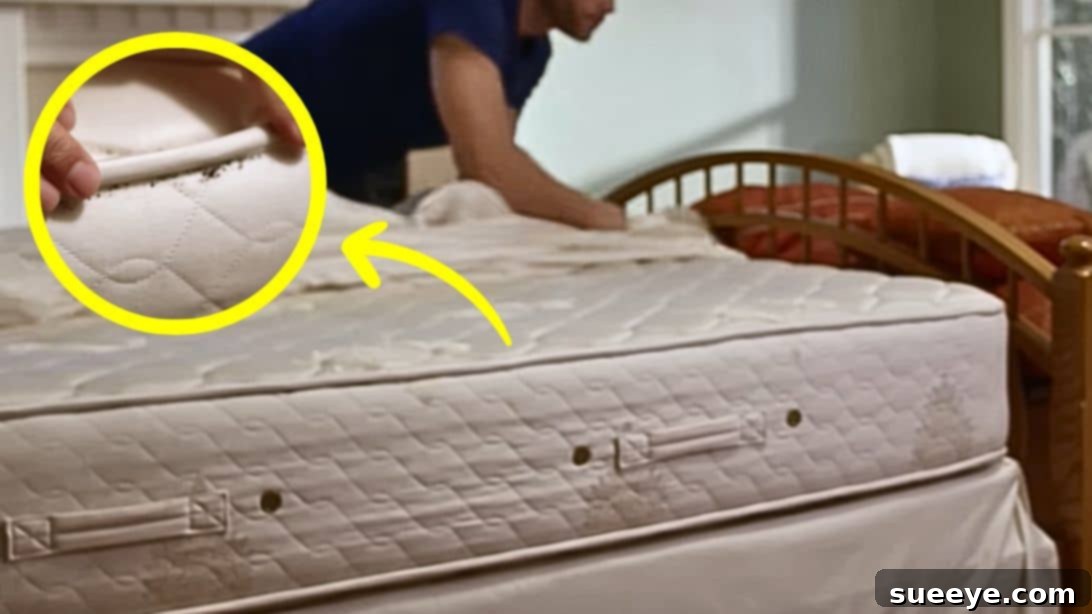
- Physical Evidence: Look for rust-colored spots on your mattresses, bedding, bed frame, or nearby furniture. These are usually bed bug fecal matter (digested blood). You might also find small, reddish blood smears on your sheets or pajamas, indicating a crushed bed bug.
- Shed Skins (Exoskeletons): As bed bugs grow, they shed their outer shells five times before reaching adulthood. These translucent, empty casings, often found in clusters, are a clear indication of their presence and growth.
- Live Bed Bugs: Adult bed bugs are typically flat, oval-shaped, and reddish-brown, about the size of an apple seed. After feeding, they become engorged and more reddish. Young bed bugs (nymphs) are smaller and nearly translucent.
- Distinct Odor: In cases of a heavy infestation, a unique, sweet, and musty odor, sometimes described as similar to coriander, cilantro, or spoiled raspberries, can be noticeable. This smell comes from the bed bugs’ scent glands.
- Bed Bug Bites: While not definitive proof, bites are a common indicator. Bed bug bites often appear as red, itchy welts, frequently arranged in lines, zigzags, or clusters on areas of skin exposed during sleep, such as arms, legs, neck, and face. It’s important to remember that not everyone reacts to bed bug bites, and they can be mistaken for other insect bites.
Where to Conduct Your Inspection:
Bed bugs are drawn to warmth and carbon dioxide, preferring to hide as close to their human hosts as possible. A thorough inspection requires a flashlight, a magnifying glass, and perhaps a stiff card or credit card to dislodge any hidden pests.
- The Bed Area: Begin by stripping your bed entirely. Meticulously inspect all seams, tufts, folds, and tags of your mattress and box spring. Pay close attention to the piping along the edges. Dismantle your bed frame if possible and check all crevices, joints, and screw holes. Don’t forget the back and underside of your headboard.
- Nearby Furniture: Examine nightstands, dressers, and any other furniture adjacent to your bed. Pull out drawers and inspect the joints, corners, and undersides.
- Walls and Structures: Look for cracks and crevices in walls, loose wallpaper, behind wall hangings (pictures, mirrors), and along baseboards.
- Electrical Outlets and Switch Plates: Bed bugs can squeeze into the smallest spaces, including behind electrical fixtures. Exercise extreme caution, and consider turning off the power before investigating these areas.
- Carpets and Rugs: Check along the edges where carpets meet the wall, as well as under rugs.
- Upholstered Furniture: Sofas, recliners, and chairs, especially those used for resting, can also harbor bed bugs. Inspect seams, cushions, and the undersides.
Using Bed Bug Traps for Confirmation:
To confirm the presence of bed bugs and determine how widespread the problem is, disposable bed bug traps (also known as interceptors or monitors) are invaluable. These traps are designed to lure bed bugs into a container from which they cannot escape, often trapping them within an hour or two. Begin by placing these specialized traps under each leg of your bed. If bed bugs are found, deploy additional traps in other suspect areas of your home, such as under furniture in adjacent rooms, to accurately gauge the full extent of the infestation. This critical information will directly influence your overall treatment strategy.
Step 2: Thorough Preparation – Laying the Groundwork for Success
Before any treatment can begin, meticulous preparation of the infested room is absolutely non-negotiable. Skipping or rushing this stage can severely undermine the effectiveness of your efforts and may even inadvertently help spread the bed bugs to other areas of your home. This preparatory phase focuses on eliminating potential hiding spots and isolating contaminated items.
Decluttering and Secure Bagging:
Begin by systematically clearing all clutter from the room. This includes everything from books, magazines, and electronics to toys, decorative items, and anything stored under or around your bed, in closets, or on nightstands. As you collect each item, immediately place it into a durable, sealable plastic bag. This crucial step ensures that any bed bugs clinging to the items are contained and cannot migrate. Once bagged, these items should remain sealed until they can be properly treated or disposed of. If you choose to dispose of certain items, ensure they are tightly sealed in plastic bags, clearly marked as “bed bug infested,” and immediately taken outside to a secure outdoor bin, far from your home.
Managing Cardboard and Paper Items:
Bed bugs are adept at hiding within the corrugated layers of cardboard boxes and the pages of books or stacks of paper. If you have personal items stored in cardboard containers, it’s vital to transfer them into clear plastic storage bins with tight-fitting lids. For books, documents, or other paper-based items, consider isolating them in sealed bags for several months (bed bugs can survive a long time without feeding) or treating them with methods like heat (e.g., in a portable heating chamber, if safe for the item) or freezing.
Laundering All Contaminated Textiles:
Every washable textile in the infested room—including bedding, clothing, curtains, throw blankets, and even plush toys—must be treated. Carefully gather these items and immediately seal them in sturdy plastic bags to prevent any bed bugs from escaping during transport to the laundry area. Wash these items using the hottest water cycle available on your washing machine, ideally at least 120°F (49°C). For maximum effectiveness, use a detergent specifically formulated for killing bed bugs, or a high-quality regular detergent. The most critical step here is the drying process: tumble dry the load on the highest heat setting for a minimum of 30 minutes. The intense heat of the dryer is far more effective at killing both adult bed bugs and their eggs than the washing cycle alone. For delicate items that cannot withstand hot water washing, dry cleaning or simply tumble drying on high heat (if the fabric allows) for 30 minutes can also be effective.
Thorough Vacuuming – A Non-Negotiable Step:
Once the room is decluttered and all textiles are bagged, it’s time for a comprehensive vacuuming. Use a powerful vacuum cleaner equipped with a hose attachment and a crevice tool. This step physically removes many bed bugs and their eggs from surfaces.
Vacuum every surface meticulously, paying close attention to:
- The entire mattress and box spring, with particular focus on seams, tufts, and crevices.
- All parts of the bed frame, headboard, and footboard.
- All carpeting, area rugs, and especially along the edges where they meet baseboards.
- Any upholstered furniture present in the room.
- Behind electrical switch plates and outlet covers (ensure the power is turned off at the breaker before attempting this and proceed with extreme caution).
- All cracks and crevices in walls, floors, and furniture.
Vacuum slowly and deliberately to maximize the capture of pests. Immediately after vacuuming, carefully remove the vacuum bag or empty the contents of the bagless container directly into a sealable plastic bag. Tightly seal this bag and dispose of it outside your home in a secure outdoor trash bin, far from your residence. This prevents any captured bed bugs from escaping and re-infesting your living space.
Step 3: Effective Treatment – Eradicating the Infestation
With the room thoroughly prepared, it’s time to launch your offensive against the bed bugs. A multi-pronged approach, combining various treatment methods, is typically the most successful strategy for complete eradication. Always prioritize safety and meticulously follow the instructions provided on all product labels.
Strategic Use of Foggers (Bug Bombs):
For treating larger, more open areas, an insecticide fogger, commonly known as a “bug bomb,” can be employed. These devices release a fine mist of insecticide designed to kill adult bed bugs and, in some specialized formulations, their unhatched eggs. Foggers can penetrate into rugs, window treatments, and other accessible surfaces where bed bugs might be hiding. However, it’s crucial to understand their limitations: foggers primarily affect bed bugs that are directly exposed to the mist and often fail to reach deeply hidden pests within crevices, wall voids, or inside furniture, making them less effective as a standalone solution. Use only one fogger per room, and never place it in a confined, unventilated area unless explicitly instructed by the manufacturer, and even then, ensure any closet doors are left open to allow penetration.
Essential Safety Precautions and Activation Process:
Before activating any fogger, the room must be completely ready for treatment. Safety is paramount:
- Close all windows and exterior doors in the room.
- Turn off all fans, as well as heating and cooling systems, to prevent the insecticide fog from dispersing into unintended areas or throughout your home.
- If a closet within the treated room is suspected of being infested, leave its door open for the fog to penetrate.
- Extinguish all open flames, including pilot lights on gas stoves, water heaters, and furnaces, as many foggers contain flammable propellants.
- Unplug any appliances that cycle on and off automatically (e.g., refrigerators, freezers) or remove them from the room entirely.
- Remove all food items, eating utensils, and any uncovered dishes from the room, or ensure they are completely covered and protected.
- Confirm that all people, children, and pets have been safely evacuated from the room and surrounding areas.
Once all precautions are in place, position the fogger in the center of the room, ideally elevated slightly (e.g., on a chair covered with a towel). Activate it strictly according to the product instructions and immediately vacate the room, ensuring the door is closed behind you. Do not re-enter the room until at least two hours after the treatment is completed, or for the duration specified on the product label. Upon safe re-entry, immediately open all windows and turn on ventilation systems (ceiling fans, exhaust fans) to thoroughly air out the room for a minimum of two hours before resuming normal activities. Always prioritize safety and proper ventilation when using chemical treatments.
Targeted Treatments for Specific Hiding Spots:
Beyond foggers, a range of targeted treatments can address specific areas and effectively eliminate bed bugs:
- Insecticide Powders: For those elusive, hard-to-reach spaces like cracks, crevices, wall voids, and behind baseboards, insecticide powders such as Diatomaceous Earth (DE) or silica gel are highly effective. These powders work by dehydrating bed bugs that crawl through them, causing them to slowly die. Apply a very thin, barely visible layer using a bellows duster. When using Diatomaceous Earth, ensure it is food-grade and always wear a mask during application to avoid inhalation. Powders act slower than sprays but provide a long-lasting residual effect, continuing to kill bed bugs for weeks or even months.
- EPA-Approved Insecticide Sprays: For more precise applications on bed frame joints, mattress seams (if not encased), and furniture crevices, use EPA-approved bed bug-specific insecticide sprays. Some sprays offer immediate “contact kill” for visible bugs, while others provide a residual effect, continuing to kill bugs for weeks. Always read the product label carefully to ensure it’s safe for indoor use and approved for the specific surfaces you intend to treat. Avoid spraying mattresses directly unless the product label explicitly permits it and provides clear instructions for safe use.
- High-Temperature Steam Treatment: A powerful, chemical-free method, high-temperature steam can kill bed bugs and their eggs on contact. Use a steam cleaner with a nozzle attachment, ensuring the steam reaches a temperature of at least 130°F (54°C). Slowly move the steamer along mattress seams, upholstered furniture, curtains, and along carpet edges. Be careful not to over-wet surfaces, as this can lead to mold growth.
Post-Treatment Monitoring and Follow-Up:
After your initial treatment, it is absolutely vital to lay out new bed bug traps and maintain continuous monitoring. Bed bugs are incredibly resilient, and a single treatment, especially with DIY methods, is rarely sufficient to eliminate an entire infestation. You will likely need to repeat treatments as recommended by product labels or based on ongoing detection of bed bugs in your traps. Continued vigilance and diligent monitoring will help confirm that no bed bugs are left and that your home is truly free of these persistent pests.
Step 4: Prevention – Ensuring a Bed Bug-Free Future
Successfully eradicating bed bugs is a significant achievement, but the battle isn’t over until you’ve established robust preventative measures. Implementing ongoing strategies will safeguard your home from future infestations, offering lasting peace of mind and protecting your sanctuary from these relentless pests.
Establishing Physical Barriers and Isolating Your Bed:
- Bed Bug Interceptors: These specialized cups, placed under each leg of your bed, create a physical barrier. Bed bugs attempting to crawl up to or down from your bed will fall into the outer well of the interceptor, trapping them. Regularly check and empty these traps, as they also serve as ongoing monitoring devices.
- Mattress and Box Spring Encasements: Invest in high-quality, zippered, bed bug-proof encasements for both your mattress and box spring. These covers are specifically designed with a fine weave that prevents bed bugs from getting in or out. They trap any existing bed bugs inside, causing them to eventually starve and die, while simultaneously preventing new bed bugs from infesting your bed. Ensure the encasements are durable, tear-resistant, and remain on for at least one year.
- Strategic Bed Placement: Position your bed away from the wall, creating a gap that prevents bed bugs from easily climbing onto it from the wall. Furthermore, ensure that no bedding (sheets, blankets, comforters, bedskirts) drapes down to touch the floor, eliminating another potential bridge for bed bugs to access your sleeping area.
Vigilant Travel Habits:
Travel is one of the most common ways bed bugs are introduced into homes. Adopting smart travel habits is essential to avoid bringing these hitchhikers back with you:
- Hotel Room Inspection: Upon entering any hotel room, conduct a quick yet thorough inspection. Pull back the sheets and check the mattress seams, headboard, and behind wall art or picture frames for any signs of bed bugs (fecal spots, shed skins, or live bugs).
- Smart Luggage Storage: Never place your luggage directly on the floor or on upholstered furniture in a hotel room. Instead, use a luggage rack (after inspecting it) or store your suitcases in the bathroom, a less hospitable environment for bed bugs.
- Post-Travel Laundry Routine: As soon as you return home from a trip, immediately wash and dry all travel clothes (even those you haven’t worn) on the highest heat settings that the fabric can tolerate. Then, thoroughly vacuum your suitcase before storing it in a sealed plastic bag in an isolated area like a garage or attic.
Caution with Secondhand Items:
Bringing used furniture, clothing, or books into your home poses a significant risk of introducing bed bugs. Always exercise extreme caution:
- Meticulous Inspection: Rigorously inspect any secondhand items—especially upholstered furniture, mattresses, bed frames, and even electronics—before bringing them indoors.
- Pre-emptive Treatment: If feasible, clean, thoroughly vacuum, or even heat-treat (e.g., in a hot dryer for clothing) secondhand items before introducing them into your main living space. Consider isolating new-to-you items in a garage or sealed area for an extended period.
Ongoing Home Maintenance and Vigilance:
- Regular Cleaning: Maintain a consistent cleaning schedule, regularly vacuuming around your bed, baseboards, and furniture. This helps to remove any potential hitchhikers and their eggs before they can establish an infestation.
- Seal Entry Points: Repair any cracks or crevices in walls, loose wallpaper, and seal around electrical outlets and baseboards. This reduces potential hiding spots for bed bugs and makes your home less inviting.
- Minimize Clutter: A clutter-free home not only looks tidier but also offers fewer hiding places for bed bugs, making detection and treatment significantly easier.
- Educate Yourself and Others: Continuously educate yourself, your family members, and housemates about bed bug signs and preventative measures. Quick identification and swift action upon suspicion are always the best defenses.
When Professional Help is Necessary:
While this guide provides comprehensive DIY strategies, some bed bug infestations are simply too widespread, persistent, or complex for a homeowner to manage alone. If your diligent efforts aren’t yielding the desired results, if the infestation is severe or recurring, or if you simply prefer professional expertise, do not hesitate to contact a reputable pest control professional. They have access to specialized equipment, advanced treatments (such as whole-room heat treatments or more potent, restricted-use insecticides), and extensive experience that can effectively eliminate bed bugs and provide lasting solutions, ensuring your home becomes truly bed bug-free.
Reclaim Your Home: The Path to a Bed Bug-Free Environment
Dealing with bed bugs is undoubtedly a challenging ordeal that demands patience, persistence, and a highly systematic approach. However, by diligently following these detailed steps for detection, thorough preparation, targeted treatment, and proactive prevention, you can effectively combat an existing infestation and restore comfort and peace to your home. Remember, ongoing vigilance is your strongest defense against these resilient pests. Stay proactive with regular inspections of your living spaces, and commit to swift action at the very first sign of these unwelcome guests. With the right strategies and unwavering dedication, you can ensure a lasting bed bug-free environment and once again enjoy sound, undisturbed sleep in your own home.