
Sparkling Toilets with Toothpaste: The Ultimate DIY Cleaning Hack for a Spotless Bowl
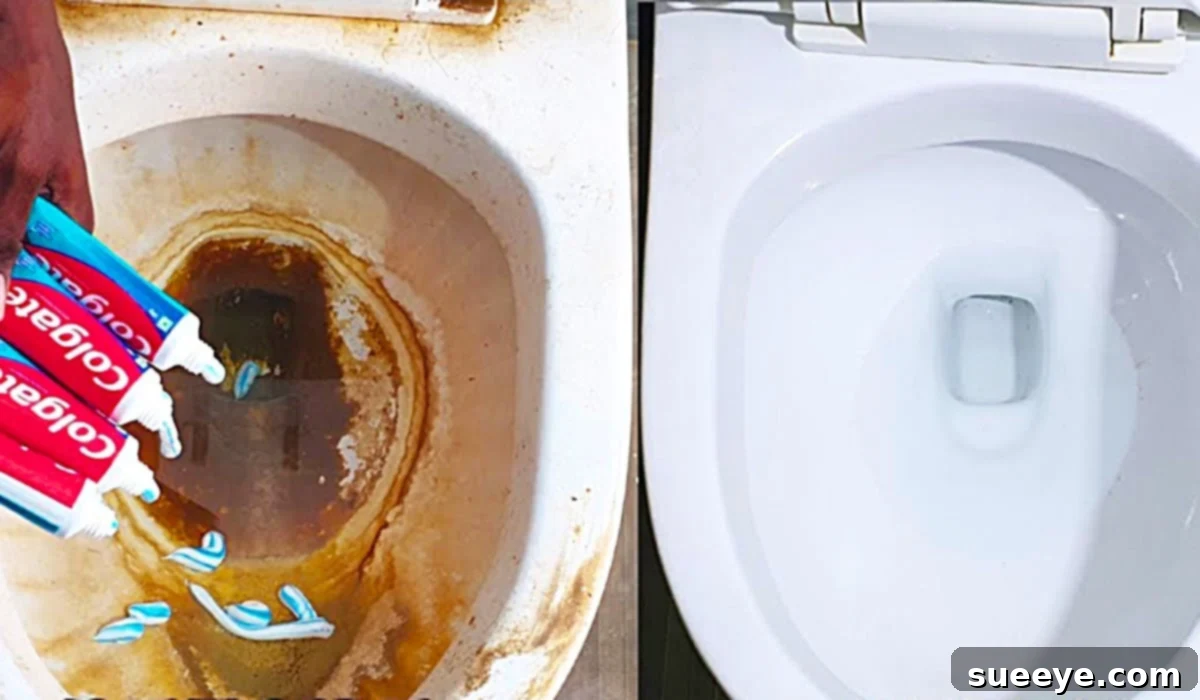
Tackling a grimy toilet bowl is one of the least appealing chores, often requiring harsh chemicals and extensive scrubbing. But what if a common household item held the secret to effortlessly removing stubborn stains and odors, leaving your toilet pristine? Prepare to be amazed by an ingenious cleaning hack that utilizes ordinary toothpaste to transform your bathroom. This surprisingly effective method, highlighted in an excellent tutorial by Mr. Perfect on YouTube, promises remarkable results with minimal elbow grease, making it one of the best cleaning discoveries in recent memory.
The concept might seem unconventional, but toothpaste’s unique composition makes it a powerful ally against toilet bowl grime. Its gentle abrasive particles work wonders on various types of stains, breaking them down without damaging the porcelain surface. Coupled with its natural deodorizing and antiseptic properties, toothpaste doesn’t just clean; it freshens and sanitizes. The true magic lies in its ability to loosen unsightly scum and discoloration when given sufficient dwell time, allowing you to achieve a sparkling clean with significantly less effort than traditional methods.
Why Does Toothpaste Work So Well for Toilet Cleaning?
At first glance, toothpaste seems solely designed for dental hygiene. However, its cleaning efficacy extends far beyond your mouth due to its specialized ingredients:
- Mild Abrasives: Most toothpastes contain gentle abrasive agents like hydrated silica or calcium carbonate. These fine particles are perfect for scrubbing away surface grime, hard water spots, and mineral deposits without scratching the toilet’s porcelain finish. They physically lift and dislodge dirt that plain water or mild soap might leave behind.
- Detergents and Surfactants: Just like household cleaners, toothpaste contains mild detergents (surfactants) that help to break down grease, soap scum, and other organic matter. These agents reduce the surface tension of water, allowing the toothpaste to penetrate and lift dirt more effectively.
- Antimicrobial Agents: Many toothpastes are formulated with ingredients like triclosan (though less common now) or zinc citrate, which possess antibacterial properties. While primarily aimed at oral bacteria, these components can also help in reducing germ buildup and odors in the toilet bowl, contributing to a more hygienic environment.
- Refreshing Scents: Beyond cleaning, toothpaste leaves behind a fresh, minty aroma. This provides a pleasant contrast to the typical chemical smells of conventional toilet cleaners, instantly improving the bathroom’s ambiance.
By leveraging these combined properties, toothpaste provides an all-in-one solution for tackling common toilet bowl issues, from unsightly stains to lingering odors, making it a surprisingly versatile addition to your cleaning arsenal.
Materials Needed for This Toilet Cleaning Hack:
- Toothpaste: Any standard white paste toothpaste will work best. Avoid gel toothpastes, as their abrasive content is often lower. Whitening toothpastes might offer an extra boost due to additional cleaning agents.
- A Toilet Brush: Essential for applying and scrubbing the toothpaste effectively.
- Water: For flushing and rinsing the bowl thoroughly.
- Optional: Rubber Gloves: Recommended for hygiene.
- Optional: Paper Towels or Cloth: For wiping any drips or exterior surfaces.
Step-by-Step Directions to Clean Your Toilet with Toothpaste:
Follow these simple steps to transform your dirty toilet bowl into a gleaming spectacle using nothing but toothpaste:
- Prepare the Bowl: Begin by flushing the toilet to moisten the entire bowl surface. For particularly stubborn stains, you might consider turning off the water supply and flushing once to empty the bowl, allowing the toothpaste to work on a concentrated stain without dilution. However, for most cleaning, a standard flush to wet the surface is sufficient.
- Apply the Toothpaste Liberally: Take your toothpaste and liberally squirt it directly onto the stained areas inside the toilet bowl. Pay special attention to the waterline, underneath the rim, and any noticeable discoloration. Don’t be shy with the amount; ensuring adequate coverage is key to success. Spread it around using the tip of the tube or a dedicated cleaning brush.
- Initial Scrub and Spread: Using your toilet brush, gently scrub the toothpaste around the entire interior surface of the bowl. Make sure the toothpaste forms a thin, even layer over all the areas you wish to clean. This initial scrub helps to distribute the active ingredients and starts the mechanical cleaning process.
- Allow for Dwell Time: This is arguably the most crucial step. Once the toothpaste is applied and spread, let it sit and work its magic. For light grime, 20-30 minutes should suffice. For more stubborn or “baked-on” stains, extend the waiting period to an hour, or even longer if preferred. During this time, the abrasive particles, detergents, and other agents in the toothpaste will soften, lift, and dissolve the accumulated dirt and stains.
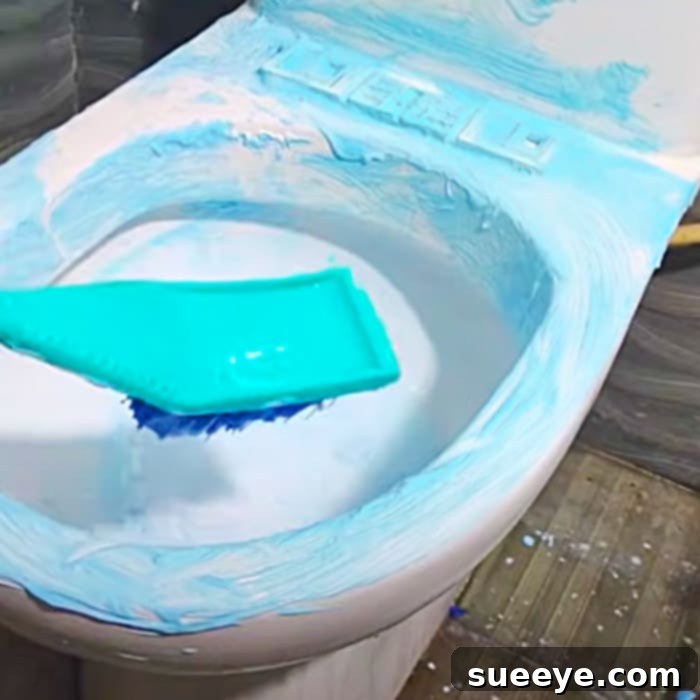
- Final Scrub and Rinse: After the waiting period, take your toilet brush and give the entire bowl a thorough scrub. You’ll notice that the stains and grime are much easier to dislodge now. Once you’re satisfied with the scrubbing, simply flush the toilet several times to rinse away the toothpaste and the loosened dirt. You should be left with a noticeably cleaner, fresher, and sparkling toilet bowl. It truly is that easy!
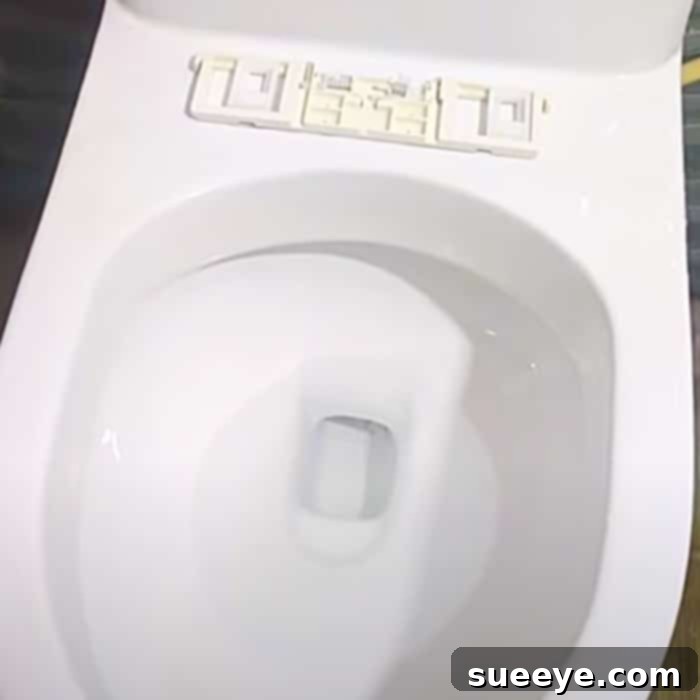
This method particularly excels at tackling those stubborn, “baked-on” types of stains that seem resistant to regular cleaning agents. The gentle abrasive action, combined with the extended contact time, allows the toothpaste to penetrate and lift these ingrained marks effectively.
Beyond the Bowl: Other Unexpected Toothpaste Cleaning Hacks
The versatility of toothpaste extends far beyond just cleaning your toilet. Once you’ve experienced its cleaning prowess on porcelain, you might be curious about its other applications around the house. Here are a few surprising ways toothpaste can help you clean:
- Shine Chrome Fixtures: Apply a small dab of toothpaste to a damp cloth and rub it onto chrome faucets or showerheads. Rinse and buff for a brilliant, streak-free shine.
- Remove Scuffs from Shoes: White toothpaste can work wonders on scuff marks on white sneakers or leather shoes. Apply a small amount, rub gently with a cloth, and wipe clean.
- Polish Silver: Tarnished silver jewelry or flatware can be restored with toothpaste. Rub a small amount onto the silver, let it sit for a few minutes, then rinse and polish with a soft cloth.
- Clean Dingy Grout: For dirty grout lines between tiles, apply toothpaste directly, scrub with an old toothbrush, and rinse. The mild abrasives will lift dirt and brighten the grout.
- Remove Crayon from Walls: Gently rub toothpaste onto crayon marks on painted walls with a damp cloth. The mild abrasive action can often lift the crayon without damaging the paint.
- Restore Headlights: Dull, foggy car headlights can be significantly improved with toothpaste. Apply a generous amount, rub with a cloth or sponge, then rinse thoroughly.
Advanced Tips for Stubborn Toilet Stains
While toothpaste is remarkably effective for many toilet stains, some extreme cases might require a little extra power. For very old, deep-set hard water rings, rust stains, or mold, consider these supplementary methods:
- Vinegar and Baking Soda Boost: After applying toothpaste, sprinkle a generous amount of baking soda over it. Then, pour white vinegar into the bowl. The fizzing reaction will create an even more potent cleaning mixture, helping to break down mineral deposits and organic matter. Let this sit for an hour or two before scrubbing.
- Pumice Stone (Use with Caution): For extreme hard water rings that toothpaste can’t fully conquer, a toilet-specific pumice stone can be very effective. *Always ensure the pumice stone is wet and the toilet surface is also wet before scrubbing to avoid scratching the porcelain.* Gently rub the ring until it diminishes.
- Borax or Peroxide: For persistent mold or mildew, a paste of borax and a little water, or a spray of hydrogen peroxide followed by a scrub, can be powerful disinfectants that also help lift stains.
Remember to always test any new cleaning method on an inconspicuous area first, and ensure adequate ventilation when using stronger agents.
Maintaining a Clean Toilet: Preventive Measures
The best way to deal with a dirty toilet is to prevent it from getting too dirty in the first place. Incorporate these habits into your routine to keep your toilet sparkling between deep cleans:
- Regular Wiping: A quick wipe down of the toilet seat, rim, and exterior surfaces daily or every other day can prevent buildup.
- Weekly Scrub: Commit to a quick scrub of the toilet bowl interior with a toilet brush and a mild cleaner once a week. This prevents hard water stains and grime from setting in.
- Natural Cleaners: Consider using natural alternatives like vinegar or baking soda for weekly maintenance. A cup of white vinegar left in the bowl for 30 minutes before scrubbing can keep it fresh.
- Toilet Cleaning Bombs/Tablets: Drop a toilet cleaning tablet or a homemade “toilet bomb” (baking soda, citric acid, essential oils) into the bowl once a week. Let it fizz, then scrub and flush.
- Address Leaks Promptly: A leaky toilet can lead to constant hard water stains. Fix any leaks as soon as they are detected.
FAQs About Toothpaste Toilet Cleaning
What kind of toothpaste is best for cleaning a toilet?
White paste toothpastes are generally most effective due to their higher content of mild abrasive agents like silica. Avoid gel toothpastes, as they typically have fewer abrasives. Whitening toothpastes can also be a good choice as they often contain additional stain-fighting components.
Is using toothpaste safe for septic systems?
Yes, using toothpaste occasionally for cleaning is generally safe for septic systems. The small amount of toothpaste used will dilute quickly and not harm the beneficial bacteria in your septic tank. It’s much less harsh than many chemical toilet bowl cleaners.
Can toothpaste damage my toilet’s porcelain surface?
No, toothpaste is formulated with very fine, mild abrasives that are designed to clean teeth without scratching enamel. Similarly, these abrasives are too gentle to scratch the much harder porcelain surface of a toilet bowl, especially when used with a soft toilet brush.
How often should I clean my toilet with toothpaste?
This hack is excellent for tackling stubborn stains or giving your toilet a deep clean when needed. For regular maintenance, a weekly scrub with a standard toilet cleaner or natural alternatives like vinegar is usually sufficient. You can use the toothpaste method as a periodic intensive treatment, perhaps monthly, or whenever you notice significant buildup.
Conclusion: The Unexpected Hero of Your Bathroom
The quest for a truly clean toilet often feels like a never-ending battle, but this simple toothpaste hack offers a refreshing and effective solution. By harnessing the everyday power of a common dental product, you can achieve remarkable results, tackling everything from daily grime to those frustrating, baked-on stains. Not only is it budget-friendly and readily available, but it also minimizes the need for harsh chemicals, making your cleaning routine safer and more pleasant. So, the next time you look at a dingy toilet bowl, don’t despair – reach for that tube of toothpaste and prepare to witness the surprising magic it can unleash. Your sparkling clean bathroom will thank you!