
Revolutionize Your Carpet Cleaning: The Hydrogen Peroxide & Steam Iron Method
Carpet stains are an unfortunate reality of daily life, whether from spilled coffee, muddy paw prints, or an accidental pet mess. These unsightly marks can be incredibly frustrating to remove, often leaving behind stubborn residues or lingering odors. While many commercial cleaners promise miraculous results, they can be expensive, full of harsh chemicals, and sometimes ineffective. What if there was a simple, affordable, and surprisingly powerful DIY method using common household items? Prepare to discover a game-changing technique that leverages the combined power of hydrogen peroxide and a steam iron to banish even the most persistent carpet stains.
Inspired by ingenious cleaning hacks like those shared by Faithlyn Gruetzmchr on YouTube, this method is gaining popularity for its effectiveness and ease. It’s not just about surface cleaning; this approach targets the stain at its core, breaking down organic matter and lifting it away, often with minimal effort. Whether you’re dealing with fresh spills or old, set-in blemishes, this guide will walk you through everything you need to know to restore your carpets to their former glory, saving you time, money, and the headache of professional cleaning.
The Science Behind the Magic: Why This Method Works Wonders
At first glance, combining hydrogen peroxide and a steam iron for carpet cleaning might seem unconventional, but there’s a brilliant scientific principle at play. Understanding how these two elements work together illuminates why this method is so effective against a wide array of stains.
Hydrogen Peroxide: The Stain Destroyer. Hydrogen peroxide (H₂O₂) is a mild antiseptic and powerful oxidizing agent. When it comes into contact with organic stains—such as those from food, beverages, blood, or pet accidents—it releases oxygen. This oxygen works to break down the molecular bonds of the stain, essentially dissolving or lifting the discoloration. It’s also known for its bleaching properties, which can help lighten and neutralize the color of stains without damaging most colorfast carpets. Furthermore, its antiseptic qualities help to eliminate odor-causing bacteria, making it particularly effective for pet stains.
Steam Iron: The Lifting Powerhouse. The steam iron plays a crucial role in activating the hydrogen peroxide and physically extracting the stain. The heat from the iron helps to speed up the chemical reaction of the hydrogen peroxide, enhancing its stain-fighting abilities. More importantly, the steam penetrates deep into the carpet fibers, loosening the stain from its grip. As the steam rises, it creates a vacuum effect, drawing the stain molecules out of the carpet and into the absorbent cloth placed on top. This transfer mechanism is key to lifting the stain rather than just spreading it around.
Together, hydrogen peroxide pre-treats and breaks down the stain, while the steam iron then “pulls” the disintegrated stain out of the carpet and into your rag. This synergistic action makes for a surprisingly potent and efficient cleaning solution, transforming stubborn marks into a clean canvas.
Before You Begin: Essential Preparations and Safety First
While this method is simple and generally safe for most carpets, a few preparatory steps and safety precautions are crucial to ensure the best results and protect your carpet and yourself.
1. Patch Test for Colorfastness: This is arguably the most important step. Before applying hydrogen peroxide to a prominent area, always test it on an inconspicuous spot of your carpet (e.g., inside a closet or under a piece of furniture). Apply a small amount of hydrogen peroxide, let it sit for a few minutes, then blot with a clean white cloth. If there’s any discoloration or color transfer to the cloth, this method may not be suitable for your carpet. Wait for the test area to dry completely to confirm no adverse effects.
2. Ventilate the Area: Although hydrogen peroxide is relatively mild, it’s always a good practice to ensure good air circulation when cleaning. Open windows or use a fan to keep the area well-ventilated, especially if you’re cleaning a large stain or multiple spots.
3. Protect Surrounding Surfaces: If your carpet stain is close to wooden furniture, baseboards, or other delicate surfaces, cover them with plastic sheeting or old towels to prevent accidental drips or steam exposure.
4. Remove Loose Debris: Use a vacuum cleaner to thoroughly vacuum the stained area and its surroundings. This removes any loose dirt, dust, or particles that could impede the cleaning process or create mud if mixed with the cleaning solution. For solid debris, carefully scrape it off with a blunt knife or spoon.
5. Blot, Don’t Rub Fresh Stains: If you’re dealing with a fresh spill, immediately blot up as much of the liquid as possible using a clean, dry white cloth or paper towels. Press firmly but avoid rubbing, as rubbing can spread the stain and push it deeper into the carpet fibers.
6. Gather Your Materials: Ensure you have all the necessary supplies within reach before you start. This streamlines the process and prevents interruptions once you’ve begun.
By taking these preliminary steps, you’ll be well-prepared to tackle those stubborn carpet stains effectively and safely.
Materials You’ll Need for Spotless Carpets
One of the beauties of this cleaning method is that it requires only a handful of readily available items, most of which you likely already have around your home. Gather these before you begin your carpet transformation:
- A Bottle of Hydrogen Peroxide: The standard 3% solution, commonly found in grocery stores or pharmacies, is perfect for most household stains. For exceptionally tough or old stains, some users opt for food-grade hydrogen peroxide (e.g., 6% or higher), but exercise extreme caution with stronger concentrations and always dilute them appropriately. Stick to 3% for general use to prevent carpet damage.
- A Steam Iron: Any standard household steam iron will do. Ensure it’s clean and in good working order, ready to produce a good amount of steam.
- Several Clean, White Rags or Old Towels: The key here is “clean” and “white.” Using white rags prevents any color dye transfer from the rag to your carpet, especially when exposed to heat and moisture. You’ll want several on hand, as you may need fresh sections or new rags for repeated applications. Make sure they are absorbent.
- A Stiff-Bristled Brush (Optional but Recommended): A small, stiff brush (like a scrub brush or even a toothbrush for small spots) can be helpful for gently working the hydrogen peroxide into older, more embedded stains before applying the iron.
- A Spray Bottle (Optional but Recommended): While you can squirt hydrogen peroxide directly from its original bottle, a small spray bottle provides a more even and controlled application, helping you saturate the stain without oversaturating the carpet.
- Gloves (Optional): If you have sensitive skin, you might want to wear gloves to protect your hands from prolonged contact with hydrogen peroxide.
Step-by-Step Guide: Cleaning Carpet Stains with Hydrogen Peroxide and a Steam Iron
Once you’ve completed your preparations and gathered your materials, you’re ready to dive into the cleaning process. Follow these simple steps for effective stain removal:
Step 1: Pre-Treat and Apply Hydrogen Peroxide
Begin by ensuring the stained area is free of loose debris (as per the preparation steps). Now, carefully apply the 3% hydrogen peroxide directly onto the stain. If using a spray bottle, mist the area until the stain is visibly saturated. If pouring directly, apply enough to cover the stain without excessively soaking the carpet backing. For older, dried, or particularly stubborn stains, gently work the peroxide into the carpet fibers using a stiff-bristled brush. This helps the solution penetrate deeper and start breaking down the stain. Allow the hydrogen peroxide to sit on the stain for approximately 5 to 10 minutes. This dwell time is crucial, as it allows the oxidizing agent to begin its work, breaking down the stain’s molecular structure.
Step 2: Cover with a Clean Rag
Once the hydrogen peroxide has had time to activate, take one of your clean, white rags or old towels. Lay it flat over the entire stained area, ensuring it completely covers the treated spot and ideally extends slightly beyond its edges. This rag serves a dual purpose: it acts as a protective barrier between the hot iron and your carpet, preventing direct heat damage, and more importantly, it will absorb the lifted stain once heat and steam are applied.
Step 3: The Steam Iron Treatment
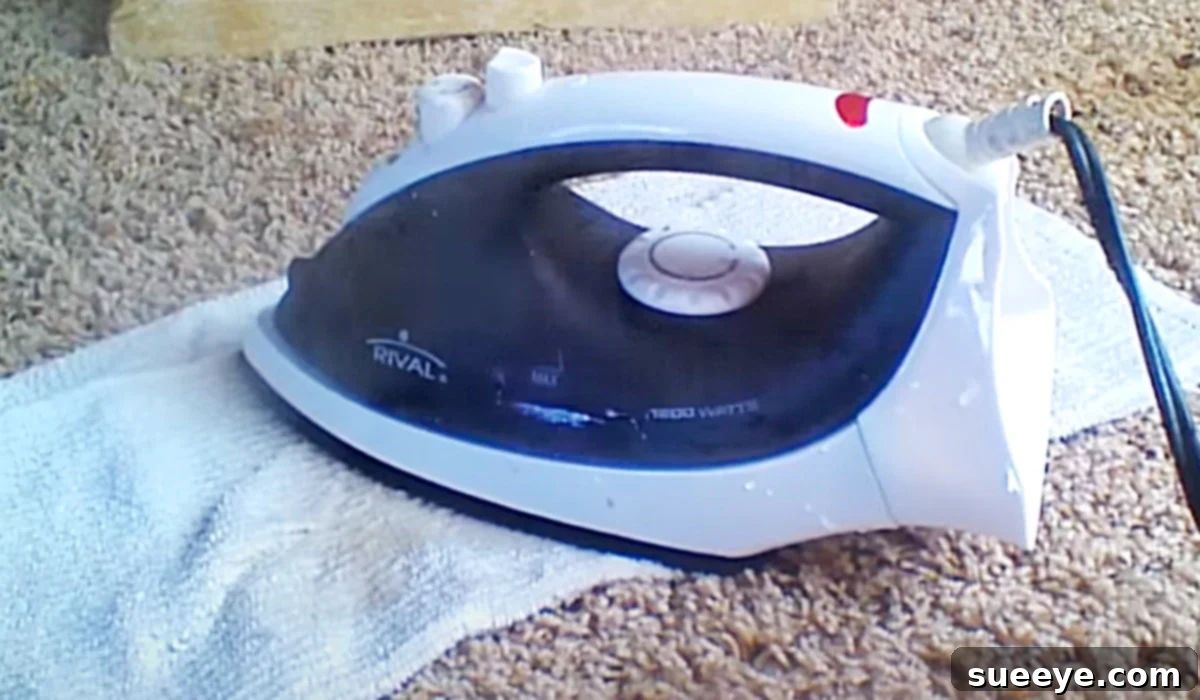
Now, prepare your steam iron. Fill its reservoir with water and set it to a medium-high heat setting with the steam function activated. Place the hot, steaming iron directly on top of the rag, positioning it over the stained area. Apply gentle, even pressure. The heat from the iron will activate the peroxide further, and the steam will work to loosen the stain from the carpet fibers, transferring it upwards into the absorbent rag. Hold the iron in place for about 30 seconds to 1 minute. It is critically important not to leave the iron in one spot for too long, as this can potentially damage or burn your carpet fibers. You should hear the distinct sound of the steam working its magic.
Step 4: Reveal and Repeat (If Necessary)
After the minute is up, carefully lift the iron and then lift the rag. You should observe a noticeable transfer of the stain from your carpet onto the rag. Many stains will be significantly diminished or completely gone after the first application. If the stain persists, don’t despair! Simply rotate your rag to a clean section (or grab a fresh rag), reapply a small amount of hydrogen peroxide to the remaining stain, and repeat steps 2 and 3. You may need to do this a few times for deeply embedded or very dark stains. Ensure you’re not oversaturating the carpet with too much liquid, and allow a little drying time between repetitions if the carpet feels excessively damp.
Step 5: Final Touches and Drying
Once you are satisfied that the stain has been removed, remove the final rag. Use a clean, dry towel to gently blot any excess moisture from the treated area. This helps to speed up the drying process and prevent any lingering dampness. Finally, use your fingers or a soft-bristled brush to gently fluff the carpet fibers back to their original texture. Allow the cleaned area to air dry completely. To accelerate drying, you can open windows for ventilation or place a fan nearby. Avoid walking on the damp area until it is fully dry to prevent re-soiling or flattening the fibers.
Tips for Maximizing Effectiveness and Troubleshooting
While the hydrogen peroxide and steam iron method is remarkably effective, a few additional tips can enhance your results and help troubleshoot common issues.
- Act Fast on Fresh Stains: The sooner you tackle a stain, the easier it will be to remove. Fresh spills haven’t had time to set into the carpet fibers, making them more responsive to treatment.
- Multiple Applications for Deep Stains: Don’t expect a miracle with just one pass for very old, dark, or deeply embedded stains. It’s often more effective to perform several lighter applications, repeating the steps with fresh rags, rather than trying to over-saturate or over-iron the carpet in one go.
- Blot, Don’t Rub: When applying the peroxide or drying the carpet, always blot gently rather than rubbing vigorously. Rubbing can spread the stain, damage carpet fibers, and make the problem worse.
- Check Your Iron’s Water Level: Ensure your steam iron has enough water to produce consistent steam throughout the cleaning process. Running out of water will reduce the iron’s effectiveness.
- What if it Doesn’t Work? If, after several attempts, a stain still persists, it might be due to its age, composition (some dyes are incredibly stubborn), or the specific type of carpet material. In such cases, professional carpet cleaning might be the next best step. Avoid using harsher chemicals if this method fails, as they could cause irreparable damage.
- Addressing Odors: Hydrogen peroxide is excellent for neutralizing odors, particularly those from pet accidents, due to its oxidizing properties. If an odor lingers, a light reapplication of peroxide (without the iron) and allowing it to air dry can often help. You can also sprinkle baking soda on the dry spot, let it sit overnight, and then vacuum it up to absorb any residual smells.
- Preventing Carpet Burning: The main risk with this method is leaving the iron on the carpet for too long. Stick to the 30-second to 1-minute guideline. If you are nervous, lift the iron every 15-20 seconds to check for any adverse effects, though this is rarely an issue when following the instructions.
Beyond Carpets: Other Surfaces Where This Method Shines
The hydrogen peroxide and steam iron technique isn’t exclusively for carpets. Its versatility extends to other household items that suffer from similar fabric stains. However, caution and patch testing remain paramount.
- Mattresses: As suggested in the original inspiration, this method can be incredibly effective for mattress stains, especially those from spills, bodily fluids, or pet accidents. The process is identical: spray peroxide, cover with a clean rag, and apply the steam iron. Be mindful not to oversaturate the mattress, as it can be difficult to dry thoroughly, potentially leading to mold or mildew. Use minimal peroxide and ensure excellent ventilation for drying.
- Upholstery: Stains on fabric upholstery (sofas, armchairs, dining chairs) can also be tackled with this method. However, upholstery fabrics vary greatly in material and construction. Always perform a patch test on an unseen area (like the back or underside of a cushion) to ensure the fabric is colorfast and doesn’t react negatively to the peroxide or heat. Use less peroxide to avoid soaking the padding beneath the fabric.
- Car Upholstery: Similarly, the fabric seats and carpets in your car can benefit from this cleaning hack. Again, test a small area first.
Important Considerations: Avoid using this method on delicate fabrics like silk, velvet, or antique textiles, which could be damaged by heat or moisture. Also, be wary of non-colorfast materials, as the peroxide could cause bleaching. When in doubt, always err on the side of caution and consult professional cleaners for valuable or delicate items.
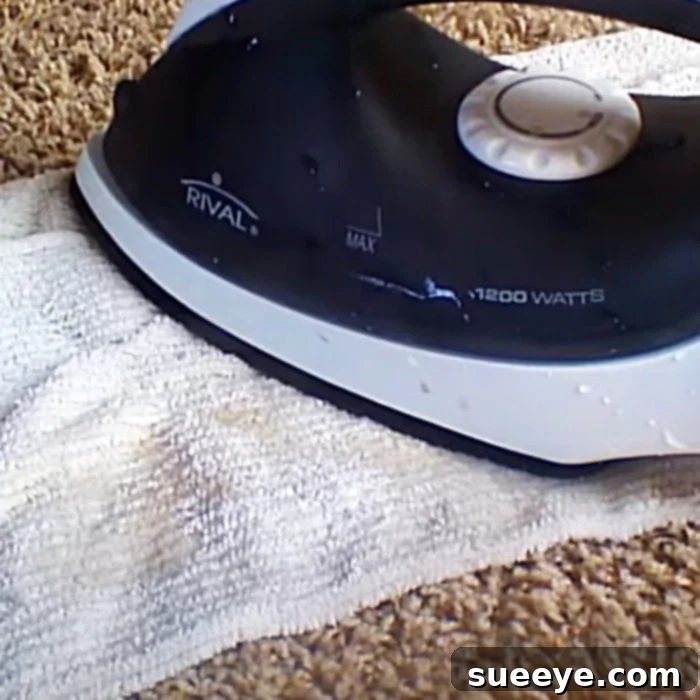
Then, you will lift up the towel and magically your stain will be gone.
Preventative Measures: Keeping Your Carpets Pristine
While having an effective stain removal method is invaluable, prevention is always better than cure. By implementing a few simple habits, you can significantly reduce the frequency and severity of carpet stains, maintaining a cleaner, healthier home environment.
- Regular Vacuuming: This is the simplest yet most effective preventative measure. Frequent vacuuming (at least 2-3 times a week, more in high-traffic areas) removes loose dirt, dust, and allergens before they can become embedded in the carpet fibers and contribute to staining.
- Area Rugs in High-Traffic Zones: Place area rugs in entryways, hallways, and living areas where foot traffic is heaviest. These rugs act as a barrier, trapping dirt and protecting the underlying carpet from excessive wear and potential spills.
- Immediate Spill Cleanup: Develop a habit of addressing spills immediately. The longer a liquid sits on the carpet, the deeper it penetrates and the harder it becomes to remove. Always blot, never rub, and work from the outside of the spill inward to prevent spreading.
- No Shoes Inside the House: Implementing a “no shoes inside” policy can drastically reduce the amount of dirt, grime, and outdoor contaminants tracked onto your carpets. Provide a shoe rack near the entrance for convenience.
- Use Stain-Resistant Treatments: If your carpet doesn’t already have a stain-resistant treatment, consider applying one. These treatments create a protective barrier around the carpet fibers, making them less absorbent and easier to clean.
- Regular Professional Cleaning: Even with the best preventative measures and DIY stain removal, professional carpet cleaning every 12-18 months is recommended. Professionals have powerful equipment and specialized solutions that can deep-clean your carpets, extending their lifespan and maintaining their appearance.
- Pet Management: For pet owners, regular grooming, designated feeding areas (on hard surfaces), and prompt cleanup of accidents are essential. Training pads for puppies or older pets can also save your carpets from unexpected messes.
By incorporating these preventative strategies into your routine, you can keep your carpets looking fresher for longer, making the occasional stain a minor inconvenience rather than a major headache.
Conclusion
Dealing with stubborn carpet stains can be a source of constant frustration, often leading to expensive cleaning solutions or the disheartening acceptance of a permanent blemish. However, as we’ve explored, the ingenious combination of hydrogen peroxide and a simple steam iron offers a remarkably effective, accessible, and budget-friendly alternative. This method leverages basic chemistry and physics to break down and lift even the most entrenched stains, leaving your carpets looking refreshed and renewed.
From understanding the scientific principles behind its success to following our detailed step-by-step guide and applying valuable troubleshooting tips, you now possess the knowledge to confidently tackle a variety of carpet woes. Remember the importance of preparation, patch testing, and patience, especially for older or more challenging stains. This powerful duo isn’t just for carpets; with careful application, it can revive mattresses and upholstery too, proving its versatility across your home.
Embrace this simple yet potent cleaning hack, and say goodbye to the anxiety of spills and stains. By integrating this method with good preventative practices, you can maintain a cleaner, more inviting living space without the constant worry of unsightly marks. Give it a try, and witness the magic yourself – a pristine carpet is just a few steps away!