
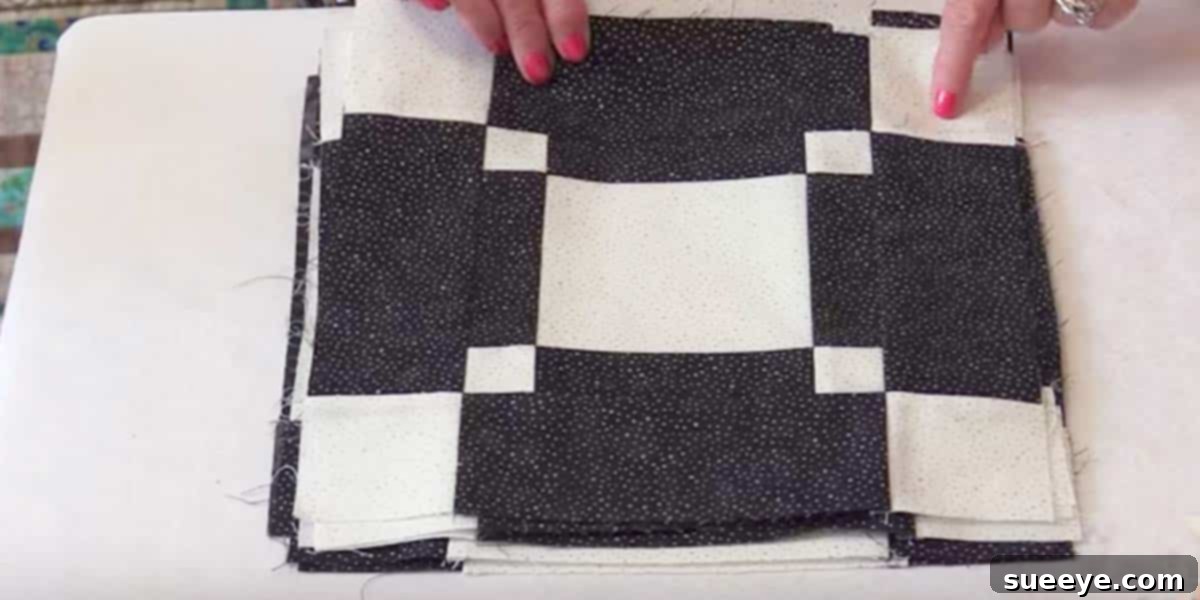
The Enduring Elegance of Black and White Quilting: Discover the Stunning Diner Quilt
In the vibrant world of quilting, where a kaleidoscope of colors often takes center stage, there’s an undeniable allure to the striking simplicity and profound drama of black and white. This high-contrast approach isn’t merely a trend; it’s a timeless design choice that allows the intricate patterns, textures, and quilt blocks themselves to truly shine. Black and white quilts offer a sophisticated elegance that complements any decor, from minimalist modern to rustic farmhouse, providing a versatile canvas for artistic expression. They speak a language of stark beauty, focusing the eye on form and composition rather than overwhelming it with a riot of hues. If you’ve been searching for a project that blends classic appeal with contemporary flair, prepare to be captivated by the magic of monochrome, perfectly exemplified by the utterly stunning Diner quilt.
Why Black and White Quilts Captivate Hearts and Homes
The decision to work with a black and white palette in quilting is often driven by a desire for a bold statement, a sense of timelessness, and a unique way to highlight the piecing. Unlike colorful quilts, where the interplay of various shades can sometimes distract from the pattern, black and white designs strip away the chromatic complexity, leaving behind a pure focus on the quilt’s architecture. The dramatic contrast between these two fundamental colors creates an immediate visual impact, drawing the viewer in and demanding attention. This stark beauty is incredibly versatile, making a black and white quilt a perfect heirloom piece or a chic addition to any contemporary living space.
Furthermore, black and white fabrics aren’t as limiting as one might assume. Within this limited spectrum, there’s a vast universe of shades, textures, and subtle prints that add incredible depth without introducing additional colors. From charcoal greys to ivory whites, dotted patterns to intricate geometrics, the nuances available allow for sophisticated layering and visual interest that keep the eye engaged. This intentional constraint on color empowers quilters to explore advanced design principles like value, negative space, and pattern repetition in ways that might be overshadowed in a multi-colored project. The resulting quilt is often perceived as more refined, more artistic, and undeniably elegant.
Unveiling the Diner Quilt: A Masterpiece Without Diagonal Seams
Among the myriad of black and white quilt patterns available, the Diner quilt stands out as a truly exceptional design. What makes this particular quilt an absolute favorite for many, including ourselves, is its ingenious construction that completely eliminates diagonal seams. For many quilters, diagonal seams can be a source of frustration, often requiring precise trimming and careful alignment to avoid “points” being cut off. The Diner quilt sidesteps this challenge entirely, offering a refreshing and perhaps less intimidating piecing experience, especially for those who prefer straightforward straight-line sewing.
The visual result of this unique construction is a dynamic yet orderly pattern that is both modern and reminiscent of classic diner flooring or intricate tile work. By utilizing a variety of different cuts and clever block arrangements, the Diner quilt achieves a complex and sophisticated look without the associated technical difficulties of diagonal seams. This design elegantly balances bold blocks with subtle negative spaces, creating a visually stimulating piece that feels both fresh and familiar. It’s a design that encourages creativity, allowing quilters to explore numerous variations in fabric placement to achieve their desired aesthetic, making it incredibly versatile for personalization.
The Art of Fabric Selection: Crafting Your High-Contrast Masterpiece
Choosing fabric is arguably one of the most delightful stages in the quilting process, and it becomes an even more focused and exciting task when working with a black and white palette. While the color range is narrowed, the possibilities within that range explode. You’re no longer just picking colors; you’re curating values, textures, and patterns that will interact to create depth and movement within your design. Quilting fabric, known for its exceptional quality and vast array of designer prints, offers endless options even within the monochrome spectrum.
When selecting fabrics for a black and white quilt, consider more than just solid black and solid white. Look for tone-on-tone prints where the pattern is created by subtle changes in shade rather than color. Think about small dots, delicate stripes, sophisticated geometrics, or even abstract textures that add interest without overwhelming the high contrast. Incorporating both light and dark greys can also introduce an essential mid-tone, softening the starkness slightly and allowing for smoother transitions between the black and white elements. The goal is to build a fabric “stash” for your project that has variety in scale and detail, ensuring your finished quilt isn’t flat but visually rich and engaging.
And then, there’s the delightful touch of an accent color. While the beauty of black and white lies in its purity, introducing a single, carefully chosen accent color can elevate the design to another level of brilliance. As seen in some stunning examples, a pop of turquoise, for instance, can provide a vibrant counterpoint, a refreshing splash that highlights the surrounding monochrome without detracting from it. Other popular choices include bright yellow, ruby red, or even a sophisticated metallic gold or silver. This accent color acts as a focal point, drawing the eye and adding an unexpected layer of personality to your otherwise neutral masterpiece. It’s a design choice that truly showcases thoughtfulness and creativity.
Design Principles for Dramatic Black and White Quilts
Working with black and white in quilting isn’t just about fabric choice; it’s about understanding fundamental design principles that come to the forefront in a high-contrast environment. The interplay of light and dark becomes paramount, allowing you to manipulate visual weight, direct the viewer’s eye, and create a sense of depth and movement that might be less apparent in a multicolored quilt.
Contrast and Balance: The core of black and white design is, naturally, contrast. But it’s not just about slapping black next to white. It’s about creating balance. Think about where you want areas of high contrast (like a pure black next to a pure white) and where you might want a softer transition using a patterned fabric or a mid-grey. A balanced distribution of light and dark ensures that the quilt feels harmonious and pleasing to the eye, rather than chaotic or lopsided. Experiment with different ratios – perhaps more white with black accents, or vice versa – to see how it changes the overall mood.
Negative Space: In black and white quilts, negative space – the area around and between the main design elements – becomes incredibly powerful. Often, what you don’t put in is as important as what you do. White fabrics frequently serve as brilliant negative space, allowing the darker elements to pop and giving the eye a place to rest. This intentional use of empty space can define shapes, create secondary patterns, and add a sense of airiness and modernity to the quilt.
Modern vs. Traditional Interpretations: While black and white can certainly lend a contemporary edge to any design, it also breathes new life into traditional quilt patterns. Imagine a classic Log Cabin block or a simple Four Patch rendered in stark black and white – suddenly, familiar shapes take on a new, dramatic identity. For modern quilters, black and white is a playground for geometric designs, improv piecing, and minimalist aesthetics. The absence of color allows the graphic nature of the patterns to dominate, creating truly impactful pieces that feel fresh and bold.
Beyond the Diner Quilt: Exploring Other Black and White Patterns
While the Diner quilt is an excellent starting point, the world of black and white quilting extends far beyond. Many traditional quilt patterns, when constructed with a monochromatic palette, transform into sophisticated works of art. Consider the timeless beauty of a Star block, a Drunkard’s Path, or even simple Half-Square Triangles (HSTs) pieced in black and white – the pattern emerges with stunning clarity and renewed impact. These familiar designs gain a fresh, dramatic perspective that highlights their inherent beauty.
Furthermore, many contemporary quilt designers are specifically drafting patterns to maximize the impact of high-contrast, neutral fabrics. These patterns often feature bold geometric shapes, intricate optical illusions, or modern interpretations of classic motifs. From abstract designs that play with light and shadow to intricate tessellations, the possibilities for black and white designs are virtually limitless. Don’t be afraid to experiment with different patterns or even design your own, allowing the power of black and white to guide your creative vision. The simplicity of the color scheme actually encourages a deeper exploration of form and structure in your quilting journey.
Essential Tips for Quilting with Black and White Fabrics
To ensure your black and white quilt project is a resounding success, consider these practical tips that cater specifically to high-contrast fabric choices:
- Pre-wash Your Fabrics: This is perhaps the most crucial tip for black and white quilting. Dark black fabrics, especially, can sometimes bleed dye, which would be disastrous on pristine white fabric. Pre-washing both black and white fabrics separately will help prevent any unwanted color transfer and ensures your finished quilt remains crisp and clean.
- Use High-Quality Fabrics: Invest in good quality quilting cotton. Better dyes are less likely to bleed, and the fabric will be easier to work with, resulting in a more professional finish.
- Thread Choice Matters: While black and white thread are obvious choices, consider a medium grey thread for piecing. It tends to blend beautifully into both black and white seams, making it less noticeable than a stark white or black thread if a stitch is slightly off. For quilting, you might choose black, white, grey, or even your accent color for a striking effect.
- Accurate Cutting and Pressing: With high contrast, any inaccuracies in your piecing will be more noticeable. Take your time with cutting, use sharp tools, and press your seams carefully. Pressing to one side (usually towards the darker fabric to prevent show-through) or open, depending on the pattern, can significantly impact the final look.
- Lighting is Key: When working with black and white, good lighting in your sewing area is essential to accurately distinguish between shades and ensure precise cuts and seams.
- Consider Your Batting: For very light quilts, a white or natural colored batting is often preferred to prevent any dark fibers from showing through the white fabric, maintaining the quilt’s bright appearance.
Bringing Your Diner Quilt to Life: A Step-by-Step Journey
Having explored the aesthetic appeal and design considerations of black and white quilting, it’s time to translate that inspiration into action. The best way to truly grasp the construction of the magnificent Diner quilt, with its unique no-diagonal-seam approach, is through visual guidance. We highly recommend diving into the following step-by-step video tutorial from the renowned “SewVeryEasy” channel.
This detailed video will walk you through every stage of creating your own Diner quilt, from initial fabric cutting to precise piecing techniques. Seeing the process unfold visually makes it incredibly easy to follow, even for those new to this specific pattern. The presenter’s clear instructions and helpful tips will empower you to tackle this project with confidence, demystifying any complex steps and ensuring a smooth and enjoyable quilting experience. After watching, you’ll feel well-equipped to gather your chosen black and white fabrics, perhaps with that perfect pop of turquoise, and embark on crafting a quilt that is both stunning and uniquely yours. Don’t just admire; give it a try for yourself and discover the joy of bringing this elegant design to life!
Embracing Creativity and Personal Touch in Your Monochrome Masterpiece
While following a pattern, remember that every quilt is an opportunity for personal expression. The black and white Diner quilt provides a fantastic foundation, but how you finish it can truly make it your own. Consider your quilting design – will it be simple straight lines to echo the quilt’s geometric nature, or perhaps a more organic free-motion design that adds textural contrast? The binding is another area for creativity; a crisp black or white binding will frame the quilt elegantly, while a binding in your accent color (if you chose one) could provide a vibrant edge.
Don’t forget the backing fabric! A playful black and white print, a solid color that complements your accent, or even a bold black can all add to the quilt’s character and provide a delightful surprise when it’s flipped over. Embrace the process, experiment with your choices, and allow your individuality to shine through every stitch. The beauty of black and white quilting is its ability to highlight craftsmanship and design, inviting you to pour your heart and soul into creating a truly memorable piece.
Conclusion: The Timeless Allure of Black and White
From the striking drama of contrasting tones to the serene elegance of a monochromatic palette, black and white quilting offers a unique and deeply satisfying creative journey. The Diner quilt, with its innovative no-diagonal-seam construction and inherent sophistication, stands as a testament to the enduring appeal of this classic color scheme. It’s a project that promises not only a visually stunning finished product but also an enjoyable and rewarding process for quilters of all skill levels.
Whether you’re drawn to its timeless appeal, its ability to highlight intricate patterns, or the freedom it offers to introduce a bold accent, a black and white quilt is an investment in beauty and craftsmanship. We encourage you to explore the possibilities, gather your fabrics, and embark on creating your own high-contrast masterpiece. Dive into the tutorials, let your creativity flow, and experience the unparalleled satisfaction of piecing together a quilt that will captivate and inspire for years to come.