
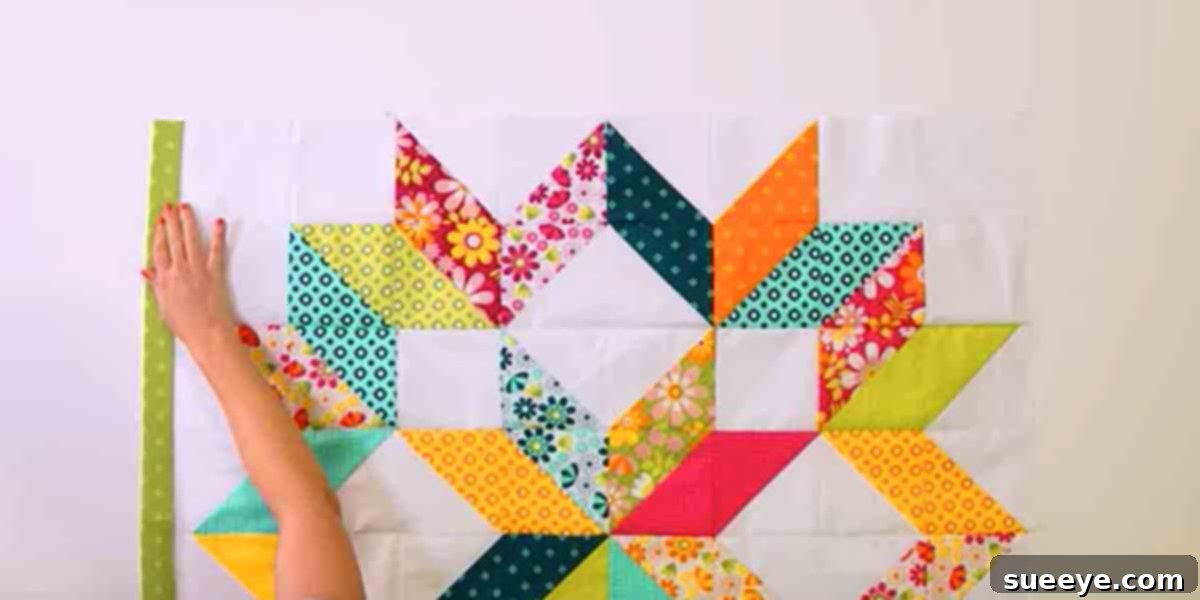
Mastering the Carpenter’s Star Quilt Block: A Timeless Patchwork Design
The Carpenter’s Star quilt block stands as a truly iconic and adaptable pattern in the world of quilting. Its striking visual appeal, characterized by a captivating interplay of diamond shapes and squares, has made it a beloved choice for quilters seeking both traditional elegance and modern flair. While historically assembled through meticulous piecing of these geometric units, contemporary approaches now offer simpler methods, making this beautiful design accessible to quilters of all skill levels. Understanding its various configurations and the impact of fabric choices unlocks a world of creative possibilities for your next quilting project.
Unraveling the Mystery: Carpenter’s Star vs. Carpenter’s Wheel
You might encounter the Carpenter’s Star quilt block under various names, with “Carpenter’s Wheel” being the most common alternative. These variations in nomenclature often stem from subtle differences in color placement, contrast, and the overall impression created by the finished block. Although the underlying geometric structure remains largely the same, how you choose to highlight certain areas with vibrant hues or subtle tones can dramatically alter the block’s perceived movement and depth, hence inspiring different names. For instance, a Carpenter’s Star might emphasize sharp points, while a Carpenter’s Wheel might suggest a more circular, flowing motion. Exploring these nuances allows quilters to intentionally design for a specific visual outcome, whether that’s a dynamic starburst or a gentle, rotating wheel effect.
The Art of Construction: Simplifying Complex Designs
Traditionally, the Carpenter’s Star relies on precise piecing of numerous diamond and square units. However, many quilters now embrace simplified techniques to achieve this classic look without the intimidation of intricate angles. Modern tutorials and patterns often break down the block into more manageable components, such as half-square triangles (HSTs) and flying geese units, which are then assembled to form the larger star design. These clever shortcuts not only make the construction process faster and more enjoyable but also ensure greater accuracy, leading to beautifully crisp points and perfectly aligned seams. Whether you prefer the challenge of traditional diamond piecing or the efficiency of simplified methods, the end result is always a stunning Carpenter’s Star block ready to anchor your quilt design.
The Fabric Story: From Orderly Arrangements to Cherished Scraps
One of the most appealing aspects of the Carpenter’s Star quilt block is its incredible versatility when it comes to fabric selection. Whether you envision a cohesive, meticulously planned quilt or a vibrant, eclectic scrap masterpiece, this block lends itself beautifully to both approaches. The choice between an orderly arrangement of fabrics and a random assortment of scraps can completely transform the character and message of your finished quilt, offering endless creative freedom.
Designing with Intent: Orderly Fabric Arrangements
When working with a carefully curated selection of fabrics, the Carpenter’s Star truly shines in its ability to showcase specific fabric lines, color palettes, or thematic designs. An orderly arrangement allows you to create a harmonious visual flow, with colors carefully graduated or strategically contrasted to enhance the star’s points and background. This method is ideal for quilters who wish to achieve a specific aesthetic, be it a modern minimalist look with solid colors, a traditional masterpiece using reproduction prints, or a contemporary design featuring bold, graphic patterns. Precision in fabric selection here can elevate the design, making each star block a testament to thoughtful planning and artistic execution.
The Heartfelt Charm of Scrap Quilting: Weaving Memories into Fabric
For many quilters, the true magic of the Carpenter’s Star comes alive when crafted from a diverse collection of scrap fabrics. This approach not only provides a wonderful way to utilize remnants from previous projects but also imbues the quilt with a profound sense of history and personal narrative. Scrap quilts are often a treasure trove of memories, with each fabric piece potentially carrying a story.
Imagine a quilt where a tiny piece of fabric recalls the joyful laughter of a child’s special occasion outfit, another from a cherished piece of clothing worn by a loved one, or even a swatch from a dress worn during a significant life event. These aren’t just fabric remnants; they are tangible fragments of time, emotion, and connection. The Carpenter’s Star, with its many individual pieces, becomes a perfect canvas for collecting and showcasing these precious scraps. Each diamond and square can hold a whispered memory, making the finished quilt not just a functional item, but a powerful heirloom.
The beauty of scrap quilting lies in its ability to embrace imperfection and celebrate variety. When you look at a quilt made from scraps, you don’t just see colors and patterns; you see a tapestry of experiences. It’s an unexplainable feeling, a rush of nostalgia and affection, to behold a quilt that embodies so many personal histories. This profound connection is a universal sentiment among quilters, transforming simple fabric into a cherished repository of love and remembrance. It’s a sustainable practice that not only reduces waste but also enriches the emotional value of every stitch.
Beyond the Block: Designing Your Carpenter’s Star Quilt
Once you’ve mastered the Carpenter’s Star block, the design possibilities for your quilt are virtually limitless. This versatile block can be arranged in a straight set for a classic appearance, or rotated to create intriguing secondary patterns when multiple blocks are joined. Consider alternating Carpenter’s Star blocks with solid or simpler coordinating blocks to give your eyes a resting place and emphasize the star’s dynamic design.
- Layout Variations: Experiment with different block rotations to create complex patterns. A four-block arrangement can form a larger super-star, while alternating directions can create movement across the quilt top.
- Borders and Sashing: Thoughtful use of sashing between blocks can define each star, while creative borders can frame your design and add extra flair. Consider narrow strips for a modern look or wider, pieced borders for a traditional touch.
- Quilting Designs: The star’s geometry provides excellent opportunities for quilting. Stitch-in-the-ditch techniques will make the star pop, while free-motion quilting can add texture and soften the block’s sharp lines. Consider echoing the star’s points or creating contrasting background fills.
- Color Play: Even with scraps, you can guide the eye by grouping similar colors or ensuring a good distribution of light and dark values across your quilt top. This adds cohesion to even the most eclectic collection of fabrics.
Learn from the Best: Honing Your Quilting Skills
The journey of quilting is an ongoing process of learning, discovery, and skill development. For those eager to master techniques, refine their craft, and find boundless inspiration, resources like “The Midnight Quilter” with designer Angela Walters are invaluable. Angela, known for her serious quilting skills and delightful quilter-ly quirks, consistently delivers engaging and insightful tutorials that empower quilters to tackle new challenges with confidence.
Each week, her “quilt of the hour” segments break down complex ideas into manageable steps, offering invaluable tips and tricks for everything from achieving perfectly pieced points to executing fabulous free-motion quilting designs. Whether you’re struggling with fabric alignment, seeking creative ideas for quilting motifs, or simply looking for motivation, Angela’s approachable teaching style makes learning both effective and entertaining. Embracing such high-quality educational content can significantly accelerate your quilting journey, transforming good intentions into stunning realities.
Learning from experts like Angela Walters not only teaches you the mechanics of quilting but also encourages an experimental and joyful approach to the art form. Her passion for quilting is infectious, inspiring viewers to push their boundaries and explore their own unique creative voices. So, whether you’re embarking on your first Carpenter’s Star or looking to add advanced free-motion quilting to your finished top, diving into her tutorials can provide the guidance and inspiration you need to achieve your quilting aspirations.
Conclusion: Embrace the Timeless Beauty of the Carpenter’s Star
The Carpenter’s Star quilt block remains a powerful and enduring symbol within the quilting community, revered for its striking design, adaptability, and the profound stories it can hold. From its intricate traditional construction to its simplified modern interpretations, and from meticulously chosen fabrics to cherished scrap collections, this block offers a rich tapestry of creative expression. It’s more than just a pattern; it’s a conduit for memory, a testament to skill, and a canvas for personal history.
Whether you’re drawn to its geometric precision, the sentimental value of a scrap quilt, or the sheer beauty of a well-executed star, the Carpenter’s Star invites you to explore, create, and connect. Take the plunge into this rewarding pattern, allow your creativity to flourish, and perhaps, like many before you, weave a piece of your own story into a truly timeless quilt.