
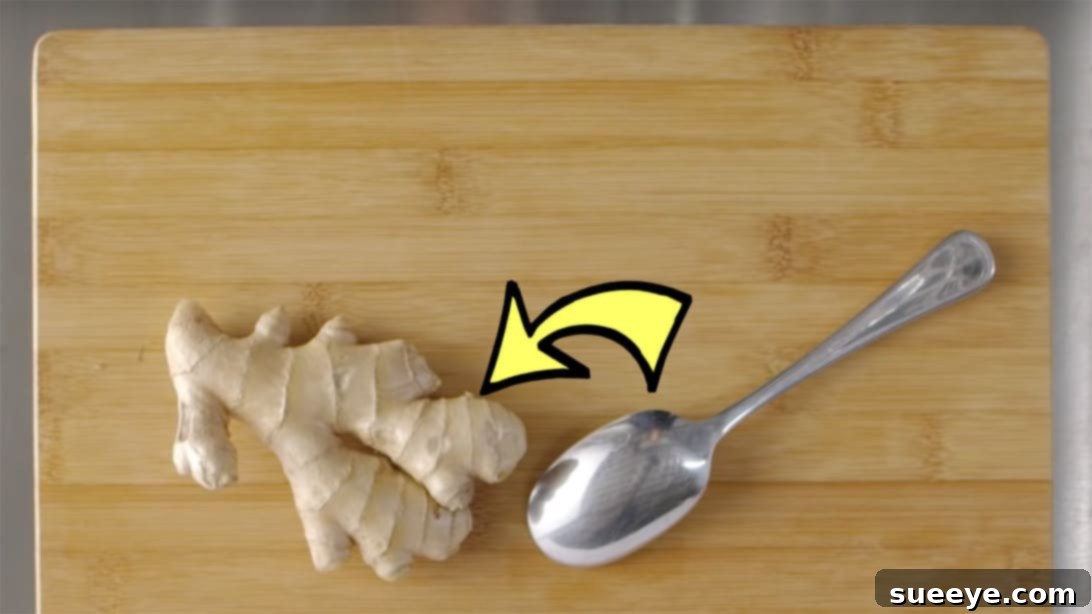
Unlock the Secret to Effortless Ginger Peeling: The Ultimate Spoon Hack
Fresh ginger is a powerhouse ingredient, celebrated for its unique pungent, spicy, and warming flavor profile, as well as its impressive array of health benefits. From soothing upset stomachs to adding a vibrant kick to culinary creations, ginger is a staple in kitchens worldwide. However, for many home cooks, the thought of peeling fresh ginger can be a daunting task. Its knobby, irregular shape often makes traditional peeling methods like knives or vegetable peelers frustrating, wasteful, and even hazardous.
Do you often find yourself wondering if you truly *need* to peel ginger, or if there’s a simpler way to tackle those awkward bumps and ridges? You’re not alone. Many passionate cooks grapple with this very dilemma, often sacrificing precious ginger flesh in the process or giving up entirely and leaving the skin on. But what if we told you there’s an incredibly simple, effective, and surprisingly satisfying method that preserves more of the root, minimizes waste, and makes the whole process a breeze? Prepare to revolutionize your kitchen routine with an age-old trick that’s finally getting the recognition it deserves: peeling ginger with a spoon.
Why a Spoon is Your Best Friend for Peeling Ginger
The magic of using a spoon to peel ginger lies in its humble design. Unlike the sharp blade of a knife or the rigid edge of a peeler, a common metal spoon offers a dull, curved surface that is perfectly suited for the task. The skin of fresh ginger is remarkably thin and fibrous, and with a spoon, you can gently scrape away just this outermost layer, leaving the flavorful flesh intact. This method stands head and shoulders above traditional techniques for several compelling reasons:
- Minimal Waste: One of the biggest advantages is how effectively a spoon prevents waste. Knives and peelers, by their nature, often remove a significant amount of the precious ginger flesh along with the skin, especially when dealing with the root’s irregular contours. A spoon, however, allows you to meticulously scrape off only the papery skin, preserving more of the pungent root that you intend to use.
- Conforms to Irregular Shapes: Ginger roots are notoriously lumpy, bumpy, and knobby. Trying to navigate these intricate shapes with a straight-edged peeler or knife can be frustrating and inefficient. A spoon, with its curved bowl and manageable edge, easily glides around these natural curves, reaching into tiny crevices and removing skin from even the most challenging parts without hassle.
- Enhanced Safety: Kitchen safety is paramount, and the spoon method offers a distinct advantage here. There’s virtually no risk of cutting yourself, unlike when handling sharp knives or peelers, making it an ideal technique for cooks of all skill levels, from beginners to seasoned chefs.
- Preserves Flavor and Nutrients: The most potent and flavorful compounds in ginger are often concentrated just beneath the skin. By removing only the thinnest layer of skin, the spoon method helps to retain more of these essential oils and beneficial nutrients, ensuring your dishes are as flavorful and healthy as possible.
This ingenious technique is so straightforward and effective that once you try it, you’ll wonder why you ever bothered with anything else. The simplicity and efficiency of the spoon method have been widely showcased, including by channels like LivestrongWoman on YouTube, demonstrating just how accessible this trick is for everyone. It’s a game-changer that transforms a formerly tedious task into a quick, satisfying prep step.
How to Peel Ginger with a Spoon: A Step-by-Step Guide
Ready to experience the magic for yourself? Here’s a detailed, easy-to-follow guide to peeling fresh ginger using nothing but a simple spoon:
- Step 1: Select Your Ginger and Prepare. Start by choosing a fresh piece of ginger root. Look for firm, smooth skin with no mold or shriveling. The heavier it feels for its size, the fresher it often is. Give your ginger a quick rinse under cold water to remove any dirt or debris. Pat it dry with a paper towel.
- Step 2: Grab Your Spoon. Any standard metal spoon will do – a teaspoon or a tablespoon both work effectively. The edge of the spoon is what you’ll be using, so ensure it doesn’t have any excessively sharp or damaged spots. Hold the ginger firmly in one hand, positioning it securely against a cutting board if needed for stability.
- Step 3: Master the Scraping Technique. With your other hand, hold the spoon with the concave side facing you. Position the edge of the spoon against the ginger’s skin at a slight angle. Using firm but gentle pressure, begin to scrape away the thin outer layer of skin. You’ll notice the skin easily peeling off in small pieces, leaving the clean, pale yellow flesh underneath.
- Step 4: Navigate the Knobs and Crevices. This is where the spoon truly shines. For the tricky, gnarled bits and “fingers” of the ginger, simply adjust your grip on the spoon and ginger. Use the tip or the side of the spoon’s bowl to get into all the nooks and crannies. The spoon’s natural curve allows it to contour to the ginger’s shape, ensuring no spot is missed and no valuable flesh is lost. Don’t be afraid to change the angle of your spoon or ginger as you work.
- Step 5: Finishing Touches. Once you’ve peeled all the desired skin, give the ginger another quick rinse to wash away any lingering bits of skin. Your perfectly peeled ginger is now ready to be sliced, minced, grated, or julienned for your recipe. Dispose of the scraped skin, perhaps composting it if you’re environmentally conscious.
This method is not just efficient; it’s genuinely satisfying. You’ll be amazed at how quickly and cleanly you can peel a whole piece of ginger, even those with the most intricate shapes.
When to Peel Ginger and When It’s Optional
While peeling ginger with a spoon is undoubtedly the superior method for efficiency and waste reduction, it’s also worth considering when peeling is truly necessary. Generally, if you plan to mince, grate, or finely chop ginger for dishes where its texture will be prominent (like stir-fries, marinades, or dressings), peeling is recommended for a smoother mouthfeel and aesthetic. Similarly, if you’re making ginger shots, smoothies, or desserts where the skin might introduce a slightly bitter note or an undesirable texture, definitely peel it.
However, there are instances where leaving the skin on is perfectly acceptable or even preferred. For applications like brewing ginger tea, adding to stews, broths, or larger chunks for roasting, the skin often doesn’t affect the final outcome significantly. The skin also contains some nutrients, so for some home cooks, the slight textural difference is a worthwhile trade-off for convenience and added nutritional value. Ultimately, the decision often comes down to personal preference and the specific requirements of your recipe.
Selecting and Storing Fresh Ginger for Maximum Flavor
To get the most out of your ginger, knowing how to select and store it properly is key. When purchasing fresh ginger, look for roots that are firm, smooth, and heavy for their size. The skin should be taut and shiny, without any wrinkles, soft spots, or mold. A fresh, strong aroma is also a good indicator of quality. Avoid ginger that appears shriveled, dried out, or has visible sprouts, as these are signs of older ginger that will have less flavor and moisture.
Once you bring it home, proper storage can significantly extend its shelf life. For short-term storage, ginger can be kept unpeeled in a paper bag or a breathable container in the crisper drawer of your refrigerator for up to three weeks. For longer storage, consider freezing it. Unpeeled ginger can be placed directly into a freezer-safe bag and stored in the freezer for several months. When needed, you can grate or slice the frozen ginger directly without thawing, or simply peel it with a spoon while it’s still partially frozen—it works surprisingly well!
Beyond Peeling: The Versatile Uses and Health Benefits of Ginger
Beyond the simple act of peeling, ginger’s culinary and medicinal versatility is what truly makes it a kitchen essential. In cooking, it can be found in savory dishes like curries, stir-fries, and marinades, providing depth and a zesty kick. It’s equally at home in sweet recipes, from ginger snaps and gingerbread to candied ginger and spiced beverages. Fresh ginger tea is a popular remedy for colds, flu, and digestive discomfort, while ginger ale is a classic stomach soother.
The health benefits of ginger are backed by centuries of traditional medicine and modern scientific research. It’s a potent anti-inflammatory and antioxidant, making it valuable for reducing muscle pain and soreness, alleviating symptoms of osteoarthritis, and even potentially lowering cholesterol levels. Its most well-known benefit, however, is its effectiveness against nausea, whether from motion sickness, morning sickness during pregnancy, or chemotherapy-induced nausea. Incorporating fresh ginger into your diet is a delicious way to boost both flavor and wellness.
Conclusion: Embrace the Simplicity of Spoon Peeling
The next time a recipe calls for fresh ginger, you no longer have to dread the peeling process. Armed with the simple knowledge of the spoon hack, you can confidently and efficiently prepare this incredible root, minimizing waste and maximizing flavor. This straightforward technique is not just a kitchen trick; it’s a small change that yields significant benefits, saving you time, effort, and money.
So, go ahead, grab a spoon, and transform the way you interact with ginger in your kitchen. Share this invaluable tip with your friends and family – they’ll thank you for simplifying their cooking lives. Embrace the effortless elegance of spoon-peeled ginger and let its vibrant flavor elevate your culinary adventures!