
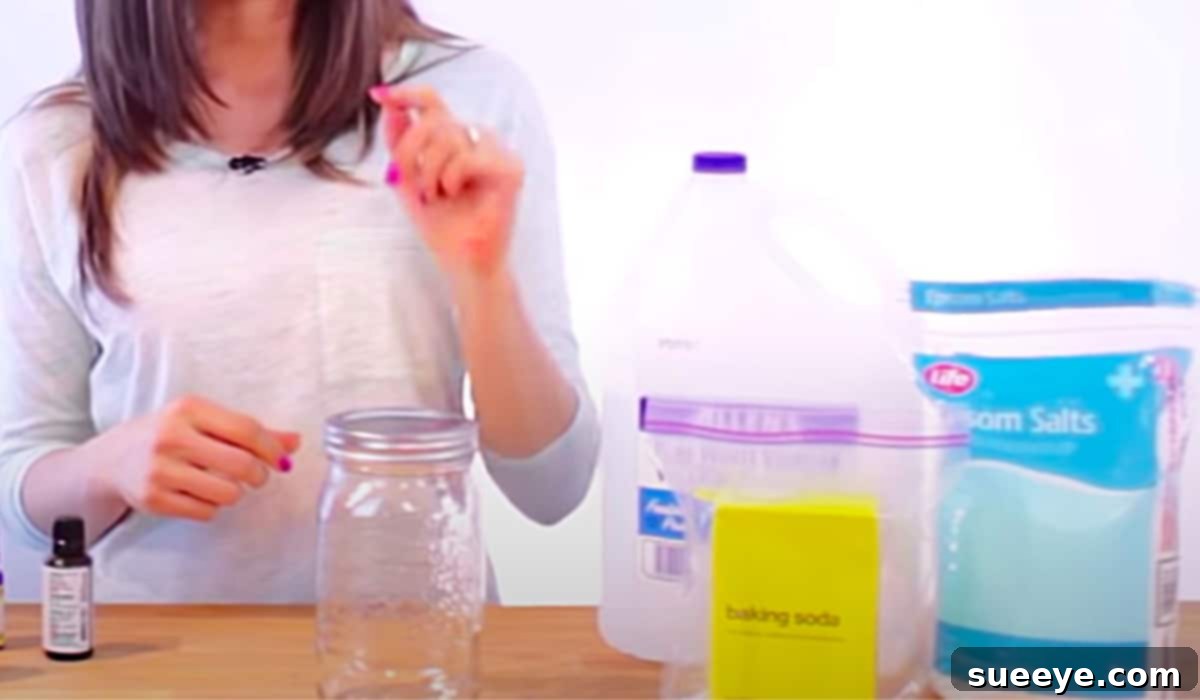
In our quest for soft, fresh-smelling laundry, many of us reach for commercial fabric softeners without a second thought. However, these popular laundry additives often come with a hidden cost: they can be laden with chemicals, leave a waxy build-up on our clothes and appliances, and contribute to environmental pollution. For those seeking a healthier, more sustainable, and equally effective alternative, the solution lies in your pantry. This comprehensive guide will walk you through crafting your own natural fabric softeners at home, saving you money while keeping your clothes soft, fresh, and chemical-free. Inspired by practical DIY tutorials, such as the one by Clean My Space on YouTube, we’re sharing two incredibly simple yet powerful recipes that promise to revolutionize your laundry routine. Say goodbye to synthetic fragrances and waxy residues, and embrace the gentle touch of homemade goodness.
Homemade Fabric Softener Recipes for a Natural Laundry Boost
Making your own fabric softener is not just a trend; it’s a mindful choice towards a greener home and a healthier lifestyle. The benefits extend far beyond just cost savings. Commercial fabric softeners typically contain a cocktail of synthetic chemicals designed to coat fabric fibers, making them feel softer and reducing static cling. While effective, these chemicals can irritate sensitive skin, trigger allergies, and even reduce the absorbency of towels over time due to the waxy film they create. Moreover, they can build up in washing machines, leading to decreased efficiency and potential odors.
By opting for a homemade fabric softener, you gain complete control over the ingredients. You can avoid harsh chemicals, artificial dyes, and strong synthetic perfumes that often cause adverse reactions. Instead, you’ll use simple, natural ingredients that are gentle on your skin, your clothes, and the environment. These DIY softeners work by naturally neutralizing static and relaxing fabric fibers, leaving your laundry feeling wonderfully soft and fresh without any sticky residue. Plus, you can customize the scent using your favorite essential oils, turning laundry day into a pleasant aromatherapy experience.
Whether you’re concerned about sensitive skin, environmental impact, or simply want to embrace a more natural approach to home care, these two easy-to-make recipes offer fantastic solutions. Let’s dive into the details of each, ensuring your dryer sponges stay fresh and fully moist with these wonderfully smelling homemade mixtures, ready for use whenever you need them.
Recipe 1: The Versatile Vinegar-Based Fabric Softener
White vinegar is a powerhouse in natural cleaning and laundry. Its acetic acid content is what makes it so effective. When added to your laundry’s rinse cycle, vinegar helps to break down detergent residue, which is often the cause of stiff or scratchy clothes. It also naturally softens fabrics, eliminates odors, and acts as a mild disinfectant. Don’t worry about your clothes smelling like vinegar; the scent dissipates completely during the drying process, leaving behind only freshness.
Ingredients for Your Vinegar Fabric Softener:
- An empty bottle (repurposed plastic bottle, glass jar, or dispenser)
- White vinegar (enough to fill your chosen bottle)
- 10 to 20 drops of your favorite essential oil (optional, for fragrance)
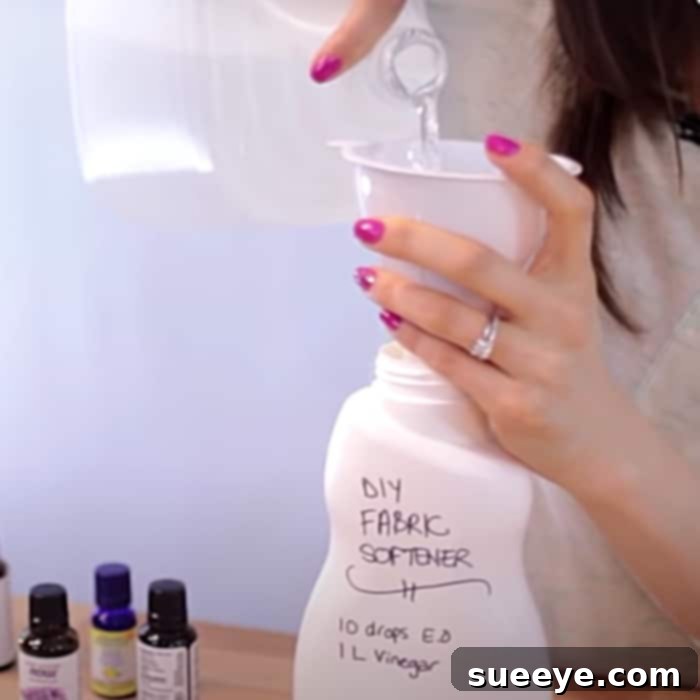
Preparation and Usage for the Vinegar Fabric Softener:
- Prepare Your Container: Choose an empty, clean bottle with a tightly sealable lid. This could be an old fabric softener bottle, a large mason jar, or a repurposed juice bottle. Ensure it’s thoroughly clean to avoid contamination.
- Add Vinegar: Carefully pour white vinegar into the bottle, filling it nearly to the top. White vinegar is preferred over other types of vinegar as it has no added colors or sugars that could stain clothes.
- Introduce Essential Oils (Optional): If you desire a pleasant scent, add 10 to 20 drops of your chosen essential oil directly into the vinegar. Popular choices include lavender for relaxation, lemon or grapefruit for a fresh citrus scent, tea tree for its antibacterial properties, or peppermint for an invigorating aroma. You can also create custom blends!
- Seal and Shake: Secure the lid tightly and gently shake the bottle to ensure the essential oils are well distributed throughout the vinegar.
- Store and Use: Store your homemade fabric softener in a cool, dark place. For each load of laundry, simply add about 1/4 to 1/2 cup of this mixture to the fabric softener dispenser of your washing machine during the rinse cycle. If your machine doesn’t have a dispenser, you can add it manually during the final rinse.
The vinegar works wonders by softening fabrics, reducing static cling, and removing any lingering odors or detergent residues. It’s also excellent for maintaining your washing machine by preventing mold and mildew build-up.
Recipe 2: The Luxurious Epsom Salt Fabric Softener
For those who prefer a solid, granular fabric softener, or simply want to try a different approach, an Epsom salt-based recipe is an excellent choice. Epsom salt (magnesium sulfate) helps to soften water and, by extension, your clothes, leading to a noticeable improvement in fabric texture. When combined with baking soda, it also works to neutralize odors and boost the cleaning power of your detergent, leaving your laundry exceptionally fresh and soft.
Ingredients for Your Epsom Salt Fabric Softener:
- 2 cups of Epsom Salt
- 1/2 cup of baking soda
- 20-30 drops of your choice of essential oil
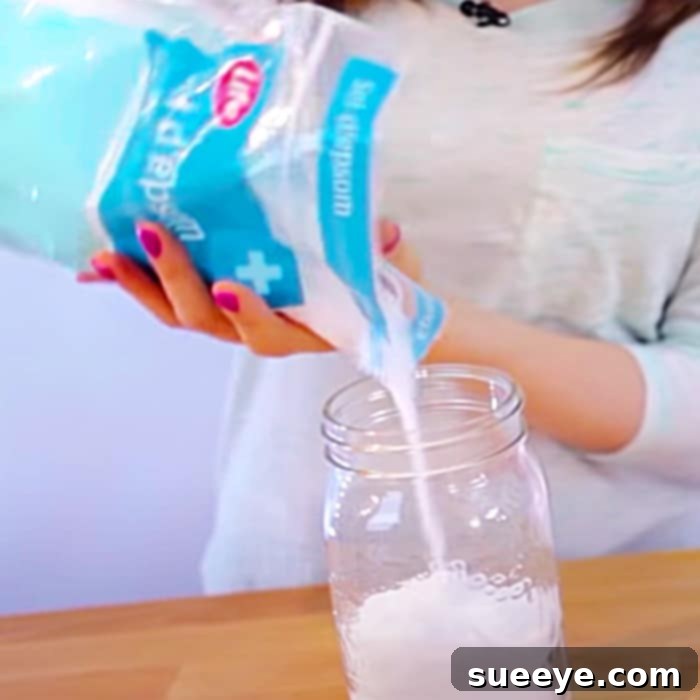
Preparation and Usage for the Epsom Salt Fabric Softener:
- Combine Dry Ingredients: In a large mixing bowl, combine the 2 cups of Epsom salt and 1/2 cup of baking soda. Use a whisk or spoon to mix them thoroughly until well integrated. Baking soda is known for its deodorizing and brightening properties, complementing the softening action of Epsom salt.
- Add Essential Oils: Drop 20 to 30 drops of your preferred essential oil blend into the dry mixture. For a soothing feel, consider lavender and chamomile. For an invigorating boost, try eucalyptus and lemon.
- Mix Thoroughly: Stir the mixture vigorously to ensure the essential oils are evenly distributed. You want all the salt and baking soda granules to be lightly coated with the fragrant oil.
- Store Properly: Transfer the finished mixture into an airtight container, such as a glass jar with a tight-fitting lid. This will prevent moisture from clumping the mixture and help preserve the essential oil scent.
- How to Use: For a standard load of laundry, add 1 to 2 tablespoons of this Epsom salt fabric softener directly into the washing machine drum along with your clothes at the beginning of the wash cycle. The minerals will dissolve and work their magic throughout the wash and rinse. Adjust the amount based on your load size and desired softness.
This recipe is particularly good for maintaining the natural absorbency of towels and cloth diapers, as it doesn’t leave the waxy coating that liquid commercial softeners can. It’s also fantastic for static reduction and leaving a subtle, natural fragrance on your clothes.
General Tips for Using Your Homemade Fabric Softener
Whichever recipe you choose, incorporating homemade fabric softener into your laundry routine is simple and rewarding. Here are some additional tips to maximize their effectiveness:
- Storage: Always store your homemade softeners in sealed containers. The vinegar solution should be kept in a cool, dark place. The Epsom salt mixture must be kept airtight to prevent clumping from moisture and to retain the essential oil fragrance.
- Essential Oil Choices: Experiment with different essential oils to find your favorite scents. Always use high-quality, pure essential oils for the best results and to avoid any unwanted residues. Popular choices include:
- Lavender: Calming and fresh.
- Lemon/Orange/Grapefruit: Uplifting and clean.
- Tea Tree: Natural antiseptic, good for sanitizing.
- Peppermint/Eucalyptus: Invigorating and helps with stuffiness.
- Sandalwood/Cedarwood: Earthy and grounding.
- Adjusting Quantities: Start with the recommended amount (1/4 to 1/2 cup for liquid, 1-2 tablespoons for solid) and adjust based on the size of your laundry load and the hardness of your water. You might need a little more for very large loads or harder water.
- Washing Machine Compatibility: Both types of homemade fabric softeners are safe for all washing machines, including high-efficiency (HE) models. The vinegar solution is especially beneficial for HE machines as it helps prevent mold and mildew build-up in the detergent dispenser.
- For Dryer Use: While these recipes are primarily for the wash cycle, you can enhance your laundry further by using wool dryer balls in your dryer. They help reduce drying time, decrease static cling, and can even be scented with a few drops of essential oils for an extra fragrance boost.
- Avoid Overloading: For best results, avoid overloading your washing machine. Clothes need space to tumble and circulate properly with the softener.
- The “Clean My Space” Inspiration: The simple, clear instructions from channels like Clean My Space on YouTube demonstrate how easy it is to adopt these practices. Their approach to making fabric softener at home is exactly what makes these recipes so accessible for everyone.
Embrace a Natural Laundry Future
Making the switch to homemade fabric softener is a small change that yields significant benefits. Not only will you protect your family from potentially irritating chemicals, but you’ll also extend the life of your clothing and contribute to a healthier planet. Your clothes will feel fresh and clean with no waxy film, just natural softness and a subtle, delightful scent.
These two recipes are incredibly easy to make, requiring only a few minutes to assemble, and they offer a practical, eco-friendly solution for everyday laundry. Give them a try and experience the difference that natural ingredients can make. Your laundry, your skin, and the environment will thank you!