
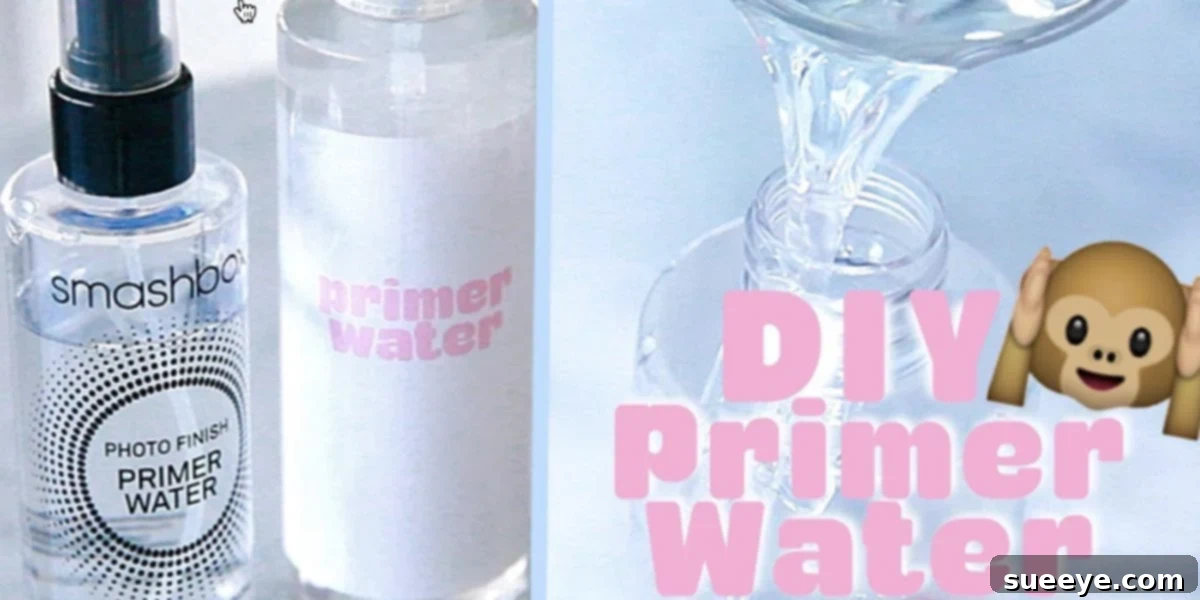
Unlock Flawless Skin: The Ultimate Guide to DIY Natural Makeup Primers
For many of us, the quest for truly flawless skin and makeup that lasts all day feels like an endless journey. We spend countless hours researching, experimenting, and often, spending a small fortune on products that promise to deliver that perfect canvas. My own skin, which isn’t naturally as smooth as I’d always hoped, led me down this path, constantly searching for solutions to create a seamless base for foundation. A good face primer isn’t just a luxury; it’s a fundamental step for transforming your makeup application, especially if you deal with uneven texture, visible pores, or redness.
The market is flooded with makeup primers, each promising unique benefits, from blurring imperfections to mattifying oily zones. While some deliver, the cumulative cost of these products can quickly add up, leaving a significant dent in your beauty budget. Furthermore, many commercial formulations contain synthetic chemicals, fragrances, and silicones that, while effective in the short term, can sometimes irritate sensitive skin or even contribute to breakouts over time. It was this frustration—the constant hunt for an effective yet affordable and skin-friendly solution—that led me to explore the world of DIY beauty. What I discovered was a revelation: a simple, homemade alternative that not only outperformed many high-end primers but also nourished my skin in the process. This natural concoction has truly been a game-changer for my makeup routine, making foundation application smoother, my complexion more even, and my makeup remarkably long-lasting.
What Exactly is a Face Primer and Why Do You Need It?
A face primer is a pre-makeup product applied after your skincare routine but before your foundation. Its primary role is to create a smooth, even surface on the skin, allowing foundation and other complexion products to glide on effortlessly and adhere better. Think of it as preparing a wall for paint; you wouldn’t paint directly onto a rough, uneven surface, would you? Similarly, your skin benefits from a preparatory layer that fills in minor imperfections, blurs pores, and offers a uniform texture. Beyond just smoothing, primers can also address specific skin concerns, such as controlling oil, adding hydration, or color-correcting redness, making them an indispensable step for anyone seeking a professional-looking and enduring makeup finish. Whether you desire a radiant glow or a matte effect, the right primer sets the stage for success, transforming your entire makeup experience.
The Transformative Power of Makeup Primer: Core Benefits Explored
Integrating a primer into your daily beauty regimen offers a multitude of advantages that go far beyond just initial application. These benefits contribute significantly to the overall look and longevity of your makeup, ensuring you put your best face forward all day long.
1. Creates a Flawless Makeup Base
The most fundamental benefit of a face primer is its ability to create an incredibly smooth and uniform canvas. It works by subtly filling in fine lines, minimizing the appearance of large pores, and evening out any textural inconsistencies on the skin’s surface. This creates an optimal glide path for your foundation, preventing it from settling into lines or clinging to dry patches. The result is a visibly smoother application, where foundation appears airbrushed and blends seamlessly, achieving a truly flawless finish that looks natural and refined.
2. Evens Out Skin Tone and Texture
Beyond physical smoothness, primers can also play a crucial role in harmonizing your skin’s tone. Some formulations are designed with color-correcting pigments that can neutralize redness, dullness, or sallow undertones, providing a more balanced complexion even before foundation is applied. For those with uneven skin tone due to hyperpigmentation or blotchiness, a primer creates a subtle, corrective layer, allowing your foundation to work more effectively and requiring less product overall to achieve a consistent, radiant look.
3. Reduces Inflammation and Calms Redness
Certain primers, especially those formulated with soothing natural ingredients, can actively help to reduce visible redness and calm irritated skin. Ingredients like aloe vera or chamomile found in natural primers possess anti-inflammatory properties that can alleviate skin sensitivity. By creating a protective barrier and providing a gentle, cooling effect, these primers not only make your skin look less red but also feel more comfortable and less reactive throughout the day, forming a healthier base for your makeup.
4. Controls Excess Shine and Oil
For individuals with oily or combination skin, battling midday shine can be a constant struggle. Primers formulated with mattifying properties are invaluable in this regard. They work by absorbing excess sebum and creating a subtle barrier that prevents oil from breaking through your foundation. This not only keeps your complexion looking fresh and matte for longer but also prevents makeup from sliding off or creasing, ensuring a pristine finish that stands up to the challenges of a busy day.
5. Dramatically Prolongs Makeup Wear
Perhaps one of the most celebrated benefits of using a primer is its ability to significantly extend the wear time of your makeup. By creating a tacky, yet smooth surface, primer helps foundation, concealer, and even blush to grip onto the skin more effectively. This enhanced adhesion prevents makeup from fading, smudging, or migrating throughout the day, even in humid conditions or during strenuous activities. The result is a fresh, “just-applied” look that lasts from morning coffee to evening events, eliminating the need for constant touch-ups.
Commercial Primers vs. The Natural Revolution: Why Go DIY?
While the beauty industry offers a vast array of commercial makeup primers, they often come with their own set of challenges. The high price tag of premium brands can be prohibitive for many, making the search for an effective primer an expensive trial-and-error process. Beyond cost, a significant concern for health-conscious consumers is the ingredient list. Many store-bought primers contain synthetic chemicals, such as silicones, parabens, phthalates, and artificial fragrances, which can potentially irritate sensitive skin, clog pores, or even have long-term health implications. Finding a product that aligns with your skin type and ethical values, while also delivering on its promises, can feel like an impossible task.
This is precisely where the allure of natural, DIY face primers comes into play. Embracing homemade alternatives offers a liberating solution, putting you in complete control of what goes onto your skin. Not only are DIY primers significantly more cost-effective, but they also empower you to use only natural, wholesome ingredients that you trust. This approach minimizes the risk of adverse reactions, nourishes your skin with beneficial compounds, and supports a more sustainable and conscious beauty routine. Switching to a natural, homemade primer isn’t just about saving money; it’s about investing in the long-term health and vitality of your skin, fostering a deeper connection to the ingredients you use.
Discover the Wonders of Homemade Primers: Unique DIY Benefits
Crafting your own face primer unlocks a new realm of benefits that extend beyond mere makeup application. These natural formulations actively work with your skin, providing nourishment and care that store-bought versions often lack.
1. Deeply Hydrates and Nourishes Your Skin
One of the standout advantages of DIY natural primers is their inherent ability to hydrate and nourish the facial skin. Unlike many commercial primers that might create a superficial barrier, natural ingredients such as aloe vera, vegetable glycerin, and carrier oils like jojoba or almond oil are packed with vitamins, antioxidants, and essential fatty acids. These components penetrate the skin, delivering vital moisture and nutrients that promote overall skin health, leaving your complexion feeling soft, supple, and genuinely revitalized from within.
2. Smooths Fine Lines and Minimizes Wrinkles
Natural ingredients possess impressive skin-plumping and smoothing properties. Glycerin, a powerful humectant, draws moisture from the air into your skin, temporarily plumping up the skin cells, which in turn reduces the visible depth of fine lines and wrinkles. Aloe vera, renowned for its collagen-boosting capabilities, also helps to improve skin elasticity and texture over time. When used consistently, a DIY primer can contribute to a more youthful appearance, making your skin feel smoother to the touch and providing a more even canvas for makeup.
3. Visibly Reduces the Appearance of Pores
Large pores can be a source of frustration for many, making foundation application tricky. Homemade primers, particularly those containing ingredients like witch hazel or finely milled natural powders (if added for a mattifying effect), can effectively minimize the appearance of pores. Aloe vera’s gentle astringent properties and glycerin’s blurring effect work together to create a smoother surface that visually blurs and refines the skin’s texture, making pores seem smaller and less noticeable. This creates an optical illusion of smoother skin, giving your foundation a perfectly airbrushed finish.
Key Ingredients for Your DIY Natural Face Primer: Nature’s Best
The beauty of making your own primer lies in selecting ingredients that are not only effective but also beneficial for your skin. Here are some staple natural components that form the backbone of an excellent DIY face primer, each bringing its unique set of advantages.
Aloe Vera Gel: The Soothing Base
Pure aloe vera gel is often the star ingredient in many DIY primers. Celebrated for its incredible soothing and hydrating properties, aloe vera acts as a natural binder that helps other ingredients emulsify beautifully. It creates a lightweight, non-greasy base that calms skin, reduces redness, and provides a subtle tightening effect that helps blur imperfections. Rich in antioxidants and vitamins, it also supports skin repair and regeneration, making it an ideal foundation for any natural primer.
Vegetable Glycerin: The Hydration Hero
Vegetable glycerin is a natural humectant, meaning it attracts and retains moisture from the air, delivering it directly to your skin. This property is crucial for a primer, as it helps to plump the skin, filling in fine lines and creating a remarkably smooth surface. Glycerin contributes to that coveted “dewy” look without feeling greasy and ensures your makeup glides on flawlessly while keeping your skin hydrated throughout the day. It’s an indispensable component for achieving a silky, supple feel.
Rosewater or Witch Hazel: The Toning Elixir
Depending on your skin type, either rosewater or witch hazel can be a fantastic addition. Rosewater is incredibly gentle, hydrating, and possesses mild astringent properties, making it perfect for sensitive or dry skin. It tones and refreshes, leaving a subtle, delicate fragrance. Witch hazel, on the other hand, is excellent for oily or acne-prone skin due to its stronger astringent qualities, which help to minimize pores and control excess oil. Both options refine the skin’s texture and prepare it beautifully for makeup.
Nourishing Carrier Oils: The Skin Balancers (Jojoba, Almond)
A small amount of a high-quality carrier oil can significantly enhance your primer’s efficacy, especially for normal to dry skin. Jojoba oil is particularly remarkable as its molecular structure closely resembles the skin’s natural sebum, making it incredibly balancing and non-comedogenic. Sweet almond oil is another excellent choice, rich in Vitamin E, offering deep nourishment and a smooth, luxurious feel. These oils provide a healthy glow, improve skin elasticity, and help foundation spread more evenly without feeling heavy.
Optional: Essential Oils for Added Benefits (Lavender, Tea Tree)
For those looking to customize their primer even further, a drop or two of certain essential oils can offer targeted benefits. Lavender essential oil is known for its calming and anti-inflammatory properties, making it excellent for sensitive skin or to reduce redness. Tea tree oil, with its powerful antiseptic qualities, can be beneficial for acne-prone skin, helping to keep breakouts at bay. Always dilute essential oils properly and perform a patch test before full application, especially if you have sensitive skin.
Craft Your Own: A Simple DIY Face Primer Recipe for Radiant Skin
Ready to create your own game-changing makeup base? This simple recipe combines the best of nature’s ingredients to give you a primer that hydrates, smooths, and extends the wear of your makeup, all while nurturing your skin. Adjust the quantities based on your skin type and desired consistency.
Ingredients You’ll Need:
- 2 tablespoons pure Aloe Vera Gel (ensure it’s 100% pure, preferably organic, without added alcohol or fragrance)
- 1 teaspoon Vegetable Glycerin (food-grade or cosmetic-grade)
- 1 teaspoon Rosewater (for normal to dry/sensitive skin) OR Witch Hazel (for oily/acne-prone skin)
- 1/2 teaspoon Jojoba Oil OR Sweet Almond Oil (adjust to 1/4 tsp for very oily skin, 1 tsp for very dry skin)
- Optional: 1-2 drops of a skin-safe Essential Oil (e.g., Lavender for soothing, Tea Tree for anti-acne)
- A clean, airtight pump bottle or small jar for storage
Step-by-Step Instructions:
- Combine Base Ingredients: In a small, clean bowl, combine the 2 tablespoons of Aloe Vera Gel, 1 teaspoon of Vegetable Glycerin, and 1 teaspoon of your chosen Rosewater or Witch Hazel.
- Add Carrier Oil: Slowly add the 1/2 teaspoon of Jojoba or Sweet Almond Oil to the mixture.
- Incorporate Essential Oil (Optional): If using, add 1-2 drops of your chosen essential oil. Remember that less is more with essential oils.
- Mix Thoroughly: Whisk all the ingredients together vigorously for 1-2 minutes until they are fully combined and you achieve a smooth, slightly creamy consistency. You want to ensure there are no separated layers.
- Transfer to Container: Carefully pour the mixture into your clean, airtight pump bottle or jar. A small funnel can be helpful here.
Your homemade primer is now ready to use! Store it in a cool, dark place. Due to the lack of synthetic preservatives, this natural primer typically has a shelf life of 2-3 weeks. If you notice any change in color, smell, or consistency, it’s best to discard it and make a fresh batch. Making smaller quantities more frequently ensures freshness and potency.
Mastering Primer Application: Tips for a Flawless Finish
Even the best primer needs proper application to work its magic. Here are some tips to get the most out of your DIY face primer:
- Cleanse and Moisturize First: Always start with a clean face. Apply your regular moisturizer and allow it to fully absorb into your skin before moving on to primer.
- Less is More: You only need a pea-sized amount of primer for your entire face. Applying too much can cause pilling or make your foundation look heavy.
- Targeted Application: Dot the primer on key areas first – your T-zone (forehead, nose, chin), cheeks, and any areas where pores are more visible or where makeup tends to wear off fastest.
- Blend Gently: Use your fingertips to gently spread the primer evenly across your face, using light, upward strokes. Avoid rubbing harshly.
- Allow to Set: Give the primer at least 60 seconds to fully set and create its barrier on your skin before applying foundation. This allows it to create the perfect tacky surface for makeup adhesion.
- Foundation Application: Once the primer has set, proceed with your foundation as usual. You’ll notice how much smoother and easier it applies.
Beyond Aesthetics: The Long-Term Skincare Benefits of DIY Primers
The decision to embrace DIY natural primers goes beyond simply perfecting your makeup look for the day. It’s an investment in the long-term health and vitality of your skin. By consistently applying a primer rich in natural, skin-loving ingredients, you’re not just creating a temporary smooth canvas; you’re actively nourishing, protecting, and revitalizing your skin with every application. Ingredients like aloe vera and natural oils offer antioxidant protection, fighting environmental damage, while humectants like glycerin ensure optimal hydration levels. Over time, this consistent care can lead to improved skin texture, reduced inflammation, and a more radiant complexion even on makeup-free days. It’s a holistic approach to beauty where your primer acts as both a makeup enhancer and a powerful skincare treatment.
Debunking Primer Myths: Separating Fact from Fiction
Like many beauty products, face primers are often surrounded by myths. Let’s clear up some common misconceptions:
- Myth: Primers are only for oily skin. Fact: While primers are excellent for controlling oil, there are also hydrating, illuminating, and color-correcting primers designed for every skin type, including dry and sensitive skin.
- Myth: Primers cause breakouts. Fact: While some commercial primers with pore-clogging silicones might cause issues for certain individuals, many primers (especially natural, non-comedogenic ones) are formulated to protect the skin and even prevent makeup from settling into pores, thus reducing potential irritation.
- Myth: Moisturizer is enough; you don’t need a primer. Fact: Moisturizer hydrates and prepares your skin for the day, but a primer specifically creates a barrier and a texture that optimizes makeup application and wear, a function a moisturizer alone cannot fully replicate.
- Myth: Primer makes makeup look caked on. Fact: The opposite is true! A good primer helps makeup apply more smoothly and evenly, often allowing you to use less product for better coverage, resulting in a more natural, “second skin” finish.
Embrace Your Natural Radiance: The Final Verdict on DIY Primers
The journey to discovering the perfect makeup primer can be fraught with expensive disappointments and questionable ingredients. However, the revelation of natural, DIY alternatives offers a refreshing and empowering path. By taking control of the ingredients you apply to your skin, you not only craft a primer that perfectly caters to your individual needs but also infuse your beauty routine with wholesome, nourishing elements. This isn’t just about achieving a smoother foundation application; it’s about fostering healthier, more radiant skin from the inside out.
The benefits are clear: from providing a flawless base and extending makeup wear to actively hydrating, smoothing fine lines, and minimizing pores, a homemade natural primer offers an unparalleled holistic approach to beauty. Say goodbye to harsh chemicals, exorbitant costs, and the endless search for the “perfect” product. Embrace the simplicity, effectiveness, and pure goodness of nature’s bounty. Take the leap, try crafting your own DIY face primer, and prepare to be amazed by the transformation in your skin and your makeup. Your journey to truly flawless, naturally radiant skin starts now!