
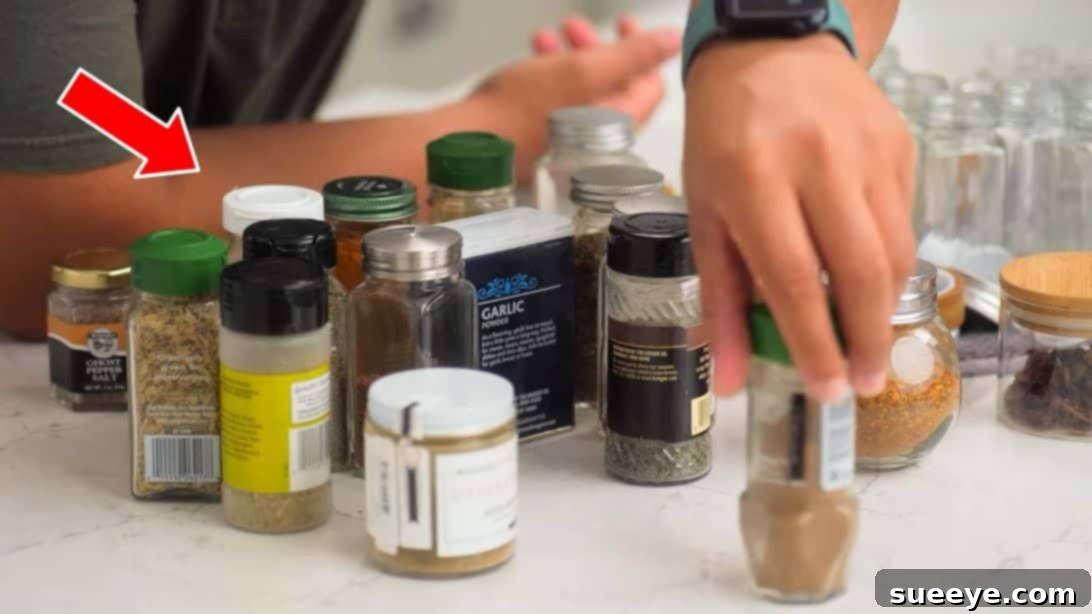
Spices are the soul of cooking. They don’t just add flavor; they transform simple ingredients into culinary masterpieces, telling stories of global cuisines and personal traditions. A well-stocked spice collection is a treasure for any home cook, capable of elevating everyday meals to extraordinary feasts. However, this collection can quickly become a source of frustration rather than inspiration when disorganization strikes. Jumbled jars, hard-to-reach bottles, and forgotten expiration dates are common culprits that can turn your kitchen countertop or pantry into a chaotic mess.
If you’ve ever found yourself rummaging through a cluttered cabinet, desperately searching for that elusive pinch of cumin, or accidentally knocking over a tower of spice jars, you’re not alone. The constant struggle to keep spices neat, accessible, and fresh is a universal kitchen dilemma. But what if we told you there are ingenious, practical solutions that can bring order and efficiency to your spice storage? We’ve gathered some of the most effective strategies, inspired by the brilliant minds at Problem Solved on YouTube, to help you reclaim your kitchen space and revolutionize the way you interact with your spices.
Before diving into the organization hacks, let’s address a common concern: what to do with spices nearing their expiration date. It’s important to remember that spices typically don’t “spoil” in the same way fresh food does; rather, they gradually lose their potency and vibrant flavor over time. This means that an “expired” spice might still be perfectly safe to consume, just less impactful in your dishes. Instead of tossing them out, consider these creative ways to give them a second life, ensuring nothing goes to waste:
- Simmer Pots: Combine old cinnamon sticks, whole cloves, dried orange peels, and star anise in a pot of water on the stove. Let it simmer gently to fill your home with a delightful, natural fragrance, perfect for any season.
- Potpourri: Mix dried spices with dried flowers, herbs, and essential oils to create custom potpourri blends. Place them in decorative bowls or sachets around your home for a lasting aroma.
- Homemade Candles: Infuse melted wax with ground spices or embed whole spices (like cloves or peppercorns) into the wax for aromatic and visually appealing candles.
- Artisan Soaps: Incorporate finely ground spices (such as turmeric for color or cinnamon for a gentle exfoliant) into homemade soap recipes for unique textures and scents.
- Plant Care: Certain spices, like cinnamon, have natural antifungal properties. A light dusting on seedlings can help prevent damping-off disease, and sprinkled around plants, it can deter common pests.
These innovative uses ensure that even older spices continue to serve a purpose, extending their utility beyond the kitchen. Now, let’s unlock the secrets to a perfectly organized spice collection, turning your chaotic cabinet into a well-ordered culinary command center.
Mastering Spice Organization: Essential Strategies for Every Kitchen
An organized spice collection not only enhances the aesthetic appeal of your kitchen but also significantly improves your cooking efficiency. No more last-minute scrambles or forgotten ingredients. Here’s a detailed look at fundamental strategies to bring order to your spices and optimize your kitchen workflow.
1. Utilize Vertical Space with Tiered Organizers
One of the most underutilized assets in any kitchen cabinet or pantry is vertical space. Most standard shelves leave significant empty areas above your spice jars, leading to wasted potential. Tiered organizers are game-changers, transforming flat surfaces into multi-level storage solutions that keep every jar visible and accessible. These innovative tools come in various forms to suit different needs and spaces:
- Expandable Shelf Risers: Ideal for adapting to different cabinet widths, these risers create elevated platforms for back-row spices, making them easy to spot.
- Pull-Down Spice Racks: For upper cabinets, these ingenious systems can be pulled down and out, bringing spices from high shelves to eye level with minimal effort.
- Wall-Mounted Spice Racks: Free up valuable cabinet or drawer space by affixing racks to an empty wall, the inside of a pantry door, or even the side of a refrigerator. They offer instant visibility and access.
- Drawer Spice Racks: These inserts lie flat inside a drawer, angling the bottles so you can easily read labels from above, creating a neat and efficient display.
By effectively utilizing vertical space, you can double or even triple your storage capacity, ensuring that no spice is ever hidden from view again and making your kitchen more functional.
2. Optimize Higher Shelves with Bins and Turntables
Upper cabinets and deep pantry shelves often become black holes for items pushed to the back, especially smaller items like spice jars. Combat this challenge by implementing smart storage solutions that enhance accessibility:
- Storage Bins and Baskets: Group your spices into sturdy bins or clear baskets. Instead of reaching blindly for individual jars, you can simply pull out the entire bin, select your desired spice, and slide the bin back in. Opt for bins with built-in handles for easier retrieval. Clear bins are particularly useful as they allow you to see the contents at a glance without having to pull them out entirely. Labeling the front of each bin (e.g., “Baking Spices,” “Indian Cuisine,” “Everyday Seasonings”) adds another layer of organization and speeds up meal prep.
- Turntables (Lazy Susans): These rotating platforms are ideal for corner cabinets or deep shelves, making every spice accessible with a simple spin. They eliminate the need to reach or rearrange jars at the back. Turntables come in various sizes and materials, including plastic, bamboo, and metal. Consider a two-tiered turntable for even greater vertical efficiency, perfect for grouping frequently used spices or categories of spices.
Combining these methods can revolutionize accessibility, making those tricky high spots incredibly efficient and preventing forgotten spices.
3. Group Spices by Type or Cuisine
While alphabetical order might seem logical, organizing spices by type, cuisine, or frequency of use often proves far more practical and intuitive in a bustling kitchen. Think about how you cook and what makes the most sense for your culinary habits:
- Baking Essentials: Keep cinnamon, nutmeg, cloves, allspice, ginger, and vanilla extract together. When you’re baking, all your necessary spices are in one grab-and-go location, streamlining your process.
- Everyday Savory Spices: Garlic powder, onion powder, salt, pepper, paprika, oregano, and basil are frequently used in daily cooking. Grouping these ensures they are always within easy reach for quick seasoning.
- International Cuisine Kits: Create dedicated sections for “Indian Spices” (curry powder, turmeric, cumin, coriander), “Mexican Spices” (chili powder, cumin, oregano, cayenne), or “Italian Herbs” (basil, oregano, thyme, rosemary). This streamlines meal prep when you’re focusing on a particular culinary theme, eliminating the need to hunt for individual spices.
- Grilling/BBQ Rubs: If you’re a grill master, dedicate a space for your favorite rubs and blends, keeping them separate from your everyday cooking spices.
This intuitive grouping method aligns with your cooking habits, drastically reducing search time and enhancing your kitchen workflow, making cooking a more fluid and enjoyable experience.
4. Prolong Their Shelf Life: Smart Storage Practices
The flavor and potency of your spices are directly impacted by how they are stored. Heat, light, and air are their worst enemies, degrading their essential oils and diminishing their vibrant characteristics. To maximize their shelf life and ensure your dishes are always bursting with flavor, adopt these smart storage practices:
- Cool and Dark Place: Store spices away from direct sunlight, windows, and active heat sources like the stove, oven, or dishwasher. A pantry, a dedicated spice cabinet, or a dark drawer are ideal locations as they maintain a consistent, cool temperature.
- Airtight Containers: Transfer spices from their original packaging (especially if they come in bags) into airtight jars or tins. This crucial step protects them from moisture and oxidation, which can cause them to lose flavor rapidly, clump, or even spoil. Glass jars with tight-fitting lids are excellent choices, but opaque containers can offer even better protection from light.
- Avoid Refrigeration (Mostly): While some might think refrigeration extends shelf life, it’s generally unnecessary for most dried spices and can even introduce moisture, leading to clumping or mold growth. The exception might be chili powder or paprika, which retain color better when chilled, but proper airtight storage in a cool, dark pantry is usually sufficient.
By following these guidelines, you’ll ensure your spices remain at their peak potency for as long as possible, delivering maximum flavor to every dish.
5. Drawer Inserts for Seamless Access
If you have available drawer space, organizing spices within a drawer can be incredibly efficient and aesthetically pleasing. Storing spices horizontally in a drawer keeps them away from light and heat, while specialized inserts ensure they’re always visible and easy to grab.
- Angled Spice Drawer Inserts: These are custom-designed to hold spice jars at an angle, allowing you to read the labels on the caps or sides without having to lift each individual jar. They create a beautifully organized display and make finding what you need effortless.
- Adjustable Drawer Dividers: If you prefer to store jars upright or have varying sizes, adjustable dividers can create custom compartments within your drawer, preventing jars from rolling around and keeping them neatly separated.
- Repurpose Other Organizers: Don’t limit yourself to specific spice inserts. Makeup organizers with small compartments, utensil organizers, or even expandable desk drawer organizers can be cleverly repurposed to fit your spice jars, offering flexible and budget-friendly solutions.
The key is to select a drawer that is easily accessible while you’re cooking, ideally near your prep area or stovetop, to minimize movement and maximize efficiency in your kitchen.
6. Storing Upright: The Importance of Top Labeling
For those who store their spices upright in cabinets or on open shelves, visibility is paramount. It’s frustrating to pull out multiple jars just to identify the right spice, wasting valuable time during meal preparation. The simplest yet most effective solution is to label the tops of your spice jars clearly and consistently.
- Clear, Legible Labels: Use permanent markers, pre-printed sticker labels, or even a label maker to clearly write the full name of each spice on the lid. Consider using abbreviations for longer names if space is limited (e.g., “G. Pwd” for Garlic Powder) to maintain readability.
- Uniform Containers: While not strictly necessary, transferring spices into uniform containers (same size and shape) significantly enhances the neatness and overall visual appeal of an upright collection. This also makes labeling the tops much more consistent and aesthetically pleasing.
- Color-Coding: For an extra layer of organization and quick identification, you can color-code your lid labels by category (e.g., green for herbs, red for chili powders, blue for baking spices). This creates an instant visual cue for finding specific types of spices.
This simple yet powerful hack prevents endless searching and keeps your cooking flow uninterrupted, allowing you to focus on the joy of creating delicious meals.
7. Small, Uniform Bottle Containers for Space Efficiency
When drawer or cabinet space is at a premium, uniformity becomes your best friend. Transferring spices into small, identical bottle containers is a brilliant strategy for maximizing storage density and creating a cohesive, tidy look that is both functional and aesthetically pleasing.
- Standardize Your Jars: Invest in a set of uniform spice jars. Glass jars with metal or plastic lids are popular choices, as they create a visually appealing and organized system where every jar fits neatly beside the next, eliminating wasted space.
- Comprehensive Labeling: When transferring spices, it’s crucial to label each new jar meticulously. Write the name of the spice clearly on the front or top. More importantly, add the expiration date (or the date you filled the jar) to the bottom of the jar. This “bottom label” is invaluable for inventory management and ensuring you use spices at their peak potency.
- Buy in Bulk, Store Smart: If you buy spices in bulk to save money, keep the larger quantities in airtight bags or containers in a cool, dark pantry or a less-frequented cabinet. Refill your smaller, uniform jars as needed. This frees up precious prime kitchen space while keeping your bulk supply fresh and reducing clutter.
This method not only looks professional but also allows you to fit significantly more spices into a smaller footprint, making the most of your available storage.
Beyond the Basics: More Genius Hacks for a Perfectly Organized Spice Cabinet
To truly elevate your spice organization game, consider these additional clever strategies that go beyond the foundational tips. These hacks will help you maintain an efficient, fresh, and beautiful spice collection with minimal effort.
8. The “First In, First Out” (FIFO) Principle
Apply this restaurant industry standard to your spices for optimal freshness and minimal waste. When you purchase new spices, place them behind older ones of the same type. This ensures that you use the older spices first, preventing them from losing potency and saving you money by reducing spoilage. This might require a quick rearrangement when restocking but pays off in the long run.
9. Magnetic Spice Racks
If you’re short on countertop or cabinet space, magnetic spice racks offer an innovative and highly visible solution. You can attach magnetic jars to the side of your refrigerator, a metal backsplash, or even a magnetic board mounted on an empty wall. This keeps spices highly visible, incredibly accessible, and frees up other valuable storage areas. Just ensure the magnetic seal is strong enough and the jars are airtight to maintain freshness.
10. DIY Spice Rack Solutions
Feeling crafty? Many ingenious spice organization solutions can be created with simple DIY projects. From repurposing old crates or drawers into custom shelves to building a slim, pull-out spice rack for that awkward gap beside your fridge, the possibilities are endless. Websites like Pinterest and YouTube are brimming with tutorials that cater to various skill levels and kitchen layouts, allowing you to create a personalized system.
11. Keep a Master Inventory List
For larger spice collections or those who buy in bulk, maintaining a simple inventory list can be incredibly helpful. Whether it’s a digital spreadsheet, a note on your phone, or a handwritten list taped inside a cabinet door, tracking what you have, where it’s stored, and its approximate purchase/expiration date can prevent duplicate purchases, ensure you’re always stocked with essentials, and help you plan your shopping efficiently.
12. Create a Dedicated “Spice Zone”
Designate a specific area in your kitchen solely for spices. Whether it’s a particular cabinet, a set of drawers, or a section of your pantry, having a clear “spice zone” helps contain the collection and prevents it from migrating to various parts of the kitchen, which can lead to disorganization and frustration. A dedicated zone makes it easy to find everything you need in one place.
13. Regular Decluttering and Cleaning
Even the best organization system benefits from periodic maintenance. Schedule a quick decluttering and cleaning session every few months. Check expiration dates, consolidate nearly empty jars into one, wipe down shelves, and give your spice jars a quick clean. This keeps your system fresh, functional, and free from dusty accumulation, ensuring your spices are always clean and ready for use.
14. Travel-Sized Spice Kits
For cooks who like to bring their culinary magic on the go (camping trips, picnics, vacation rentals, or even to a friend’s house), consider creating a small, portable spice kit. Use mini containers or a dedicated travel case to pack essential spices. This keeps your main collection intact while providing convenience for your culinary adventures away from home.
15. Consider the “Spice Mill” Approach
For certain whole spices (like peppercorns, coriander seeds, or cumin seeds), investing in small, individual grinders or mills can be a game-changer. Grinding spices fresh releases a far more intense aroma and flavor than using pre-ground versions, significantly enhancing your dishes. Store the whole spices in airtight containers and grind only what you need, when you need it. This not only optimizes flavor but also simplifies storage by reducing the number of ground spice jars needed.
With these comprehensive strategies, from maximizing vertical space to ingenious labeling and creative repurposing, you’re well-equipped to transform your spice cabinet from a source of clutter into a beacon of culinary efficiency. An organized spice collection isn’t just about neatness; it’s about making cooking more enjoyable, more efficient, and ultimately, more flavorful. Embrace these hacks, personalize them to fit your kitchen and cooking style, and rediscover the joy of having every essential spice at your fingertips. Happy cooking!