
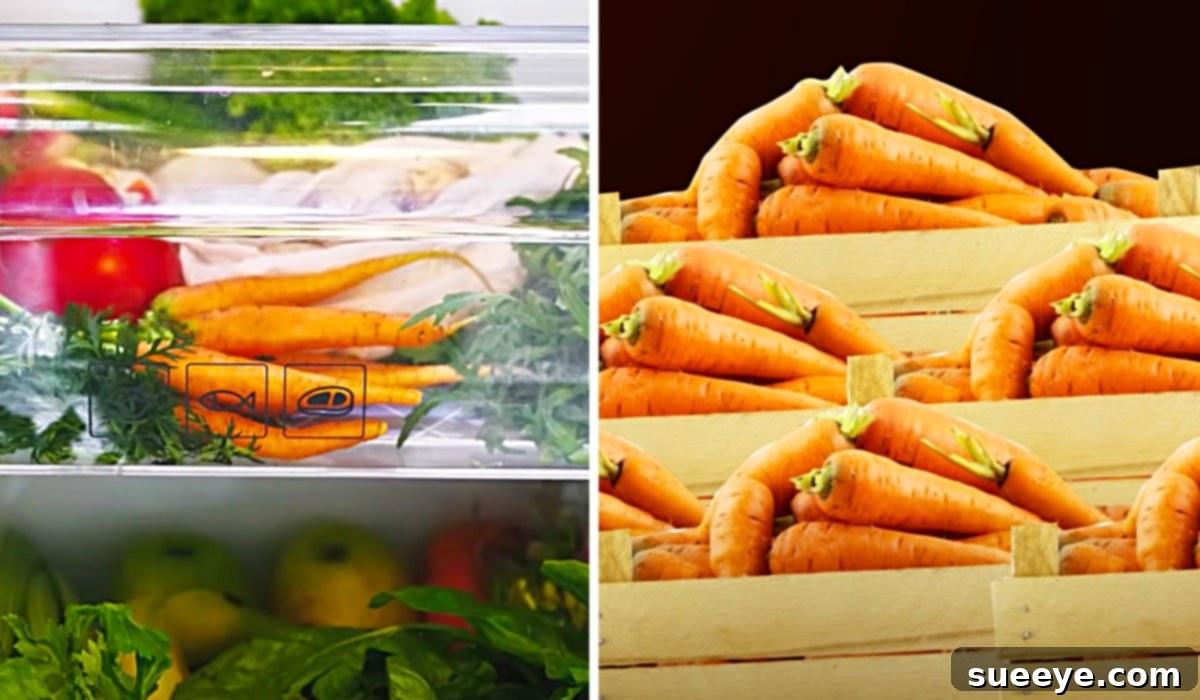
Mastering Food Storage: Essential Tips to Extend Shelf Life and Reduce Waste
Did you know that a staggering amount of the food we buy never even makes it to our plates? Studies show that up to 40% of food purchased in many households is tragically thrown away. This isn’t just a waste of money; it’s also a significant drain on environmental resources, contributing to landfill waste and greenhouse gas emissions. Imagine the impact we could make if we just learned how to keep our food fresher for longer!
The good news is that reducing food waste in your home is entirely achievable with a few simple, smart storage strategies. Inspired by incredibly helpful resources, such as this insightful video by Bright Side on YouTube, we’ve put together a comprehensive guide designed to empower you. By mastering proper food storage, you can dramatically extend the life of your groceries, preserve their delicious flavor and vital nutrients, and significantly shrink your household’s waste footprint. Get ready to transform your kitchen into a haven of lasting freshness!
Understanding the Basics: Why Food Spoils and How to Prevent It
Food spoilage is a natural process influenced by several factors: temperature, humidity, light exposure, and even the gases released by certain fruits and vegetables. When these conditions are not optimized, food can ripen too quickly, dehydrate, grow mold, or lose its desirable texture and taste. Our goal is to create ideal storage environments that slow down these processes, ensuring your ingredients remain at their peak for as long as possible.
Let’s dive into practical, item-specific tips that will help you revolutionize your grocery management and unlock unprecedented freshness.
1. Potatoes: The Goldilocks Zone for Spud Storage

Many home cooks mistakenly store potatoes in the refrigerator, believing it will extend their life. However, cold temperatures are surprisingly detrimental to potatoes. The chill causes the starch within potatoes to convert rapidly into sugar, resulting in an unpleasantly sweet taste and a grainy texture when cooked. It can also accelerate sprouting and lead to premature discoloration.
For optimal freshness, potatoes require a specific environment: **a cool, dark, dry, and well-ventilated space**. A pantry, cellar, or even a breathable basket in a cool cupboard is ideal. Crucially, ensure there is ample air circulation around each potato; overcrowding can trap moisture and hasten spoilage. Avoid storing potatoes in sealed plastic bags, which prevent airflow and encourage moisture buildup. Furthermore, keep them distinctly separate from onions and ripening fruits like apples and bananas, as these release ethylene gas, a natural ripening agent that can trigger early sprouting in potatoes.
2. Tomatoes: Room Temperature for Peak Flavor
Tomatoes are another item frequently mistreated by the refrigerator. While refrigerating them might seem like a logical step to preserve freshness, the cold significantly compromises their delicate flavor and firm texture. The chilly air breaks down the tomato’s cell membranes, making them mealy and robbing them of their vibrant, tangy taste. This process can happen surprisingly quickly, often within a day or two of being in the fridge.
The best place for ripe tomatoes is **on your kitchen counter at room temperature, away from direct sunlight**. For even better preservation, store them stem-side down; this helps seal the tiny hole where the stem was attached, preventing moisture loss and bacterial entry. If your tomatoes are still green, placing them stem-side up on a sunny windowsill can encourage faster ripening. When purchasing, consider buying smaller quantities if you don’t plan to use them immediately, as they ripen quite rapidly. Always store tomatoes away from other fruits and vegetables, especially those known to produce ethylene gas, as this will drastically speed up their own ripening and potentially spoil neighboring produce.
3. Herbs: The Dry Bag Method for Lasting Greenery
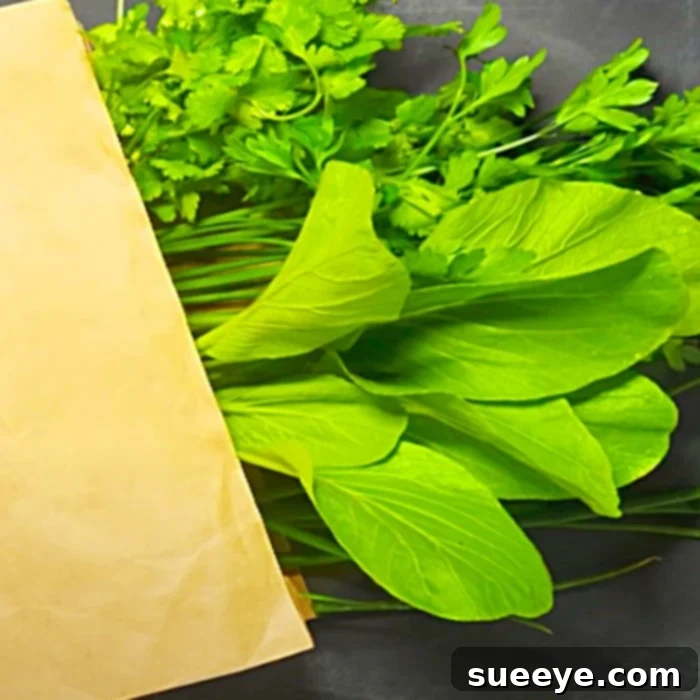
Fresh herbs elevate any meal, but their fleeting freshness can be a frustration. Many resort to keeping them in water or sealing them in plastic, only to find them wilted, slimy, or moldy within days. These methods either provide excessive moisture, encouraging rot, or insufficient air circulation, causing them to “sweat” and spoil prematurely.
For optimal preservation of most soft herbs like parsley, cilantro, and mint, a different strategy is key. Begin by gently washing the herbs, then thoroughly pat them dry with paper towels. Loosely wrap the dried herbs in a slightly damp paper towel, then place this bundle inside a resealable plastic bag or an airtight container, storing it in the refrigerator. For heartier herbs such as rosemary, thyme, and oregano, a drier approach is usually better. Wrap them in a dry paper towel and place them in a plastic bag or container in the fridge. The overarching principle is **moisture management**: enough to prevent desiccation, but not so much as to promote mold growth. As a simple and effective hack, placing herbs (especially dry ones) in a dry paper bag in the refrigerator can effectively absorb excess moisture, keeping them fresh for extended periods.
4. Onions and Garlic: Dry Companions (But Not Too Close)
Like potatoes, onions and garlic thrive in a **cool, dark, and dry environment with excellent air circulation**. A mesh bag, an open basket, or even hanging in a pantry cupboard are ideal solutions. Storing them in the refrigerator is counterproductive; the humidity can cause them to sprout rapidly or develop mold. Similarly, avoid plastic bags, which trap moisture and prevent essential airflow.
While sharing similar environmental preferences with potatoes, it’s generally advisable to store onions and potatoes separately. Onions release ethylene gas, which can accelerate the sprouting of potatoes. Conversely, potatoes can cause onions to spoil faster. Garlic should also be stored with good airflow to prevent premature sprouting and maintain its pungent flavor.
5. Berries: Moisture is the Enemy of Freshness
Berries—strawberries, blueberries, raspberries—are delicate and notoriously prone to mold. Their biggest adversary is moisture. The golden rule for berries is to **never wash them until you are just about to consume them**. Washing introduces moisture that creates a perfect breeding ground for mold spores, leading to rapid spoilage. Upon bringing berries home, carefully inspect and remove any bruised, soft, or moldy berries, as spoilage can spread quickly.
Store unwashed berries in their original vented container, or spread them in a single layer in an airtight container lined with a paper towel, placing them in the refrigerator. The paper towel will absorb any condensation. For an advanced method, some recommend a quick pre-storage rinse in a diluted vinegar solution (one part white vinegar to three parts water), followed by meticulous drying. The vinegar helps eliminate mold spores, but thorough drying is paramount before storing to ensure success.
6. Leafy Greens: Crispy, Never Wilted
Lettuce, spinach, kale, and other leafy greens are notorious for wilting quickly due to moisture loss. To keep them vibrant and crisp, start by thoroughly washing and drying them. A salad spinner is an invaluable tool for this step, ensuring excess water is removed. Once dry, wrap the greens in a paper towel to absorb any residual moisture, then place them in a sealed plastic bag or an airtight container within your refrigerator’s crisper drawer. The paper towel prevents sliminess, while the container maintains a slightly humid environment that prevents dehydration. Regularly changing the paper towel can further extend their crispness and shelf life.
7. Ethylene Gas Producers: Apples, Bananas, and Their Impact
Ethylene gas is a natural plant hormone that triggers and accelerates the ripening process in fruits and vegetables. Some produce items, like apples and bananas, are significant ethylene producers, while others, such as leafy greens, broccoli, and berries, are highly sensitive to it. Understanding this interaction is crucial for strategic storage.
- Bananas: Store ripe bananas on the counter. If they begin to over-ripen, you can separate them and wrap their stems in plastic wrap to slow the process, or peel and freeze them for future smoothies or baking. Avoid storing ripe bananas in the refrigerator unless you are content with blackened skins (the fruit inside will still be edible, but the appearance suffers). Always keep bananas away from other fruits and vegetables, especially those you wish to keep from ripening too quickly.
- Apples: For maximum crispness and longevity, store apples in the refrigerator’s crisper drawer. They can remain fresh for several weeks this way. However, due to their high ethylene production, keep them separated from other produce, particularly vegetables and other fruits sensitive to ripening gases, to prevent premature spoilage of those items.
8. Citrus Fruits: Counter or Fridge?
Oranges, lemons, and limes are quite versatile in their storage needs. They can typically be kept at **room temperature on the counter for approximately one week**. For extended freshness, up to several weeks, transferring them to the refrigerator’s crisper drawer is advisable. The cooler, more humid environment of the fridge helps prevent them from drying out. Citrus fruits are neither strong ethylene producers nor particularly sensitive to it, making them relatively easy to integrate into your storage system.
9. Avocados: Mastering the Ripening Game
Avocados are known for their notoriously short window of perfect ripeness. To accelerate the ripening of a hard, unripe avocado, place it in a paper bag alongside an apple or a banana (both ethylene producers) and leave it at room temperature. To halt the ripening process of an already ripe avocado, simply place it in the refrigerator. To prevent a cut avocado from browning, an oxidative reaction, squeeze fresh lemon or lime juice over the exposed flesh, then store it tightly wrapped in plastic wrap or in an airtight container in the fridge.
10. Root Vegetables (Carrots, Beets, Radishes): Trim and Hydrate
For root vegetables sold with their leafy green tops still attached, such as carrots, beets, and radishes, it is essential to **trim off the green tops immediately upon bringing them home**. The greens continue to draw moisture and nutrients from the root, causing the vegetable to wilt, soften, and lose flavor rapidly. Once trimmed, store the roots in an airtight container or a plastic bag within the refrigerator’s crisper drawer. Including a slightly damp paper towel inside the bag can further help maintain humidity and keep them crisp and firm.
Universal Principles for Extended Freshness
Beyond specific food items, several overarching best practices can guide your entire food storage strategy:
- Know Your Fridge: Understand the purpose of your refrigerator’s crisper drawers. Often, one is designed for high humidity (ideal for leafy greens) and another for low humidity (better for fruits). Using them correctly optimizes freshness.
- Promote Air Circulation: Avoid overpacking your refrigerator or pantry. Good airflow is vital to prevent warm spots and ensure cool air circulates evenly, maintaining consistent temperatures.
- The Power of Airtight: For many items, especially cooked leftovers, cut produce, and opened packages, airtight containers are indispensable. They prevent moisture loss, shield foods from absorbing odors, and significantly reduce the risk of bacterial contamination.
- Keep it Dry (for dry goods): For pantry staples like grains, pasta, nuts, and dried fruits, moisture is the primary enemy. Store these items in airtight containers in a cool, dark, and dry pantry to prevent spoilage and insect infestation.
- First-In, First-Out (FIFO): Implement a rotational system. Always use older groceries before newer ones to ensure nothing expires unseen. Regularly organize your stock.
- Label and Date: This simple habit is crucial for keeping track of perishables, especially items stored in the freezer or opened dry goods. Clearly label containers with the date of storage.
- Washing Wisdom: As a general rule, most fresh produce should not be washed until immediately before you plan to use it. Excess moisture during storage encourages bacterial growth and accelerates spoilage.
- Harness the Freezer: The freezer is an invaluable tool for preventing waste. Many fruits, blanched vegetables, meats, bread, and even cooked meals can be frozen for several months. Always ensure items are properly packaged to prevent freezer burn and maintain quality.
Embracing a Sustainable, Waste-Conscious Kitchen
Adopting these intelligent food storage practices is far more than just a series of kitchen hacks; it’s a mindful step towards a more sustainable and economically savvy lifestyle. By making our groceries last longer, we actively contribute to reducing the immense volume of food waste that burdens our environment and economy. It’s about being a more responsible consumer and maximizing the value and resources embedded in every single item we bring into our homes.
The journey to a less wasteful kitchen begins with small, consistent changes, and proper food storage is arguably one of the most impactful. These methods are truly invaluable, offering tangible benefits that you’ll quickly appreciate. Once you begin implementing them, you’ll likely wonder how you ever managed without such efficient strategies. Here’s to enjoying fresher, more flavorful food, benefiting from a fuller wallet, and contributing to a healthier planet for all!