
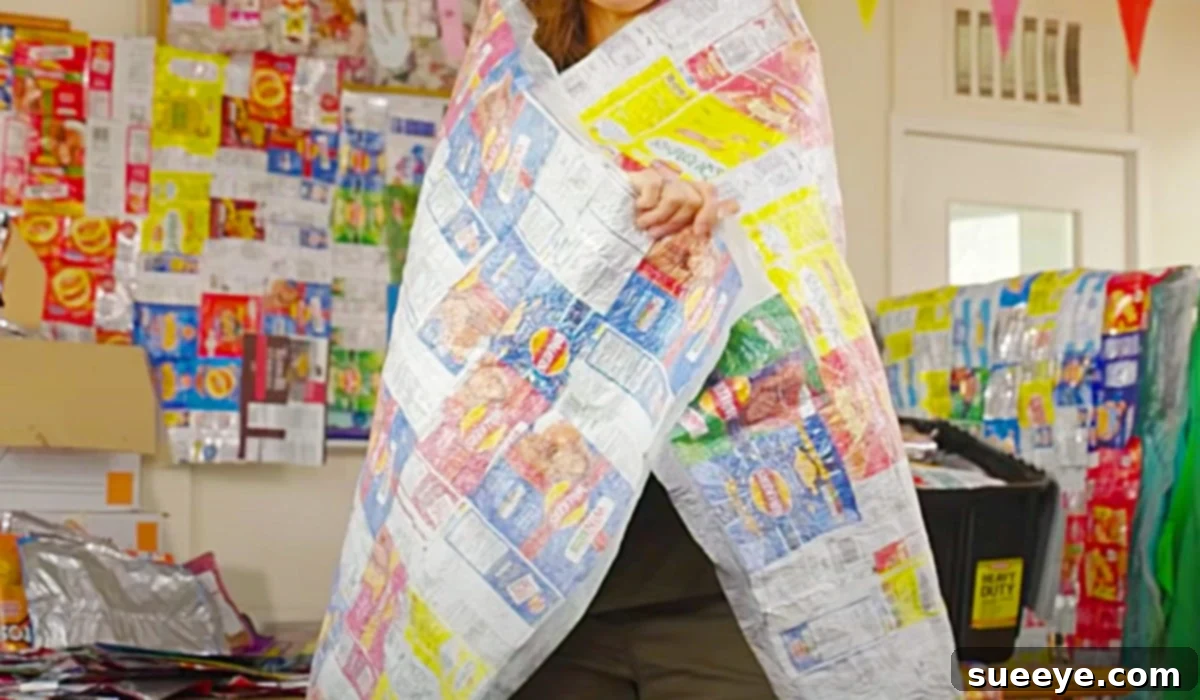
Crisp Packet Sleeping Bag Covers: An Eco-Friendly Solution for Warmth
Imagine a simple act of recycling that transforms everyday waste into a life-saving essential. This powerful concept is at the heart of an inspiring initiative that uses discarded crisp (potato chip) packets to create remarkably insulating sleeping bag covers. When we first discovered this brilliant idea, pioneered by an innovative woman in the UK and shared widely by Truly, on YouTube, we were immediately captivated by its simplicity, ingenuity, and profound potential to help those in need.
The journey began with a compassionate desire to provide warmth and protection for homeless individuals battling the elements. What started as a local effort has blossomed into a widespread movement, with people across England and beyond collecting and contributing their empty crisp packets. These shiny, metallic-lined pouches, often seen as mere trash, are ingeniously fused together to form durable, water-resistant, and surprisingly warm covers for sleeping bags. This innovative approach offers a practical, immediate solution to a critical problem, demonstrating how creativity and community spirit can turn waste into welfare.
But the utility of these recycled sleeping bag covers extends far beyond aiding the homeless. They represent a versatile solution for anyone facing cold conditions. Think about families struggling to afford heating costs, or individuals enduring power outages in harsh weather. These covers can provide crucial insulation and comfort within homes, or even be adapted into unique, weighted blankets, offering warmth and a sense of security. This project isn’t just about recycling; it’s about harnessing the power of simple materials to create significant impact, fostering a spirit of community, and championing sustainable solutions for everyday challenges.
The Urgent Need: Addressing Homelessness and the Battle Against Cold
Homelessness remains a pressing issue in many parts of the world, often exacerbating vulnerability to harsh environmental conditions. For those living on the streets, battling the cold is a constant and perilous struggle. Exposure to low temperatures can lead to severe health complications, including hypothermia, frostbite, and respiratory illnesses. A standard sleeping bag offers a degree of warmth, but it can quickly become damp, lose its insulating properties, and degrade when exposed to the elements, especially rain, wind, and ground moisture.
This is where the crisp packet sleeping bag covers offer a transformative layer of protection. By providing an additional, robust barrier, they shield sleeping bags from moisture, enhance thermal insulation, and significantly extend the lifespan of essential bedding. The metallic lining within crisp packets is designed to keep their contents fresh and protected from light and air. When these packets are fused together, this reflective surface works wonders, trapping body heat and reflecting external cold, much like a survival blanket. This simple yet effective design can make the difference between a restless, dangerous night and one that offers genuine warmth and a measure of safety.
The Ingenious Solution: Crafting Warmth from Waste
The brilliance of using crisp packets lies in their inherent properties. Each packet is typically made of a multi-layered film, often including a metallic or aluminized plastic layer. This layer is an excellent insulator and moisture barrier. When hundreds of these packets are carefully prepared and fused together, they form a cohesive, resilient sheet that mimics many qualities of expensive thermal materials.
The process itself is wonderfully accessible, requiring only basic household items: an iron and some parchment paper. This low barrier to entry means that individuals, families, and community groups can easily participate, turning what would otherwise be landfill waste into valuable resources. Beyond the immediate benefit of warmth for the user, this project also champions environmental sustainability. It diverts a significant volume of non-recyclable plastic waste from landfills, giving it a second, purposeful life. It’s a tangible example of upcycling in action, where creativity transforms waste into a resource, reducing our ecological footprint while simultaneously addressing a critical social need. This dual benefit makes the crisp packet sleeping bag cover project a truly compelling and impactful endeavor.
Gather Your Materials: What You’ll Need
Embarking on this rewarding project requires a few readily available items. The beauty of it is that most of these are either household staples or easily sourced waste products.
- Approximately 300 Crisp (Potato Chip) Packets: This number can vary depending on the desired size of the sleeping bag cover. Start saving them, and encourage friends, family, and local businesses to contribute. Ensure they are thoroughly cleaned and dry.
- A Piece of Parchment Paper: Essential for protecting your iron and ensuring a clean fusion process. Standard baking parchment works perfectly.
- An Iron: A regular household clothes iron is all you need. An older model might be preferable to avoid potential residue on your primary iron.
- Plastic Sheeting: A durable, waterproof plastic sheet (e.g., tarp material, heavy-duty refuse bags, or even thick shower curtains) will serve as the outer protective layer, adding to the cover’s resilience against water and wear.
- Scissors or Craft Knife: For trimming packets and sheeting.
- A Flat, Heat-Resistant Surface: An ironing board or a covered table is ideal for working safely.
Step-by-Step Guide to Crafting Your Insulated Cover
Creating these protective covers is a straightforward process, achievable in stages. Follow these detailed steps to transform your collection of crisp packets into a valuable aid.
Step 1: Prepare Your Crisp Packets
The foundation of a successful sleeping bag cover is clean, dry material. Each crisp packet must be meticulously prepared before fusion. First, open each packet carefully, usually by cutting along one seam. Then, thoroughly rinse the inside of each packet to remove any grease or food residue. This step is crucial, as any leftover oils can prevent proper fusion and attract pests. After rinsing, allow the packets to air dry completely. You can lay them flat or hang them. Ensuring they are bone-dry is essential for a strong, lasting bond during the ironing process. Some people prefer to cut them open fully to create flat sheets, which can make the subsequent steps easier.
Step 2: Begin the Fusion Process
Once your packets are clean and dry, you’re ready to start fusing. Lay a piece of parchment paper on your flat, heat-resistant working surface. Arrange the first layer of crisp packets on top of the parchment paper, overlapping their edges by about 1/4 to 1/2 inch (0.5 to 1 cm). The metallic/shiny side should generally face inwards for maximum heat reflection towards the sleeping bag, but some designs might have the shiny side facing outwards for rain protection. Experiment with a few pieces to determine the optimal iron temperature and overlap for your specific packets, as materials can vary. Place another layer of parchment paper over the packets.
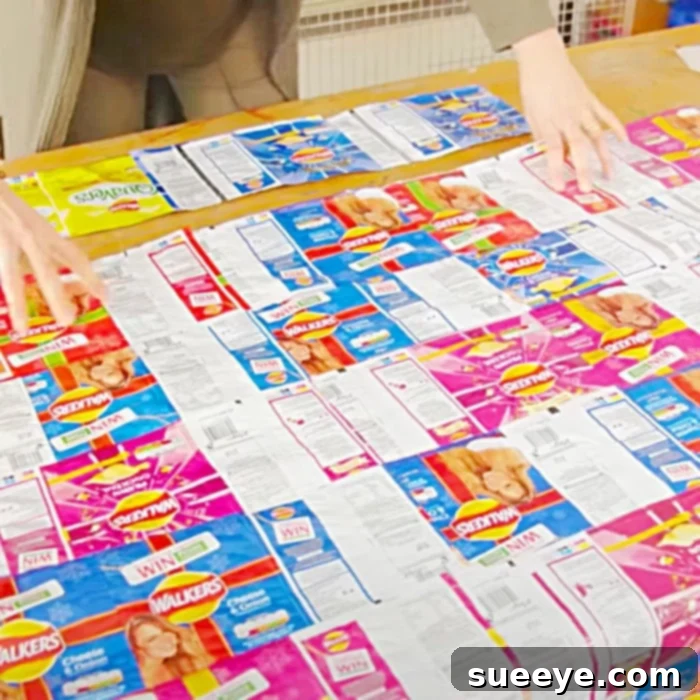
Heat your iron to a medium setting, without steam. Gently press the iron down on the top layer of parchment paper, over the crisp packets, for a few seconds. Lift and check. The goal is to melt the plastic edges just enough for them to fuse together without burning. You’ll observe the packets slightly crinkle and bond. Work systematically across your arrangement, fusing all overlapping edges. This process creates a flat, flexible, and surprisingly strong sheet of recycled material.
Step 3: Create Larger Panels
Once you have fused several smaller sections, you will need to join these sections to create larger panels. Continue the same fusion technique: overlap the edges of your newly formed sheets, place parchment paper above and below, and carefully iron them together. This step requires patience to ensure strong, seamless bonds across the entire surface. Your ultimate goal is to create two large panels of fused crisp packets – one for the top and one for the bottom of the sleeping bag cover. Consider the typical dimensions of a sleeping bag (approximately 75-80 inches long by 30-35 inches wide, or 190-200 cm by 75-90 cm) when sizing your panels.
Step 4: Add the Protective Plastic Sheeting
While the crisp packet layers provide excellent insulation and a degree of water resistance, adding an external layer of plastic sheeting significantly enhances its durability and waterproofing capabilities. This is particularly vital for protecting against rain, snow, and ground dampness when the cover is used outdoors. Lay one of your large crisp packet panels flat. Place the plastic sheeting directly on top of it, ensuring it covers the entire panel and extends slightly beyond the edges.
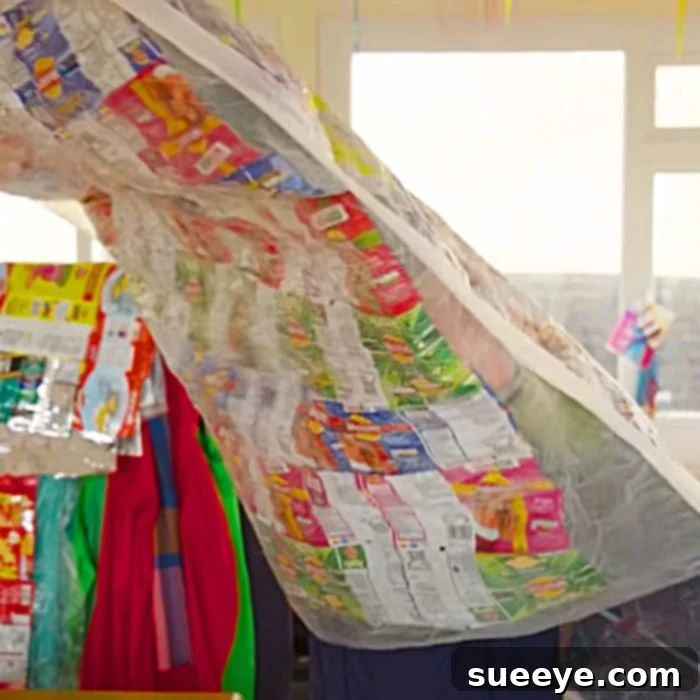
Carefully fuse the plastic sheeting to the crisp packet panel. You can do this by placing parchment paper over the plastic and using the iron on a low-to-medium setting. Be cautious with the temperature, as plastic sheeting can melt much more quickly than the crisp packets. The aim is to create a secure bond around the edges and potentially in a few spots across the surface to prevent the layers from shifting. This creates a strong, weather-resistant outer shell for your sleeping bag cover.
Step 5: Assemble and Finish the Sleeping Bag Cover
Now that you have two robust panels – one for the top and one for the bottom – it’s time to assemble your sleeping bag cover. Lay one panel (with the plastic sheeting facing outwards if you’ve attached it) on your work surface. Place the second panel directly on top, aligning the edges. You can then fuse the long sides and one short end together using the iron and parchment paper method, leaving one short end open to allow for a sleeping bag to be inserted. This forms a large, protective sleeve.
For extra durability and a cleaner finish, you can reinforce the fused seams by adding strips of strong adhesive tape (like duct tape) along the inside or outside of the seams. Ensure all edges are thoroughly sealed to prevent water ingress. If you’re creating a cover for home insulation or a weighted blanket, you might fuse all four sides, creating a sealed pouch. For a weighted blanket, you would fill the pouch with an appropriate, evenly distributed weight (e.g., small pebbles, dried beans, or plastic pellets, sealed in smaller internal pouches to prevent shifting) before sealing the final edge. The final product is a testament to resourceful thinking and practical application, offering warmth and protection in challenging conditions.
Beyond Homelessness: Versatile Uses for Crisp Packet Insulation
While the primary inspiration for these crisp packet covers is to aid the homeless, their incredible insulating properties and durability make them suitable for a variety of other applications. This project showcases the versatility of upcycled materials and DIY solutions.
Saving on Heating Costs: Internal Home Insulation
In an era of rising energy prices, many households seek innovative ways to reduce heating bills. Crisp packet blankets can be an effective, low-cost solution for improving internal home insulation. They can be placed against drafty windows, used as a lining for thin curtains, or even laid under rugs in cold rooms to provide an additional thermal barrier against cold floors. For those who cannot afford to heat their homes adequately, these blankets offer a crucial layer of warmth, trapping existing heat and preventing cold from seeping in.
Emergency Preparedness and Camping
The lightweight yet insulating nature of these covers makes them ideal for emergency kits. During power outages, natural disasters, or unexpected cold snaps, having access to an extra layer of warmth can be vital. Campers and hikers can also benefit from these DIY covers, using them as ground mats for added insulation, as an outer shell for sleeping bags to protect against morning dew, or even as improvised shelters in a pinch. Their water-resistant qualities are particularly advantageous in outdoor settings.
Weighted Blankets for Comfort and Security
As mentioned in the original inspiration, crisp packet blankets can be adapted into weighted blankets. While the packets themselves don’t provide weight, the robust, insulated pouches created from them can serve as the exterior casing for traditional weighted blanket fillings. Weighted blankets are known for their calming effects, helping to reduce anxiety and improve sleep quality. Creating the outer shell from recycled materials adds an eco-friendly dimension to a product valued for its therapeutic benefits.
A Community Effort: Making a Real Difference
The success and expansion of the crisp packet sleeping bag cover initiative highlight the immense power of community involvement. This project is not just about individual crafting; it’s a testament to what can be achieved when people unite for a common cause. Local collection points can be established in schools, community centers, and workplaces, making it easy for everyone to contribute their used crisp packets. Workshops can be organized to teach the fusion technique, bringing people together, fostering new skills, and building a sense of collective purpose.
The visual impact of seeing hundreds of discarded packets transformed into something so useful is a powerful motivator. It educates communities about the potential of waste and encourages a more mindful approach to consumption and disposal. Moreover, it provides a tangible way for individuals to directly impact the lives of vulnerable people. Donating time, materials, or finished covers creates a direct link between community generosity and comfort for those facing hardship, embodying the spirit of active citizenship and compassion.
Join the Movement: Start Saving Today!
Inspired by this ingenious solution? We encourage you to join the growing movement! Start saving your empty crisp packets, encourage your friends and family to do the same, and consider organizing a collection drive in your local area. The materials are free, the process is straightforward, and the impact is profound. Every packet saved is a step towards reducing waste and providing warmth and protection to someone who desperately needs it.
This project reminds us that innovation doesn’t always require advanced technology; sometimes, it simply needs a creative spark and a willingness to look at common materials in a new light. Let’s contribute to a world where waste becomes a resource for good, and where simple acts of kindness can make an extraordinary difference in the lives of many. This truly is a brilliant idea, and we’re so glad it’s gaining the recognition it deserves!