
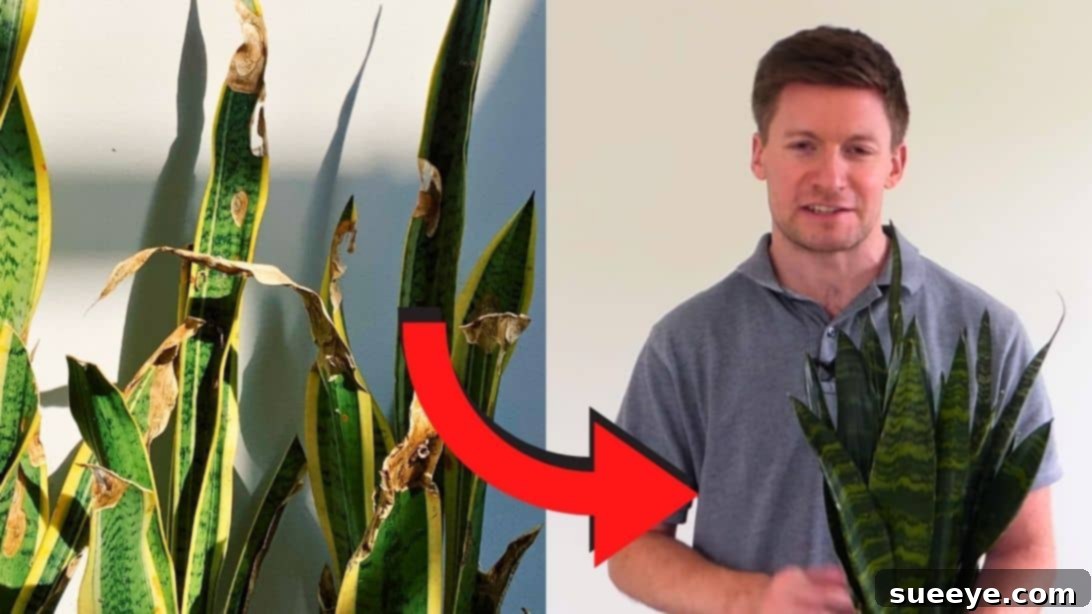
Revive Your Snake Plant: A Comprehensive Guide to Saving Your Sansevieria
Snake plants, scientifically known as Sansevieria trifasciata or more recently Dracaena trifasciata, are celebrated for their striking upright foliage and incredible resilience. They are a staple in homes and offices worldwide, not just for their aesthetic appeal but also for their remarkable health benefits. Did you know these botanical wonders are championed for their ability to purify indoor air, releasing oxygen even at night and filtering out common toxins like formaldehyde, benzene, and trichloroethylene? This makes them an excellent choice for improving air quality, especially beneficial for individuals with allergies or asthma. It’s no wonder they consistently rank among the highest oxygen-producing plants!
These impressive qualities are just a few reasons why snake plants hold a special place in the hearts of plant enthusiasts. However, despite their reputation as ‘unkillable,’ even the hardiest snake plant can face challenges. I vividly recall the initial excitement of owning my first snake plant, only to watch its vibrant green leaves slowly turn brown, one after another. My mother’s simple yet pointed question, “Is your snake plant dying?” was a turning point. It prompted me to delve deeper into proper care, realizing that even low-maintenance plants require a fundamental understanding of their needs. If you’re experiencing similar struggles, fret not! This comprehensive guide will equip you with essential tips and tricks to diagnose, treat, and prevent common issues, ensuring your snake plant not only survives but thrives. Let’s embark on this journey to transform your struggling snake plant into a lush, healthy specimen.
Understanding Your Snake Plant: Why They Are So Popular
Before diving into rescue missions, it’s helpful to appreciate why snake plants have earned their status as beloved houseplants. Their popularity stems from a perfect blend of aesthetic versatility and practical benefits:
- Unmatched Air Purification: Beyond just oxygen production, snake plants are recognized by NASA’s Clean Air Study for their efficiency in removing airborne toxins, contributing to a healthier indoor environment.
- Exceptional Drought Tolerance: Hailing from arid regions of West Africa, these plants are perfectly adapted to withstand long periods without water, making them ideal for busy individuals or those new to plant care.
- Low Light Adaptability: While they prefer bright, indirect light, snake plants can tolerate a wide range of light conditions, even low-light environments, making them suitable for almost any room in your home or office.
- Striking Aesthetics: With their sword-like, variegated leaves, snake plants add a touch of modern elegance and architectural interest to any decor.
- Minimal Maintenance: Their general hardiness and infrequent watering needs make them a ‘set it and forget it’ plant, reducing the time and effort required for upkeep.
Despite these forgiving traits, understanding their basic needs is crucial to prevent common pitfalls that lead to their decline. The good news is that most issues are easily identifiable and correctable.
Decoding the Signals: Is Your Snake Plant in Distress?
A healthy snake plant typically boasts firm, upright leaves that are uniformly green or exhibit vibrant variegation, depending on the variety. Its growth will be steady, and the base will feel stable. When a snake plant is struggling, it often sends clear signals through changes in its appearance. Learning to recognize these symptoms early is key to successful intervention:
- Yellowing Leaves: Often one of the first signs of distress, yellow leaves can indicate various issues, most commonly overwatering or nutrient deficiencies.
- Brown Tips or Edges: This can suggest underwatering, low humidity (though snake plants are tolerant), or sometimes chemical burn from over-fertilization.
- Soft, Mushy Leaves or Base: A critical red flag, this almost always points to severe overwatering and potential root rot. The leaves may feel soft and squishy to the touch, and the base might appear waterlogged and emit an unpleasant odor.
- Drooping or Leaning Leaves: While snake plant leaves are naturally upright, drooping or a general lack of rigidity can signal root problems, either from rot or severe dehydration.
- Stunted Growth or Lack of New Leaves: If your plant hasn’t produced new growth in a long time, it could be a sign of insufficient light, nutrient deficiency, or a root-bound condition.
- Visible Pests: Small insects, sticky residue, or fine webbing on the leaves are undeniable signs of a pest infestation.
Observing these changes diligently will help you pinpoint the underlying problem and take appropriate action.
Top 3 Critical Reasons Your Snake Plant Might Be Struggling
Most snake plant problems boil down to a few core environmental factors. Addressing these correctly can reverse the damage and set your plant on the path to recovery.
1. Overwatering: The Silent Killer of Snake Plants
Paradoxically, the most common reason snake plants die is not neglect but excessive care, specifically overwatering. As desert plants, their root systems are not designed to sit in continuously moist soil. This leads to a critical condition known as root rot.
Understanding Root Rot
Root rot occurs when the roots of your snake plant are deprived of oxygen due to waterlogged soil. Anaerobic bacteria and fungi thrive in these conditions, attacking and decaying the roots. Once the roots are compromised, they can no longer absorb water or nutrients, effectively starving the plant even when it’s surrounded by moisture. The affected roots become mushy, brown or black, and often emit a foul odor. This damage quickly spreads upwards, leading to mushy leaves and ultimately, the demise of the plant.
Symptoms of Overwatering
- Yellowing and softening of leaves, particularly at the base.
- Mushy or squishy stems and leaves.
- A foul, earthy smell coming from the soil.
- Leaves developing brown or black spots.
- The soil staying wet for extended periods after watering.
Prevention is Key
Preventing overwatering is straightforward once you understand the plant’s needs:
- Thorough Soil Check: Always allow the potting medium to dry out completely between waterings. You can check the soil moisture by inserting your finger about 2-3 inches deep into the soil. If it feels moist, wait. Alternatively, use a wooden skewer or chopstick; if it comes out with soil clinging to it, the soil is still wet. Another method is to lift the pot; a dry pot will be significantly lighter than a wet one.
- Proper Drainage: Ensure your pot has adequate drainage holes at the bottom. Never let your snake plant sit in standing water. If using a decorative pot without drainage, place the plant in a nursery pot inside it and remove any excess water after watering.
- Appropriate Potting Mix: Use a well-draining potting mix, ideally one formulated for succulents and cacti, which contains perlite, sand, or other materials that enhance drainage.
- Watering Frequency Based on Season: Snake plants require significantly less water during the cooler, darker winter months when their growth slows down. Adjust your watering schedule accordingly – you might water once every 4-6 weeks in winter, compared to every 2-3 weeks in summer.
Rescue Steps for Overwatered Snake Plants:
If you suspect overwatering and root rot, act quickly:
- Unpot the Plant: Carefully remove the snake plant from its pot. Gently shake off as much old soil as possible.
- Inspect the Roots: Examine the roots. Healthy roots are firm and white or yellowish. Rotten roots will appear brown, black, mushy, or stringy.
- Trim Damaged Roots: Using sterile scissors or a knife, cut away all affected roots. Make sure to cut back to healthy tissue.
- Remove Damaged Leaves: Cut off any soft, mushy, or severely yellowed leaves, as they are unlikely to recover and can be a source of further rot.
- Repot with Fresh Soil: Repot the plant into a clean pot (or sterilize the old one) with fresh, well-draining succulent/cactus potting mix. Consider using an unglazed terracotta pot, which allows for better air circulation and moisture evaporation.
- Delay Watering: Do not water immediately after repotting. Allow the plant a few days to recover from the stress and for any cut surfaces to callus over, reducing the risk of further infection.
2. Temperature Extremes: Too Cold for Comfort
Snake plants are native to warm, tropical regions, making them highly susceptible to cold stress. While they are resilient, they are not frost-tolerant and struggle significantly in temperatures below their ideal range.
Symptoms of Cold Damage
Exposure to cold temperatures, especially below 50°F (10°C), can cause irreversible damage:
- Leaves develop soft, water-soaked brown or black spots.
- The entire plant might appear mushy and wilted.
- Stunted growth or a sudden cessation of new growth.
- In severe cases, the plant may collapse entirely.
Prevention is Key
Protecting your snake plant from temperature stress is vital for its health:
- Ideal Temperature Range: Maintain indoor temperatures between 65-80°F (18-27°C). This range mimics their natural habitat.
- Avoid Drafts: Keep your snake plant away from cold drafts from windows, air conditioning vents, or exterior doors, especially during colder months.
- Outdoor Placement: If you move your snake plants outdoors for the summer, always bring them back inside well before nighttime temperatures consistently drop below 50°F (10°C). Even a single cold night can be detrimental.
- Winter Care: Ensure your plant is not placed directly on cold surfaces like stone floors without a barrier.
Rescue Steps for Cold-Shocked Snake Plants:
If your snake plant has been exposed to cold:
- Move Immediately: Relocate the plant to a warmer, stable environment with indirect light.
- Assess Damage: Wait a few days to see which parts of the plant are truly damaged. Cold damage can sometimes take a little time to fully manifest.
- Trim Damaged Foliage: Use sterile scissors to carefully remove any mushy, discolored, or severely affected leaves. These parts will not recover.
- Provide Stability: Avoid overwatering while the plant is recovering, as its ability to absorb water might be compromised. Allow the soil to dry out thoroughly.
3. Pest Infestations: Tiny Invaders, Big Problems
While snake plants are generally hardy, they are not entirely immune to pests. A pest infestation, if left unchecked, can weaken your plant, leading to stunted growth, yellowing leaves, and a general decline in health.
Common Pests and Their Symptoms
- Mealybugs: These appear as small, white, cottony masses, often found in the crevices of leaves or where leaves join the stem. They feed on plant sap, causing yellowing, distorted growth, and sometimes a sticky residue called honeydew.
- Scale Insects: Scale insects look like tiny, immobile bumps (brown, black, or white) on the surface of leaves and stems. They also feed on sap, leading to yellowing, stunted growth, and honeydew production.
- Spider Mites: These are microscopic pests, making them difficult to spot directly. Their presence is usually indicated by very fine, delicate webbing between leaves or along stems, and tiny yellow or brown stippling (dots) on the leaves. They cause leaves to look dull, stippled, or bronzed.
- Fungus Gnats: While the adult gnats are more of an annoyance, their larvae live in moist soil and can feed on fine root hairs, especially in overwatered plants. This can exacerbate root rot issues.
Prevention and Early Detection
- Regular Inspection: Make it a habit to inspect your snake plant’s leaves (top and bottom) and stems regularly, especially when watering. Early detection makes treatment much easier.
- Quarantine New Plants: Always isolate new plants for a few weeks before introducing them to your existing collection to ensure they are pest-free.
- Keep Leaves Clean: Periodically wipe down your snake plant’s leaves with a damp cloth to remove dust, which also helps dislodge minor pest populations.
Rescue Steps for Pest-Infested Snake Plants:
Immediate action is crucial when pests are identified:
- Isolate the Plant: Move the infested plant away from other houseplants to prevent the spread of pests.
- Manual Removal: For mealybugs and scale, you can often manually remove them with a cotton swab dipped in rubbing alcohol (isopropyl alcohol). The alcohol dissolves their waxy coating. For scale, you might need to gently scrape them off.
- Hosing Down: For spider mites and mild infestations, take the plant to a shower or sink and thoroughly rinse the leaves (top and bottom) with a gentle spray of water. This physically dislodges many pests.
- Insecticidal Soap or Neem Oil: For more persistent infestations, apply an insecticidal soap or neem oil solution according to product instructions. These are natural and effective against a range of pests. Ensure full coverage of all plant surfaces.
- Repeat Treatment: Pests often have life cycles that require repeated treatments to catch newly hatched individuals. Follow the recommended treatment schedule, usually every 5-7 days for several weeks.
For more detailed visual guidance on addressing common snake plant issues, you might find this resource helpful: Smart Garden Guide – Snake Plant Dying Tips
Beyond the Big Three: Other Common Issues and Solutions
While overwatering, temperature, and pests are the most frequent culprits, other factors can also contribute to a struggling snake plant:
Underwatering (Less Common but Possible)
While snake plants are drought-tolerant, prolonged neglect can lead to severe underwatering. Symptoms include dry, crispy leaf tips or entire leaves turning brown and shriveling. The soil will be extremely dry and pull away from the pot edges. To remedy this, give your plant a thorough soak until water drains from the bottom, then resume a normal watering schedule, allowing the soil to dry out between waterings.
Light Problems: Too Much or Too Little
- Too Little Light: Although snake plants tolerate low light, prolonged periods in dim conditions can lead to duller leaf colors, leggy growth (etiolation), and a general lack of vigor. Move your plant to a brighter spot with indirect light.
- Too Much Direct Sun: Direct, intense sunlight can scorch the leaves, leading to faded colors, white patches, or crispy brown spots. Place your plant in a location where it receives bright, indirect light, perhaps a few feet away from a sunny window.
Nutrient Deficiencies and Fertilization
Snake plants are not heavy feeders. Over-fertilizing can lead to nutrient burn, visible as brown tips or edges on leaves, and a crusty white buildup on the soil surface. It’s generally best to fertilize sparingly, once or twice during the growing season (spring and summer) with a balanced liquid houseplant fertilizer diluted to half strength. If you suspect nutrient burn, flush the soil with plenty of clean water and avoid fertilizing for several months.
Potting Issues: Size and Mix
- Incorrect Pot Size: A pot that’s too large can hold excess moisture, increasing the risk of overwatering. A pot that’s too small can lead to a root-bound plant, stunting growth and potentially causing nutrient deficiencies. Repot every 2-3 years, or when roots are circling the pot, into a pot only 1-2 inches larger in diameter.
- Wrong Potting Mix: As discussed under overwatering, a heavy, moisture-retentive potting mix is detrimental. Always use a fast-draining mix formulated for succulents or cacti.
Essential Care Tips for Thriving Snake Plants
To keep your snake plant healthy and vibrant, consistently apply these fundamental care practices:
- Watering: Water only when the soil is completely dry to the touch, usually every 2-4 weeks in summer and even less frequently in winter.
- Light: Provide bright, indirect light for optimal growth and vibrant variegation. They can tolerate lower light but will grow slower.
- Soil: Use a well-draining potting mix, ideally a succulent/cactus blend, to prevent waterlogging.
- Potting: Ensure your pot has drainage holes. Terracotta pots are excellent for snake plants as they promote evaporation.
- Fertilization: Fertilize once or twice during the spring and summer growing season with a diluted houseplant fertilizer. Avoid fertilizing in fall and winter.
- Humidity: Snake plants are highly adaptable to various humidity levels and do not require special humidity considerations.
- Cleaning: Wipe down leaves occasionally with a damp cloth to remove dust, which helps with photosynthesis and pest detection.
Conclusion: Empowering Your Green Thumb
The journey of saving a dying snake plant, or simply maintaining a healthy one, is incredibly rewarding. While their reputation for being ‘unkillable’ is widespread, understanding their specific needs is key to their longevity. The vast majority of snake plant woes stem from just a few common issues, primarily overwatering and temperature stress. By paying close attention to these critical factors – ensuring proper watering, stable temperatures, and vigilant pest management – you can prevent most problems before they even begin.
Remember, snake plants are remarkably resilient. Even a severely distressed plant often has a fighting chance if the underlying problem is identified and addressed promptly. With the insights and practical tips provided in this guide, you now have the knowledge to diagnose and treat common ailments, transforming a struggling plant into a thriving green companion. Observe your plant, learn from its signals, and enjoy the beauty and air-purifying benefits that a healthy snake plant brings to your home. Happy planting!