
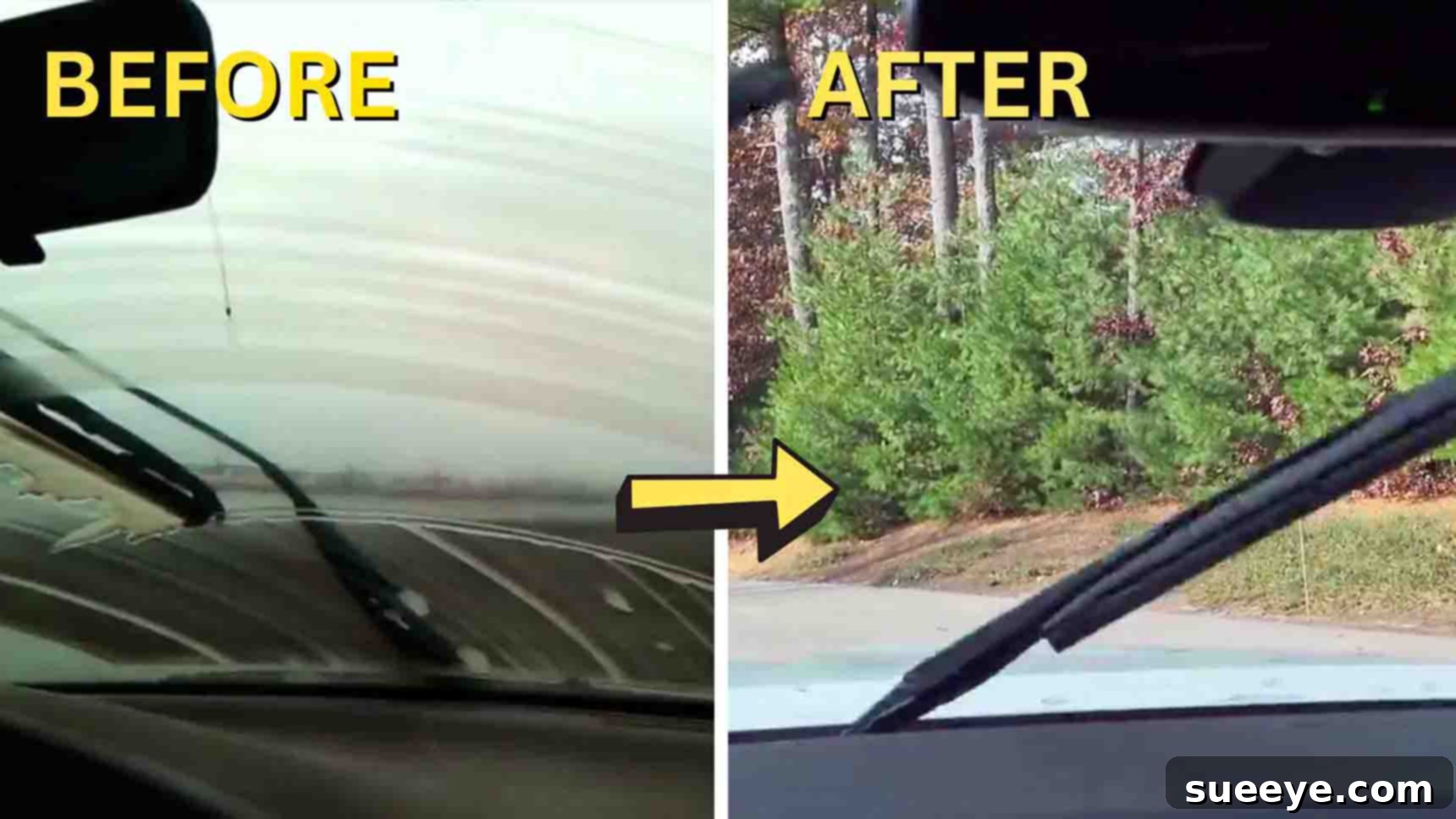
Bring Your Windshield Wiper Blades Back to Life: The Ultimate WD-40 Trick
There’s nothing more frustrating than driving through a downpour with streaky, noisy, or ineffective windshield wiper blades. Poor visibility isn’t just an annoyance; it’s a significant safety hazard that can compromise your driving experience and the safety of everyone on the road. Many drivers automatically assume that struggling wiper blades mean it’s time for an expensive replacement. However, what if we told you there’s a quick, easy, and incredibly effective trick using just two common household items that can make your old wiper blades perform like new again?
Thanks to an ingenious tip from Silver Cymbal on Youtube, you can restore your windshield wipers in mere minutes, often saving you the cost and hassle of purchasing new ones. This isn’t a temporary patch; it’s a genuine restoration method that tackles the root cause of many wiper performance issues. Get ready to enjoy crystal-clear visibility once more with this simple yet powerful DIY solution. No complex tools, no specialized skills – just a few moments of your time and two materials you likely already have at home.
Why Do Windshield Wiper Blades Deteriorate?
Before diving into the solution, it’s helpful to understand why wiper blades lose their effectiveness. Over time, wiper blades are subjected to a constant barrage of environmental factors that degrade their performance. Dust, dirt, grime, road salt, tree sap, bug splatters, and other airborne contaminants accumulate on the rubber edges, creating a film that interferes with their ability to make clean contact with the windshield. This film causes streaks, smudges, and chattering noises as the blades drag across the glass instead of gliding smoothly.
Beyond surface grime, ultraviolet (UV) radiation from the sun and extreme temperature fluctuations (hot summers, freezing winters) cause the rubber material to harden, crack, or become brittle. When the rubber loses its flexibility, it can no longer conform perfectly to the curvature of your windshield, leading to skipped spots and reduced clearing efficiency. While true structural damage like severe cracks or tears necessitates replacement, often, the performance issues stem from accumulated residue and superficial hardening that can be easily remedied.
The Unexpected Hero: Why WD-40 Works Wonders
You might associate WD-40 with lubricating squeaky hinges or loosening rusted bolts, but its properties make it an ideal candidate for restoring wiper blades. WD-40 stands for “Water Displacement, 40th formula.” It’s a multi-purpose product renowned for its ability to penetrate, lubricate, clean, and protect. For wiper blades, its cleaning and water-displacing capabilities are particularly beneficial.
WD-40 excels at dissolving and removing stubborn tar, grease, grime, and other difficult residues that stubbornly adhere to the rubber blades. Its solvent properties break down these contaminants, allowing them to be wiped away easily. Furthermore, WD-40 has a conditioning effect on rubber, helping to restore some of its pliability and suppleness. By cleaning and conditioning the blades, WD-40 effectively rejuvenates them, allowing them to make proper contact with the windshield again and glide smoothly, eliminating streaks and chatter.
Materials You’ll Need:
Gathering your materials for this quick restoration project is incredibly simple. You only need two items, which are likely already within reach.
- An old sock or a clean rag: Opt for a cloth with a bit of texture to help gently scrub away grime, but make sure it’s soft enough not to scratch or damage the delicate rubber. An old cotton sock works perfectly, as it’s absorbent and has a good grip.
- WD-40: Any standard can of WD-40 Multi-Use Product will do the trick.
Step-by-Step Directions to Revitalize Your Wiper Blades:
Follow these simple steps, and you’ll be amazed at the difference in your wiper blade performance.
Step 1: Inspect Your Blades for Damage
Before you begin the cleaning process, it’s crucial to perform a thorough inspection of your windshield wiper blades. Gently lift each wiper arm away from the windshield. Carefully run your fingers along the rubber edge of the blade. Look closely for any visible signs of severe damage such as deep cracks, tears, chunks of rubber missing, or hardened, brittle spots that don’t flex. If you discover any significant damage of this nature, unfortunately, this trick may not be enough, and the blades will likely need to be replaced. This method is most effective for blades that are generally intact but are underperforming due to accumulated grime or minor hardening. If your blades appear to be in good physical condition but are streaking, squeaking, or just not clearing water effectively, then you’re an ideal candidate for this restoration method.
Once you’ve confirmed your blades are suitable for cleaning, grab your old sock or rag and your can of WD-40. Hold the rag and spray a generous amount of WD-40 onto a section of it. You want the rag to be thoroughly damp, not just lightly misted, as the product will be used up quickly as you wipe away grime. Ensure you have good ventilation if working indoors.
Step 2: Clean Your Wiper Blades Thoroughly
With your wipers still lifted away from the windshield, take the WD-40 soaked rag and begin to wipe the entire length of the rubber blade. Apply firm, consistent pressure and use a back-and-forth motion, similar to how you would brush your teeth or scrub a surface. The goal here is to thoroughly scrub off all the accumulated dirt, road film, and oxidized rubber from the blade’s surface. You’ll quickly notice black residue transferring from the blade onto your rag – this is all the grime that was impeding your wipers’ performance!
Keep wiping, turning the rag to a clean section as it becomes soiled, or re-spraying with more WD-40 as needed. It’s important to go over the blades multiple times, ensuring you clean both sides of the rubber edge. Continue this process until you wipe the blade and notice little to no black residue coming off onto the rag. This indicates that the blades are significantly cleaner. After cleaning, take a separate, clean, dry rag and give the blades a final wipe to remove any excess WD-40. This prevents any potential streaking from the product itself. Finally, carefully lower your wiper arms back onto the windshield.
The Benefits of This Simple Restoration Trick
Restoring your wiper blades with WD-40 offers several compelling advantages:
- Cost-Effective: The most obvious benefit is saving money. New premium wiper blades can be surprisingly expensive, especially for modern vehicles. This trick uses inexpensive materials you likely already own.
- Time-Saving: Replacing wiper blades often involves a trip to an auto parts store and then the installation process. This WD-40 method takes just a few minutes in your driveway.
- Enhanced Safety: Clear visibility is paramount for safe driving, especially in adverse weather conditions. Restored wipers ensure your windshield is effectively cleared, giving you a better view of the road.
- Extended Blade Life: Regular cleaning and conditioning can significantly prolong the operational life of your wiper blades, delaying the need for full replacements.
- Environmental Friendliness: By extending the life of your blades, you reduce waste and contribute to a more sustainable approach to vehicle maintenance.
When to Consider Replacing Your Wiper Blades (Despite the Trick)
While this WD-40 trick is incredibly effective for restoring performance, it’s not a magical cure-all for every situation. Wiper blades, like all car components, have a finite lifespan. Here are signs that indicate a full replacement is genuinely necessary, even after attempting the WD-40 method:
- Visible Cracks or Tears: If the rubber element is severely cracked, torn, or has pieces missing, it cannot be salvaged. The structural integrity is compromised, and it won’t be able to clear your windshield effectively.
- Hardened or Brittle Rubber: If the rubber is extremely stiff and no longer flexible, even after cleaning, it means the material has degraded beyond simple conditioning. It won’t conform to the windshield’s curve, leading to massive streaking or skipping.
- Persistent Chattering or Squealing: While WD-40 helps with chatter caused by grime, if your wipers continue to make excessive noise or jump across the windshield even after cleaning, it could indicate a warped or bent wiper arm, or simply that the rubber has lost its ability to glide smoothly.
- Unresponsive to Cleaning: If, after diligently following the WD-40 steps, your wipers still perform poorly, it’s a strong sign that the internal structure of the rubber or the blade mechanism itself has worn out.
As a general guideline, most automotive experts recommend replacing wiper blades every 6 to 12 months, regardless of whether you use this cleaning trick. Preventative maintenance, including this cleaning method, can help you get closer to the 12-month mark, but eventual replacement is inevitable for optimal safety and performance.
Beyond WD-40: Tips for Long-Lasting Wiper Blade Performance
To keep your wiper blades in top condition and maximize their lifespan, integrate these simple maintenance habits into your routine:
- Regular Windshield Cleaning: A clean windshield means less grime for your wipers to contend with. Wash your car regularly, and always use a good quality windshield washer fluid.
- Avoid Dry Wiping: Never use your wipers on a dry windshield. This creates friction, puts unnecessary stress on the blades and motor, and can quickly degrade the rubber. Always activate your washer fluid before using wipers.
- Clear Ice and Snow Manually: In winter, never use your wipers to clear heavy snow or ice from your windshield. This can damage the blades, bend the wiper arms, or even burn out the wiper motor. Use an ice scraper and defroster instead.
- Lift Wipers in Freezing Weather: If your car is parked outside in freezing conditions, lift your wiper arms off the windshield to prevent the blades from freezing to the glass. This avoids tearing the rubber when you try to use them.
- Protect from Sun: If possible, park your car in the shade or use a sunshade to protect your dashboard and, indirectly, your wiper blades from prolonged UV exposure, which can cause the rubber to harden and crack prematurely.
Conclusion: Drive Safer with Clearer Vision
Don’t let streaky or noisy wiper blades compromise your driving safety and visibility. This simple, 30-second trick using WD-40 and an old rag is a game-changer for restoring your windshield wiper blades to near-new performance. It’s a testament to how effective a little DIY maintenance can be, saving you money and ensuring you have crystal-clear vision, no matter the weather. Give it a try, and experience the satisfaction of a clear windshield once again!