
Effortlessly Remove Hard Water Stains from Your Granite Countertops
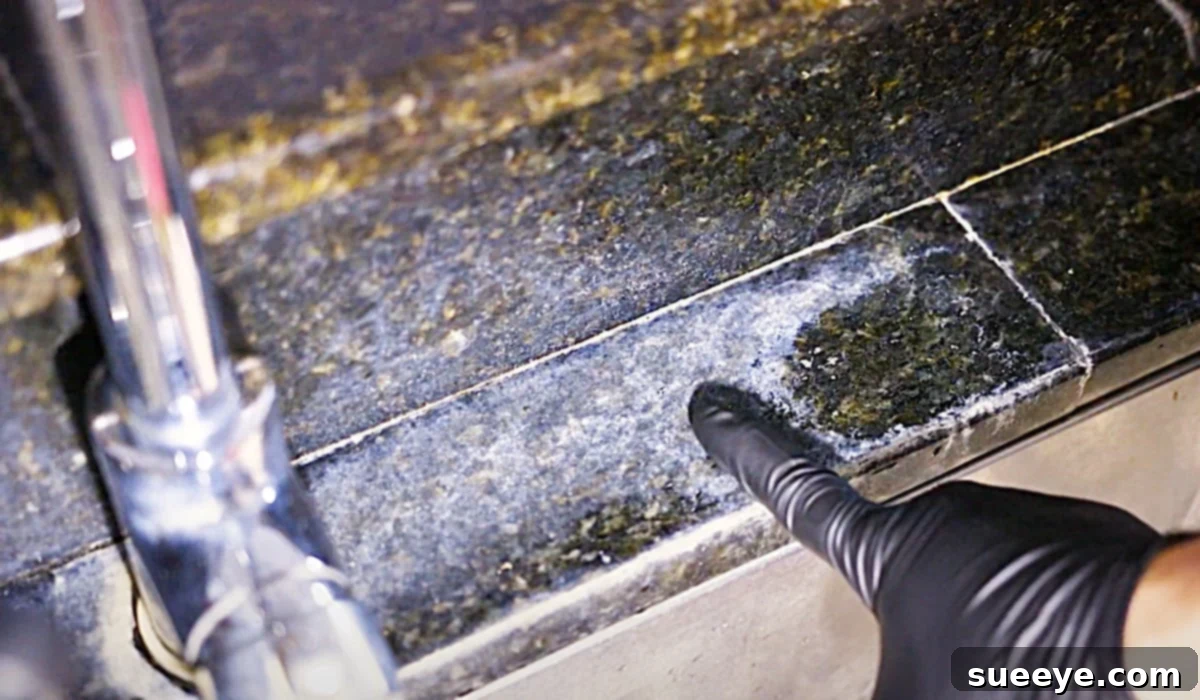
Granite countertops have become a staple in modern homes, gracing kitchens and bathrooms with their timeless elegance and perceived durability. Like many homeowners, I was thrilled to have pristine granite installed in my new apartment, anticipating years of low-maintenance beauty. However, my excitement soon turned to frustration when I encountered one of granite’s most stubborn adversaries: hard water stains. My dark granite surface, in particular, seemed to highlight every foggy white patch of limescale, making even minor splashes a glaring issue. These caked-on mineral deposits were not only unsightly but incredibly resistant to my usual cleaning attempts, leaving me worried about damaging the expensive stone.
The quest for a solution led me down the rabbit hole of online forums and cleaning blogs. I was searching for a method that was not only effective but also safe for granite, a material known for its porous nature and susceptibility to harsh chemicals. My diligent search finally paid off when I discovered a truly brilliant granite cleaning tutorial by Fix It Now on YouTube. This video promised a simple yet powerful approach to tackle even the most entrenched hard water stains. Intrigued and desperate for a solution, I immediately headed to the grocery store to gather the surprisingly few supplies required.
Understanding the Enemy: Hard Water Stains and Granite
Before diving into the cleaning process, it’s essential to understand why hard water stains form and why they pose such a challenge for granite. Hard water, prevalent in many regions, contains high concentrations of dissolved minerals, primarily calcium and magnesium. When this water evaporates from your countertop surface, it leaves behind these mineral deposits, forming what we commonly know as limescale. On dark granite, these white, chalky stains are particularly noticeable, diminishing the stone’s natural luster and making the surface appear dull and neglected.
Granite, while durable, is also a natural stone with microscopic pores. These pores can absorb liquids, including hard water, and over time, mineral deposits can build up both on the surface and slightly within these tiny crevices. Many conventional cleaners are either too acidic or too abrasive for granite, potentially etching the surface, dulling its sealant, or leaving streaks. This makes finding a safe and effective cleaning method crucial for preserving your countertop’s beauty and longevity.
The Essential Cleaning Arsenal for Sparkling Granite
The beauty of the “Fix It Now” method lies in its simplicity and the readily available nature of its core components. You won’t need a cabinet full of specialized, expensive granite cleaners. Instead, this effective approach relies on just three key items:
- CLR Cleaner: This powerful cleaner, whose acronym stands for Calcium, Lime, and Rust, is specifically formulated to dissolve mineral deposits. Its acidic properties break down the chemical bonds of limescale, making it incredibly effective for tackling hard water stains. When using CLR, always ensure good ventilation and consider wearing gloves, as it’s a strong chemical. A patch test in an inconspicuous area is also recommended, especially if you’ve never used CLR on your specific granite type before.
- Magic Eraser: Far from being just a sponge, the Magic Eraser (made of melamine foam) acts as an incredibly fine abrasive. When moistened, its micro-scrubbers gently lift and remove surface grime and loosened mineral deposits without scratching delicate surfaces like granite. It’s the perfect tool for working the CLR into the stains and gently polishing them away.
- A Single Edge Razor Blade: This tool is reserved for the most stubborn, thick, and caked-on limescale deposits. It allows for precise, careful scraping, but it must be used with extreme caution to avoid scratching the granite surface. Proper technique and a light touch are paramount when employing the razor blade.
Step-by-Step Guide to Restoring Your Granite’s Luster
With your materials ready, you can embark on the journey to brilliantly clean granite. Follow these steps meticulously, and prepare to be amazed by the results.
Step 1: Prepare Your Countertop
Begin by clearing your granite countertops of any items – appliances, dishes, and decorative elements. Give the entire surface a quick wipe down with a damp cloth to remove any loose debris, crumbs, or dust. This ensures the CLR can directly target the limescale.
Step 2: Liberally Apply CLR Cleaner
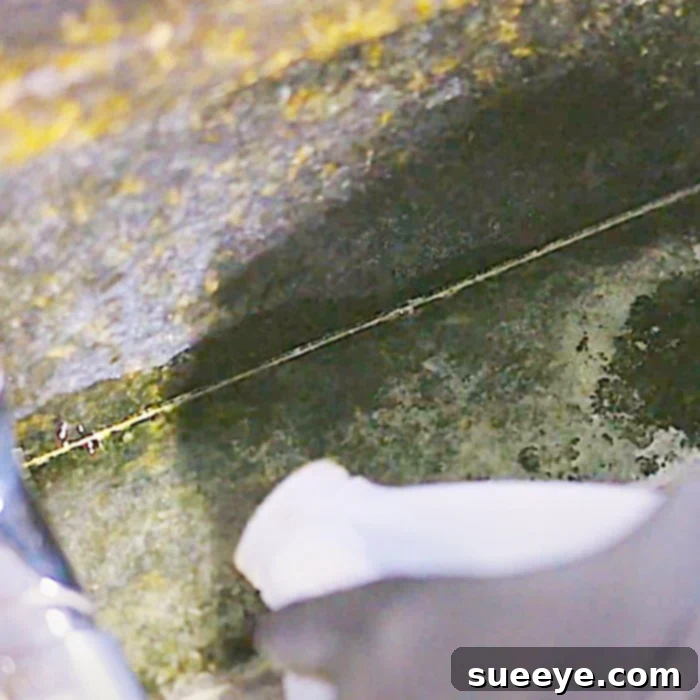
Identify the areas with hard water stains and limescale buildup. Apply a generous amount of CLR cleaner directly onto these affected spots. You want to ensure the cleaner completely covers and saturates the mineral deposits. As you apply it, you might notice a slight fizzing or bubbling, which indicates the CLR is actively working to break down the limescale. Allow the CLR to sit and work its magic for a few minutes, typically 5-10 minutes, but avoid letting it dry out completely on the surface. For extremely heavy buildup, you might extend the dwell time slightly, but always keep an eye on it.
Step 3: Scrub with a Magic Eraser
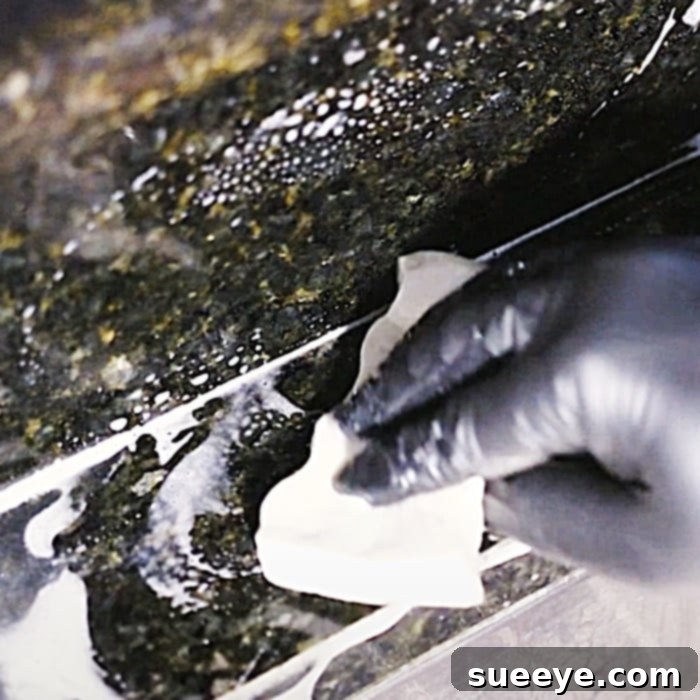
Once the CLR has had time to penetrate the stains, take a dampened Magic Eraser and begin gently scrubbing the treated areas. You will likely be astonished at how quickly and easily the white, foggy-looking areas begin to dissolve and lift away. The Magic Eraser’s unique micro-abrasive texture, combined with the limescale-dissolving power of CLR, works in tandem to restore your granite to its original sparkling condition. Use circular motions and moderate pressure. As you scrub, the stains will literally disappear before your eyes, revealing the clean, dark granite underneath.
Step 4: Tackle Stubborn Buildup with a Razor Blade (If Necessary)
For any areas with particularly thick or stubborn, caked-on limescale that the Magic Eraser couldn’t fully remove, carefully employ the single edge razor blade. Hold the blade at a very shallow angle, almost parallel to the granite surface (approximately 15-20 degrees). Use short, gentle strokes to scrape away the loosened, thick deposits. The goal is to lift the softened limescale, not to dig into the granite. This step requires a steady hand and a light touch. Always scrape in one direction and avoid sawing motions. This should only be used as a last resort for extremely tough spots.
Step 5: Rinse Thoroughly and Dry
After scrubbing and scraping, it’s crucial to thoroughly rinse the entire treated area to remove all traces of the CLR cleaner and dissolved limescale. Use a clean, damp cloth (preferably microfiber) to wipe down the granite surface multiple times, rinsing the cloth frequently. Ensure no residue remains. Finally, dry the countertop completely with a separate, clean, dry microfiber cloth. This will prevent new water spots and leave your granite gleaming and streak-free. Stand back and admire your beautifully restored countertops!
Maintaining Your Granite: Prevention is Key
While this cleaning method is incredibly effective, preventing future hard water stains is always the best approach. Here are some tips for long-term granite maintenance:
- Wipe Spills Immediately: Don’t let water, especially hard water, sit on your granite. Always wipe up spills as soon as they happen.
- Daily Cleaning: For daily upkeep, use a soft cloth with warm water and a small amount of mild dish soap. Avoid harsh chemicals, abrasive cleaners, or scrub brushes that can damage the sealant or scratch the surface.
- Seal Your Granite Regularly: Granite is porous, and a proper sealant acts as a barrier against stains and moisture absorption. Depending on your granite type and usage, re-sealing every 1-3 years is generally recommended. A simple water bead test can tell you if your sealant needs refreshing.
- Use Coasters and Trivets: Protect your granite from hot pans, acidic liquids (like lemon juice or vinegar), and even cold drinks that can leave condensation rings.
- Avoid Acidic Cleaners: While CLR is acidic, its targeted use for limescale is different from using vinegar or citrus-based cleaners for general cleaning, which can etch granite over time.
Why This Method Stands Out
This cleaning approach, as demonstrated by Fix It Now, truly offers a superior way to tackle hard water stains on granite. The synergistic action of CLR dissolving the minerals and the Magic Eraser gently scrubbing them away ensures deep cleaning without harsh abrasives or prolonged exposure to strong chemicals. It addresses the core problem of limescale effectively, restoring the natural beauty of your granite countertops safely and efficiently.
Having personally experienced the frustration of dull, stained granite and then the sheer joy of seeing it restored to its pristine condition, I can confidently recommend this method. It’s an easy, budget-friendly, and incredibly effective solution for anyone struggling with hard water marks on their beautiful stone surfaces. Give it a try – you’ll be as impressed as I was!