
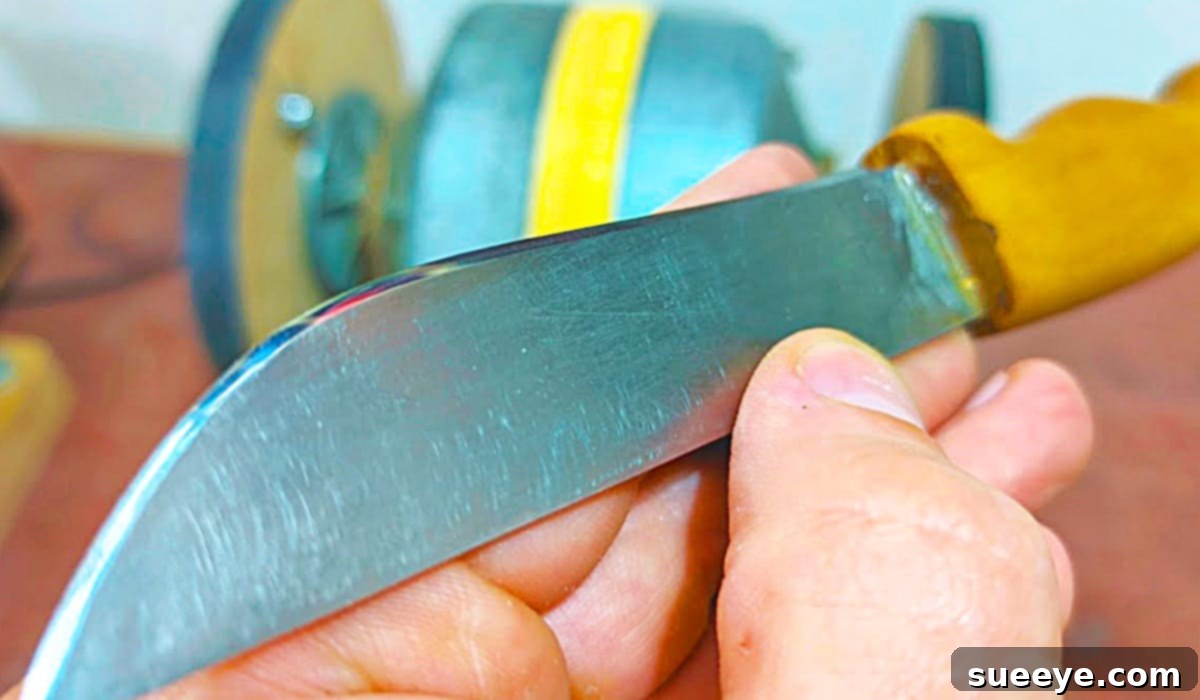
Fastest Way To Sharpen A Knife: Achieve Professional Edges at Home
A sharp knife is more than just a convenience; it’s a fundamental tool for safety, efficiency, and culinary excellence in any kitchen or workshop. Yet, many struggle with maintaining that pristine edge, often resorting to methods that do more harm than good. If you’ve ever wondered how to transform a dull, frustrating blade into a precise cutting instrument quickly and effectively, you’re in the right place. We’re diving deep into methods that truly work, inspired by expert techniques shared by creators like Mazay DIY on YouTube, who brilliantly demonstrate how to achieve razor-sharp results with surprising ease.
The Unseen Dangers and Hidden Benefits of a Truly Sharp Knife
It might seem counterintuitive, but a dull knife is far more dangerous than a sharp one. A dull blade requires excessive force to cut, increasing the risk of slips and severe injuries. When a knife is sharp, it glides through ingredients with minimal effort, offering precise control and reducing the chance of accidents. Beyond safety, a sharp knife enhances your cooking experience. It preserves the integrity of ingredients, preventing crushing and bruising of delicate foods, and makes every task, from slicing tomatoes to carving roasts, a sheer pleasure. Imagine effortlessly dicing vegetables or cleanly filleting fish—this is the reality a properly sharpened knife provides.
Furthermore, a sharp knife saves time and effort. When you’re not wrestling with a dull blade, your preparation time decreases, and your energy is preserved. It’s an investment in your culinary journey and overall kitchen efficiency. Understanding these benefits is the first step toward embracing proper knife maintenance and discovering methods that deliver consistently excellent results.
Dispelling Sharpening Myths: Why Your Kitchen “Steel” Isn’t Cutting It
One of the most common misconceptions in knife care revolves around the long, metal rod found in most kitchen knife sets, often referred to as a “sharpening steel.” Many believe this tool sharpens a dull blade, but its true purpose is entirely different. This rod is actually a “honing steel” or “honing rod.” Its function is to realign the microscopic burrs and bends that form on the very edge of a sharp blade through regular use. It doesn’t remove metal to create a new edge; it simply straightens an existing one.
As the experts, including Mazay DIY, often highlight, relying solely on a honing steel for a truly dull knife is futile. If your knife is genuinely dull and struggles to cut, it needs sharpening, not just honing. Sharpening involves removing a small amount of metal from the blade to create a new, sharp edge, usually using abrasive surfaces. Confusing these two processes leads to endless frustration and continued use of ineffective tools, leaving your knives perpetually dull.
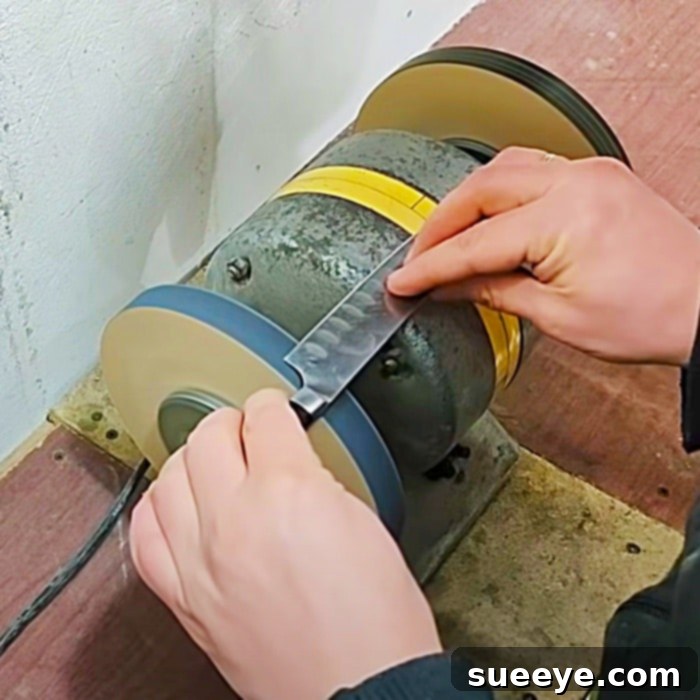
The Sharpening Jig Method: Precision and Consistency for a Superior Edge
For those seeking a reliable, effective, and often surprisingly fast method for sharpening knives, the sharpening jig stands out. As expertly demonstrated by Mazay DIY, this method offers a level of precision and consistency that freehand sharpening often lacks. A sharpening jig is essentially a tool designed to hold your knife at a consistent, precise angle while you move an abrasive surface across its edge. This eliminates the guesswork and human error associated with maintaining the correct sharpening angle, which is crucial for achieving a truly sharp and durable edge.
The beauty of a sharpening jig lies in its ability to replicate the ideal sharpening angle repeatedly. Whether you’re using a simple handheld jig with a sharpening stone or a more elaborate system, the principle remains the same: ensure the abrasive contacts the blade at the perfect angle every time. This consistency not only produces a superior edge but also makes the entire sharpening process faster and less intimidating for beginners. With a jig, you can confidently work through different grit levels of abrasive, from coarse for significant material removal to fine for polishing the edge, knowing that each stroke contributes to a perfectly formed, razor-sharp bevel. This method is often lauded as one of the fastest ways to sharpen a knife, not just because of speed, but because it delivers professional-grade results without extensive practice.
Step-by-Step Excellence: Using a Sharpening Jig
While specific jigs vary, the general process involves securing your knife firmly in the jig at the desired sharpening angle. Most kitchen knives benefit from an angle between 15 and 20 degrees per side, though specialized knives might require different angles. Once secured, you introduce your chosen abrasive – typically a whetstone or diamond plate – to the blade. Start with a coarser grit to establish the primary bevel, making sure to apply consistent pressure and follow the jig’s guided path. Work one side until you feel a burr (a tiny lip of metal) form on the opposite edge, then flip the knife or adjust the jig to sharpen the other side until a burr forms there as well.
Progress incrementally through finer grits, repeating the process. Each finer grit refines the edge, removing the burr created by the previous grit and polishing the blade. The final stages often involve extremely fine grits or stropping to achieve a mirror-like finish and ultimate sharpness. This systematic approach, guided by the jig, guarantees a consistent, sharp edge every time, making it an incredibly effective and relatively fast method for anyone serious about knife care.
Beyond the Jig: Exploring Other Effective Sharpening Solutions and DIY Alternatives
While sharpening jigs offer remarkable precision, other methods also provide excellent results. Traditional whetstones, when mastered, offer incredible versatility and control. However, they require significant practice to maintain a consistent angle freehand. Electric sharpeners provide speed and convenience, often using abrasive wheels to grind the edge. While fast, some models can remove more metal than necessary, potentially shortening the knife’s lifespan if not used carefully.
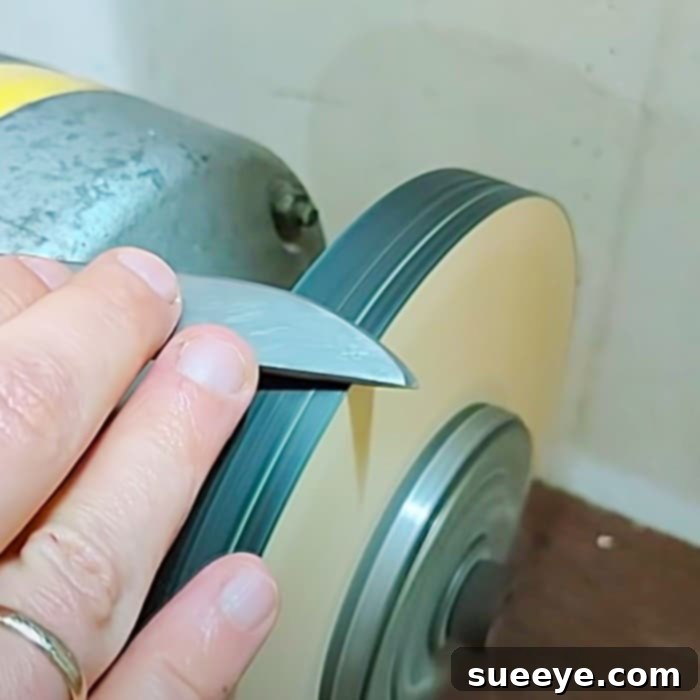
For the DIY enthusiast, the idea of creating your own sharpening tools, such as a sharpening wheel, can be particularly appealing. Mazay DIY even hints at the possibility of a DIY sharpening wheel, which for many can be a cost-effective and highly customizable solution. These homemade setups often involve attaching abrasive materials to a motor-driven wheel, allowing for rapid material removal and edge shaping. While requiring a certain level of craftsmanship and adherence to safety protocols, a well-made DIY sharpening wheel can indeed be one of the fastest ways to sharpen a knife, especially for bringing very dull blades back to life or for larger tools. The key to any DIY setup is ensuring stability, consistent speed, and the ability to control the angle at which the blade meets the abrasive.
Maintaining Your Edge: Tips for Long-Lasting Sharpness
Achieving a sharp edge is only half the battle; maintaining it is equally important. Here are some essential tips to keep your knives performing at their best:
- Hone Regularly: Use a honing steel frequently (perhaps before each use) to realign the blade’s edge and extend the time between full sharpenings.
- Proper Cutting Surfaces: Always cut on forgiving surfaces like wood or plastic cutting boards. Avoid glass, stone, or ceramic surfaces, which rapidly dull and damage knife edges.
- Hand Wash Only: Dishwashers can be harsh on knives, dulling edges, corroding blades, and damaging handles. Hand wash your knives immediately after use and dry them thoroughly.
- Store Properly: Prevent your knives from banging against other utensils in a drawer. Use a knife block, magnetic strip, or blade guards to protect the edge.
- Use the Right Knife for the Job: Don’t use a delicate chef’s knife for tasks better suited for a cleaver or utility knife. Matching the tool to the task preserves the edge.
Safety First: Prioritizing Caution While Sharpening
Sharpening involves handling extremely sharp objects and abrasive materials, so safety should always be your top priority. Always work in a well-lit area with a stable surface. Keep your fingers clear of the blade’s path, especially when moving it across sharpening surfaces. If using power tools for DIY solutions, wear appropriate safety gear, including eye protection and gloves. Read and understand the instructions for any sharpening tool before use, and never rush the process. A moment of inattention can lead to severe injury.
Embrace the Sharpness: Your Journey to Superior Knives
Ultimately, a sharp knife transforms your entire experience in the kitchen or workshop. By understanding the true purpose of different tools, avoiding common pitfalls, and embracing effective methods like the sharpening jig, you can achieve and maintain professional-level sharpness with confidence. Whether you opt for a precise jig, master the whetstone, or even embark on a DIY sharpening project, the journey to a perfectly sharp blade is a rewarding one. Take the time to learn these techniques, practice patience, and soon you’ll be enjoying the unparalleled efficiency, safety, and joy that only truly sharp knives can provide. It’s time to stop struggling with dull blades and start embracing the fastest, easiest, and most effective ways to keep your knives at their peak performance.