
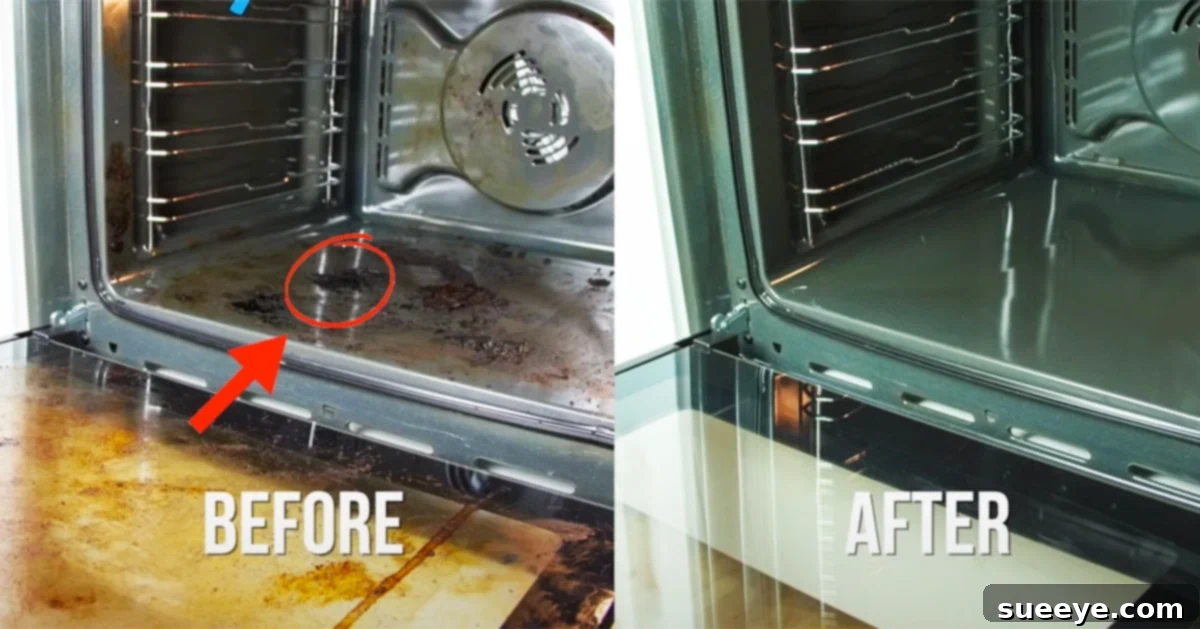
The thought of cleaning a grimy oven is enough to make anyone sigh in despair. Over time, cooking adventures inevitably lead to spills, splatters, and drippings that bake onto the oven’s surfaces, transforming into stubborn, hardened stains. This baked-on residue not only looks unsightly but can also affect the taste of your food and even pose fire hazards if left unaddressed. Traditional oven cleaning methods often involve harsh chemicals, noxious fumes, and hours of strenuous scrubbing – a chore many of us would rather avoid entirely. But what if we told you there’s a simple, incredibly effective, and remarkably quick oven cleaning hack that requires only four common household supplies? Say goodbye to the dread of oven cleaning forever!
Inspired by a brilliant tutorial from Cleverly on YouTube, this method promises to get your oven sparkling clean with minimal effort and in what feels like no time at all. Forget the expensive, specialized cleaners that promise miracles but deliver headaches. This ingenious trick leverages the power of natural ingredients to dissolve tough grease and baked-on food, making the once-daunting task of oven cleaning surprisingly manageable. It’s a game-changer for anyone who has struggled with oven maintenance, offering an accessible and budget-friendly solution that truly works.
Many of us have tried various strategies to mitigate oven mess, from religiously wiping up spills immediately to my mother’s clever hack of lining the oven bottom with aluminum foil to catch drippings. While these preventative measures are helpful, sometimes, a deep clean is simply unavoidable. This natural oven cleaning hack is not just about effectiveness; it’s about making the process so quick and easy that you won’t dread it anymore. Imagine an oven clean in just 5 minutes of active scrubbing time, without a single toxic chemical in sight. Best of all, the supplies are so affordable they can often be found at a dollar store, proving that you don’t need to break the bank for a spotless kitchen.
The Power of Simplicity: Understanding Your Supplies
The beauty of this oven cleaning method lies in its reliance on common, non-toxic household staples. These ingredients, when combined, create a potent cleaning solution capable of tackling even the most persistent oven grime. Let’s delve into why each component is essential to this successful hack.
- Baking Soda (Sodium Bicarbonate): This unassuming pantry item is a powerhouse in natural cleaning. As a mild abrasive, it helps gently scrub away baked-on food without scratching delicate surfaces. More importantly, baking soda is an alkaline substance, meaning it effectively neutralizes acidic grease and breaks down the fatty acids in cooked-on food, making them easier to wipe away. It’s also an excellent deodorizer, absorbing any lingering unpleasant smells from your oven.
- Water: Water acts as the essential solvent in this mixture, helping to create a paste with the baking soda and ensuring the ingredients can spread evenly and penetrate the grime. It helps in the dissolving process and aids in rinsing away the loosened residue.
- White Vinegar (Acetic Acid): White vinegar is another kitchen staple renowned for its cleaning prowess. Its acidic nature is perfect for cutting through grease, dissolving mineral deposits, and tackling tough stains. When combined with baking soda, vinegar creates a fizzing, bubbling reaction (carbon dioxide gas) that physically helps to lift and loosen baked-on particles, making them significantly easier to remove. It also acts as a natural disinfectant, leaving your oven hygienically clean.
- Sponge: A simple sponge is all you need for application and the final wipe-down. Its absorbent surface helps spread the cleaning mixture, while its gentle abrasive side (if applicable) can assist in scrubbing without causing damage. For more stubborn areas, a non-scratch scouring pad might be useful, but often, the mixture itself does most of the heavy lifting.
Directions: Your Step-by-Step Guide to a Spotless Oven
Before you begin, ensure your oven is turned off and completely cool to the touch. Remove all oven racks, baking sheets, and any loose debris from the oven cavity. It’s also a good idea to lay down old newspapers or a towel under the oven door to protect your kitchen floor from any drips during the cleaning process.
Step 1: Create Your Powerful Cleaning Mixture
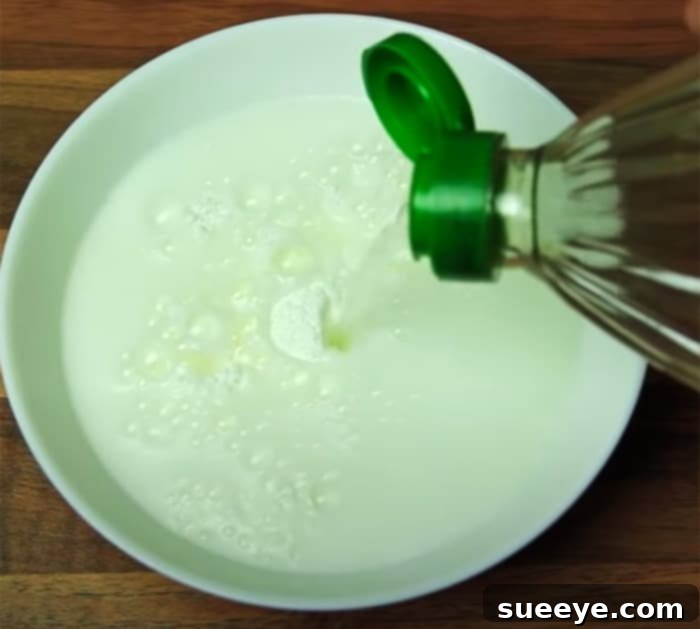
In a medium-sized, non-metallic bowl, combine your baking soda, water, and vinegar. While the original guide keeps the ratios flexible, a good starting point is approximately 1/2 cup of baking soda, 2-3 tablespoons of water, and a generous splash (about 1/4 cup) of white vinegar. Stir these ingredients together to form a thick, spreadable paste. You’ll notice a natural fizzing reaction as the baking soda and vinegar interact; this is perfectly normal and indicates the powerful cleaning action beginning. Adjust the consistency by adding a little more water or baking soda until you achieve a paste that adheres well to the oven surfaces without being too runny or too dry.
Step 2: Apply the Mixture Generously
Using your sponge, apply the freshly made cleaning mixture directly onto the baked-on drippings and stained areas inside your oven. Don’t be shy – cover the grime thoroughly. For particularly stubborn spots, you might want to apply a thicker layer of the paste. Make sure to cover the bottom, sides, and even the oven door glass, avoiding any heating elements or vents. Allow this initial application to sit for at least 15-30 minutes to give the baking soda and vinegar a head start in breaking down the grease and food residues.
Step 3: The “Bake and Breakdown” Technique
After the initial soaking period, place the bowl with any remaining cleaning mixture (or just an empty, oven-safe bowl of water if you prefer) on one of the oven racks. Close the oven door. Set your oven to a low temperature, specifically 212°F (100°C), and let it bake for approximately 45 minutes. The low heat is crucial here; it helps to soften and loosen the baked-on grime without cooking the cleaning mixture. This gentle warmth allows the baking soda and vinegar to penetrate deeper into the hardened residue, making it incredibly easy to remove. Ensure your kitchen is well-ventilated during this step, although the ingredients are natural, good airflow is always recommended when heating anything in the oven. For comprehensive visual instructions and additional tips, we highly recommend watching the full Cleverly tutorial on YouTube.
Step 4: Effortless Wipe-Off and Final Rinse
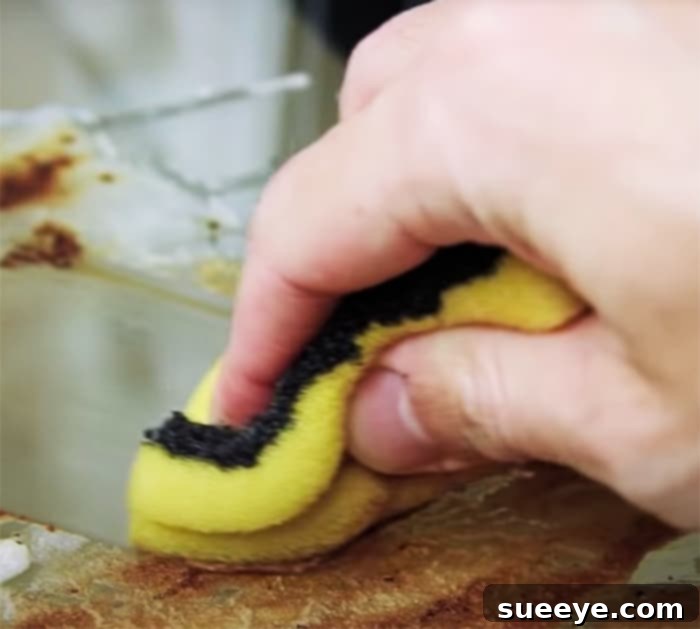
Once the 45-minute baking period is complete, turn off the oven and allow it to cool down completely before proceeding. Safety is paramount! Once the oven is cool, take your damp sponge and begin wiping away the loosened drippings and paste. You will be astonished at how easily the grime lifts away – it should come right off with minimal scrubbing. For any particularly stubborn spots that might remain, a bit more of the paste and a gentle scrub with the sponge or a plastic scraper (to avoid scratches) should do the trick. Finish by wiping down all internal surfaces with a clean, damp cloth, rinsing the cloth frequently, to remove all baking soda and vinegar residue. Continue wiping until your oven is completely clean and streak-free.
Beyond the Clean: The Unrivaled Benefits of This Natural Oven Hack
Overall, this ingenious trick saves you from the pain and frustration of vigorous scratching and scrubbing rust or deeply embedded food dirt. But the benefits extend far beyond just an easier clean. This method offers a multitude of advantages that make it a superior choice for oven maintenance.
Health and Safety First
Perhaps one of the most significant advantages is the absence of harsh chemicals. Commercial oven cleaners often contain strong lye, ammonia, or other caustic ingredients that emit toxic fumes. These fumes can be harmful to respiratory health, irritating to eyes and skin, and dangerous for pets and children. By using baking soda and vinegar, you create a safe cleaning environment, free from hazardous chemicals and their lingering odors. This means no more worrying about chemical residues affecting your food or inhaling unpleasant scents during and after cleaning.
Budget-Friendly Brilliance
Why spend a fortune on specialized oven cleaning products when you can achieve superior results with items already in your pantry? Baking soda and white vinegar are incredibly inexpensive and readily available at any grocery store, or as mentioned, even at dollar stores. This hack drastically cuts down your household cleaning expenses, proving that effective cleaning doesn’t have to come with a hefty price tag. It’s a testament to the power of simple, natural solutions.
Eco-Conscious Cleaning
For environmentally conscious individuals, this hack is a dream come true. By opting for biodegradable and non-toxic ingredients, you’re reducing your environmental footprint. There’s no need to dispose of chemical-laden containers, and no harmful substances are washed down the drain into our water systems. It’s a sustainable approach to home maintenance that aligns with green living principles.
Time-Saving and Effortless
The original dread of oven cleaning often stems from the sheer amount of time and physical effort it typically demands. This hack drastically reduces both. While there’s a soaking period and a baking time, your active participation is minimal – perhaps only 5-10 minutes of actual scrubbing. The natural reaction of the ingredients, combined with the low heat, does most of the heavy lifting, turning a grueling chore into a simple wipe-down task. This is going to save my life because I used to dread cleaning the oven, and now I know I don’t need to buy expensive cleaning supplies to get the job done quickly and effectively.
Maintaining Your Oven’s Sparkle
To keep your oven cleaner for longer and minimize the need for frequent deep cleans, consider incorporating some preventative measures. As learned from my mom, placing a sheet of aluminum foil on the bottom rack (or a designated oven liner) can catch most drippings before they bake on. Wiping up fresh spills immediately after cooking, once the oven has cooled, is also a simple yet effective way to prevent stubborn buildup. Regular, light cleaning with a baking soda and water paste can keep your oven looking pristine between major cleaning sessions.
Troubleshooting and Pro Tips
Even with this fantastic hack, some ovens might have years of built-up grime that require a little extra attention. For extremely stubborn, decades-old stains, you might need to repeat the application process, allow the mixture to sit for a longer period (e.g., overnight without baking), or apply a slightly thicker, more concentrated baking soda paste initially. Remember to always use a non-scratch scrubber or plastic scraper to avoid damaging your oven’s interior finish. Don’t forget to clean your oven racks separately by soaking them in hot water with dish soap, or by applying the same baking soda paste directly.
Conclusion: Embrace the Ease of Natural Oven Cleaning
The days of dreading oven cleaning are officially over. This simple, inexpensive, and eco-friendly hack, championed by Cleverly on YouTube, transforms one of the most disliked household chores into a quick and satisfying task. By harnessing the natural power of baking soda and vinegar, you can achieve a sparkling clean oven without exposing yourself or your family to harsh chemicals, while saving time and money. It’s a testament to the fact that sometimes, the simplest solutions are indeed the best. Go ahead, gather your supplies, and prepare to be amazed at how effortlessly your oven can go from grimy to gleaming. Your kitchen (and your future cooking) will thank you!