
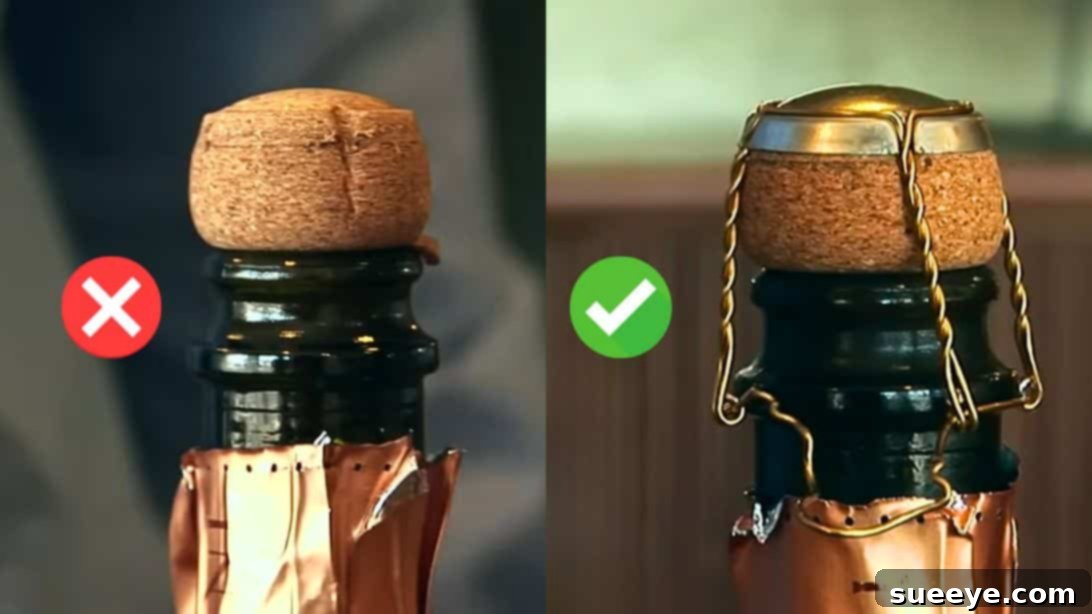
Mastering the Art of Opening Sparkling Wine: Your Ultimate Guide to Safety, Flavor, and Elegance
There’s an undeniable allure to sparkling wine – the crisp bubbles, the celebratory clink of glasses, and the promise of a delightful experience. However, for many, the act of opening a bottle of Champagne, Prosecco, Cava, or any other effervescent delight is often accompanied by a dramatic pop and a spray of precious liquid. While cinematic, this common approach is actually incorrect and can diminish both the wine’s quality and your safety. If you’ve always believed that shaking the bottle or letting the cork fly with a loud pop is the right way, prepare to discover a more refined, safer, and ultimately more enjoyable method.
The truth is, a loud pop means you’re losing valuable carbon dioxide, which is what gives sparkling wine its signature effervescence and lively taste. A violent release can make your wine go flat quickly and even pose a significant safety risk. This comprehensive guide will walk you through the proper techniques, ensuring your next bottle of sparkling wine is opened with grace, preserving every precious bubble, and making you feel like a true connoisseur. Whether you’re celebrating a special occasion or simply enjoying a weeknight treat, mastering this skill will elevate your sparkling wine experience.
For related tips on opening other types of bottles, check out these helpful resources:
- Related Reading: How to Open a Beer Bottle Without an Opener
- Useful Skill: How to Open a Wine Bottle With a Key
Why the Proper Technique Matters: Safety and Flavor First
Opening sparkling wine isn’t just about getting the cork out; it’s about controlling a significant amount of internal pressure. A standard bottle of sparkling wine contains approximately 90 pounds per square inch (PSI) of pressure, which is roughly three times the pressure inside a car tire! This immense force, if uncontrolled, can turn the cork into a dangerous projectile, traveling at speeds up to 50 miles per hour. Such a projectile can cause serious injury to eyes, shatter glassware, damage light fixtures, or even crack a ceiling. Beyond safety, improper opening also severely impacts the wine itself.
A loud pop signifies a rapid depressurization, causing a sudden loss of the delicate carbon dioxide bubbles that give sparkling wine its character and vibrancy. This can lead to a “flat” tasting wine, where the nuanced aromas and flavors are muted, and the effervescence, which is key to its refreshing quality, is quickly diminished. The goal is a gentle sigh, a whisper of fizz, indicating a controlled release that preserves the integrity of the wine and ensures a truly sparkling experience.
The Essential Don’ts: Avoiding Common Sparkling Wine Opening Mistakes
Before diving into the correct method, let’s identify the most common pitfalls that many people fall into. Avoiding these errors is the first step towards a perfect pour and a safe experience.
1. Do Not Shake the Bottle
Shaking a bottle of sparkling wine, while often seen in celebratory scenes, is one of the most dangerous and detrimental things you can do. Agitating the wine drastically increases the internal pressure and causes a massive amount of dissolved carbon dioxide to rapidly come out of solution. This creates an explosive force just beneath the cork, making a controlled opening nearly impossible. The result is almost always a violent expulsion of the cork, a significant loss of wine, and a messy, flat-tasting beverage. Always handle sparkling wine gently.
2. Do Not Remove the Wire Cage (Muselet) Prematurely
The wire cage, or “muselet,” is your primary safety mechanism. It’s designed to keep the cork securely in place against the bottle’s immense internal pressure. Removing the wire cage before you are ready to open the bottle is extremely risky. Without this crucial restraint, the cork can spontaneously eject with dangerous force at any moment, especially if the bottle is warm or has been agitated. Always keep your thumb firmly over the cork and the muselet in place until you are actively beginning the opening process.
3. Do Not Allow a Loud Popping Sound
While the “pop” is iconic, it’s actually an indicator of poor technique and a wasted opportunity. A loud pop means the cork has escaped too quickly, taking with it a significant portion of the wine’s delicate carbonation. This rapid depressurization leads to an almost immediate flattening of the wine’s texture and a loss of its vibrant character. The ideal sound you’re aiming for is a gentle sigh or a soft hiss, akin to the whisper of a breath being released. This indicates a slow, controlled liberation of pressure, preserving the wine’s bubbles and flavor.
4. Do Not Pour Too Fast or Into a Glass Left on the Table
Rapid pouring, especially into a glass sitting flat on a table, is a recipe for overflow and foam. The sudden contact of the bubbly wine with the flat bottom of the glass causes an immediate surge of foam, leading to spillage and a loss of precious liquid. This also agitates the wine unnecessarily, speeding up the loss of carbonation. Always lift the glass and tilt it to a 45-degree angle, allowing the wine to gently cascade down the side.
How to Open Sparkling Wine Like a Pro: A Step-by-Step Guide
Opening sparkling wine gracefully is a skill that combines respect for the wine, an understanding of physics, and a touch of elegance. Follow these steps for a perfect pour every time.
Step 1: Chill the Bottle Properly
Before anything else, ensure your sparkling wine is properly chilled. The ideal serving temperature is between 45-50°F (7-10°C). A well-chilled bottle not only enhances the flavor but also reduces the internal pressure, making it safer and easier to open. Chill for at least 3 hours in the refrigerator or 20-30 minutes in an ice bucket filled with half ice and half water.
Step 2: Remove the Foil
Most sparkling wine bottles have a foil wrapper over the cork and muselet. Locate the small tab or perforations on the foil and carefully peel it away. If there’s no tab, you can use a small knife to cut around the foil just below the lip of the bottle, then remove the top section. Be sure to keep the bottle pointed away from yourself and others at all times during this process.
Step 3: Loosen the Muselet (Wire Cage) – But Don’t Remove It!
This is a critical step for safety. Keep your thumb firmly pressed over the cork. With your other hand, untwist the small wire loop (usually six half-turns) that secures the muselet around the neck of the bottle. Once loosened, **do not remove the muselet entirely.** It should remain draped over the cork, acting as a safety net and allowing you to maintain control. Your thumb should remain firmly on top of the muselet and cork throughout this entire process.
Step 4: Angle the Bottle
With your thumb still securely on the cork/muselet, hold the bottle at a 45-degree angle, pointing away from yourself, other people, and any fragile objects. This angle increases the surface area over which the pressure is distributed, making the cork easier to control as it begins to release. It also helps prevent any accidental overflow.
Step 5: Twist the Bottle, Not the Cork
This is the secret to a smooth, elegant opening. Firmly grip the body of the bottle with one hand. With your other hand, keep your thumb pressing down on the cork (still covered by the loosened muselet). Instead of trying to twist the cork off, slowly and gently *twist the bottle* while keeping the cork hand stationary. As you twist the bottle, you’ll feel the cork gradually pushing against your thumb and muselet. Maintain gentle, consistent pressure, allowing the cork to slowly work its way out.
You should feel the cork resisting slightly, then slowly yielding. The goal is a controlled release. Listen for a soft hiss or a gentle sigh, not a loud pop. This means the pressure is being released gradually, preserving the precious bubbles within the wine.
Step 6: Pour with Precision
Once the cork is out, it’s time to pour. Lift your sparkling wine glass off the table and tilt it to a 45-degree angle. This technique helps reduce the amount of foam created upon contact with the wine, allowing for a smoother pour and preserving more of the wine’s effervescence. Slowly pour the sparkling wine down the side of the tilted glass. Fill the glass about two-thirds full, allowing room for the bubbles to settle and for the wine’s aromas to collect. Avoid pouring too quickly or filling the glass to the brim, as this will lead to excessive foam and spillage.
Serving Your Sparkling Wine Like a Pro: Beyond the Opening
Opening the bottle correctly is just one part of the sparkling wine experience. To truly savor its delights, consider these serving tips:
The Right Glassware
While traditional flutes are popular, many connoisseurs now prefer tulip-shaped glasses. These glasses allow for the elegant display of bubbles while also providing a larger bowl that helps concentrate the wine’s aromas, offering a more complete sensory experience. Coupes, though historically significant, tend to let bubbles dissipate too quickly due to their wide mouth.
Maintain Ideal Temperature
Keep an ice bucket with half ice and half water nearby to maintain the wine’s optimal chilled temperature throughout your serving. If the wine gets too warm, its flavors can become muddled, and its effervescence will diminish more rapidly.
Food Pairings
Sparkling wine, particularly drier styles like Brut Champagne, is incredibly versatile with food. Its acidity and effervescence cut through rich foods, making it an excellent pairing for fried chicken, oysters, sushi, soft cheeses, and even potato chips. Sweeter styles pair beautifully with desserts.
Storing Leftovers (If Any)
If you don’t finish the bottle, use a dedicated sparkling wine stopper (not a regular wine stopper) to seal it tightly. These stoppers are designed to withstand the internal pressure and keep the remaining carbonation locked in for a day or two, allowing you to enjoy your wine’s fizz for a little longer.
Conclusion: The Right Way to Open a Sparkling Wine for the Ultimate Enjoyment
Opening sparkling wine should be an act of grace, not a struggle or a spectacle of uncontrolled force. By understanding the physics behind the bubbles and adopting the professional technique, you not only ensure the safety of everyone around you but also significantly enhance the enjoyment of your wine. A gentle hiss, a controlled twist, and a slow pour down a tilted glass are the hallmarks of a true sparkling wine enthusiast.
Embrace this elegant method, and you’ll find that your sparkling wine tastes better, its effervescence lasts longer, and the experience itself becomes a more refined and delightful ritual. So next time you reach for that celebratory bottle, remember these steps. Open it like a pro, and let the delicate bubbles tell their own story, creating moments of pure, unadulterated joy.