
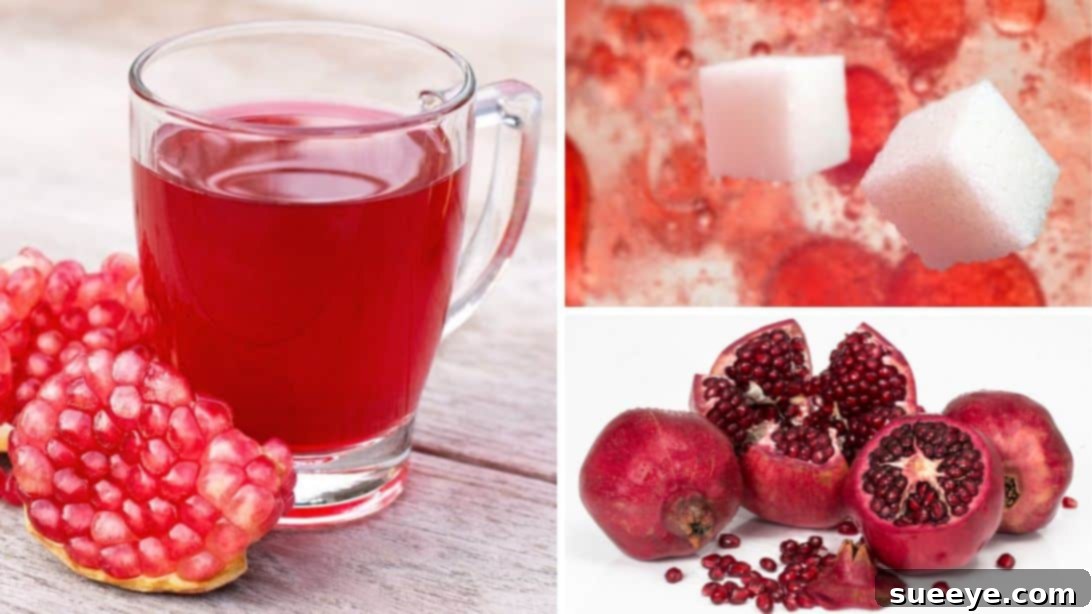
Unlock the Power of Pomegranate Juice: A Natural Approach to Healthy Blood Sugar Levels
Maintaining balanced blood sugar levels is fundamental to your overall health and well-being. When your body’s glucose levels are stable, all systems function optimally. However, imbalances can pave the way for serious health issues, including type 2 diabetes, heart disease, and various other cardiovascular complications. Understanding how blood sugar works and actively keeping it within a healthy range is not just beneficial; it’s absolutely crucial for a long, healthy life. While dietary choices and lifestyle habits play a significant role, certain natural additions can offer powerful support. Among these, pomegranate juice stands out as a remarkable beverage known for its potential to help regulate and lower blood sugar levels.
This vibrant fruit is a powerhouse of beneficial compounds, including potent antioxidants, anthocyanins, and polyphenols, all of which are actively involved in glucose metabolism. Beyond its immediate impact on blood sugar, pomegranate also contains ellagic acid, a compound associated with a myriad of health benefits, such as reducing the risk of cardiovascular diseases. Studies suggest that incorporating pomegranate juice into your routine can lead to a reduction in fasting glucose and an increase in insulin levels in as little as 15 minutes. For optimal results, however, remember that integrating this healthful juice into a broader, well-balanced diet and lifestyle is key. Let’s delve deeper into the science and practical steps for leveraging pomegranate’s health benefits.
Understanding Blood Sugar: The Foundation of Good Health
Blood sugar, or glucose, is the primary sugar found in your blood. It comes from the food you eat and serves as your body’s main source of energy. Insulin, a hormone produced by the pancreas, helps glucose from food get into your cells to be used for energy. When this intricate process is disrupted, either due to insufficient insulin production or the body’s inability to use insulin effectively (insulin resistance), blood sugar levels can rise, leading to hyperglycemia.
Chronic hyperglycemia can damage various organs and systems over time, contributing to conditions like prediabetes and full-blown type 2 diabetes. Symptoms of high blood sugar can include increased thirst, frequent urination, fatigue, and blurred vision. Conversely, extremely low blood sugar (hypoglycemia) can also be dangerous, leading to dizziness, confusion, and weakness. Therefore, maintaining a steady, healthy blood sugar range is paramount for energy, mood stability, and preventing long-term health complications.
The Power of Pomegranate: A Natural Ally for Glucose Control
Pomegranate (Punica granatum) has been revered for centuries not just for its unique taste, but also for its profound medicinal properties. Modern science continues to uncover the mechanisms behind its health benefits, particularly in the context of blood sugar management. The fruit’s rich composition of bioactive compounds makes it a fascinating subject for those seeking natural ways to support metabolic health.
Key Compounds and Their Impact:
- Antioxidants: Pomegranates are exceptionally rich in antioxidants, notably punicalagins, which are responsible for most of the fruit’s antioxidant activity. These compounds help combat oxidative stress, a key factor in the development and progression of insulin resistance and diabetes-related complications. By neutralizing free radicals, antioxidants protect pancreatic beta cells, which are responsible for insulin production, thus supporting healthy insulin function.
- Anthocyanins: These are the pigments that give pomegranates their vibrant red color. Anthocyanins have been studied for their ability to improve insulin sensitivity and reduce inflammation. They may also help regulate glucose absorption in the gut and improve glucose uptake by cells, contributing to lower blood sugar levels after meals.
- Polyphenols: A broad category of plant compounds with powerful antioxidant and anti-inflammatory effects. Pomegranate polyphenols, including catechins and gallic acid, are thought to play a role in modulating enzymes involved in carbohydrate metabolism, potentially slowing down sugar absorption and preventing sharp spikes in blood glucose.
- Ellagic Acid: This particular polyphenol is found in high concentrations in pomegranates. Research suggests ellagic acid can positively impact lipid metabolism, improve cardiovascular health, and may have a direct effect on improving insulin resistance by enhancing the signaling pathways involved in glucose utilization. Its anti-inflammatory properties further support overall metabolic health.
The synergy of these compounds allows pomegranate juice to offer a multi-faceted approach to blood sugar regulation. It not only aids in reducing fasting glucose and enhancing insulin response but also contributes to better cardiovascular health, which is often compromised in individuals with blood sugar imbalances. Regular consumption, as part of a balanced diet, can be a valuable strategy for those looking to support their metabolic health naturally.
Crafting Your Own Pomegranate Nectar for Health
Making your own pomegranate juice ensures you get a pure, undiluted beverage free from added sugars or preservatives commonly found in store-bought versions. This simple recipe focuses on maximizing the fruit’s natural benefits.
Ingredients:
- 1 large, ripe Pomegranate
- 1 cup of Water (filtered, if possible)
Directions:
- Prepare the Pomegranate: Carefully cut the pomegranate in half. A useful trick is to score around the circumference rather than cutting directly through the middle to minimize mess.
- Extract Pulp and Seeds: Over a bowl of water, gently remove the arils (pulp and seeds) from the rind. The arils will sink, while any pith or membrane will float, making it easier to separate. Discard the white pith, as it can make the juice bitter.
- Blend: Transfer the clean pomegranate arils into a high-speed blender. Add one cup of water. The water helps in achieving a smoother consistency and dilutes the juice slightly, making it more palatable.
- Blend Until Smooth: Blend on high speed for about 30-60 seconds, or until the mixture is smooth and the seeds are mostly broken down. Avoid over-blending, which can release more tannins from the seeds and make the juice too bitter.
- Strain the Juice: Place a fine-mesh strainer over a glass or pitcher. Pour the blended mixture through the strainer, pressing down on the solids with a spoon or spatula to extract as much juice as possible. Discard the remaining pulp and seed fragments.
- Serve Immediately: Drink your freshly made pomegranate juice without adding any sweeteners. The natural sweetness of the ripe pomegranate should be sufficient.
Enjoying this homemade juice regularly can be a delicious way to incorporate its benefits into your diet. Remember, consistency is key when aiming for long-term health improvements.
Holistic Strategies for Optimal Blood Sugar Control
While pomegranate juice offers significant benefits, it’s most effective when integrated into a comprehensive approach to health. Managing blood sugar is a holistic endeavor that involves consistent attention to diet, lifestyle, and professional medical advice. Here are expanded tips to help you achieve and maintain healthy glucose levels:
1. Master Your Carbohydrate Intake
Carbohydrates are converted into glucose in your body, directly impacting blood sugar levels. It’s not about eliminating carbs entirely, but rather about choosing the right types and managing portion sizes. Focus on complex carbohydrates found in whole grains, legumes, and vegetables, which are rich in fiber and release glucose slowly into the bloodstream. Avoid refined carbs, sugary drinks, and processed foods that cause rapid blood sugar spikes. Learning to read food labels and understanding the glycemic index (GI) can empower you to make informed choices. The GI measures how quickly a food raises blood sugar; opting for low GI foods helps maintain more stable levels throughout the day.
2. Prioritize Regular Meals and Portion Control
Skipping meals or going for long periods without eating can lead to drastic fluctuations in blood sugar. When you finally eat, your body might overcompensate, causing a significant spike. Instead, aim for 3 to 6 smaller, balanced meals throughout the day. This strategy helps stabilize blood sugar by providing a steady supply of glucose. Incorporate protein and healthy fats with each meal, as these macronutrients slow down carbohydrate digestion and absorption, preventing sudden sugar surges. Mindful eating and portion control are also vital; even healthy foods can lead to elevated blood sugar if consumed in excess.
3. Stay Adequately Hydrated
Drinking plenty of water is one of the simplest yet most effective ways to support overall health, including blood sugar regulation. Water helps your kidneys flush out excess sugar through urine when blood sugar levels are high. Dehydration can lead to more concentrated blood sugar, making it harder for your body to manage glucose. Aim for at least 8 glasses of water daily, and consider increasing your intake during physical activity or hot weather. Opt for plain water over sugary beverages, which only exacerbate blood sugar problems.
4. Embrace Regular Physical Activity
Exercise is a powerful tool for blood sugar management. When you engage in physical activity, your muscles use glucose for energy, removing it from your bloodstream. Regular exercise also increases insulin sensitivity, meaning your body’s cells become more efficient at taking up glucose even with less insulin. Aim for at least 30 minutes of moderate-intensity activity most days of the week, incorporating a mix of aerobic exercises (like walking, swimming, or cycling) and strength training. Consistency is more important than intensity; even short bursts of activity can make a difference.
5. Manage Stress and Prioritize Quality Sleep
Chronic stress can significantly impact blood sugar levels. When you’re stressed, your body releases hormones like cortisol and adrenaline, which can raise blood sugar. Incorporating stress-reducing techniques such as meditation, yoga, deep breathing exercises, or spending time in nature can help. Similarly, insufficient sleep can negatively affect insulin sensitivity and increase cravings for unhealthy foods. Aim for 7-9 hours of quality sleep each night to support hormonal balance and optimal glucose regulation. Creating a consistent sleep schedule and a relaxing bedtime routine can greatly improve sleep quality.
Important Considerations and Professional Guidance
While natural remedies like pomegranate juice and lifestyle adjustments are incredibly beneficial, it is absolutely essential to approach blood sugar management with caution and professional oversight. If you have a diagnosed condition like diabetes, prediabetes, or any other health concerns, you must consult a healthcare professional, such as a doctor or a registered dietitian, before making any significant changes to your diet or lifestyle. This article provides general health information and is not a substitute for personalized medical advice. Your healthcare provider can offer tailored recommendations based on your individual health status, medication regimen, and specific needs, ensuring your journey towards better health is safe and effective.
Conclusion: A Path to Balanced Blood Sugar
Pomegranate juice, with its rich profile of antioxidants and beneficial compounds, offers a promising natural avenue to support healthy blood sugar levels and enhance overall cardiovascular well-being. Its ability to influence glucose metabolism and improve insulin sensitivity makes it a valuable addition to a health-conscious diet. However, true and lasting blood sugar control stems from a holistic approach that extends beyond any single food or drink. By combining the powerful properties of pomegranate juice with mindful carbohydrate intake, regular balanced meals, consistent hydration, regular physical activity, and effective stress and sleep management, you empower your body to maintain optimal glucose balance.
Embrace these strategies as interconnected components of a vibrant, healthy lifestyle. Always remember to seek professional medical advice for personalized guidance, especially if you have existing health conditions. Your commitment to these principles will not only help stabilize your blood sugar but also contribute significantly to your long-term health and vitality.
For a visual guide on making pomegranate juice and further tips on lowering blood sugar, check out the video tutorial by Natural Cures on YouTube.
*All image credit belongs to Natural Cures via YouTube. Follow and subscribe to their channel for more!