
DIY Air Conditioner Fan Hack: Stay Cool This Summer on a Budget
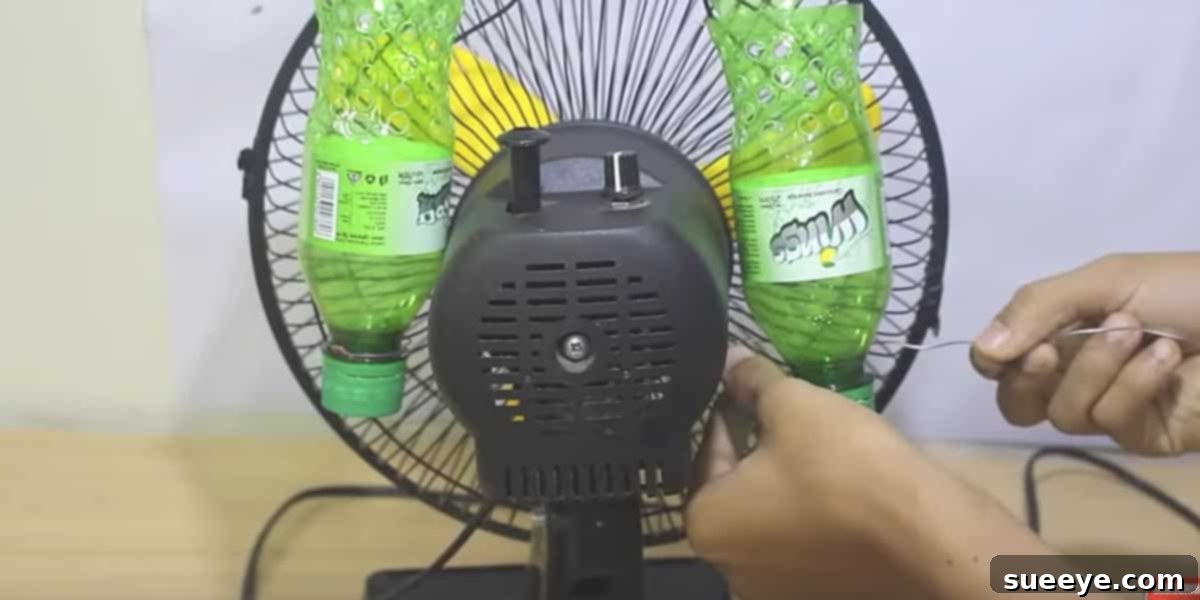
As the summer sun begins its relentless climb, bringing with it the promise of long, hot days, many of us find ourselves in a familiar struggle: how to stay comfortably cool without breaking the bank. The idea of attaching soda bottles to a fan might sound like something out of a quirky inventor’s workshop, or perhaps, as I first thought, one of the craziest contraptions imaginable! My initial reaction was a mix of confusion and pure disbelief – why would anyone do that? However, a deeper look reveals not just an ingenious hack but a truly brilliant solution to a common summer dilemma. This seemingly odd experiment harnesses a simple principle to transform your ordinary fan into a surprisingly effective personal cooler, offering a refreshing respite from the sweltering heat. Forget the daunting costs and energy consumption of traditional air conditioning units for a moment; what if you could achieve a noticeable drop in temperature using items readily available around your home? This innovative DIY approach offers a fascinating blend of practicality, sustainability, and affordability, proving that sometimes, the simplest ideas yield the most impactful results. Get ready to discover how a few common household items can revolutionize your summer comfort, providing a cool oasis right where you need it most.
Understanding the Summer Heat Challenge
The arrival of summer, while eagerly anticipated for outdoor activities and longer daylight hours, also brings with it the inevitable challenge of rising temperatures. Scorching heat can turn our homes, patios, and workspaces into uncomfortable, even stifling environments. Beyond mere discomfort, prolonged exposure to high temperatures can lead to decreased productivity, restless nights, and even health concerns. While a robust air conditioning system remains the gold standard for comprehensive cooling, it often comes with a hefty price tag – both in initial purchase and ongoing electricity bills. For many, investing in a full-sized AC unit for every room, or even for an outdoor area like a patio or garage, is simply not feasible. Furthermore, the environmental impact and energy consumption associated with constant air conditioning usage are growing concerns. This creates a significant gap for those seeking effective, yet affordable and eco-conscious, cooling solutions. We are all searching for clever ways to create a more comfortable ambiance in our living spaces, especially during those peak heatwaves, without contributing to soaring utility costs or unnecessary energy waste. The pursuit of a genuinely cool home isn’t just about a structure; it’s about efficient air circulation and innovative strategies to combat the heat directly at its source.
Introducing the Ingenious DIY Cooling Hack
Enter the world of resourceful DIY innovations, where everyday objects are reimagined to solve common problems. The soda bottle fan hack is one such brilliant example, turning skepticism into pleasant surprise. At first glance, the sight of plastic bottles affixed to the blades or casing of a common oscillating fan might seem like a peculiar, perhaps even comical, sight. However, this seemingly odd contraption is based on a surprisingly simple yet effective scientific principle: evaporative cooling. By strategically placing frozen or ice-filled bottles in front of the fan, the air drawn across these chilled surfaces becomes significantly cooler before being circulated throughout the room. As the ice melts, it absorbs heat from the surrounding air, and the fan then propels this refreshed, cooler air outwards. This method not only lowers the ambient temperature but also introduces a much-needed breath of fresh air, enhancing overall comfort. It’s an accessible, low-tech way to create a localized cooling effect, perfect for targeting specific areas or individuals without the need for complex machinery or costly installations. This project stands as a testament to the ingenuity of the DIY community, proving that you don’t always need advanced technology to make a substantial difference in your comfort levels during the summer months.
Benefits of This Budget-Friendly Cooling Solution
The widespread appeal of this DIY cooling solution stems from its myriad of practical benefits, making it an attractive option for anyone looking to beat the heat without financial strain:
- Unbeatable Cost-Effectiveness: The primary allure of this hack is its near-zero cost. Most of the required materials – an existing fan, empty soda or water bottles, and ice – are either already available in your home or can be sourced for mere pennies. This eliminates the significant upfront investment associated with traditional air conditioning units.
- Energy Efficiency at Its Best: Unlike power-hungry AC systems, this DIY cooler utilizes the minimal electricity consumed by your standard fan. By enhancing the fan’s cooling capability through ice, you achieve a greater cooling effect for the same energy input, leading to noticeable savings on your electricity bill.
- Remarkable Portability and Flexibility: Need to cool down while reading on the patio? Working in the garage? Or simply want to direct a cool breeze towards your bed at night? This portable setup can be easily moved and positioned exactly where relief is needed most, offering targeted cooling that traditional, fixed AC units cannot.
- Simple and Quick Construction: You don’t need to be a seasoned DIY expert to assemble this device. The process is straightforward, requiring minimal tools and time. Many tutorials, like those found from creators such as “Crazy BD,” guide you through each step, making it accessible for everyone to create their own cooling contraption within minutes.
- Environmentally Conscious Choice: Repurposing plastic soda bottles gives them a second life, preventing them from ending up in landfills and contributing to plastic waste. This makes the project an eco-friendly option for those mindful of their environmental footprint.
- Versatile Application: Whether you’re trying to keep your living room tolerable, cool down a stuffy home office, make your outdoor patio gatherings more pleasant, or create a comfortable environment in a notoriously hot garage workshop, this adaptable solution rises to the occasion. It’s particularly useful in spaces where installing a traditional AC unit would be impractical or excessively expensive.
How to Construct Your DIY Bottle Fan Cooler
While specific designs may vary, the core concept behind building your own soda bottle fan cooler remains consistent. To give you a conceptual understanding, here’s a generalized overview of the process:
- Gather Your Materials: You’ll primarily need an electric fan (preferably a standing or box fan), two or more empty plastic soda or water bottles (1.5 to 2-liter bottles work well), a cutting tool (utility knife or strong scissors), and some way to attach the bottles (zip ties, strong tape, or wire). And, of course, plenty of ice or frozen water.
- Prepare the Bottles: Carefully cut the bottom of each plastic bottle, and also make several small holes around the sides, especially towards the bottom. These holes are crucial for allowing the cool air to escape efficiently. You can also opt to cut off the very top to make filling easier, though this is not always necessary if you’re using ice cubes.
- Fill and Freeze: Fill the prepared bottles with water and freeze them solid. Alternatively, you can fill them with ice cubes immediately before use. Frozen bottles provide longer-lasting cooling.
- Attach to Your Fan: Securely attach the filled, frozen bottles to the back or sides of your fan. The goal is to position them so that the fan’s airflow passes directly over the chilled surfaces of the bottles. Zip ties or sturdy wire often work best for a stable attachment, ensuring the bottles remain safely in place while the fan operates. Some designs involve placing bottles within a custom housing on the back of the fan grille, further optimizing airflow.
- Power On and Enjoy: Once everything is securely in place, turn on your fan. As the fan draws air over the cold bottles, the air cools down significantly before being propelled into your space. The colder the ice, and the more airflow over it, the more effective your cooler will be.
Important Safety Note:
Always exercise caution when using cutting tools. Ensure bottles are securely fastened to prevent them from becoming dislodged during operation. Never obstruct the fan’s motor or vents, as this can lead to overheating. Always supervise children around any DIY electrical setup and ensure wires are neatly managed.
Beyond the Hack: Comprehensive Summer Cooling Tips
While this DIY soda bottle fan hack is a fantastic immediate solution, integrating it with other sensible summer cooling strategies will amplify your comfort levels. Think of it as one powerful tool in your overall arsenal against the heat:
- Strategic Window Management: Keep blinds, curtains, or shades closed during the hottest parts of the day, especially on south and west-facing windows, to block out direct sunlight and prevent solar gain. Open windows at night or in the early morning to allow cooler air to circulate.
- Stay Hydrated: Drink plenty of water throughout the day, even if you don’t feel thirsty. Dehydration makes you more susceptible to heat-related illnesses and can make you feel hotter. Consider electrolyte-rich drinks if you’re sweating a lot.
- Dress for the Heat: Opt for lightweight, loose-fitting clothing made from breathable fabrics like cotton or linen. Light colors reflect sunlight, while dark colors absorb it, so choose your attire wisely.
- Minimize Heat-Generating Appliances: Avoid using ovens, dishwashers, and clothes dryers during peak heat hours. These appliances generate a surprising amount of heat that can warm up your home considerably. Consider grilling outdoors or preparing no-cook meals.
- Take Cool Showers or Baths: A quick cool shower can significantly lower your body temperature and provide immediate relief. A damp cloth on your pulse points can also offer a quick cool-down.
- Optimize Fan Usage: Place fans strategically to create cross-ventilation. If using a ceiling fan, ensure it’s rotating counter-clockwise (when looking up) to push air down, creating a cooling breeze. In winter, reverse it to pull warm air up.
- Consider Exhaust Fans: Use kitchen and bathroom exhaust fans to pull hot, humid air out of your home, which is particularly effective after cooking or showering.
- Block Drafts and Seal Leaks: Ensure windows and doors are properly sealed to prevent hot air from seeping in from outside.
By combining the localized cooling power of your DIY bottle fan with these proven strategies, you can create a much more comfortable and bearable environment, even when the mercury soars.
Conclusion: Embrace Smart, Affordable Summer Comfort
From an initial head-scratching curiosity to a celebrated smart hack, the soda bottle fan cooler truly transforms how we approach summer heat. This project demonstrates that ingenuity doesn’t always require complexity or a hefty investment; sometimes, the most effective solutions are born from simple ideas and readily available materials. Whether your existing air conditioner is on the brink, or you simply want to supplement your cooling efforts without incurring high energy costs, this brilliant contraption offers a reliable and refreshing alternative. It’s an ideal choice for cooling down specific hot spots like a sun-drenched patio, a stuffy garage workshop, or even your bedside table for a more restful night’s sleep. By embracing this clever DIY solution, you’re not just creating a cooler space; you’re also making an environmentally conscious choice by repurposing plastic and saving on energy. So, as the temperatures climb, don’t resign yourself to discomfort or exorbitant utility bills. Take a cue from the innovative spirit of the DIY community, gather your materials, and prepare to experience a noticeably cooler and more enjoyable summer. This simple hack proves that sometimes, the coolest ideas are also the simplest.