
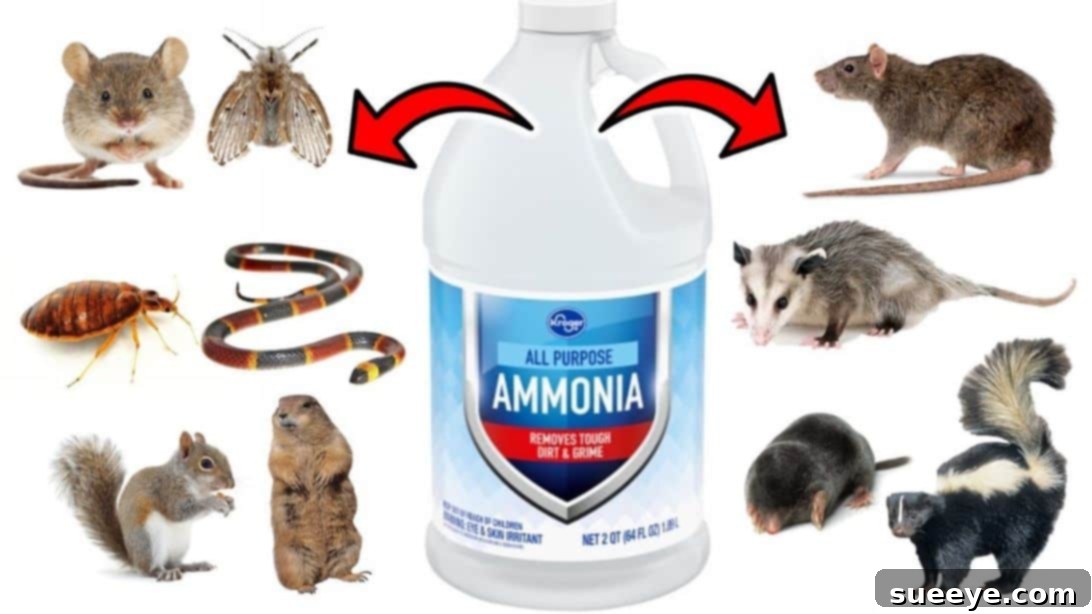
Effective & Safe Ammonia-Based Pest Control: A Comprehensive Guide
The unwelcome presence of pests in our homes can range from a minor annoyance to a significant problem, causing damage, spreading disease, and creating an uncomfortable living environment. While a plethora of commercial pest control products exist, many homeowners are seeking readily available, cost-effective, and powerful alternatives for deterring these intruders. Ammonia, a common household chemical, stands out as a surprisingly potent repellent due to its incredibly distinct and overwhelming odor.
This comprehensive guide explores the practical application of ammonia as a deterrent for common household pests such as rats, mice, squirrels, and skunks. We will detail specific methods for preparing and applying ammonia-based solutions to effectively encourage these animals to seek refuge elsewhere. However, it is paramount to underscore that while ammonia can be an effective repellent, its use demands the utmost caution and strict adherence to safety protocols. Incorrect use can pose serious risks to humans, pets, and the surrounding environment. Before you proceed with any of the methods described herein, thoroughly educate yourself on the necessary safety precautions and ensure you have all the appropriate protective gear. Above all, always keep these solutions and materials far away from the reach of children and household pets. For a visual demonstration and further insights into these methods, we recommend watching this informative video tutorial from Natural Health Remedies on YouTube.
Understanding Ammonia: Why It’s a Potent Pest Deterrent
Ammonia (NH₃) is a chemical compound widely recognized for its strong, pungent, and irritating odor. In the context of pest control, this powerful scent is its primary weapon. For many animals, especially rodents and various mammals, the smell of ammonia mimics several natural warning signs. It can be perceived as the scent of predator urine, indicating danger, or as the smell of decomposing organic matter, signaling an unsanitary or toxic environment. This natural aversion triggers an innate flight response in pests, compelling them to instinctively vacate the area in search of safer, more hospitable surroundings. Unlike many traditional pesticides that aim to eliminate pests through toxic means, ammonia serves as a powerful deterrent, encouraging pests to leave without causing direct harm, making it a more humane approach for many.
Essential Materials for Ammonia-Based Pest Control
Before you embark on any pest control efforts using ammonia, it’s crucial to gather all the necessary materials. Having everything prepared in advance not only streamlines the process but also ensures you can maintain safety throughout the application. Always prioritize quality and proper handling of these items.
- Household Ammonia (5-10% solution): This is the standard strength found in most supermarkets. Avoid industrial-strength ammonia unless you are a trained professional, as it poses higher risks.
- Liquid Dish Detergent: A small amount (e.g., a few drops) helps to reduce the surface tension of water, allowing the ammonia to mix more uniformly and spread more effectively.
- Water: Essential for diluting the concentrated ammonia into solutions suitable for various applications.
- Large Mixing Bowl or Bucket: Necessary for safely preparing larger volumes of the ammonia solution, especially for widespread applications.
- Old Rags or Cloth Strips: Ideal for soaking in ammonia, these provide a large surface area for the odor to evaporate and disperse, maximizing the deterrent effect.
- Small Plastic Cups: Perfect for holding undiluted or diluted ammonia in targeted, confined spaces where precise placement is needed.
- Spray Bottle: A versatile tool for applying diluted ammonia solutions in hard-to-reach crevices, along baseboards, or for broader coverage in certain areas.
- Mothballs (Optional for Skunks): While effective for skunks, mothballs contain toxic chemicals (naphthalene or paradichlorobenzene) and must be handled with extreme care and kept strictly out of reach of children and pets.
- Personal Protective Equipment (PPE): Essential for your safety. This includes durable rubber gloves to prevent skin contact, protective eyewear (goggles) to shield your eyes from splashes and fumes, and a respirator or face mask to minimize inhalation of strong ammonia vapors.
Critical Safety Precautions When Using Ammonia for Pest Control
Working with ammonia, even household-grade, requires a serious commitment to safety. Its fumes are potent and can cause irritation to the respiratory system, eyes, and skin. In high concentrations or poorly ventilated areas, exposure can lead to more severe health issues. Your safety, and the safety of everyone in your household, including pets, must be the top priority.
- Ensure Adequate Ventilation: Always work in a very well-ventilated area. Open all windows and doors in the vicinity. If working in an enclosed space like an attic, basement, or crawl space, use a fan to draw fresh air in and exhaust fumes out.
- Wear Full Protective Gear: Before handling ammonia, don appropriate personal protective equipment. This includes heavy-duty rubber gloves to prevent direct skin contact, safety goggles to protect your eyes from splashes and irritating fumes, and a respirator or face mask to minimize inhalation of vapors.
- NEVER Mix Ammonia with Bleach: This is a critical warning. Mixing ammonia with chlorine bleach (sodium hypochlorite) creates highly toxic chloramine gas. Inhaling this gas can cause severe lung damage, respiratory distress, and can even be fatal. Ensure no bleach-containing products are present in your work area or on any equipment you are using.
- Keep Away from Children and Pets: Ammonia solutions, ammonia-soaked rags, and especially mothballs must be placed in locations that are absolutely inaccessible to curious children and household pets. Ingestion of ammonia or mothballs can cause severe chemical burns, poisoning, and even death.
- Proper Storage of Ammonia: Always store ammonia in its original, tightly sealed, and clearly labeled container. Keep it in a cool, dry, well-ventilated area, away from direct sunlight and heat sources, and strictly out of reach of children and pets.
- Know First Aid Procedures: In case of accidental skin contact, immediately rinse the affected area with copious amounts of water for at least 15-20 minutes. If ammonia splashes into your eyes, flush them immediately with running water for at least 15-20 minutes and seek prompt medical attention. If fumes are inhaled and cause dizziness, nausea, or breathing difficulty, move to fresh air immediately. If symptoms persist or worsen, seek medical advice.
- Test Surfaces First: Ammonia can potentially stain, discolor, or damage certain finishes, fabrics, or materials. If you are concerned about damage, always test the solution on a small, inconspicuous area first before widespread application.
Detailed Directions for Repelling Specific Pests with Ammonia
#1: Repelling Rats with a Powerful Ammonia Solution
Rats are highly adaptable and possess an exceptionally keen sense of smell, which they use for navigation, foraging, and detecting threats. The intense, acrid odor of ammonia is profoundly repulsive to them, mimicking the presence of dangerous predators or indicating a highly unsanitary, dangerous environment. This makes ammonia a very effective deterrent to drive them out of your home.
Solution Preparation: To prepare a robust rat-repelling solution, you will need approximately one liter (or about 4 cups) of water in a large mixing bowl or bucket. To this, add two tablespoons of a standard liquid dish detergent. The detergent helps to break the surface tension, allowing for better emulsification and distribution of the ammonia. Finally, carefully pour in two cups of regular household ammonia. Stir the mixture thoroughly until all components are well combined.
Strategic Application: With gloves on, carefully place this bowl of solution in areas where you have confirmed rat activity or suspect their presence. Common rat-infested zones include basements, attics, crawl spaces, garages, utility rooms, and areas near trash cans or food storage. Rats often travel along walls and in hidden corners, so place the bowls strategically along these pathways. For more extensive infestations, consider using multiple bowls in various affected areas, especially near suspected nests or known entry points. The pervasive ammonia odor will make the environment utterly inhospitable for rats, compelling them to search for a new dwelling.
Maintenance and Observation: Regularly check the bowls to monitor the solution level and refresh it every few days, or sooner if the ammonia smell appears to weaken. You will know the method is working when you observe a significant reduction in rat droppings, gnaw marks, and actual rat sightings. Once the rats have seemingly dispersed, thoroughly clean and sanitize the area to remove any lingering scent trails that might attract new pests. Remember, ammonia acts as a deterrent; for a permanent solution, it must be coupled with sealing all entry points and meticulously eliminating all potential food and water sources.
#2: Deterring Squirrels from Attics and Other Spaces
Squirrels, while often charming in their natural habitat, can become destructive nuisances when they invade residential spaces like attics, crawl spaces, and sheds. They are notorious for chewing through electrical wiring, insulation, and wooden structures. Ammonia’s exceptionally strong odor is highly unpleasant and disorienting to squirrels, making it an excellent non-lethal method to encourage them to leave.
Preparation and Application: Gather multiple old rags or strips of cloth. Submerge these rags completely in undiluted household ammonia, ensuring they are thoroughly saturated. Using protective gloves, gently wring out any excess liquid to prevent dripping and ensure the rags are just damp. Carefully place these ammonia-soaked rags strategically throughout your attic or any other area where squirrel activity has been observed or is suspected. Focus on areas near potential entry points (e.g., roof eaves, vents, gaps), nesting sites (if identifiable), and their typical pathways. The intense, pervasive smell will create an overwhelmingly unpleasant environment that squirrels will instinctively avoid.
Effective Placement: For optimal results, position the rags near known or suspected access points, ensuring the scent barrier deters them from entering or re-entering. If squirrels have already established a nest, place rags in the vicinity of the nest, but always be mindful of ventilation. Once you are confident that all squirrels have vacated the premises, it is crucial to seal all potential entry points to prevent their return. This step is vital for long-term deterrence.
Reapplication and Patience: The effectiveness of this deterrent method is contingent upon the consistent presence of the ammonia odor. Re-soak and replace the rags every few days as the ammonia naturally evaporates. Patience is key; it may take one to two weeks of consistent application for the squirrels to fully vacate and remain away from the treated area.
#3: Managing Mice Infestations with Ammonia Applications
Mice, much like their larger rodent relatives, rely heavily on their acute sense of smell to navigate their environment, locate food sources, and detect threats. The acrid and overpowering scent of ammonia is incredibly disorienting and threatening to them, acting as a powerful repellent that disrupts their normal behavior patterns and strongly encourages them to seek more favorable, less hostile environments.
Method 1: Targeted Ammonia Cups: For precise and concentrated mouse control, obtain several small plastic cups. Fill each of these cups with undiluted household ammonia. Carefully place these cups in areas where you have observed significant mouse activity, or where they are likely to pass through or hide. Prime locations include inside kitchen cabinets, under sinks, in pantries, behind major appliances (like refrigerators and stoves), in seldom-used storage areas, or along baseboards where mice tend to travel. The concentrated fumes emanating from these cups will create an unbearable and hazardous environment, compelling the mice to flee the area.
Method 2: Versatile Ammonia Spray Solution: An alternative and often more versatile approach involves preparing an ammonia spray. Mix equal parts household ammonia and water in a clean spray bottle. Ensure you shake the bottle well before each use to ensure proper mixture and consistent application. Spray this solution directly into areas where mice have been seen, or in potential entry points, cracks, crevices, and other hidden pathways. The fine mist allows for broader coverage and can effectively reach areas that might be inaccessible to cups. When mice come into contact with or strongly smell this mixture, it overwhelms their senses, causing a strong aversion and prompting them to escape.
Effectiveness and Reapplication: Mice typically react very quickly to the presence of ammonia, often attempting to evacuate the treated areas almost immediately. To maintain effectiveness, replenish the ammonia in cups or re-spray the solution every 1-2 days, or as soon as you notice the ammonia odor dissipating. Consistent application is absolutely essential to ensure that mice do not return. For a comprehensive solution, combine this method with meticulous sanitation practices and diligently sealing off all potential entry points into your home, preventing future infestations.
#4: Keeping Skunks at Bay Using Ammonia and Mothballs (with Caution)
Skunks are perhaps most infamous for their incredibly potent defensive spray, making their presence around residential properties highly undesirable. Fortunately, skunks possess a strong aversion to certain intense odors, which can be leveraged for deterrence. These include citrus scents, the smell of predator urine (such as from dogs or coyotes), and notably, the powerful odors of ammonia and mothballs. These particular smells signal danger, an unsuitable habitat, or the presence of a threat, encouraging skunks to seek refuge elsewhere.
Ammonia Application for Skunks: To deter skunks using ammonia, soak several old rags or cloth strips thoroughly in undiluted household ammonia. Gently wring out any excess liquid to prevent unnecessary dripping. Carefully place these ammonia-soaked rags in areas where skunks are known to frequent or might enter your property. Common problem areas include under porches, sheds, decks, beneath foundations, or along the perimeters of gardens. The strong, irritating smell of ammonia will create an unwelcoming environment, deterring them from lingering, foraging, or establishing dens.
Mothball Application (Requires Extreme Caution): As an additional deterrent, or as an alternative in specific, highly controlled scenarios, mothballs can be used. Skunks are repelled by the strong, distinctive odor emitted by mothballs, typically containing naphthalene or paradichlorobenzene. Place a handful of mothballs inside small mesh bags, old socks, or perforated containers and position them in areas where skunks are problematic. However, it is absolutely paramount to **exercise extreme caution when using mothballs**. They are highly toxic if ingested by humans or pets and can cause serious illness or even death. Mothballs should only be used in areas that are completely inaccessible to children, pets, and non-target wildlife. In most household situations, prioritizing ammonia as the primary repellent method for skunks is generally a safer choice.
Maintaining the Deterrent Effect: The repellent effect of both ammonia and mothballs is temporary, as their chemical odors will dissipate over time. To maintain an effective deterrent, you will need to reapply ammonia by re-soaking rags every few days. Similarly, mothballs will need to be replaced as their scent diminishes, typically every few weeks. This strategy is most effective as a temporary measure to encourage skunks to relocate, rather than a permanent solution for deeply entrenched issues. For persistent skunk problems or concerns about humane wildlife management, consulting a professional wildlife control specialist is often the safest and most effective course of action.
General Tips for Effective and Sustainable Pest Management
While ammonia can be a powerful short-term deterrent, truly successful and sustainable pest control requires a comprehensive, holistic approach. Integrating ammonia-based methods with other proactive strategies will yield the best long-term results in keeping your home pest-free.
- Identify and Seal All Entry Points: Regularly and thoroughly inspect your home’s exterior and interior for any cracks, holes, gaps in foundations, walls, roofs, and around utility pipes or vents. Seal these openings using appropriate materials such as steel wool (for rodents), caulk, mesh, or expanding foam to prevent pests from gaining entry.
- Eliminate Food and Water Sources: Pests are primarily drawn to homes by the availability of food and water. Store all food items in airtight containers, promptly clean up any spills or crumbs, avoid leaving pet food out overnight, and promptly fix any leaky pipes, faucets, or other sources of standing water.
- Maintain Superior Cleanliness and Sanitation: Regular and thorough cleaning, vacuuming, and decluttering can significantly reduce potential hiding spots and eliminate food crumbs that attract pests. Remove clutter from basements, attics, and garages where pests might nest.
- Trim Vegetation Away from Your Home: Keep tree branches, shrubs, and other vegetation trimmed back and away from your home’s exterior walls and roof. Overhanging branches or dense shrubs can provide easy access points and sheltered pathways for rodents, squirrels, and other climbing pests.
- Monitor and Adapt Your Strategy: Continuously monitor for any lingering signs of pest activity (e.g., droppings, gnaw marks, sightings). If one method isn’t yielding the desired results, be prepared to adjust your approach, combine several strategies, or seek professional advice. Pests can be remarkably adaptive, so your management strategy might need to evolve.
- Complement with Non-Toxic Traps: For rodent problems, consider using humane catch-and-release traps or traditional snap traps in conjunction with ammonia deterrents. Ensure that any traps are placed safely away from areas accessible to children and pets.
When to Seek Professional Pest Control Services
While DIY methods like using ammonia can be quite effective for minor infestations or as temporary deterrents, there are specific situations where professional intervention becomes not just advisable, but often necessary. You should seriously consider contacting a qualified pest control service if you encounter any of the following scenarios:
- Severe or Widespread Infestation: If you are observing a large number of pests, suspect a deeply established colony, or find that the infestation is spreading rapidly, professional exterminators possess the specialized knowledge, tools, and experience to address the problem comprehensively and effectively.
- Persistent Failure of DIY Methods: If, despite consistent, correct, and diligent application of ammonia and other deterrents, the pests continue to persist or return, it often indicates a more complex issue that requires expert assessment and tailored solutions.
- Pests Posing Significant Health Risks or Damage: Certain pests can carry serious diseases (e.g., hantavirus from rodents, Lyme disease from ticks) or cause extensive structural damage to your property (e.g., termites, carpenter ants, severe rodent gnawing). In such cases, specialized handling and remediation are crucial.
- Discomfort or Inability to Manage Yourself: If the thought of directly dealing with pests or handling chemicals makes you uncomfortable, or if you lack the physical ability to safely apply deterrents and implement preventative measures, a professional service can provide peace of mind and effective solutions.
- Concerns with Wildlife Control: For larger or more aggressive animals like raccoons, opossums, or skunks that require humane capture, relocation, or specialized exclusion techniques, professional wildlife control specialists are the most appropriate and safest option.
- Unknown Pest Identification: If you are unsure about the type of pest you are dealing with, a professional can accurately identify the species and recommend the most effective and safe course of action.
Conclusion: Ammonia as a Cautious Yet Powerful Tool in Pest Management
Ammonia, when utilized responsibly and with strict adherence to safety protocols, can be an exceptionally effective and readily accessible tool in your arsenal against common household pests. Its distinctive and pungent odor acts as a powerful deterrent, encouraging unwanted visitors such as rats, mice, squirrels, and skunks to vacate your property without inflicting direct harm. The diverse methods outlined in this guide – ranging from ammonia-soaked rags to simple cups and versatile spray solutions – offer practical applications for various pest scenarios within and around your home.
However, the paramount importance of safety cannot be overstated. Always prioritize proper ventilation, wear adequate protective gear, ensure ammonia and all related materials are kept strictly out of reach of children and pets, and under no circumstances should ammonia ever be mixed with bleach. Remember that ammonia primarily serves as a deterrent; it typically works most effectively as part of a broader, integrated pest management strategy that includes rigorous sanitation, diligent sealing of entry points, and the elimination of all potential food and water sources. For persistent, severe, or complex infestations, consulting a qualified professional pest control service remains the safest, most reliable, and ultimately most effective course of action.
By thoroughly understanding both the potent capabilities and the inherent risks associated with ammonia, you can responsibly harness its repellent properties to foster a safer, more hygienic, and ultimately pest-free environment for your home and family.
*All images featured in this article are credited to Natural Health Remedies via YouTube. We highly encourage you to visit their channel for more insightful content and consider subscribing!
Disclaimer: The information provided in this article is intended for general informational purposes only and should not be considered as professional advice. Always exercise extreme caution when handling chemicals such as ammonia. For specific guidance tailored to your unique situation or for health and safety concerns, consult with a qualified pest control professional, healthcare provider, or relevant expert. The author and publisher explicitly disclaim any responsibility for any adverse effects, injuries, or damages that may result from the use or misuse of the information presented herein.