
Master the Art of Fluffy Scrambled Eggs: Your Ultimate Guide to Breakfast Perfection
Scrambled eggs are a beloved breakfast staple around the world, celebrated for their versatility, nutritional value, and comforting appeal. Yet, despite their apparent simplicity, achieving that perfect balance of fluffy texture, rich flavor, and delicate creaminess can often feel like an elusive culinary quest. Many home cooks struggle with eggs that turn out rubbery, dry, or even smell unappetizing due to overcooking. But what if we told you that the secret to consistently delicious, restaurant-quality scrambled eggs lies in just a few crucial techniques and a gentle touch?
This comprehensive guide is designed to transform your scrambled egg game. Drawing inspiration from expert culinary tips, including insights from channels like Amy Learns To Cook on YouTube, we’ll delve deep into the art and science of making scrambled eggs that are consistently light, airy, and bursting with flavor. Forget everything you thought you knew about frantic stirring and high heat; prepare to unlock the true potential of this breakfast classic. Get ready to impress yourself and your family with scrambled eggs that are not just good, but truly extraordinary.
Why Perfect Scrambled Eggs Matter: The Difference Between Good and Great
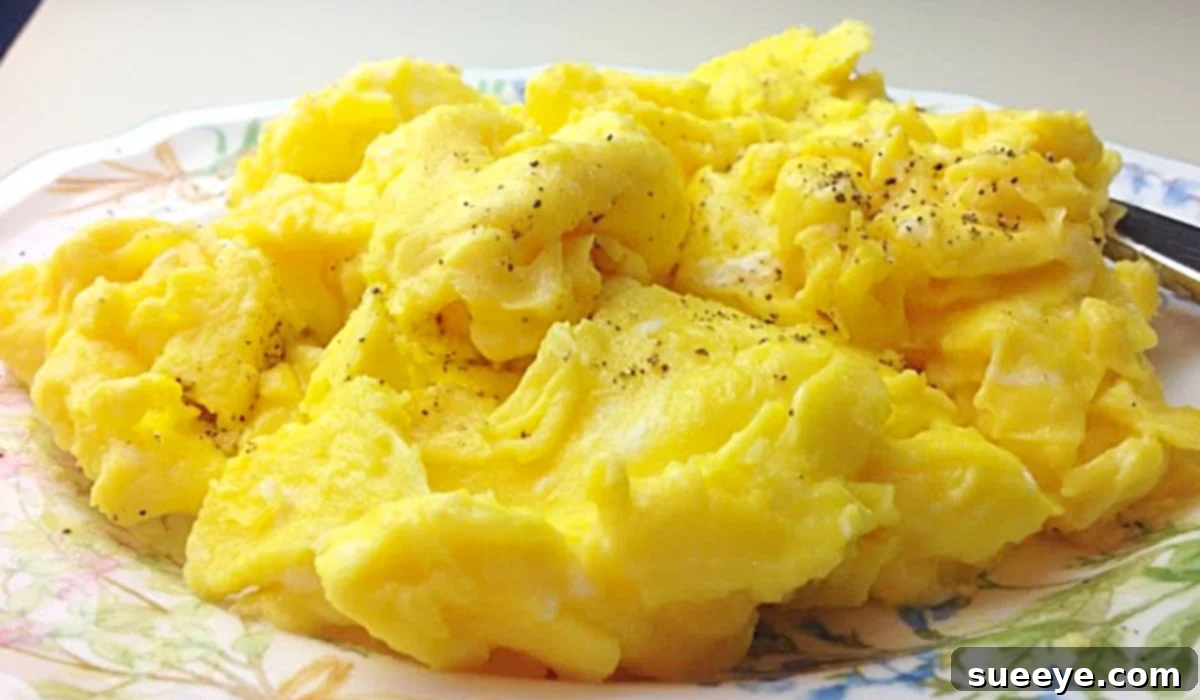
The difference between a mediocre plate of scrambled eggs and an exceptional one is profound. Perfectly cooked scrambled eggs are a symphony of delicate textures and fresh flavors. They boast a light, airy consistency, with curds that are moist and tender, melting in your mouth. The aroma is inviting, hinting at the simple goodness of fresh eggs and butter. This experience transforms a mere meal into a moment of pure culinary enjoyment, setting a positive tone for the entire day.
In stark contrast, overcooked eggs are a common pitfall. Even a minute too long on the heat can transform their delightful texture into something tough, rubbery, and unpalatable. The vibrant yellow fades, sometimes taking on a greenish tint, and a distinct, unpleasant sulfurous smell can emerge. The flavor becomes stale, and any hope of a satisfying breakfast vanishes. Understanding this critical distinction is the first step towards mastering the art of fluffy scrambled eggs. Our goal is to ensure you never have to endure a plate of less-than-perfect eggs again.
Essential Materials and Ingredients for Fluffy Scrambled Eggs
Crafting the perfect batch of scrambled eggs begins with selecting the right tools and fresh, high-quality ingredients. While the list is simple, each component plays a crucial role in achieving that desired fluffy texture and exquisite taste.
- A Non-Stick Pan: This is arguably the most critical piece of equipment. A good quality non-stick pan ensures that your eggs don’t adhere to the surface, making them easier to cook evenly and preventing breakage. If you have a perfectly seasoned cast-iron skillet, that can also work wonders, offering excellent heat retention and distribution, but it requires a very specific level of maintenance to achieve its non-stick qualities. For most home cooks, a reliable non-stick pan is the safest bet for consistently smooth results. A pan size of 8-10 inches is ideal for 2-4 eggs, allowing sufficient space for movement without overcrowding.
- Fresh Eggs: The fresher the eggs, the better the flavor and texture. Look for organic, free-range, or pasture-raised eggs if possible, as they often boast richer yolks and superior taste. The temperature of the eggs can also subtly impact the outcome; some chefs prefer to use eggs at room temperature, believing they scramble more evenly and incorporate air better, though cold eggs straight from the fridge work perfectly fine with proper whisking.
- A Whisk or Fork: Essential for thoroughly mixing your eggs. A whisk incorporates more air, leading to a lighter, fluffier result. If you don’t have a whisk, a fork will do the job, but ensure you beat the eggs vigorously enough to break down all the whites and yolks into a uniform, pale yellow mixture with a slight frothy appearance. The goal is to eliminate any visible “clear parts” (unmixed egg white).
- Unsalted Butter: Butter is not just for flavor; it’s key to achieving that luxurious texture and preventing sticking. Unsalted butter allows you to control the overall saltiness of your dish. If using salted butter, adjust any added salt accordingly. A tablespoon or two per batch of eggs usually suffices, providing enough fat to create a silky, rich finish. Alternatively, a neutral oil like avocado or grapeseed oil can be used, but butter offers a superior flavor profile.
- A Flexible Spatula: A silicone spatula is highly recommended. Its flexible edge allows you to gently scrape the bottom and sides of the pan without damaging the non-stick surface, and its soft material is perfect for carefully folding and pushing the delicate egg curds without breaking them apart too much. Avoid metal spatulas on non-stick pans.
- Salt and Freshly Ground Black Pepper: Seasoning is crucial. While some prefer to add salt after cooking to prevent eggs from toughening, a pinch of salt added before whisking can enhance the flavor significantly. Freshly ground black pepper adds a wonderful aromatic kick at the end.
- Optional Additions: Consider a splash of milk, cream, or even water (a tablespoon per two eggs) to add extra moisture and fluffiness, though many purists prefer just eggs. Cheese, fresh herbs (chives, parsley), or a dash of hot sauce can elevate your scrambled eggs into a gourmet experience.
Step-by-Step Directions: How to Cook Fluffy Scrambled Eggs Like a Pro
Achieving perfectly fluffy scrambled eggs is less about speed and more about precision and patience. Follow these easy, crucial steps to transform your breakfast routine. This method emphasizes gentle heat and minimal agitation, ensuring light, tender curds every single time.
Step 1: Prepare Your Eggs for Ultimate Fluffiness
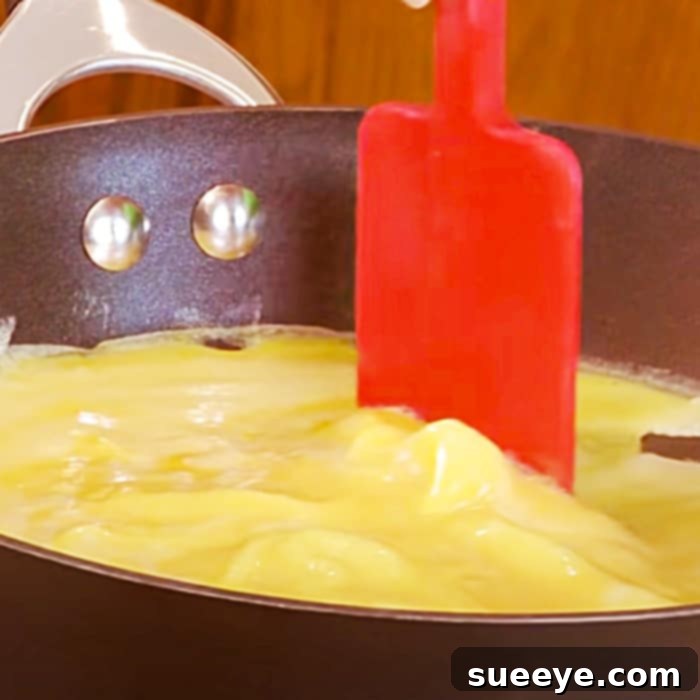
Begin by cracking your desired number of eggs into a bowl. For most people, two to three eggs per serving is a good starting point. Add a small pinch of salt and pepper now. Using a whisk or a fork, beat the eggs vigorously until they are thoroughly combined and no clear parts of the egg white remain. Continue whisking until the mixture is uniform in color and has a slightly frothy, airy appearance. This process incorporates air, which is fundamental to achieving that light, fluffy texture. Don’t be afraid to whisk for 30 seconds to a full minute; the more air you introduce, the lighter your eggs will be.
Step 2: Gently Heat the Pan and Melt the Butter
Place your non-stick pan over a low to medium-low heat. This slow and gentle approach to heat management is critical for preventing overcooking and ensuring even coagulation of the egg proteins. Add a tablespoon or two of unsalted butter to the pan. Allow the butter to melt slowly and coat the entire bottom surface of the pan. You want the butter to melt completely and just begin to sizzle very gently, indicating it’s hot enough, but not browned or smoking. Browning butter adds a nutty flavor, which might not be desirable for classic fluffy scrambled eggs, and too high heat will cook the eggs too quickly.
Step 3: Pour Eggs and Begin the Gentle Cook
Once the butter is perfectly melted and shimmering, pour the whisked egg mixture into the pan. Let the eggs sit undisturbed for about 30-60 seconds, allowing the bottom layer to set slightly. This initial setting phase is crucial; it forms the foundation for distinct, tender curds. Resist the urge to stir immediately. You’ll notice the edges of the eggs beginning to solidify and appear opaque.
Step 4: The Push-and-Fold Technique (No Stirring!)
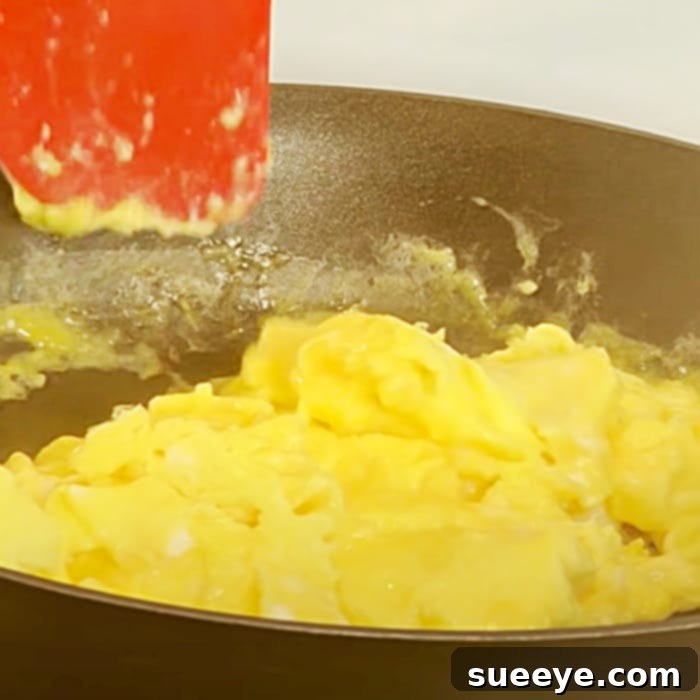
This is where the magic happens and where many traditional methods go wrong. Instead of vigorously stirring, use your flexible spatula to gently push the cooked egg edges from the outside of the pan towards the center. As you do this, the still-liquid egg mixture from the middle will flow into the newly cleared space on the outside. Repeat this gentle pushing and folding motion, allowing the uncooked egg to flow, moving the larger cooked curds from the edges towards the center. Do not stir your eggs continuously; I repeat, do not stir your eggs! This push-and-fold method creates larger, softer curds and allows for slow, even cooking, resulting in that coveted fluffy texture.
Step 5: The Final Gentle Movement and Removal from Heat
Continue the gentle pushing and folding, moving the cooked portions to the center and allowing the uncooked liquid to seep to the edges. You’ll notice the eggs slowly forming into soft, pillowy curds. As the eggs are about 80-90% cooked – meaning they are mostly set but still have a slight sheen of moisture or a tiny bit of visible liquid egg – remove the pan from the heat. The residual heat in the pan will continue to cook the eggs for a few more moments, carrying them to perfect doneness. This is critical for preventing overcooking. The eggs should be moist and tender, never dry or hard.
Step 6: Serve Immediately and Enjoy
Gently slide or spoon your perfectly fluffy scrambled eggs from the pan onto your plate. Serve them immediately to enjoy their optimal texture and warmth. At this point, you can add any additional seasonings like a final grind of black pepper, a sprinkle of fresh herbs (chives or parsley work wonderfully), or a handful of shredded cheese (which will melt beautifully from the eggs’ residual heat). These simple ideas, focusing on low heat and gentle handling, will consistently yield fantastic, fluffy scrambled eggs that will elevate your breakfast experience.
Common Mistakes to Avoid for Perfect Scrambled Eggs
While the steps to perfect scrambled eggs are straightforward, there are several common pitfalls that can derail your efforts. Being aware of these mistakes will help you steer clear of rubbery, dry, or otherwise disappointing results.
- Overcooking: This is by far the most common and detrimental mistake. Eggs continue to cook even after being removed from the heat. Always pull them off the stove when they are slightly underdone, still appearing moist and with a slight wet sheen. They will finish cooking on the plate, achieving that ideal tender consistency. Overcooked eggs become tough, dry, and often have an unpleasant sulfurous smell.
- Using High Heat: Cooking eggs over high heat causes them to cook too quickly and unevenly. The proteins seize up rapidly, resulting in small, firm, and often burnt curds. Always opt for low to medium-low heat to ensure a slow, gentle cook that promotes large, soft, and fluffy curds.
- Excessive Stirring: As highlighted in our method, continuous, vigorous stirring breaks down the curds into very small pieces and can make the eggs tough. The goal is to gently push and fold, allowing larger, softer curds to form and the uncooked liquid to flow. This creates layers of tender egg rather than a uniform, fine texture.
- Not Enough Fat: Butter or oil not only adds flavor but also prevents sticking and contributes to a richer, creamier texture. Skimping on fat can lead to dry eggs and difficulty in cooking them evenly without sticking to the pan.
- Adding Liquids Too Early or Too Much: While a tiny splash of milk or cream can add richness, too much liquid can dilute the egg flavor and sometimes make the eggs watery or runny. If you choose to add liquid, a tablespoon per two eggs is usually sufficient. Some chefs argue against any liquid, believing pure egg flavor is best.
- Seasoning Incorrectly: Some chefs advocate adding salt only at the very end, claiming that salt added too early can draw out moisture and make eggs watery or tougher. However, a small pinch before whisking can enhance flavor. Experiment to find your preference, but a final touch of salt and pepper after cooking is always a good idea.
Tips for Next-Level Scrambled Eggs
Once you’ve mastered the basic technique, consider these advanced tips to elevate your scrambled eggs to gourmet status:
- The “Low and Slow” Philosophy: Embrace ultra-low heat and constant, gentle folding over a longer period (5-10 minutes for a couple of eggs). This method, often favored by Michelin-star chefs, produces incredibly fine, creamy, and custard-like curds.
- Finishing with Crème Fraîche or Sour Cream: Stir in a tablespoon of crème fraîche, sour cream, or even cream cheese right after removing the eggs from the heat. This adds an incredible tang and richness, making the eggs exceptionally creamy.
- Incorporate Cheese Judiciously: If adding cheese, choose a good melting cheese like cheddar, Gruyère, or goat cheese. Add it during the last minute of cooking or right after removing from heat, allowing the residual heat to melt it smoothly into the eggs without making them stringy or greasy.
- Fresh Herbs are Your Friend: A sprinkle of fresh chives, parsley, dill, or tarragon adds brightness and aromatic complexity. Add them just before serving to preserve their vibrant color and flavor.
- Spice It Up: A dash of your favorite hot sauce, a pinch of red pepper flakes, or a sprinkle of smoked paprika can add a delightful kick.
- Consider Using a Double Boiler: For the ultimate creamy, slow-cooked scrambled eggs, some chefs use a double boiler over very low heat, constantly stirring. This gentle method ensures no direct heat contact, resulting in an exceptionally delicate texture.
Serving Suggestions for Your Perfect Fluffy Scrambled Eggs
Now that you’ve mastered the art of fluffy scrambled eggs, it’s time to enjoy them! While they are delicious on their own, pairing them with other breakfast components can create a truly memorable meal:
- Classic Toast or Sourdough: A simple yet perfect pairing. The crispy toast provides a lovely contrast to the soft eggs.
- Avocado Toast: For a trendy and nutritious option, serve your eggs atop mashed avocado on toast, perhaps with a sprinkle of everything bagel seasoning.
- Crispy Bacon or Sausage: The salty, savory crunch of bacon or a juicy breakfast sausage is an ideal complement to the rich eggs.
- Roasted Vegetables: Add a healthy twist with roasted asparagus, cherry tomatoes, or spinach wilted into the eggs.
- Hash Browns or Home Fries: A hearty side of crispy potatoes makes for a complete and satisfying breakfast.
- Fresh Fruit: A side of berries or sliced melon can offer a refreshing counterpoint to the richness of the eggs.
Conclusion: Embrace the Simplicity, Savor the Fluffiness
The journey to mastering fluffy scrambled eggs is a rewarding one. By understanding the importance of fresh ingredients, low heat, and gentle handling—specifically the push-and-fold technique—you can consistently create a breakfast that is far from ordinary. No longer will you dread the prospect of dry, rubbery eggs. Instead, you’ll look forward to the simple pleasure of light, airy, and flavorful scrambled eggs that melt in your mouth.
Remember, practice makes perfect. Don’t be discouraged if your first attempt isn’t exactly as you envision. Each time you cook, you’ll gain a better feel for the heat and the timing, allowing you to fine-tune your technique. Embrace the process, experiment with seasonings, and most importantly, enjoy the delicious results of your newfound skill. Your breakfast table (and your taste buds) will thank you for making the effort to achieve scrambled egg perfection.