
How to Effectively Clean and Lubricate Patio Doors for Smooth Operation
Patio doors are a fantastic feature in any home, offering natural light and easy access to outdoor spaces. However, over time, they can become notoriously difficult to clean and operate smoothly, especially older models with intricate metal tracks. Grime, dust, and debris accumulate in the most challenging spots, leading to stiff, sticky, or even grinding doors. Fortunately, bringing your patio door back to its former glory doesn’t have to be an all-day chore. This comprehensive guide will walk you through an effective cleaning and lubricating process, inspired by a brilliant video tutorial from Andrea Jean Cleaning on YouTube, that promises to cut your cleaning time in half and leave your patio doors gliding effortlessly.
Many homeowners, myself included, have struggled with the challenges of maintaining an older patio door. My own Seventies-style patio door, with its deep aluminum grooves in the tracks, was a constant source of frustration. The accumulation of dirt seemed impenetrable, making the door heavy and resistant to movement. Discovering Andrea Jean Cleaning’s method was a game-changer. It provided practical, simple steps that transformed a daunting task into a manageable one, proving that even the most stubborn patio doors can be restored with the right approach.
Why Patio Door Maintenance is Essential for Every Home
Beyond aesthetics, regularly cleaning and lubricating your patio doors offers several significant benefits:
- Extended Lifespan: Dirt and debris cause excessive wear and tear on rollers and tracks, leading to premature damage. Proper maintenance significantly prolongs the life of your door components.
- Smooth Operation: Lubricated tracks and clean rollers ensure your door glides open and closed with minimal effort, preventing frustration and potential injury from forcing a stuck door.
- Improved Energy Efficiency: A well-maintained door ensures seals close properly, preventing drafts and contributing to better insulation, which can save on energy bills.
- Enhanced Home Security: A door that functions correctly is easier to secure, as locks engage properly without being obstructed by grime.
- Better Aesthetics: A clean patio door, both glass and frame, enhances the overall appearance of your home and creates a more inviting atmosphere.
Essential Materials for Cleaning and Lubricating Your Patio Door
Before you begin, gather these simple yet effective tools. You likely have most of them already in your home:
- A Microfiber Cloth: Ideal for wiping away dirt and grime without scratching surfaces. Have a few on hand for different stages of cleaning.
- An Old Toothbrush or Small Detail Brush: Absolutely indispensable for reaching into the narrow, hard-to-access grooves of the patio door tracks. Its small bristles can dislodge stubborn dirt effectively.
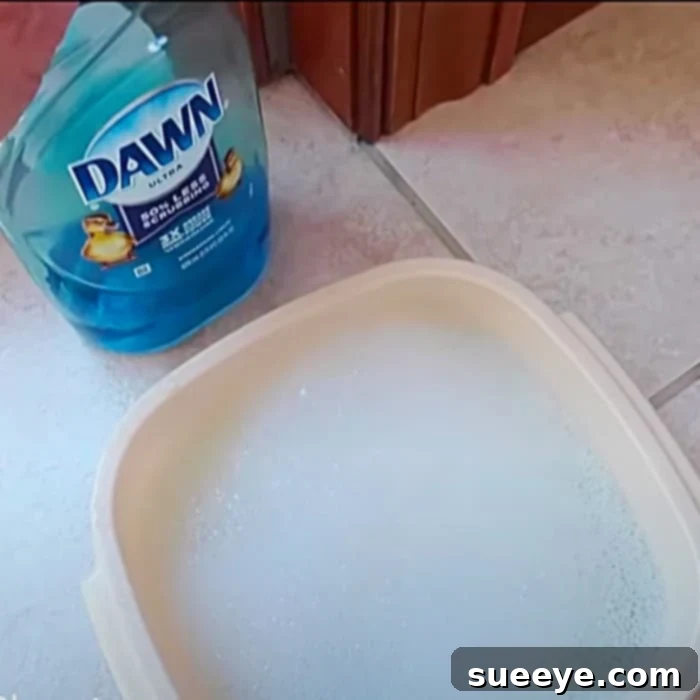
- A Bowl of Warm, Soapy Water: Dish soap like Dawn works exceptionally well due to its powerful degreasing properties, which are perfect for breaking down sticky residue and tough grime.
- A Bissell Steam Shot Cleaner (Optional but Highly Recommended): While not strictly necessary, a handheld steam cleaner can work wonders. The high-pressure steam loosens baked-on dirt and sanitizes the tracks, making manual cleaning much easier and more thorough.
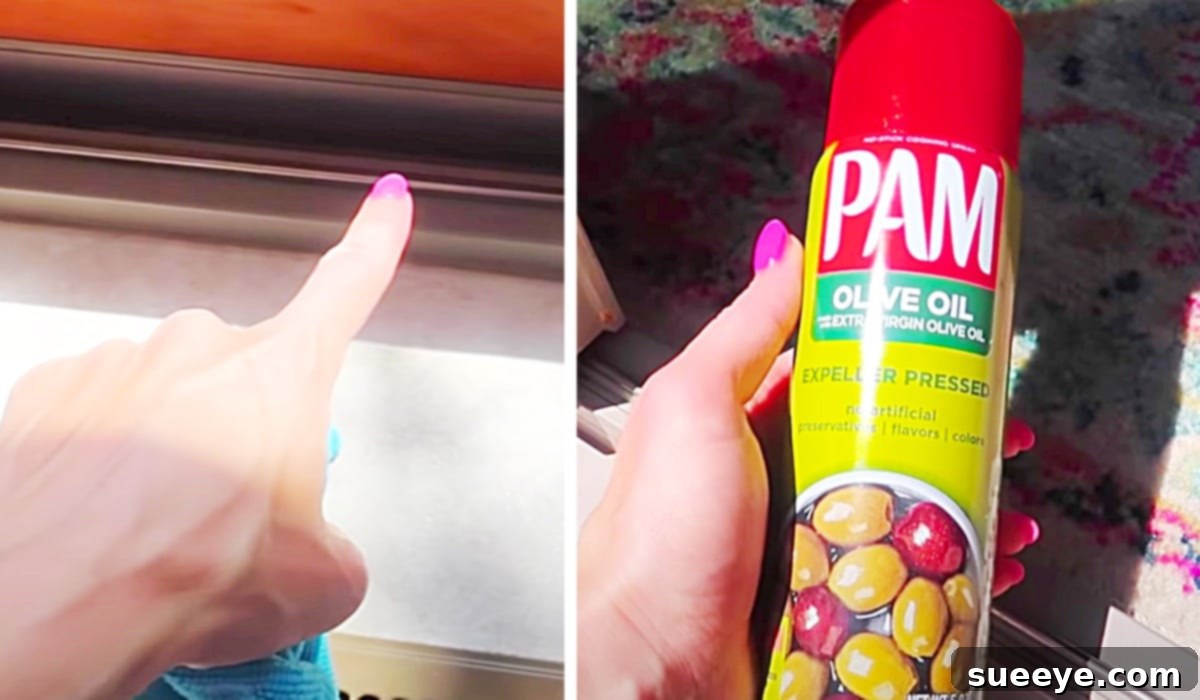
- Pam Cooking Spray or WD40: These common household items serve as excellent lubricants. Pam is a surprisingly effective and non-toxic option for tracks, while WD40 is a classic for its lubricating and rust-preventing qualities. Choose based on what you have and prefer.
- A Vacuum Cleaner with Crevice Tool: Useful for a preliminary clean to remove loose debris before wet cleaning.
- Protective Gloves: To keep your hands clean and protected from grime and cleaning solutions.
Step-by-Step Directions: Cleaning and Lubricating Your Patio Door
This method, inspired by the practical advice from Andrea Jean Cleaning, simplifies the process into manageable steps:
Step 1: Initial Preparation and Debris Removal
Begin by clearing the area around your patio door. Remove any mats, rugs, or potted plants that might be in the way. Use your vacuum cleaner with a crevice tool attachment to thoroughly suction out any loose dirt, leaves, pet hair, or other debris accumulated in the tracks. This preliminary step prevents you from simply spreading wet mud around later and makes the deep cleaning much more efficient. Pay close attention to corners and where the door typically rests, as these areas tend to collect the most gunk.
Step 2: Deep Cleaning the Tracks with Soapy Water and a Toothbrush
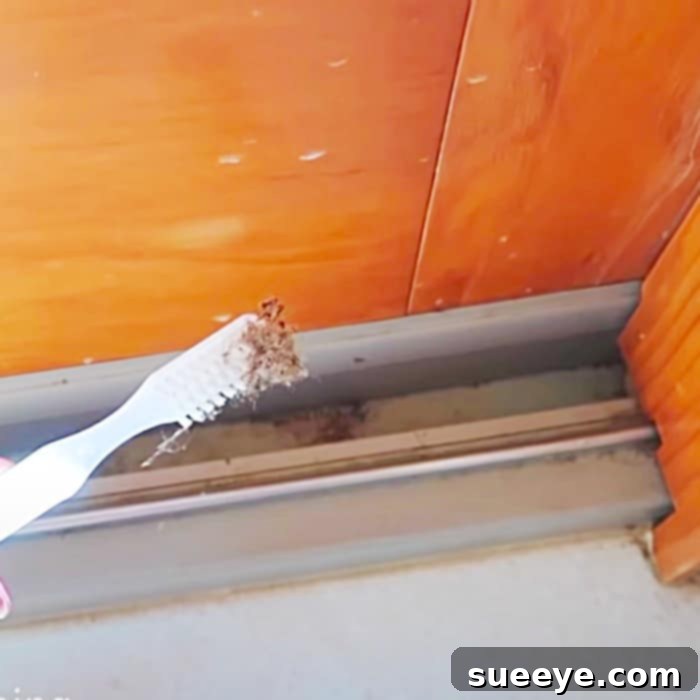
This is where the real work, and the magic, happens. Dip your old toothbrush into the bowl of warm, soapy water. Start scrubbing the tracks vigorously, focusing on the deepest grooves and tight corners where grime loves to hide. The bristles of the toothbrush are perfect for agitating and loosening stubborn dirt. As you scrub, you’ll notice the accumulated grime turning into a muddy solution. Use your microfiber cloth to wipe away this dirty water and lifted debris. Rinse your cloth frequently in clean water or use multiple cloths as needed.
Step 3: Utilizing a Steam Cleaner for Enhanced Cleaning (Optional)
If you have a Bissell Steam Shot Cleaner or a similar handheld steam device, now is the time to deploy it. Direct the nozzle into the tracks and release bursts of steam. The high temperature and pressure will effectively loosen and melt away even the most caked-on grime and grease. Follow up immediately with your microfiber cloth to wipe away the loosened dirt and excess moisture. The steam not only cleans but also sanitizes, providing an extra layer of freshness. This step is particularly beneficial for deeply embedded dirt that brushing alone can’t tackle.
Step 4: Cleaning the Door Frame and Glass
Once the tracks are sparkling, turn your attention to the rest of the door. Use your soapy water and a clean microfiber cloth to wipe down the entire door frame – top, sides, and bottom. Don’t forget the handles and any decorative moldings. For the glass panes, use a dedicated glass cleaner or a solution of water and white vinegar. Spray generously and wipe with a clean, lint-free microfiber cloth or newspaper for a streak-free shine. Work from top to bottom, overlapping your strokes.
Step 5: Lubricating the Tracks for Smooth Operation
After ensuring the tracks are completely clean and dry, it’s time to lubricate. This step is crucial for smooth, effortless gliding. Take your chosen lubricant – either Pam Cooking Spray or WD40 – and apply a thin, even layer along the entire length of the top and bottom tracks. If using Pam, a quick spray will suffice. If using WD40, a light mist is all that’s needed. The lubricant reduces friction between the rollers and the track, allowing the door to glide with ease. After applying, slide the patio door back and forth several times to distribute the lubricant evenly and work it into the rollers.
Step 6: Final Wipe Down and Inspection
Perform a final wipe down of any excess lubricant from the tracks and surrounding areas with a clean microfiber cloth. Inspect your patio door. Does it slide smoothly? Are the tracks clean and free of debris? Does the glass sparkle? You should notice a dramatic improvement in both its appearance and functionality. This transformation, particularly for older, neglected doors, is incredibly satisfying.
Advanced Tips and Preventative Maintenance for Lasting Results
To keep your patio door in top condition long after its initial deep clean, consider these additional tips:
- Regular Quick Cleans: Don’t wait for heavy build-up. A quick vacuum and wipe of the tracks once a month can prevent major grime accumulation.
- Check Rollers and Wheels: If your door is still sticking after cleaning and lubrication, the rollers themselves might be damaged or worn out. In some cases, these can be replaced, which is a relatively inexpensive repair compared to replacing the entire door.
- Inspect Weather Stripping: While cleaning, take a moment to check the weather stripping around your door. Damaged or worn stripping can lead to drafts and reduce energy efficiency. Replacing it can be a simple DIY task.
- Choose the Right Lubricant: While Pam and WD40 are effective for general use, for very high-traffic doors or specific materials, a silicone-based lubricant designed for sliding doors might offer longer-lasting results without attracting as much dust.
- Address Rust Early: If you notice any rust in metal tracks or components, address it promptly. Clean off the rust with a wire brush or sandpaper, then apply a rust-inhibiting primer before lubricating.
- Be Gentle with Glass: Avoid using abrasive cleaners or tools on glass to prevent scratches.
Embrace a Smooth-Gliding Patio Door
Cleaning and lubricating your patio door might seem like a daunting task, especially when faced with years of accumulated grime. However, by following this detailed guide, you can achieve remarkable results with minimal effort. The satisfaction of a patio door that glides open with a whisper, rather than a groan, is immeasurable. This improved functionality not only enhances your daily living but also contributes to the longevity and aesthetic appeal of your home.
Remember, consistent, gentle maintenance is key. Incorporate these steps into your regular home cleaning routine, and your patio doors will remain a source of joy and convenience for years to come. A huge thank you to Andrea Jean Cleaning on YouTube for sharing such valuable insights and inspiring a cleaner, smoother home for all of us!