
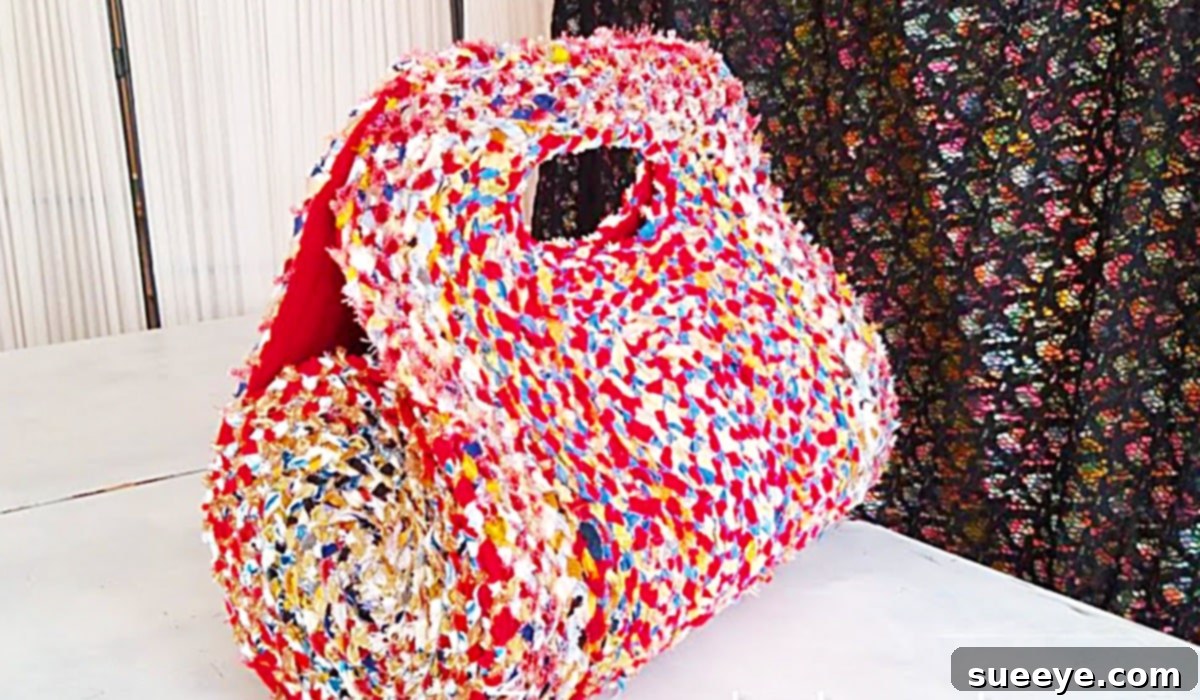
Create Your Own Upcycled Patchwork Sewing Bag: A Beginner-Friendly DIY Project
Are you searching for a creative and sustainable way to repurpose old denim and fabric scraps? Look no further! This delightful DIY patchwork sewing bag offers the perfect solution, combining minimal sewing with clever gluing techniques to create a functional and stylish accessory. Ideal for both seasoned crafters and absolute beginners, this project emphasizes eco-friendliness, customization, and the joy of making something truly unique. Whether you’re crafting it for yourself, as a thoughtful gift, or simply to reduce textile waste, this upcycled denim bag is a testament to the beauty of handmade crafts. Get ready to transform forgotten materials into a cherished item that’s as practical as it is charming.
The beauty of this project lies in its simplicity. Unlike many complex sewing patterns, this patchwork bag largely relies on a hot glue gun, Fabri-Tac, or Liquid Stitch, making it incredibly accessible for those who might be intimidated by extensive machine sewing. I recently embarked on this creative journey to craft a special gift for my niece, who is celebrating her 12th birthday this week. The process was not only enjoyable but also incredibly rewarding, resulting in a personalized item that she’s sure to adore. This bag isn’t just a pretty accessory; it’s a versatile companion for everything from light errands to heavy shopping, perfectly complementing any casual outfit with its rustic, unique charm.
The core idea revolves around giving new life to old jeans and leftover fabric pieces. Upcycling denim is a fantastic way to contribute to a more sustainable lifestyle, diverting textiles from landfills and turning them into something beautiful and useful. Imagine the stories your old jeans could tell, now reborn as a stylish bag! The design inherently embraces imperfections, allowing for a truly artistic and personal touch. There’s no single “wrong” way to arrange your patches, which liberates you from the pressure of perfection and encourages creative freedom. This makes the project highly appealing for anyone looking for a no-pressure, high-reward crafting experience.
Essential Materials for Your Upcycled Patchwork Bag
Gathering your materials is the first exciting step in any DIY project. For this patchwork sewing bag, you’ll find that many of the items are likely already lounging around your home or can be easily sourced from thrift stores, further enhancing its eco-friendly appeal. The focus here is on creative reuse, so don’t feel restricted by a strict shopping list; think resourceful!
- Old Jeans: The absolute foundation of your bag. Look for a pair that’s past its prime but still has sturdy fabric. The thicker the denim, the more durable your bag will be. You’ll primarily need one back pocket and a substantial section from the thigh area. The denim provides excellent durability and a classic aesthetic.
- Poster Board or Sturdy Cardboard: This will serve as the structural base for your bag, providing essential shape and stability. A sturdy cereal box, a thick bristol board, or a piece of an old shipping box could also work wonders, ensuring your bag maintains its form even when full.
- A Round Plate or Compass: Essential for drawing perfect circles, whether for the bag’s base or decorative elements. Any dinner plate from your kitchen will do, just ensure its diameter is the desired size for your bag’s base. For smaller bags, a saucer or even a large mug can serve as a template.
- Pencil or Fabric Marker: For accurately tracing patterns onto your poster board and fabric. A chalk pencil or disappearing ink marker is ideal for fabric, while a regular pencil works fine for cardboard.
- Sharp Scissors: A good pair of fabric scissors is crucial for clean cuts, especially through thick denim and multiple layers of fabric scraps. Invest in a pair dedicated to fabric to maintain their sharpness.
- Assorted Fabric Scraps: This is where your creativity truly shines! Gather an assortment of colorful or patterned fabric remnants. Cotton, linen, canvas, or even other denim pieces work wonderfully. Think about the color palette, textures, and patterns you want to incorporate into your unique patchwork design. Small pieces are perfect for this, making it a true scrap-busting project.
- Strong Fabric Adhesive: The magic behind the “minimal sewing” aspect. Choose one of the following for a durable and lasting bond:
- Hot Glue Gun: Known for its quick-drying properties and excellent ability to secure fabric quickly. Ensure you have plenty of glue sticks on hand, as you’ll be using a fair amount.
- Fabri-Tac: A highly popular fabric glue revered for its strong, permanent bond and flexibility once dry. It’s often favored for its professional finish and reliability.
- Liquid Stitch: Another reliable fabric adhesive that creates a durable, washable bond without the need for needles and thread. It’s a great alternative for those seeking a needle-free crafting experience.
Having all your materials organized before you begin will streamline the crafting process and allow you to immerse yourself fully in the creative flow. Remember, the beauty of patchwork lies in its eclectic nature, so embrace a variety of textures and colors in your fabric scrap collection!
Step-by-Step Guide to Crafting Your Patchwork Sewing Bag
While the detailed visual instructions are best followed through the accompanying video tutorial, here’s an overview of the simple and intuitive steps involved in creating this charming upcycled bag. This project is designed for ease, allowing you to focus on the joy of creating rather than complex techniques. For a complete visual walkthrough that brings these steps to life, be sure to check out the excellent video by World Of Needlework (Patchwork, and Embroidery) on YouTube.
Phase 1: Preparing Your Denim Base
Begin by carefully deconstructing your old jeans. The tutorial guides you to meticulously cut out one of the back pockets, ensuring it remains intact. This pocket will later become a functional feature of your bag. Subsequently, you’ll cut a generous section from the thigh area of the jeans. The unique aspect here, differentiating it from many other denim upcycling projects, is that you leave the thigh section attached initially. This provides crucial flexibility as you begin to design and conceptualize your bag’s form. You’ll then place the freshly cut pocket onto the thigh section as a temporary guide. This step isn’t about immediate adhesion but rather about helping you visualize and decide on the subsequent cuts and placements for your intricate patchwork design. This intuitive approach allows for organic design choices rather than rigid, pre-determined measurements, empowering your creativity from the outset.
Phase 2: Constructing the Bag’s Structural Shape
The poster board plays a crucial role in giving your bag its foundational and sturdy structure. Using your chosen round plate, accurately trace and cut out two identical circles from the poster board. These perfectly cut circles will form the robust base and potentially the top support of your bag. Next, you’ll need to create the main body piece from the poster board. This usually involves cutting a rectangular strip that will precisely wrap around the circular base, forming the side walls of your bag. Precise measurements here are key to ensuring your bag holds its shape well and stands upright. Once these poster board pieces are meticulously prepared, you will use them as templates to cut corresponding denim or other sturdy fabric pieces, which will ultimately cover the structural core, giving your bag its external appearance.
Phase 3: The Art of Patchwork and Primary Assembly
With your denim base prepared and structural components cut, it’s time for the creative magic of patchwork! This involves thoughtfully arranging your vibrant fabric scraps onto the denim pieces. Experiment freely with different colors, patterns, and sizes until you achieve a design that truly speaks to your artistic vision. Don’t be afraid to overlap or create unique geometric patterns. Once you are completely satisfied with your layout, you’ll meticulously secure each fabric scrap using your chosen strong adhesive (hot glue, Fabri-Tac, or Liquid Stitch). This precise gluing process allows for incredible artistic freedom, making each bag truly one-of-a-kind. After your patchwork design is complete and thoroughly dried, the tutorial will guide you on how to “sew the quilting pattern down.” This typically refers to either a minimal amount of actual hand or machine stitching to reinforce the edges of the patches for added durability, or a descriptive term for securing the patchwork in a quilt-like manner, possibly even with more strategic glue lines if traditional sewing is to be entirely avoided. This crucial step adds texture, robustness, and a professional finish to your design.
Phase 4: Finishing Touches and Attaching Straps
Finally, you’ll meticulously assemble all the prepared components. This includes attaching the patchwork-covered denim pieces to the poster board structure, ensuring everything is firmly and securely glued into place. Take your time during this step to ensure clean edges and a stable form. The tutorial will also demonstrate exactly how to create and attach the bag straps. These can be fashioned from leftover denim strips for a cohesive look, sturdy cotton webbing for extra strength, or even a pre-made strap for convenience. The key is to ensure they are robustly and securely fastened to withstand the weight of your bag’s contents, providing comfort and longevity. This final assembly brings your creation to life, transforming a humble collection of scraps into a beautiful, functional, and highly personalized bag. The result is a bag that not only serves its purpose but also tells a unique story of creativity, resourcefulness, and sustainable crafting.
Why Choose This DIY Patchwork Bag Project?
This isn’t just another crafting project; it’s an invitation to explore your creativity, contribute to sustainability, and create something truly personal and meaningful. Here’s why this upcycled patchwork bag stands out as an exceptional choice for your next DIY endeavor:
- Beginner-Friendly Accessibility: With minimal traditional sewing required, it’s an ideal project for those who are new to crafting or looking for a quick, satisfying creative outlet. The reliance on strong fabric glues makes it accessible and less intimidating than complex sewing patterns, opening up the world of DIY to everyone.
- Sustainable and Eco-Conscious: By ingeniously using old jeans and various fabric scraps, you’re actively participating in upcycling. This process reduces textile waste, diverts materials from landfills, and gives new life to items that might otherwise be discarded. It’s a small, yet significant, step towards a greener, more environmentally responsible lifestyle.
- Uniquely Customizable: Your bag will be genuinely one-of-a-kind! The vast choice of denim washes, an endless array of fabric scraps, and the freedom in arranging your patchwork design allow for limitless creative possibilities. You can perfectly match it to your personal style, create a themed gift, or simply let your artistic intuition guide you.
- Incredibly Cost-Effective: Since the primary materials are repurposed from items you already own or can easily source cheaply, this project is remarkably budget-friendly. You’re transforming “waste” into a valuable, stylish item without incurring significant expenditure, proving that creativity doesn’t have to be expensive.
- Functional and Remarkably Durable: Despite its simple, glue-based construction, the strategic use of sturdy denim and strong, reliable adhesives ensures that this bag is robust enough for daily use. It’s perfect for carrying groceries, books, crafting supplies, or your personal items with confidence.
- A Thoughtful and Personalized Gift Idea: A handmade gift carries immense sentimental value that mass-produced items simply cannot replicate. Crafting this unique bag for a loved one, like my niece, demonstrates a level of care, effort, and personalization that will be deeply cherished for years to come.
- Boosts Creativity and Mindfulness: Engaging in a hands-on project like this can be a wonderfully therapeutic and meditative experience. It allows you to disconnect from daily stressors, immerse yourself in a creative flow, and practice mindfulness, fostering a sense of calm and accomplishment.
The joy of completing a DIY project, especially one that is both practical and beautiful, is unparalleled. This patchwork bag is a testament to how simple, readily available materials, combined with a touch of ingenuity and passion, can yield extraordinary and personal results.
Tips for Success and Customization
To ensure your patchwork sewing bag turns out perfectly and truly reflects your unique style, consider incorporating these additional tips and ideas into your crafting process:
- Pre-wash All Fabrics: Always wash and thoroughly dry your denim and all fabric scraps before beginning your project. This crucial step prevents any future shrinkage and ensures all materials are clean and ready for crafting.
- Test Adhesives First: If you’re unsure about the performance or drying time of your chosen fabric glue, always test it on a small, inconspicuous scrap of fabric first. This helps you understand how it dries and holds before applying it to your main project.
- Layering for Visual Texture: Don’t hesitate to layer smaller fabric scraps over larger ones. This technique creates wonderful depth, visual interest, and a more intricate appearance in your patchwork design.
- Personalize with Embellishments: Once the main bag is assembled, consider adding extra decorative elements. Buttons, beads, simple hand embroidery stitches (even just a few for accent), fabric paint, or iron-on patches can personalize your bag even further and make it truly unique.
- Consider Adding a Lining: For enhanced durability and a more polished, professional finish, you might consider adding a simple fabric lining. While this could involve a bit more basic sewing, it significantly boosts the bag’s longevity and aesthetics.
- Explore Diverse Handle Options: While the video demonstrates how to make denim handles, you could also experiment with other options. Consider using colorful cotton webbing, sturdy rope, or even repurposed leather belts for a distinct and different look.
- Experiment with Size Variations: The fundamental principles of this project are incredibly scalable. Use a larger plate for a spacious market bag perfect for groceries, or a smaller template for a cute pouch ideal for cosmetics or small essentials.
This project is remarkably forgiving, making it an excellent canvas for experimentation. Let your imagination soar, allow your personal style to shine through, and truly enjoy the rewarding process of bringing your unique vision to life!
Conclusion: Embrace the Art of Upcycling with Your Unique Patchwork Bag
In a world increasingly focused on mass production and disposable goods, creating something beautiful and functional with your own hands offers a refreshing sense of accomplishment and individuality. This upcycled patchwork sewing bag, crafted from humble scraps, is far more than just a functional accessory; it’s a profound statement piece that embodies creativity, sustainability, and personal flair. The inherent ease of its construction, primarily relying on clever gluing techniques rather than extensive traditional sewing, makes it an incredibly accessible and enjoyable project for anyone, regardless of their prior crafting experience.
Imagine the pride and joy of carrying a bag that tells a unique story, a collection of forgotten fabrics transformed into a vibrant and personal tapestry of your own design. Whether it ultimately becomes your go-to companion for everyday errands, a stylish and practical tote for your crafting supplies, or a cherished, handmade gift for a loved one, this DIY bag is guaranteed to attract compliments and spark engaging conversations. It stands as a powerful testament to the idea that beauty, utility, and heartfelt craftsmanship can truly emerge from the most unexpected places – like an old pair of jeans and a handful of colorful fabric remnants.
So, gather your materials, watch the inspiring and instructive video tutorial by World Of Needlework, and embark on this profoundly rewarding creative journey. Unleash your inner artist, embrace the unparalleled joy of upcycling, and create a truly adorable, functional, and deeply personal patchwork sewing bag that perfectly reflects your unique style and values. Happy crafting, and enjoy the satisfaction of making something wonderful from scratch!