
Transform Your Garden with These 11 Brilliant & Natural Gardening Hacks
Every gardener, from novice to seasoned expert, is constantly seeking smarter, more sustainable ways to nurture their plants and cultivate a thriving outdoor oasis. The quest for effective yet eco-friendly gardening solutions often leads us down exciting paths, uncovering simple tricks that can make a world of difference. Recently, I stumbled upon a truly inspiring video from LifeHackz, showcasing 11 ingenious gardening hacks that are not only effective but also remarkably easy to implement. These aren’t just quick fixes; they are natural, cost-effective methods that align perfectly with a healthy, chemical-free gardening philosophy.
Having explored various innovative gardening strategies, from using Irish Spring Soap to deter garden critters to mastering the art of replanting common vegetables, I can confidently say that the tips shared by LifeHackz are absolute game-changers. I’m particularly excited to incorporate several of these brilliant ideas into my garden this season. Let’s delve into some of these fantastic natural gardening solutions that promise to simplify your efforts, protect your plants, and foster a more vibrant, productive garden environment.
Tip One: Cinnamon – The Natural Fungus Fighter for Seedlings
One of the most disheartening challenges for any gardener is watching delicate seedlings succumb to fungal infections. Damping-off disease, often characterized by a grey-white furry mold at the base of young plants, can quickly decimate an entire tray of promising sprouts. Fortunately, there’s a simple, readily available kitchen spice that offers a powerful, natural defense: cinnamon.
Cinnamon, beyond its aromatic appeal, possesses potent anti-fungal and antiseptic properties that make it an exceptional ally in the seedling stage. By lightly sprinkling ground cinnamon directly onto your seedlings and the surrounding soil, you create a protective barrier that inhibits the growth of common fungi responsible for damping-off. This humble spice acts as a natural fungicide, suppressing the pathogens before they can take hold and damage your vulnerable young plants. For sustained protection, continue this application as your plants mature, especially in humid conditions where fungi tend to thrive. This method is safe, natural, and highly effective for maintaining seedling health.
Image credit: LifeHackz via YouTube video.
Enhancing Plant Health and Root Systems with Hydrogen Peroxide
Beyond cinnamon, another incredibly versatile and natural compound for overall plant health is hydrogen peroxide. A common household antiseptic, a 3% hydrogen peroxide solution can be a game-changer for your garden. When diluted and applied correctly, it serves multiple beneficial purposes, acting as a natural booster for plant vitality:
- Disease Prevention: Its mild antiseptic properties help to prevent and control various plant diseases caused by bacteria, fungi, and even some viruses. Regular application, particularly on young plants or those susceptible to common ailments, can keep pathogens at bay.
- Improved Root System and Oxygenation: Hydrogen peroxide contains an extra oxygen atom which, when it breaks down in the soil, releases oxygen. This oxygenation can significantly improve the root system, promoting stronger, healthier root growth. Better-oxygenated roots are more efficient at absorbing water and nutrients, leading to overall plant vigor and resilience. It’s particularly beneficial in compacted or waterlogged soils.
- Nutrient Boost and Stress Reduction: By improving root health and discouraging pathogens, hydrogen peroxide indirectly helps your plants absorb nutrients more efficiently, contributing to lush foliage, abundant blooms, and a bountiful harvest. It can also help plants recover from stress, such as transplant shock.
To leverage these benefits, you can use a 3% hydrogen peroxide solution diluted (e.g., 1 part peroxide to 10 parts water) daily or every few days, either as a foliar spray on leaves (avoiding direct sunlight immediately after application) or as a soil drench around the base of plants. Always test on a small area first to ensure plant compatibility, and avoid using stronger concentrations unless specifically recommended for horticultural use, always wearing protective gear.
Tip Two: Crushed Eggshells – A Natural Barrier Against Pests
Slugs and snails are notorious garden villains, leaving a trail of destruction in their wake by munching on tender leaves and young plants. While chemical molluscicides are an option, many gardeners prefer a natural, eco-friendly approach to pest management. This is where crushed eggshells come into play as an ingenious, dual-purpose garden ally.
The sharp, jagged edges of crushed eggshells create an inhospitable barrier that soft-bodied pests like snails and slugs find incredibly difficult and unpleasant to cross. These unwelcome visitors simply cannot navigate the sharp fragments without risking injury, effectively preventing them from reaching your prized plants. To implement this hack, simply collect your eggshells, wash them thoroughly, allow them to dry completely, and then crush them into small, sharp pieces. You can do this by hand, with a mortar and pestle, or even in a food processor. Sprinkle a generous ring of these crushed shells around the base of vulnerable plants, along garden bed perimeters, or directly onto areas where slug and snail activity is observed. Not only do they act as a physical deterrent, but as they break down over time, eggshells also slowly release calcium into the soil. Calcium is an essential nutrient for plant growth, particularly beneficial for preventing blossom end rot in tomatoes and peppers, making this a truly win-win solution for your garden.
Image credit: LifeHackz via YouTube video.
Tip Three: Vinegar – The Natural Weed Killer
Weeds are an inevitable nuisance in any garden, competing fiercely with your cultivated plants for essential nutrients, water, and sunlight. While manual weeding can be laborious and chemical herbicides can be detrimental to the environment, beneficial insects, and even soil health, plain household vinegar offers a powerful and natural alternative. This acidic solution can effectively eliminate pesky weeds without introducing synthetic pesticides into your delicate garden ecosystem.
White vinegar, typically containing 5% acetic acid, works as a natural herbicide by drawing moisture out of plant cells, causing them to dehydrate and wither rapidly. When applied directly to weeds, you’ll observe them wilting and dying within 2-3 days, depending on the weed’s resilience and the weather conditions. For best results, choose a sunny, calm day to apply vinegar, as the sun’s heat enhances its effectiveness and minimizes the risk of drift onto desirable plants. Simply fill a spray bottle with undiluted white vinegar and target only the unwanted foliage, ensuring thorough coverage of the leaves. It’s crucial to be mindful to avoid spraying your cultivated plants, as vinegar is non-selective and will harm any plant it comes into contact with. For particularly stubborn or deeply rooted weeds, a slightly stronger horticultural vinegar (10-20% acetic acid, available at garden stores) can be used, but with extreme caution, always wearing protective gloves and eyewear. This method provides a clear conscience, knowing you’re maintaining a beautiful, weed-free garden through natural, environmentally responsible means.
Tip Four: Leftover Vegetable Water – A Homemade Liquid Fertilizer
In our efforts to create more sustainable and resourceful gardens, we often overlook simple kitchen byproducts that can be incredibly beneficial. One such gem is the water leftover from boiling or steaming vegetables. Instead of mindlessly pouring this nutrient-rich liquid down the drain, repurpose it to nourish your garden plants, turning what would otherwise be waste into a valuable, free resource.
When you boil or steam vegetables, many of their water-soluble vitamins, minerals, and other beneficial compounds leach directly into the cooking water. This includes essential macronutrients like nitrogen, phosphorus, and potassium (N-P-K), as well as vital micronutrients such as calcium, magnesium, and trace elements that plants need for robust and healthy growth. By allowing this “vegetable broth” to cool completely and then pouring it directly into your garden soil or around the base of your plants, you’re essentially providing them with a gentle, natural liquid fertilizer. It’s a wonderful way to recycle kitchen waste, enrich your soil with organic matter, and give your plants a mild, yet effective, nutrient boost without spending a dime on commercial fertilizers. Just ensure the water has cooled completely before application to avoid shocking the plant roots, and critically, avoid using water that has been heavily salted, contains cooking oils, or has strong spices, as these can be detrimental to plant health and soil microbes. This simple act transforms a kitchen byproduct into a powerful, free fertilizer, fostering vigorous growth and vibrant greenery in your garden.
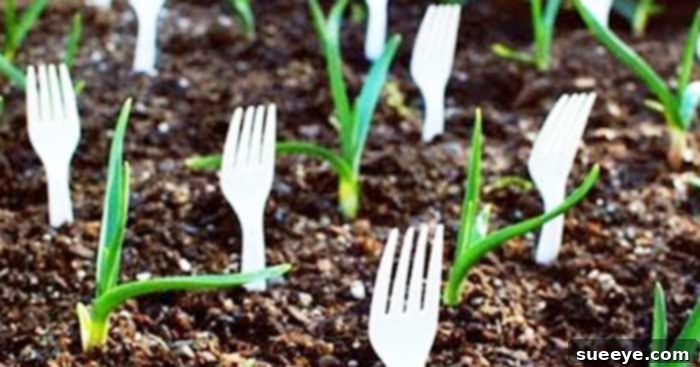
Tip Five: Plastic Forks – A Humane Animal Deterrent
Few things are as frustrating for a gardener as discovering that their hard work in the garden has been undone by curious pets or visiting wildlife. Cats digging up freshly planted seedlings, squirrels burying nuts in your meticulously prepared beds, rabbits nibbling on young sprouts, or birds pecking at ripening fruits can be a real headache. Before resorting to harsher or more elaborate deterrents, consider a simple, humane, and surprisingly effective solution: ordinary plastic forks.
The concept is brilliantly straightforward. By strategically placing plastic forks, tines-up, into the soil around your vulnerable plants, newly seeded areas, or across entire garden beds, you create a mild, physical deterrent. The upright spikes are uncomfortable and slightly unsettling for animals to step on or dig near, effectively discouraging them from entering the protected area without causing any actual harm. This method works particularly well for pets like cats, who dislike the sensation of the forks under their paws, and for small mammals who prefer not to navigate an obstacle course to reach your plants. It’s a non-toxic, reusable, and incredibly inexpensive way to safeguard your garden from unwanted intrusions. Position the forks closely enough to form a consistent deterrent barrier, especially around freshly planted areas, young plants, or plants that are frequently targeted. This ingenious hack allows you to protect your beloved plants and preserve your garden’s aesthetics while coexisting peacefully and humanely with neighborhood creatures and your own pets.
Discover More Ingenious Garden Solutions
These five brilliant hacks are just a glimpse into the treasure trove of natural and effective gardening solutions available. The full LifeHackz YouTube video features 11 amazing tips that can further enhance your gardening experience, making it more efficient, sustainable, and enjoyable. From nurturing fragile seedlings and protecting mature plants from pests to nourishing them organically, these methods empower you to cultivate a flourishing garden with minimal fuss and maximum ecological benefit.
Embracing these simple, natural hacks not only saves you time and money but also contributes significantly to a healthier environment, reducing reliance on synthetic chemicals and promoting a balanced ecosystem. We encourage you to explore these techniques, experiment with what works best for your specific garden needs, and discover how easily you can transform your garden into a vibrant, productive, and resilient space. Happy gardening!