
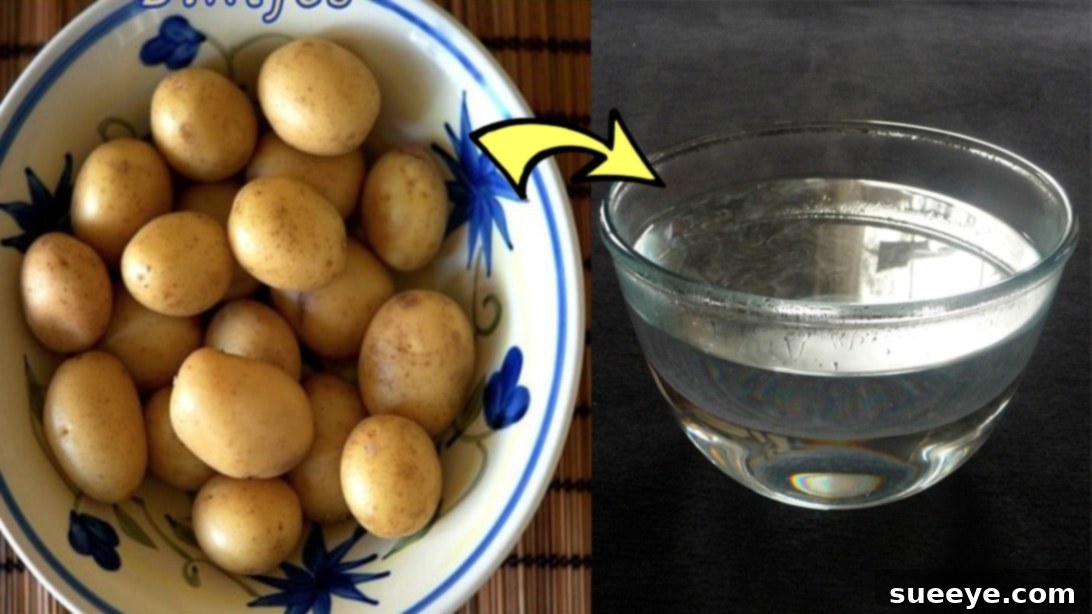
Potatoes, a humble yet indispensable staple, hold the distinguished position as the fifth most important crop globally, following wheat, corn, rice, and sugar cane. From their intriguing and sometimes feared introduction to Europe in the 18th century after Christopher Columbus’s voyages, these versatile tubers have transformed into a worldwide culinary favorite. Available year-round, potatoes are not only cost-effective to cultivate but also packed with essential nutrients and boast a naturally delicious flavor that makes them incredibly adaptable to countless dishes.
However, many home cooks have encountered a common and frustrating problem: the unwelcome browning of peeled potatoes. You might have experienced it yourself – you diligently peel and perhaps even slice your potatoes, set them aside to prepare other ingredients, and return to find them developing an unappetizing brown or greyish hue. This discoloration often leads to dismay and the unfortunate decision to discard them, questioning their freshness and suitability for cooking.
Before diving into the remarkably simple solution, it’s crucial to understand the scientific reason behind this natural phenomenon. Potatoes, much like apples, bananas, and avocados, contain enzymes called polyphenol oxidases (PPOs). When the potato’s protective skin is removed, exposing its flesh to oxygen in the air, these PPOs react with phenolic compounds naturally present in the potato. This enzymatic reaction is known as oxidation, and its visible result is the browning or darkening of the potato’s surface. While entirely safe to eat, browned potatoes can look less appealing and sometimes affect the texture or taste slightly. Fortunately, preventing this unsightly transformation is easier than you might think.
We’re here to share a foolproof method that has been a secret weapon for many chefs and home cooks, and which was effectively demonstrated by mahalocooking on YouTube. This technique relies on readily available items in any kitchen, ensuring your peeled potatoes remain perfectly fresh and vibrant until you’re ready to use them.
The Essential Method: Keeping Peeled Potatoes Fresh
Things You’ll Need:
- A spacious Bowl
- Abundant Cold Water
- Ice (optional, but highly recommended for optimal results)
- Access to a Refrigerator
- Your Potatoes, ready for peeling
Step-by-Step Directions:
1. Gather Your Supplies: Before you begin peeling, ensure you have all the necessary items within easy reach. This preparation step helps streamline the process and prevents any delays that could allow oxidation to start.
2. Prepare the Cold Water Bath: Fill your bowl with cold water. For even better results, especially if you plan to store the potatoes for a longer period (up to 24 hours), add a handful of ice cubes to the water. The colder the water, the more effectively it will inhibit the enzymatic browning process.
3. Peel Your Potatoes: Using a potato peeler or a sharp knife, carefully remove the skins from your potatoes. Work efficiently but safely.
4. Immediate Immersion: As soon as each potato is peeled, immediately place it into the prepared bowl of cold water. Ensure the potatoes are fully submerged. The water acts as a barrier, preventing oxygen from reaching the potato’s surface and thus halting the oxidation reaction.
5. Refrigerate for Freshness: Once all your potatoes are peeled and submerged in the cold water, cover the bowl (with a lid or plastic wrap) and place it directly into the refrigerator. The cool temperature of the fridge further slows down any enzymatic activity, preserving the potatoes’ fresh appearance and texture while you attend to slicing your other ingredients or other meal prep tasks.
6. Ready When You Are: As long as the potatoes remain submerged in the cold water bath within the refrigerator, they will keep their beautiful, fresh appearance for up to 24 hours. When you’re ready to cook, simply remove them from the water, pat them dry, and proceed with your recipe. This method is a game-changer for meal prepping, entertaining, or simply when you need a little extra time in the kitchen.
Beyond Cold Water: Other Smart Strategies to Prevent Potato Browning
While the cold water immersion method is highly effective, there are other complementary or alternative techniques you can employ, especially depending on how long you need to store them or how you plan to use them.
1. Acidic Solutions: Lemon Juice or Vinegar
Adding a splash of acid to your cold water bath can provide an extra layer of protection. Acids like lemon juice or white vinegar lower the pH level of the water, which effectively inhibits the activity of the browning enzymes (polyphenol oxidases). For every quart of water, add about a tablespoon of lemon juice or white vinegar. Be mindful that too much acid could subtly alter the potato’s flavor, so use it sparingly. This method is particularly useful if you want absolute assurance against browning or for potatoes destined for salads where a slight tang might be welcome.
2. Blanching
For longer-term storage or if you plan to freeze potatoes, blanching is an excellent option. Blanching involves briefly boiling the peeled potatoes (usually 2-5 minutes, depending on size) and then immediately plunging them into an ice bath to stop the cooking process. The heat from blanching effectively deactivates the browning enzymes, while the cold bath ensures they don’t overcook. After blanching, potatoes can be stored in the refrigerator for several days or frozen for several months without browning.
3. Vacuum Sealing
If you have a vacuum sealer, this can be a highly effective way to store peeled potatoes. By removing all oxygen from the packaging, you eliminate the primary cause of enzymatic browning. Vacuum-sealed peeled potatoes can last significantly longer in the refrigerator, sometimes up to a week, while maintaining their fresh appearance.
4. Coating with Oil (for immediate use)
If you’re preparing potatoes for roasting or frying and want to prevent browning just before they hit the oven or pan, tossing them in a light coating of oil (like olive oil or vegetable oil) can create a barrier against oxygen. This isn’t a long-term storage solution but is perfect for that short window between preparation and cooking.
Choosing and Storing Potatoes for Optimal Freshness
The journey to fresh, unbrowned potatoes begins even before peeling. Selecting high-quality potatoes and storing them correctly contributes significantly to their overall longevity and resistance to browning.
- Selection: Choose firm, smooth potatoes free from sprouts, green spots, soft spots, or blemishes. These are signs of age or improper storage, which can sometimes make them more susceptible to browning.
- Unpeeled Storage: Store unpeeled potatoes in a cool, dark, and dry place, such as a pantry or cellar, away from direct sunlight and extreme temperatures. A paper bag or mesh bag allows for good air circulation, which is vital. Avoid storing them in the refrigerator before peeling, as the cold can convert their starch to sugar, affecting flavor and texture. Also, keep them away from onions, as gases from onions can accelerate sprouting.
- Variety Matters: While all potatoes can brown, some varieties might be more prone than others. Starchy potatoes (like Russets) tend to oxidize faster than waxy varieties (like new potatoes or Red Bliss), which have lower starch and higher moisture content.
The Benefits of Keeping Potatoes From Browning
Preventing potatoes from browning offers several advantages that enhance your cooking and dining experience:
- Appealing Presentation: Dishes look more professional and appetizing when made with vibrant, fresh-looking potatoes. This is especially true for potato salads, gratins, or any dish where the potato’s natural color is visible.
- Consistent Texture and Flavor: While browning doesn’t make potatoes unsafe, prolonged exposure to air can sometimes lead to a slightly tougher texture or a subtle off-flavor. Keeping them fresh ensures optimal taste and consistency.
- Reduced Waste: By extending the usable life of your peeled potatoes, you reduce food waste and save money. No more tossing out perfectly good potatoes just because they’ve changed color.
- Efficient Meal Prep: These methods allow you to peel and prepare potatoes in advance, making meal preparation faster and less stressful, particularly for large gatherings or busy weeknights.
Final Thoughts: Say Goodbye to Browning Potatoes
Say goodbye to the frustration of unwanted browning potatoes and welcome beautifully fresh slices every time! This simple cold water and refrigeration technique, combined with a few other smart kitchen practices, will revolutionize how you prepare and store your beloved potatoes. You’ll never again have to wonder why your potatoes are turning brown or feel compelled to discard them prematurely.
Don’t forget to share this invaluable kitchen hack with your friends, family, and fellow food enthusiasts who might be struggling with similar browning potato problems. You never know; this might just be the kitchen life-saver they’ve been looking for. It’s always rewarding to discover new ways to keep your ingredients looking their best and tasting delicious, especially when dealing with common staples like potatoes.