
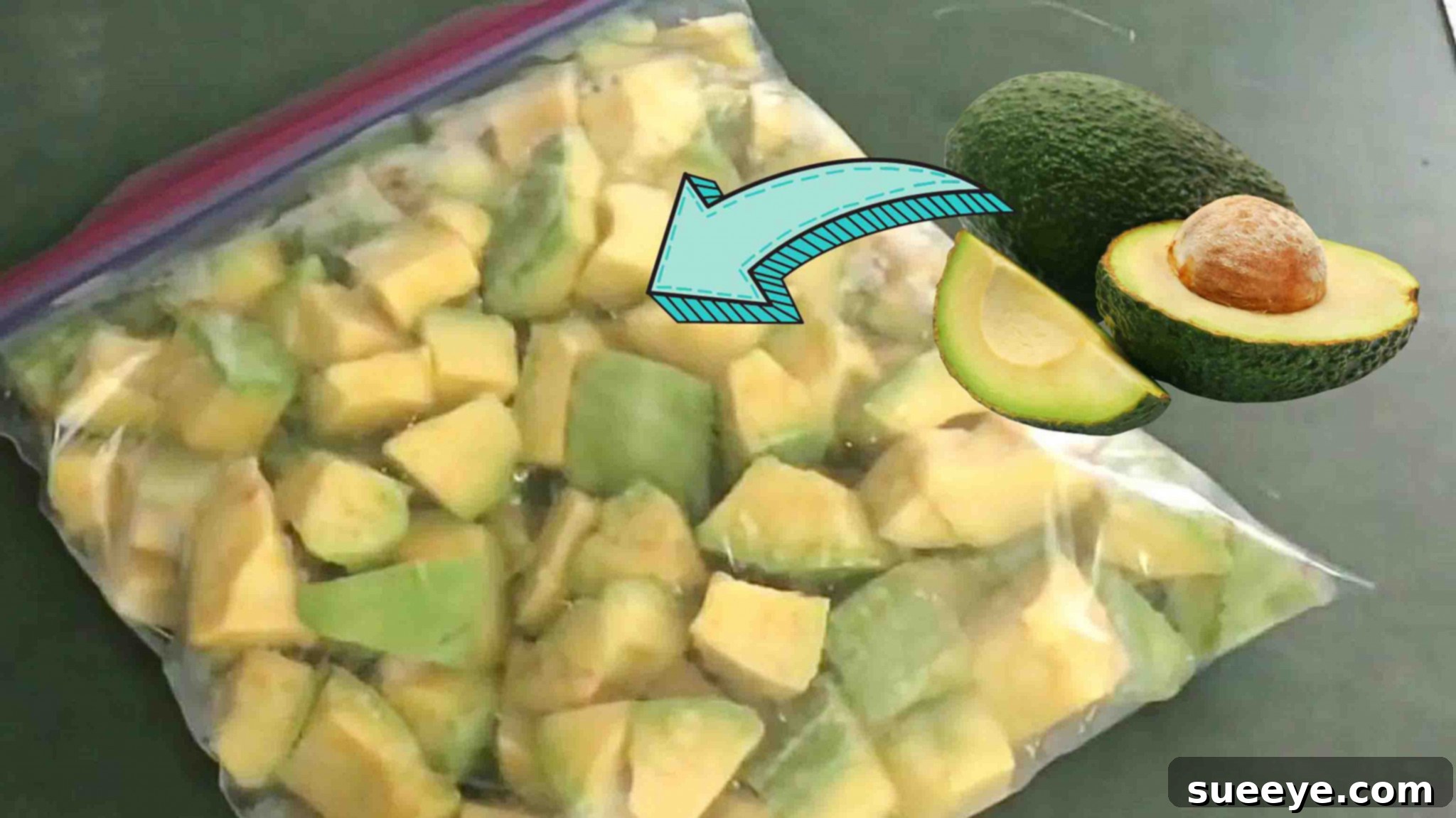
Avocados are undeniably a culinary treasure, celebrated for their creamy texture, rich flavor, and incredible nutritional profile. From healthy fats to essential vitamins, they are a staple in many health-conscious diets, including the popular ketogenic lifestyle. However, anyone who loves avocados knows their biggest challenge: their notoriously short shelf life. They seem to transition from perfectly ripe to overly soft and brown in the blink of an eye, often before you even get a chance to enjoy them. This delicate balance means that mastering the art of avocado preservation isn’t just a convenience; it’s a necessity for reducing food waste and ensuring you always have this versatile fruit on hand.
Fortunately, preserving avocados for future enjoyment is simpler than you might imagine, and it doesn’t require any special equipment or complicated techniques. This comprehensive guide, inspired by the brilliant tips from OBYMARTHA on YouTube, will walk you through a fast, easy, and incredibly effective method for freezing avocados that will revolutionize your meal prep and snack game. Get ready to extend the life of your favorite green fruit and unlock a world of culinary possibilities!
Why Freeze Avocados? The Ultimate Solution to Their Short Shelf Life
The struggle is real: you buy a bag of perfectly ripe avocados, only to find them spoiled a day or two later. Freezing offers a practical and economical solution to this common dilemma. Here’s why it’s a game-changer:
- Reduce Food Waste: No more throwing away brown, mushy avocados. Freezing allows you to save those perfectly ripe ones before they go bad.
- Cost-Effective: Avocados can be expensive. Buying them in bulk when they are on sale and freezing them can lead to significant savings over time.
- Convenience for Meal Prep: Having pre-portioned, frozen avocado means you’re always ready for a quick smoothie, a healthy spread, or a delicious dip. This is especially beneficial for those following specific diets like keto, where avocados are a key ingredient for healthy fats.
- Year-Round Availability: Enjoy the taste of fresh avocado even when they are out of season or difficult to find.
- Nutrient Retention: Freezing helps lock in the nutritional goodness of avocados, ensuring you still get all those beneficial vitamins, minerals, and healthy fats.
The Secret Ingredient: Preventing Oxidation
Avocados, once cut, are highly susceptible to oxidation, which is the chemical process that causes them to turn brown. This browning isn’t harmful, but it’s certainly unappetizing. The simple trick to combat this? Acid! Lemon juice or lime juice acts as a natural antioxidant, forming a protective barrier that significantly slows down the oxidation process. This crucial step is what allows your frozen avocados to maintain their vibrant green color and fresh flavor.
Materials: What You’ll Need
One of the best aspects of this preservation method is its simplicity. You won’t need any fancy gadgets or an extensive shopping list. All you need are a few basic kitchen items:
- Ripe Avocados: Choose avocados that are perfectly ripe but firm, not overly soft or bruised. A good sign of ripeness is a dark green to purplish-black skin that yields slightly to gentle pressure.
- Freezer-Safe Ziplock Bags: Or any other airtight, freezer-safe container. Gallon-sized bags are often ideal for larger batches.
- Lemon Juice (or Lime Juice): Freshly squeezed is always best, but bottled lemon or lime juice will also work effectively.
- Baking Tray or Plate: To flash-freeze the avocado pieces individually.
- Parchment Paper or Silicone Mat: Optional, but highly recommended to prevent sticking to the tray.
Directions: Simple Steps to Perfectly Preserved Avocados
Follow these easy steps to ensure your avocados are perfectly preserved and ready for future use:
Step 1: Prepare and Treat Your Avocados
The initial preparation is key to successful freezing. Start by thoroughly washing your avocados. While you won’t be eating the skin, cleanliness is important for food safety.
Next, carefully slice each avocado in half lengthwise. A sharp knife is essential for a clean cut. Once halved, gently twist the two halves apart. Remove the large seed from the center; you can usually do this by carefully tapping the seed with your knife blade and twisting, or by scooping it out with a spoon. Then, using a spoon, scoop out the vibrant green flesh from its skin. Discard the skin and seed.
Now, cut the avocado flesh into uniform pieces. While you can mash them at this stage, cutting them into chunks or slices offers more versatility for future use. Aim for pieces of similar size to ensure even freezing and easier portioning later. Place these avocado pieces onto a baking tray. For best results and to prevent sticking, line your tray with parchment paper or a silicone mat beforehand. Spread the avocado pieces across the tray evenly, ensuring they don’t touch each other too much. This “single layer” approach is critical for the next step.
Finally, generously sprinkle a sufficient amount of lemon juice (or lime juice) over all the avocado pieces. Ensure every piece is coated. You can gently toss them with your hands (wearing gloves, if preferred) or use a brush to make sure the acid reaches all surfaces. This lemon/lime juice acts as a protective shield, preventing oxidation and preserving the avocado’s beautiful green color and fresh flavor during freezing.
Step 2: Flash Freeze and Store
With your avocados prepared and coated, the next step is crucial for preventing them from clumping together in a large, unmanageable block. Carefully transfer the tray with the lemon-juice-treated avocado pieces into your freezer. Allow them to freeze completely, which typically takes about 2-4 hours, depending on the size of the pieces and your freezer’s temperature. The goal here is to “flash freeze” each piece individually.
Once the avocado pieces are solid, take the tray out of the freezer. Use a scraper, spatula, or even your hands to gently scrape the frozen avocado pieces off the tray. They should detach easily, especially if you used parchment paper or a silicone mat. Make sure to separate any pieces that might have frozen together, ensuring they remain individual, free-flowing chunks.
After separating, immediately transfer all the frozen avocado pieces into a large, freezer-safe ziplock bag or an airtight container. If using a ziplock bag, try to remove as much air as possible before sealing to prevent freezer burn. You can do this by pressing the air out or even using a straw to suck out the remaining air just before sealing the last inch. Label the bag with the date of freezing so you can track its freshness.
Place the sealed bag back into the freezer. Your avocados are now perfectly preserved and ready for whenever you need them. Simply take out the desired portions as needed, reseal the bag, and return the rest to the freezer. This method ensures you have a convenient, ready-to-use supply of avocados for all your culinary adventures.
Tips for Success with Frozen Avocados
To get the most out of your frozen avocado stash, consider these additional tips:
- Choose the Right Avocados: Only freeze perfectly ripe avocados. Under-ripe or over-ripe avocados won’t yield the best results after thawing.
- Portion Control: Consider dividing the frozen avocado pieces into smaller, single-serving bags before placing them in the larger freezer bag. This makes it easier to grab just what you need without thawing a whole batch.
- Prevent Freezer Burn: Air is the enemy of frozen food. Always ensure your ziplock bags are as air-free as possible. Vacuum-sealing is an excellent option if you have the equipment.
- Label Clearly: Always label your freezer bags with the date of freezing. Frozen avocados are best used within 4-6 months for optimal flavor and texture, though they can remain safe to eat for up to a year.
How to Use Your Frozen Avocados
While frozen avocados won’t have the exact same firm, creamy texture as a freshly sliced one, they are incredibly versatile once thawed. The freezing process can alter the cellular structure slightly, making them softer. This means they are ideal for applications where the avocado will be mashed, blended, or incorporated into a dish, rather than served as a fresh slice.
- Smoothies: This is arguably the best use for frozen avocado. Add them directly to your blender for an extra creamy, nutritious boost in your morning smoothie. They also help to thicken the consistency.
- Guacamole & Dips: Thaw them slightly, then mash them up with your favorite guacamole ingredients for a quick and easy dip. The lemon juice already present helps maintain color.
- Dressings & Sauces: Blend frozen avocado with herbs, spices, and a liquid base (like water, broth, or olive oil) to create creamy salad dressings or healthy sauces.
- Spreads: Thaw and mash for a healthy spread on toast, sandwiches, or wraps.
- Baked Goods: Believe it or not, pureed avocado can be a fantastic fat substitute in some baking recipes, adding moisture and nutrients.
To thaw, simply place the desired amount of frozen avocado in the refrigerator overnight, or for a quicker thaw, submerge the sealed bag in a bowl of cold water for 30-60 minutes. Avoid thawing at room temperature for extended periods.
Frequently Asked Questions About Freezing Avocados
How long do frozen avocados last?
When stored properly in an airtight container or bag, frozen avocados can last for up to 6 months while retaining good quality. They are generally safe to eat for up to a year, but the texture and flavor might degrade slightly after 6 months.
Can I freeze mashed avocado?
Yes, absolutely! Freezing mashed avocado is another popular and effective method. Simply mash your ripe avocado, mix thoroughly with a tablespoon or two of lemon or lime juice per avocado to prevent browning, and then transfer to an airtight container or ziplock bag. Press out all the air and freeze flat. This is particularly convenient if you know you’ll be using them specifically for guacamole, smoothies, or spreads.
Will the texture change after freezing?
Yes, the texture will change. Frozen and thawed avocado tends to be softer and less firm than fresh avocado. This is due to ice crystals forming during freezing, which can break down cell walls. For this reason, thawed avocado is best used in recipes where its creamy texture is desired, rather than as a firm slice (e.g., on top of a salad or in sushi).
Is it safe to freeze avocados?
Yes, it is perfectly safe to freeze avocados. Freezing is a natural preservation method that halts bacterial growth and enzyme activity, keeping the fruit safe to consume for an extended period.
Conclusion: Unlock the Power of Preservation
Preserving avocados doesn’t have to be a daunting task. With this simple and effective freezing method, you can bid farewell to wasted fruit and embrace the convenience of having avocados readily available whenever inspiration strikes. Whether you’re a keto enthusiast, a smoothie lover, or just someone who appreciates a good avocado, this tutorial equips you with the knowledge to extend their lifespan and maximize their enjoyment. So, the next time you find a great deal on ripe avocados, don’t hesitate – slice, lemon, freeze, and savor the goodness for months to come!