
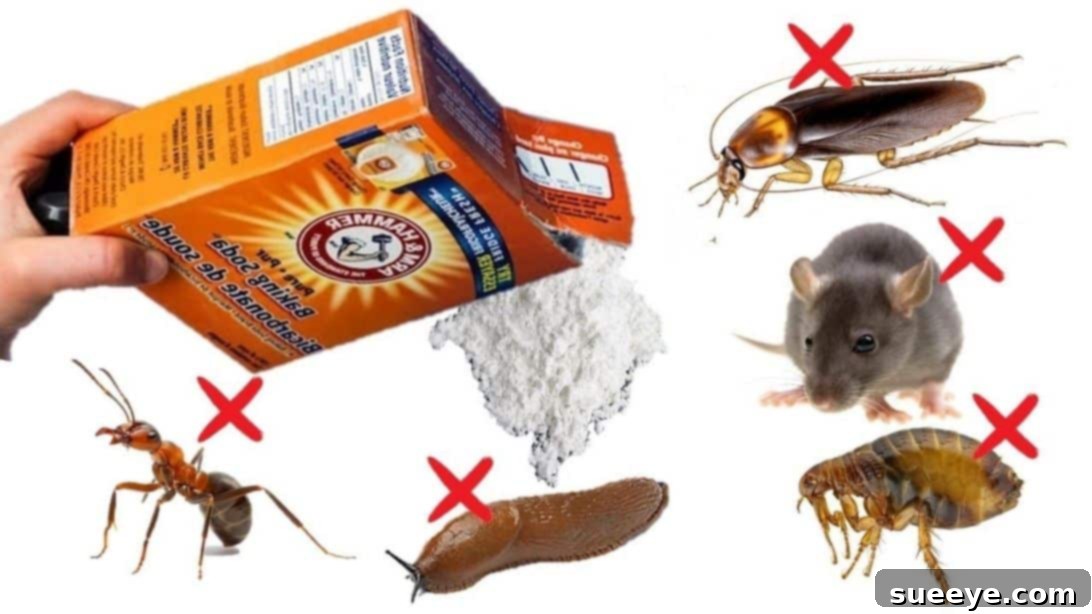
Battling stubborn pests can be a frustrating and costly endeavor. Many commercial pest control products contain harsh chemicals that pose risks to your family, pets, and the environment. But what if the most effective, safest, and cheapest solution was already sitting in your kitchen cupboard? Baking soda, or sodium bicarbonate, is a surprisingly powerful and versatile ingredient that can help you reclaim your home from unwelcome invaders. This natural, eco-friendly approach to pest management offers an excellent alternative to chemical treatments, providing a simple yet highly effective way to repel and eliminate a variety of common household pests. Prepare to transform your baking soda into your secret weapon against everything from crawling insects to sneaky rodents, all while maintaining a healthy, chemical-free living space.
The Unsung Hero: Baking Soda for Pest Control
Baking soda’s effectiveness in pest control stems from its unique chemical properties. When ingested by certain pests, it reacts with the acids in their digestive systems, producing carbon dioxide gas. Unlike humans, many insects and rodents cannot expel this gas, leading to a fatal buildup and expansion that ruptures their internal organs or causes severe dehydration. This mechanism makes baking soda a humane yet deadly solution for a wide range of pests.
In addition to its internal effects, baking soda acts as a powerful desiccant. When applied topically to pests with soft bodies or exoskeletons, it absorbs moisture and slowly dehydrates them, leading to their demise. This dual action makes it an invaluable tool for a comprehensive, natural pest management strategy.
Essential Materials for DIY Pest Control
Before you begin your natural pest elimination journey, gather these basic ingredients, most of which you likely already have on hand:
- Fresh Baking Soda (Sodium Bicarbonate)
- Water
- Sugar (as an attractant for some pests)
- White Vinegar (for specific applications like drain pests)
- Flour (for bait preparation)
- Salt (for enhanced dehydration in specific cases)
Ensuring your baking soda is fresh is crucial for its effectiveness. You can test its potency by adding a small amount of water to it; if it fizzes vigorously for several seconds, it’s fresh and ready for action. If not, it’s time to replace it to guarantee optimal results.
Specific Pest Control Methods with Baking Soda
Cockroaches: A Sweet Trap with a Deadly Secret
Cockroaches are resilient and notoriously difficult to eliminate, but baking soda offers a simple yet potent solution. The key is to entice them to consume it. Create an irresistible bait by mixing equal parts of dry baking soda and sugar. The sugar acts as a powerful attractant, luring these pests to the mixture. It is essential that this mixture remains completely dry; any water or liquid will trigger the reaction prematurely and render it ineffective.
Once ingested, the baking soda reacts with the water and acids naturally present within the cockroach’s body. This reaction produces carbon dioxide gas, which the cockroach cannot expel due to its rigid exoskeleton. The internal pressure builds, leading to the crushing of their internal organs and ultimately, death. Strategically sprinkle this dry mixture in areas where cockroaches are frequently seen, such as under sinks, behind appliances, in cabinets, and along baseboards. Reapply regularly, especially after cleaning, to maintain an active deterrent.
Centipedes: Clearing Drains and Drowning Pests
Centipedes often seek refuge in damp, dark environments like drains. To effectively remove them and prevent their return, a powerful bubbling reaction is your best ally. Begin by slowly pouring approximately one cup of baking soda down the affected drain. This gradual application helps the baking soda coat the interior of the pipes thoroughly. Next, carefully pour about two cups of white vinegar down the same drain. The combination of baking soda and vinegar will produce a vigorous fizzing reaction, generating a significant amount of carbon dioxide gas.
This expanding gas and the surging mixture effectively push debris and, crucially, drown centipedes lurking within the drain system. For severe infestations, you might need to repeat this procedure several times. Allow the mixture to sit for at least 30 minutes, or even overnight, before flushing with hot water. This method not only eliminates centipedes but also helps to clean and deodorize your drains, making them less appealing to future pests.
Snails and Slugs: Dehydration in the Garden
Snails and slugs can wreak havoc on gardens, munching through leaves and leaving a trail of slime. Baking soda provides an immediate and effective method for their removal. When sprinkled directly onto a snail or slug, the baking soda adheres to their moist, mucus-covered skin and rapidly begins to absorb moisture, leading to severe dehydration. This process can be slow and distressing for the creature.
For a more humane and quicker elimination, apply a more generous amount of baking soda directly onto the pests. To deter future invasions and protect your plants, lightly sprinkle baking soda onto the soil around the perimeter of your garden beds or individual plants. This creates a barrier that slugs and snails are reluctant to cross, as contact with the baking soda initiates the dehydrating effect. Reapply after rain or watering to maintain the protective barrier.
Ants: Eliminating the Colony from Within
Ant infestations are a common household nuisance, but baking soda can help you target the entire colony. Similar to cockroaches, baking soda is lethal to ants upon ingestion because it reacts with the water and acids in their bodies, causing expansion and dehydration. The strategy here is to leverage the worker ants’ foraging habits to deliver the bait to the nest.
Prepare an enticing bait by mixing equal parts of baking soda and sugar. Place small piles of this dry mixture in areas where you observe ant activity, particularly along their trails. Worker ants, attracted by the sugar, will carry the mixture back to their colony, where it will be shared with other ants, including the queen. To maximize your chances of eliminating the entire infestation, locate the ants’ nest if possible (often identifiable by a small mound of dirt or a crack in a wall) and surround it with a liberal application of your baking soda and sugar mixture. This ensures a direct attack on the source of the problem, leading to colony collapse.
Mice and Rats: A Digestive Disaster
Rodents like mice and rats are intelligent and adaptable pests, but they possess a critical physiological vulnerability that baking soda exploits: they cannot burp or expel gas from their digestive systems. When they ingest baking soda, it reacts with their stomach acids, producing carbon dioxide gas that builds up without any means of release. This internal pressure is extremely uncomfortable and ultimately fatal for the rodents.
To create an effective bait, mix one part baking soda, one part sugar (as an attractant), and one part flour (as a binding agent and additional food source). For example, use 2/3 cup of each ingredient. Once thoroughly combined, gradually add a small amount of warm water, just enough to form a thick, pliable paste. Shape this paste into small balls, roughly the size of marbles. Place these bait balls in discreet locations where you’ve observed rodent activity, such as behind appliances, in basements, attics, or under cabinets. Ensure these baits are placed out of reach of children and pets. Regularly check the bait stations and replenish as needed until signs of rodent activity cease.
Fleas: Drying Out the Infestation
Fleas are notoriously difficult to eradicate due to their rapid breeding cycle and the resilience of their eggs. Baking soda, particularly when combined with salt, provides a potent dehydrating agent that is fatal to both adult fleas and their eggs. This method targets fleas in your home’s environment, where the majority of the flea population resides.
Create a powerful flea-killing mixture by combining equal parts of fresh baking soda and fine table salt. Sprinkle this mixture liberally over carpets, rugs, upholstered furniture, pet bedding, and any other soft furnishings where fleas or their eggs might reside. Use a stiff brush or broom to work the mixture deep into the fibers, ensuring maximum contact. Allow the mixture to sit overnight, or for at least 8-12 hours, to effectively dehydrate the fleas and eggs. The next morning, thoroughly vacuum all treated areas. Immediately dispose of the vacuum bag contents outside your home to prevent any surviving fleas from escaping.
For fleas on your pets, a gentle baking soda bath can offer relief and eliminate adult fleas. Mix 1½ cups of water with 1 teaspoon of baking soda. After thoroughly wetting your pet’s fur, gently work this mixture into their coat, avoiding the face and eyes. Allow it to sit for about a minute, then rinse thoroughly. Always consult with your veterinarian before using any new treatments on your pets, especially if they have sensitive skin or existing conditions. Repeat the environmental treatment every few days for a couple of weeks to catch any newly hatched fleas and completely break their life cycle.
Bedbugs: A Paste for Their Hiding Spots
Bedbugs are elusive nocturnal pests that hide in cracks and crevices, making them challenging to combat. Baking soda can be part of an integrated approach to reduce their population. Create a thick paste by mixing baking soda with a small amount of water. This paste should be thick enough to adhere to surfaces without dripping.
Carefully spread this paste into the most common hiding places for bed bugs: along mattress seams, bed frames, cracks in walls, baseboards, and any other suspected harborage areas. The baking soda acts as a desiccant, dehydrating the bedbugs that come into contact with it. During the night, as bedbugs emerge from their hiding spots to seek a blood meal, they may encounter and consume the paste. While this method may not be a complete standalone solution, it contributes to reducing their numbers. It is advisable to sleep in a different room or a treated area while this treatment is active. Regularly vacuum the treated areas, dispose of the contents, and reapply the paste as needed until the infestation is under control. For severe bedbug infestations, professional help is often recommended in conjunction with home remedies.
General Tips for Effective Baking Soda Pest Control
- Check Freshness: Always test your baking soda for freshness as described earlier (fizzing with water). Old baking soda loses its potency.
- Consistency is Key: Natural remedies often require consistent application. Don’t expect immediate eradication with a single treatment.
- Safety First: While baking soda is generally safe, always keep bait mixtures for rodents or other pests out of reach of children and household pets.
- Identify the Pest: Ensure you accurately identify the pest you’re dealing with, as methods vary for optimal effectiveness.
- Cleanliness: Maintain a clean environment. Eliminating food sources and clutter significantly enhances the effectiveness of any pest control method, natural or otherwise.
- Monitor and Adapt: Observe the results. If a particular method isn’t working as expected, consider adjusting the concentration, placement, or frequency of application.
Embracing baking soda for pest control is a smart, environmentally conscious choice that offers an affordable and effective alternative to harsh chemical treatments. By understanding the simple science behind its action and applying these methods consistently, you can create a safer, healthier home environment free from unwanted pests. Give these DIY remedies a try and experience the remarkable power of this everyday kitchen staple.
*All images are credited to Natural Health Remedies via YouTube. We encourage you to visit their channel and subscribe for more insightful content on natural health and home remedies!