
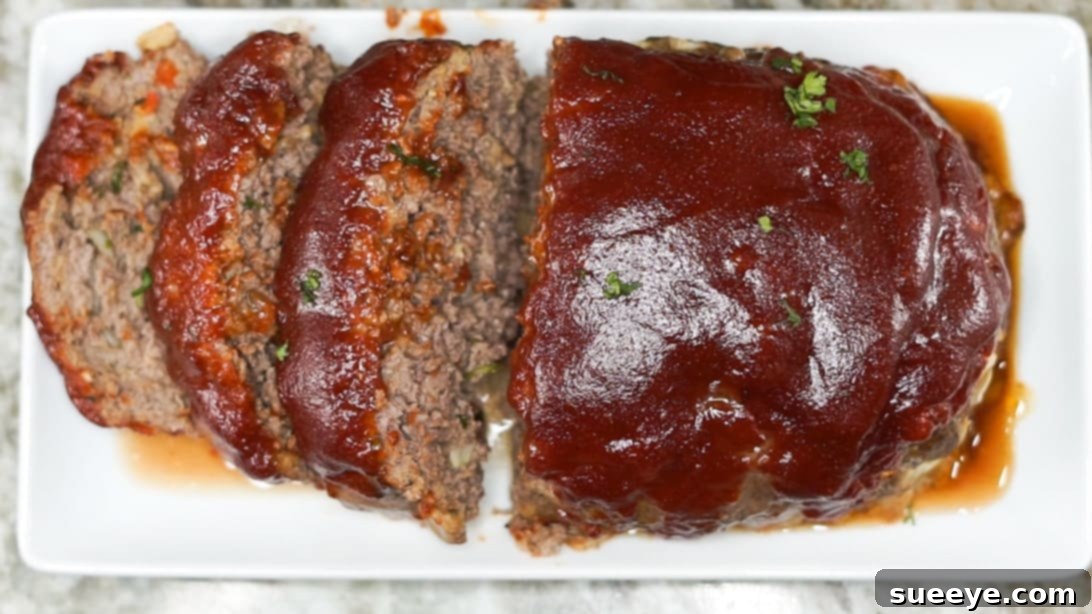
There’s nothing quite like a classic meatloaf to bring warmth and comfort to the dinner table. It’s a timeless dish, deeply rooted in culinary traditions worldwide, celebrated for its versatility and hearty appeal. Yet, for many home cooks, meatloaf can be a source of frustration, often turning out dry, bland, or crumbly. If you’ve ever yearned for that perfect, melt-in-your-mouth texture paired with an explosion of savory flavor and a tantalizing glaze, then you’ve come to the right place. We’re thrilled to share an extraordinary recipe that promises to transform your meatloaf experience forever: the Easy and Juicy Meatloaf Recipe by the acclaimed Island Vibe Cooking.
This isn’t just another meatloaf recipe; it’s a meticulously crafted guide designed to deliver unparalleled juiciness, rich flavor, and a heavenly sweet and savory glaze that will elevate your weeknight meals to gourmet status. Forget the days of dry, uninspired meatloaf. Island Vibe Cooking’s approach focuses on key techniques and quality ingredients to ensure every slice is tender, moist, and bursting with deliciousness. What makes this recipe truly stand out is its simplicity and affordability. You don’t need exotic ingredients or complex culinary skills to achieve a restaurant-quality dish right in your own kitchen. It’s the ideal choice for busy families, novice cooks, and seasoned chefs alike, proving that the best comfort food doesn’t have to break the bank or demand hours of preparation. Prepare to delight your family and friends with a meatloaf so good, it might just become your new signature dish!
Ingredients for an Unforgettable Meatloaf
Crafting the perfect meatloaf begins with selecting the right ingredients. Each component in this recipe plays a crucial role in achieving that desirable moist texture and complex flavor profile. We’ve broken down the ingredients for both the succulent meatloaf base and the irresistible glaze, explaining the purpose of each.
For the Meatloaf:
- 2 lbs of Ground Beef (85% or 90% Lean): The foundation of your meatloaf. Using ground beef with an 85% or 90% lean fat content is crucial. The remaining fat renders during baking, infusing the meatloaf with moisture and flavor, preventing it from drying out. While leaner beef can be used, you might sacrifice some juiciness. Consider opting for high-quality, grass-fed beef for a richer taste profile.
- 1 Tablespoon of Olive Oil: Primarily used for sautéing aromatics, olive oil adds a subtle fruity note and helps release the flavors of the vegetables more intensely. It also contributes a small amount to the overall moisture of the mixture.
- 1 Onion (Finely Diced): Onions are a cornerstone of savory dishes, providing essential aromatic depth and a touch of sweetness when cooked. Finely dicing ensures they integrate seamlessly into the meatloaf without creating large, chunky bites, ensuring a smooth texture.
- 2 Tablespoons Garlic (Minced): Garlic is indispensable for its pungent, savory flavor that complements beef beautifully. Minced garlic distributes evenly throughout the mixture, ensuring every bite carries its distinctive aroma and taste without being overpowering.
- 4 Slices of Cuban or Italian Bread: This is the secret ingredient for a truly juicy meatloaf! The bread, when soaked in milk, forms a “panade” that acts as a binder and a moisture reservoir. It absorbs juices released during cooking and prevents a dense, dry texture. Cuban or Italian bread offers a sturdy yet absorbent base, but any good quality white bread can work effectively.
- 1/2 Cup of Milk: The liquid component for the panade. Milk helps soften the bread, allowing it to swell and create a tender, moist crumb within the meatloaf. Whole milk is recommended for richness, but any type of milk you have on hand will work.
- 1/4 Cup of Parsley (Chopped): Fresh parsley adds a burst of vibrant color and a fresh, herbaceous note that brightens the entire dish. It’s an essential touch for both its subtle flavor and enhancing the visual appeal of the cooked meatloaf.
- 1 Red Bell Pepper (Diced): Adding red bell pepper introduces a pleasant, mild sweetness, a slight textural crunch, and a beautiful pop of color to the meatloaf. It also contributes to the overall moisture content and vegetable goodness of the dish.
- 2 Eggs: Eggs serve as a vital binding agent, holding all the meatloaf ingredients together and giving the loaf its structural integrity. They help prevent the loaf from crumbling once sliced, ensuring neat portions.
- 1 Tablespoon Worcestershire Sauce: A powerhouse of umami, Worcestershire sauce adds a deep, savory, and slightly tangy flavor that is characteristic of classic meatloaf. It naturally enhances the beefy notes and provides essential complexity to the overall taste.
- 1 Tablespoon Creole Seasoning: This seasoning blend introduces a distinctive, zesty, and often slightly spicy kick, typical of Southern and Caribbean cuisine. It’s a fantastic way to infuse your meatloaf with a unique, vibrant character. Adjust the quantity based on your preferred spice level and brand of seasoning.
- Salt and Pepper to Taste: Essential seasonings that elevate all the other flavors in the meatloaf mixture. Always taste a small, cooked portion (if possible) or trust your instincts when adding salt and black pepper to ensure perfect balance.
For the Irresistible Glaze:
The glaze is the crowning glory of this meatloaf, adding a sweet, tangy, and savory finish that caramelizes beautifully in the oven, creating a delicious crust.
- 3/4 Cup of Ketchup: The classic base for most meatloaf glazes, ketchup provides a tangy sweetness and rich tomato flavor that forms the backbone of this topping.
- 2 Tablespoons of Tomato Sauce: Adds an extra layer of concentrated tomato flavor and contributes to the glaze’s desirable smooth, spreadable consistency.
- 1/4 Cup of Brown Sugar: Brown sugar introduces a deep, molasses-like sweetness that beautifully balances the tang of the tomatoes and helps create that wonderful caramelized crust during baking.
- 1 Teaspoon of Dijon Mustard: Dijon mustard brings a sharp, pungent, and slightly spicy note that cuts through the sweetness and adds depth to the glaze. It’s a secret weapon for achieving a complex and irresistible flavor profile.
- 1 Teaspoon of Paprika: Paprika adds a mild, smoky, or sweet pepper flavor, depending on the type you use, and significantly contributes to the glaze’s inviting reddish-brown color, making it visually appealing.
- 1 Tablespoon of Granulated Onion: Granulated onion provides a concentrated, savory onion flavor without the moisture or texture of fresh onion, ensuring a perfectly smooth and evenly flavored glaze.
Step-by-Step Guide to Your Juiciest Meatloaf Yet
Follow these detailed instructions carefully to create a meatloaf that is consistently moist, packed with flavor, and beautifully glazed. Each step is designed for maximum flavor and perfect texture. Preparation is key to success!
Step 1: Preparing the Panade – The Secret to Moisture
Begin by taking your Cuban or Italian bread and tearing it into small, roughly 1-inch pieces. Place these pieces into a medium-sized mixing bowl. Pour the 1/2 cup of milk over the bread pieces, ensuring they are adequately soaked. Allow them to sit undisturbed for at least 5-10 minutes, giving the bread ample time to fully absorb the milk and become soft and mushy. This process creates the essential “panade,” which is crucial for a tender, juicy meatloaf, preventing it from drying out during cooking. Once adequately softened, gently mash the bread and milk mixture with a fork until it forms a uniform, paste-like consistency. Next, crack one of the eggs directly into this bread mixture and mix thoroughly until well combined. This initial egg helps bind the panade itself, preparing it for the integration of other ingredients.
Step 2: Infusing Flavor with Aromatics and Seasonings
Into the bowl containing your prepared bread and milk mixture, add the finely chopped fresh parsley, the vibrant diced red bell pepper, minced garlic, and the finely diced onion. Next, incorporate the Worcestershire sauce, Creole seasoning, and a generous amount of salt and freshly ground black pepper to taste. Take your time to mix all these ingredients together until they are evenly distributed. This step is vital for ensuring every bite of your meatloaf is infused with a rich, balanced flavor profile from the very beginning. Use a sturdy spoon or spatula to combine thoroughly, making sure there are no pockets of unmixed seasoning or aromatics. This ensures a consistent taste throughout the loaf.
Step 3: Gentle Incorporation of Ground Beef
Now, it’s time to introduce the star ingredient: the ground beef. Add the full 2 lbs of ground beef along with the second raw egg to the bowl with your seasoned panade and aromatic mixture. This step is exceptionally crucial for achieving the perfect texture. Using your clean hands, gently but thoroughly mix the ground beef with all the other ingredients. The key here is to avoid overworking the meat. Overmixing can lead to a dense, tough meatloaf because it develops the protein strands in the beef too much, resulting in a rubbery texture. Mix just until all ingredients are evenly combined and distributed throughout the beef mixture – typically, this takes about 1-2 minutes of gentle kneading. Ensure there are no large clumps of plain ground beef remaining.
Step 4: Shaping the Perfect Loaf
Prepare a baking tray by lightly greasing it with a small amount of oil, such as olive oil or vegetable oil, or lining it with parchment paper for easier cleanup and to prevent sticking. Carefully transfer the meatloaf mixture from the bowl onto the prepared baking tray. Using your hands, gently form the mixture into a compact, even loaf shape. Aim for a consistent thickness throughout the loaf to ensure even cooking and prevent some parts from drying out. Avoid making it too tall or too wide; a roughly rectangular shape, about 2-3 inches high, often works best. Press firmly enough to prevent cracks that can form during baking, but don’t compact it excessively, which can make it tough. Smooth out the surface of the loaf for an appealing presentation. Once shaped, set the tray aside as you prepare the glaze.
Step 5: Crafting the Irresistible Glaze
In a separate medium-sized bowl, combine all the ingredients for the glaze: 3/4 cup of ketchup, 2 tablespoons of tomato sauce, 1/4 cup of brown sugar, 1 teaspoon of Dijon mustard, 1 teaspoon of paprika, and 1 tablespoon of granulated onion. Whisk these ingredients together vigorously until the mixture is smooth, well combined, and the brown sugar has completely dissolved. Taste a small amount of the glaze and adjust sweetness or tanginess if desired by adding a touch more brown sugar or a splash of vinegar. This glaze is a harmonious blend of sweet, tangy, and savory notes that will create a beautiful, caramelized crust and infuse your meatloaf with incredible flavor.
Step 6: First Bake with the Initial Glaze Application
Preheat your oven to 375 degrees F (190 degrees C). Take approximately one-third to half of your prepared glaze and generously pour it over the top of the shaped meatloaf on the baking tray. Using a spatula or the back of a spoon, spread the glaze evenly across the entire surface of the loaf. This initial layer will bake into a delicious crust and help prevent the meatloaf from drying out during the first stage of cooking, locking in moisture. Carefully place the baking tray into the preheated oven and bake for approximately 50 minutes. During this phase, the meatloaf will begin to cook through, and the glaze will start to caramelize, developing deep, rich flavors and a beautiful color.
Step 7: The Final Glaze, Resting, and Serving
After the initial 50 minutes of baking, carefully remove the meatloaf from the oven. At this point, it should be mostly cooked through and emitting an enticing aroma. Take the remaining glaze and smear it generously over the entire top and sides of the meatloaf. This second application ensures a fresh, glossy, and intensely flavorful finish that truly stands out. Return the meatloaf to the oven and continue baking for another 15 minutes. This final baking time allows the second layer of glaze to set and caramelize beautifully, and ensures the meatloaf reaches an internal temperature of 160 degrees F (71 degrees C) for safe consumption (it will continue to cook slightly while resting). Once the 15 minutes are up, remove the meatloaf from the oven. This is a crucial step: transfer the meatloaf to a clean cutting board or serving platter and let it rest for at least 10-15 minutes before slicing. Resting allows the internal juices to redistribute throughout the loaf, resulting in an even juicier and more tender texture. Finally, garnish with a sprinkle of fresh chopped parsley for a touch of vibrant color and fresh herbaceousness. Slice into thick, generous portions and serve immediately. Enjoy this incredibly juicy and flavorful homemade meatloaf, a true testament to comfort food excellence!
Tips for Meatloaf Mastery
Achieving the perfect meatloaf is simple with a few expert tips that will elevate your cooking and ensure consistently delicious results:
- Don’t Overmix: As emphasized in Step 3, overmixing the meatloaf mixture is the quickest way to a tough, dense, and unappetizing texture. Mix just enough to combine the ingredients evenly, no more than 1-2 minutes by hand.
- The Importance of Resting: Allowing the meatloaf to rest for 10-15 minutes after baking is non-negotiable. This crucial step allows the internal juices to redistribute throughout the loaf, ensuring every slice is moist, tender, and flavorful. Slicing too soon will cause those precious juices to run out onto your cutting board, leaving you with a drier result.
- Use a Meat Thermometer: For food safety and optimal doneness, always use a reliable meat thermometer. Insert it into the thickest part of the loaf, and aim for an internal temperature of 160°F (71°C). Remember, the meatloaf will continue to cook slightly as it rests (carryover cooking).
- Quality Ingredients Matter: While this recipe is incredibly budget-friendly, using fresh, high-quality ingredients – especially the ground beef and fresh aromatics like onions, garlic, and parsley – will significantly enhance the final flavor and overall enjoyment of your meal.
- Even Thickness: When shaping your meatloaf, strive for an even thickness across the entire loaf. This promotes uniform cooking, preventing some parts from being overcooked and dry while others are undercooked. A consistent shape ensures perfect results every time.
- Don’t Be Afraid to Get Your Hands Dirty: Mixing meatloaf by hand is often the best way to ensure proper incorporation without overworking the meat.
Variations and Serving Suggestions
While this recipe stands perfectly on its own as a delicious classic, feel free to get creative and adapt it to your preferences or what you have on hand in your pantry:
- Cheese Lovers: Fold in 1/2 cup of shredded cheddar, mozzarella, or a blend of Italian cheeses (like Parmesan and provolone) into the meatloaf mixture for an extra layer of savory flavor and a delightfully gooey texture.
- Spice it Up: For those who love a bit more heat, add a pinch of red pepper flakes to the meatloaf mixture or a dash of your favorite hot sauce to the glaze for an extra kick.
- Veggie Boost: Feel free to add other finely diced vegetables such as carrots, celery, or mushrooms to the mixture for added nutrients, texture, and complex flavors. Sautéing them lightly before adding to the meatloaf mixture can enhance their flavor and soften them.
- Herb Garden: Experiment with different fresh herbs like thyme, rosemary, or oregano for varied aromatic profiles. A combination of herbs can add a sophisticated touch.
- Glaze Alternatives: While our glaze is exceptional, you can also try a smoky BBQ sauce-based glaze, a rich mushroom gravy (poured over after baking), or a simpler ketchup-mustard blend if you’re short on time.
This incredibly juicy meatloaf pairs wonderfully with a variety of classic comfort sides. Consider serving it alongside creamy mashed potatoes to soak up the delicious juices and glaze, perfectly steamed green beans or roasted asparagus for a fresh, crisp counterpoint, or a simple garden salad dressed with a vinaigrette for a lighter touch. Don’t forget, leftover meatloaf makes incredible sandwiches the next day, a true culinary delight!
Storage and Reheating
Got leftovers from your delicious meatloaf? Lucky you! This meatloaf tastes even better the next day, making it perfect for meal prep.
- Storage: Allow the meatloaf to cool completely to room temperature before transferring it to an airtight container. It can be safely stored in the refrigerator for up to 3-4 days, maintaining its flavor and moisture.
- Freezing: Meatloaf freezes beautifully, making it an excellent option for future meals. Once cooled, slice it into individual portions for convenience, wrap each slice tightly in plastic wrap or aluminum foil, then place them in a freezer-safe bag or container. It can be frozen for up to 2-3 months without significant loss of quality. Thaw in the refrigerator overnight before reheating.
- Reheating: For best results, reheat slices of meatloaf in the oven at 300°F (150°C) until warmed through, often covered with foil to prevent drying out. This method helps maintain its juicy texture. You can also microwave individual slices, though the texture might be slightly different; a splash of water or broth added to the container can help keep it moist when reheating in the microwave.
Your Easy and Juicy Meatloaf Awaits!
This Easy and Juicy Meatloaf Recipe by Island Vibe Cooking is more than just a meal; it’s an experience designed to bring warmth, satisfaction, and the joy of home cooking to your table. It’s about bringing together simple, wholesome ingredients and transforming them into a dish that truly stands out. By meticulously following these clear, detailed steps and incorporating our expert tips, you are now fully equipped to create a meatloaf that is consistently moist, packed with incredible flavor, and adorned with a glaze that’s truly irresistible. Say goodbye to dry, crumbly disappointments and hello to your new go-to meatloaf recipe. Gather your ingredients, get ready to cook, and prepare for rave reviews from everyone lucky enough to try a slice of this magnificent comfort food. We hope this recipe brings as much joy to your kitchen as it has to ours. Happy cooking!