
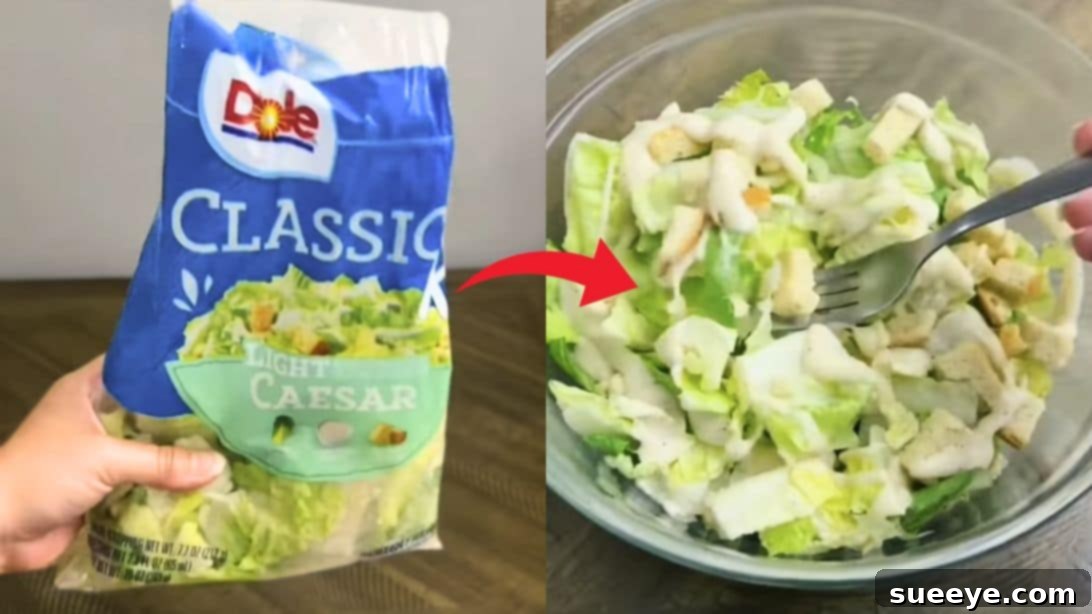
Embracing a healthy lifestyle often begins with nutritious food choices, and salads are a cornerstone for many. While dining out on fresh, wholesome meals can be a delightful experience, the costs associated with healthy restaurant options can quickly add up. A fantastic alternative is to prepare your healthy salads at home, offering not just significant cost savings but also unparalleled control over ingredients and portion sizes.
Shopping for ingredients at your local farmer’s market, for instance, provides access to the freshest produce at often more competitive prices compared to conventional grocery stores. This not only ensures peak flavor and nutritional value but also allows you to customize your salads exactly to your liking, creating unique culinary experiences tailored to your taste buds. Moreover, preparing salads yourself means you can make the exact amount you need, minimizing waste and maximizing freshness.
RELATED: How to Keep Lettuce From Getting Slimy and Gross
However, modern life can be incredibly demanding. There are days when time is a luxury, and the thought of peeling, slicing, and chopping a salad from scratch feels overwhelming. This is where bagged salads emerge as a true lifesaver. Pre-washed and pre-cut, they offer an incredible convenience that allows you to enjoy a healthy meal with minimal effort. Simply empty the greens into a bowl, drizzle with your favorite dressing, and you have a ready-to-eat, nutritious meal in minutes. This convenience makes them a popular choice for busy individuals and families alike, making healthy eating more accessible even on the most hectic days.
The primary drawback, however, is the notoriously short shelf life of bagged salads. They tend to lose their crispness and succumb to spoilage much faster than their whole-leaf counterparts. The good news is that this common frustration is entirely preventable! With a few simple, clever hacks, you can significantly extend the freshness and enjoyability of your bagged greens. We’ve gathered some invaluable tips, including insights from experts like Real Simple, to help you keep your bagged salads vibrant and delicious for longer, ensuring every bite is as fresh as the first.
Here’s another tip you might want to try: Restaurant Secret to Crisping Limp Lettuce
Understanding Why Bagged Salads Spoil Quickly
Before diving into preservation techniques, it’s helpful to understand the science behind why bagged salads wilt and spoil so rapidly. Knowing the enemies of freshness empowers you to combat them effectively. The main culprits include:
- Excess Moisture: Trapped moisture inside the bag creates an ideal breeding ground for bacteria and fungi, leading to sliminess, discoloration, and rapid decay. This is often exacerbated by condensation forming within the bag.
- Air Exposure (Oxidation): Once lettuce leaves are cut, their cellular structure is exposed to oxygen. This process, known as oxidation, causes browning and wilting, akin to how a sliced apple turns brown. The more air in the bag, the faster this process occurs.
- Ethylene Gas: Certain fruits and vegetables release ethylene gas, a natural plant hormone that accelerates ripening and spoilage in sensitive produce like lettuce. Even tiny amounts can have a significant impact on your salad greens.
- Cellular Damage: The mechanical process of cutting and processing greens for bagged salads causes minor damage to the plant cells. This makes them more vulnerable to oxidation and bacterial growth compared to whole, uncut heads of lettuce.
By addressing these factors, we can significantly extend the life of our bagged greens, making them a sustainable and convenient choice for healthy eating.
Expert Hacks: How to Keep Bagged Salad Fresh for as Long as Possible
The key to prolonging the life of your bagged salad lies in controlling moisture and minimizing air exposure. These two simple methods are incredibly effective and easy to implement, ensuring your greens stay crisp and inviting.
Method 1: The Original Bag Paper Towel Trick
This method focuses on directly combating excess moisture within the original packaging, a leading cause of spoilage. It’s a quick and efficient way to give your salad greens an immediate boost in longevity as soon as you bring them home.
Step-by-Step Guide:
- Immediate Action: As soon as you arrive home from the grocery store, locate your bagged salad. Don’t wait until you’re ready to use it; acting promptly makes a big difference.
- Open and Insert: Carefully open the top of the bagged salad. Take a clean, dry paper towel (a full-sized sheet usually works best for standard bags) and gently place it inside the bag, ensuring it touches the salad greens. The paper towel acts as a powerful absorbent, drawing away any ambient moisture and condensation that gathers inside the bag.
- Remove Air: This step is crucial. Gently press the bag to push out as much air as possible without crushing the greens. Air accelerates oxidation, so minimizing it is key to preventing browning and wilting.
- Seal Tightly: Once the air is removed and the paper towel is in place, seal the bag securely. A simple chip clip works wonderfully, but for an even tighter seal, you can use a strong rubber band or even a vacuum sealer if you have one available. A vacuum sealer provides the best protection against air exposure, significantly extending freshness.
- Maintain: Check the paper towel every couple of days. If it feels damp or wet, replace it with a fresh, dry one. This proactive approach ensures continuous moisture absorption.
Why it Works: The paper towel actively wicks away excess moisture, preventing the greens from becoming slimy and creating an unfavorable environment for bacterial growth. Simultaneously, removing excess air slows down the oxidation process, keeping the leaves vibrant and crisp.
Method 2: The Airtight Container Transformation
For those seeking an even more robust and long-lasting storage solution, transferring your bagged salad to an airtight container is an excellent strategy. This method provides a more controlled environment, further isolating your greens from detrimental elements.
Step-by-Step Guide:
- Choose the Right Container: Select a clean, dry, airtight container with a well-fitting lid. Glass containers are often preferred as they don’t absorb odors and are easy to clean, but BPA-free plastic containers work just as well. The size is important: choose one that’s large enough to hold your salad without crushing the leaves, but not so large that it leaves excessive empty space (which means more trapped air).
- Layer the Bottom: Place one or two clean, dry paper towels at the bottom of the chosen container. These towels will form the first line of defense against moisture.
- Add Your Salad: Gently transfer the bagged salad greens into the container, arranging them loosely. Avoid compacting the greens, as this can bruise them and accelerate spoilage.
- Top with Another Layer: Place another clean, dry paper towel directly on top of the salad greens. This creates a “paper towel sandwich,” effectively surrounding the greens and maximizing moisture absorption from both above and below.
- Seal Securely: Close the container tightly with its lid, ensuring a complete, airtight seal. This minimizes exposure to external air and maintains a stable internal environment.
- Regular Checks: Just like with Method 1, periodically check the paper towels for dampness and replace them as needed. This simple maintenance step is crucial for sustained freshness.
Why it Works: An airtight container, coupled with the moisture-absorbing paper towels, creates a stable micro-environment for your salad greens. It significantly reduces air exposure, which slows oxidation, and continuously wicks away moisture, preventing sliminess and bacterial growth. The small, enclosed space also helps to maintain a consistent temperature around the greens.
Beyond the Bag: Additional Strategies for Peak Salad Freshness
While the paper towel methods are incredibly effective, incorporating a few more best practices into your routine can further extend the life of your bagged salads and other produce.
Don’t Wash Until Ready to Serve
Bagged salads are typically sold as “pre-washed” or “triple-washed,” meaning they are ready to eat straight from the bag. Resist the urge to wash them again before storing them. Introducing additional moisture, even from a quick rinse, will only accelerate spoilage. Wash your greens only right before you plan to dress and consume them. If you absolutely feel the need to wash them, ensure they are thoroughly dried using a salad spinner or by patting them dry with paper towels before returning them to storage.
Optimize Refrigerator Storage
The location of your salad in the refrigerator can have a profound impact on its longevity.
- Temperature Consistency: Store bagged salads in the coldest part of your refrigerator, typically towards the back or in the bottom drawers (crisper drawers). Consistent cold temperatures significantly slow down the metabolic processes of the greens, thereby delaying spoilage.
- Crisper Drawers: These drawers are designed to regulate humidity. For leafy greens, a slightly higher humidity setting can be beneficial, though some argue a low humidity setting is better for bagged salads to prevent sliminess. Experiment with your fridge’s settings; the goal is to keep the greens moist enough to prevent wilting without creating excessive condensation.
- Avoid Over-Stuffing: Ensure there’s good air circulation around your salad. An overpacked refrigerator can create warm pockets and uneven cooling, which negatively impacts freshness.
Isolate from Ethylene-Producing Fruits
As mentioned earlier, ethylene gas is a powerful ripening agent. Keep your bagged salads away from fruits that produce high levels of ethylene, such as apples, bananas, avocados, tomatoes, peaches, and pears. Storing them together will cause your salad greens to ripen and spoil much faster.
Remove Any Compromised Leaves
Before storing your bagged salad, take a moment to inspect the greens. If you notice any slimy, discolored, or significantly wilted leaves, remove them immediately. One bad leaf can quickly contaminate and accelerate the spoilage of the entire batch. This simple step can salvage a significant portion of your salad.
Consider Using Breathable Storage Bags (for certain produce)
While paper towels in airtight containers work wonders for bagged salads, for some other fresh produce, specialized breathable produce bags (often made from cotton or perforated plastic) can help maintain an optimal balance of humidity and air circulation. However, for bagged salads, the airtight and paper towel method remains superior in combating the specific spoilage factors of pre-cut greens.
The Environmental and Economic Impact of Smart Salad Storage
Implementing these simple storage hacks goes beyond just enjoying fresh greens; it contributes significantly to both your household budget and broader environmental efforts. Food waste is a pervasive problem globally, with a substantial amount of perfectly edible food ending up in landfills each year. By extending the life of your bagged salads, you are directly helping to reduce this waste. Less spoilage means:
- Saving Money: You get to consume all the food you purchase, preventing the need to buy replacements prematurely. This adds up to tangible savings over time.
- Reduced Environmental Footprint: When food rots in landfills, it produces methane, a potent greenhouse gas. Minimizing food waste helps to mitigate climate change. Furthermore, it conserves the water, energy, and resources used to grow, package, and transport that food.
- Sustainable Habits: Practicing mindful food storage encourages a more sustainable approach to consumption, fostering appreciation for our resources and promoting conscious choices in the kitchen.
Conclusion: Enjoying Fresh Salads, Every Time
Bagged salads are an undeniable convenience for anyone striving to maintain a healthy diet amidst a busy schedule. With their pre-washed and pre-cut nature, they make nutritious meals quick and accessible. However, their tendency to spoil rapidly can often lead to frustration and unnecessary food waste.
Fortunately, by understanding the underlying causes of spoilage—excess moisture, air exposure, and ethylene gas—and implementing a few straightforward strategies, you can dramatically extend the freshness of your greens. Whether you choose the simple paper towel trick within the original bag or opt for the more robust airtight container method, these hacks are incredibly effective.
By integrating these tips, along with smart refrigeration and isolation from ethylene-producing fruits, you’ll be able to enjoy crisp, vibrant salads for much longer, transforming your experience with bagged greens. Say goodbye to soggy, unappetizing lettuce and hello to consistently fresh, delicious, and convenient healthy meals, all while saving money and reducing your environmental impact. Embrace these simple changes and make every salad a perfectly fresh one!