
Mastering a Spotless Kitchen: Essential Tips for Cleaning While You Cook
The joy of cooking a delicious meal, whether for a cozy family dinner or a lively gathering with friends, is often overshadowed by the daunting prospect of the cleanup that follows. Piled-up pots, splattered countertops, and a sink overflowing with dishes can quickly turn culinary delight into post-meal dread. It’s a common dilemma, and for many, the sheer thought of the mess is enough to deter them from cooking at home, leading them to opt for takeout or pre-made meals instead. While convenient, this often means sacrificing the freshness, customization, and satisfaction that only a home-cooked meal can provide.
But what if there was a way to enjoy your passion for cooking without the overwhelming cleanup? The secret lies in adopting a proactive approach: cleaning as you go. This isn’t just about tidiness; it’s a strategic method that transforms your cooking experience, making it more efficient, less stressful, and ultimately, more enjoyable. Instead of facing a monumental task after your meal, you’ll find yourself with a nearly pristine kitchen, ready for relaxation.
RELATED: 9 Kitchen Hacks If You Hate Cleaning
Embracing the “clean as you go” philosophy is a game-changer for anyone who loves spending time in the kitchen but detests the aftermath. It’s far less complicated than it sounds and, once you build the habit, it becomes an intuitive part of your cooking process. To help you master this art, we’ve gathered 5 incredibly effective tips, inspired by the experts at Clean My Space, that will revolutionize your kitchen routine. These strategies are designed to keep your cooking space neat, organized, and free from accumulating messes, ensuring that the only thing you have to focus on after eating is savoring the moment.
For more insightful kitchen tips and organization ideas, explore these resources: 6 Useful Food Tricks You Can Use in Your Home Kitchen and 11 No-Cost Home and Kitchen Organization Ideas. They offer practical advice that can further enhance your culinary environment and efficiency.
Essential Strategies: 5 Ways to Keep Your Kitchen Clean While You Cook
1 – Begin with a Clean Sink and Empty Dishwasher
This foundational step is often overlooked but sets the tone for your entire cooking session. Before you even pull out your first ingredient, take a moment to ensure your sink is completely clear of dirty dishes and that your dishwasher is empty or running. Starting with a cluttered sink means you immediately have nowhere to rinse utensils or temporarily place small items that you’ll need to wash. An already full dishwasher leaves you with no convenient place to load used dishes, forcing them to pile up on countertops or in the sink.
By clearing these areas first, you create an immediate landing zone for items as they become dirty. As you chop, mix, and sauté, you can quickly rinse a bowl and place it directly into the dishwasher, or wash a spoon and put it back in the drawer. This simple act prevents the accumulation of dishes and drastically reduces the post-meal cleanup burden. It’s about being proactive rather than reactive, making efficient use of your kitchen space and mental energy from the very start of your cooking journey.
2 – Keep Your Garbage Bins Close and Accessible
When cooking, especially during the prep phase, you generate a surprising amount of waste – vegetable peels, eggshells, packaging, and food scraps. If your garbage bin is far away or inconvenient to access, you’re more likely to let these scraps accumulate on your countertop, creating a messy and unsanitary workspace. This is where the strategic placement of your waste receptacles comes in.
Have a compost bin or a small garbage bowl right beside your chopping board or workstation. As you peel potatoes, trim vegetables, or unwrap ingredients, you can immediately sweep the waste directly into the bin. This not only keeps your counters clear and tidy but also prevents food particles from spreading across your kitchen. A dedicated scrap bowl is particularly useful as it can be easily moved around your prep area and then emptied into the main bin or compost when full. This effortless disposal system ensures a cleaner environment and streamlines your workflow, making cleanup faster and more hygienic.
3 – Utilize a Splatter Guard and Practice Smart Frying Techniques
Frying can be one of the messiest cooking methods, sending hot oil and food particles airborne, coating your stovetop, backsplash, and even nearby counters. This creates stubborn, greasy messes that are notoriously difficult to clean once they’ve cooled and set. A simple yet highly effective tool to combat this is a splatter guard.
When frying, place a splatter guard directly over your pan. These mesh covers allow steam to escape while trapping oil droplets, significantly reducing the amount of splatter. This single item can save you considerable time and effort in post-cooking cleanup. Beyond the guard, employing smart frying techniques can also minimize mess. One crucial tip is to always thoroughly dry your ingredients before adding them to hot oil. Water reacts explosively with hot oil, causing excessive splattering. Patting down meats, vegetables, or anything going into the pan with a paper towel can dramatically reduce this phenomenon. Additionally, don’t overcrowd your pan; this can lower the oil temperature and lead to more steaming and less crisping, sometimes contributing to more splatter. By combining a splatter guard with these mindful frying practices, you can enjoy perfectly cooked food without the extensive greasy cleanup.
4 – Optimize Downtime: Clean While Your Food Cooks
Cooking often involves periods of waiting – waiting for water to boil, for food to simmer, for a dish to bake, or for meat to brown. These moments, which might otherwise be spent idly, present prime opportunities for proactive cleaning. Instead of scrolling through your phone or staring blankly into space, use these intervals to tackle accumulating messes.
During these brief lulls, rinse used bowls and utensils and load them into the dishwasher. Wipe down your countertops, stovetop, and any surfaces that have accumulated drips or crumbs. If you’ve just finished chopping vegetables, give your cutting board a quick wash. The key is to break down the “big clean” into smaller, manageable micro-tasks. By doing so, you prevent food from drying onto surfaces, making it much easier to clean, and you chip away at the total cleaning load. When your meal is ready, you’ll be amazed at how much of the cleaning is already done, leaving you with minimal effort after enjoying your delicious home-cooked creation. This strategy transforms wasted time into productive cleaning time, creating a more relaxed post-meal atmosphere.
5 – Pre-treat for an Effortless Post-Cooking Clean-up
Some cooking tasks inevitably lead to stubborn, baked-on messes, especially with sticky sauces or caramelized ingredients. Trying to scrub these residues off a cold pan after dinner can be a frustrating and time-consuming battle. The solution lies in pre-treating your cookware as soon as it’s practical, ideally while the pan is still slightly warm but safe to handle.
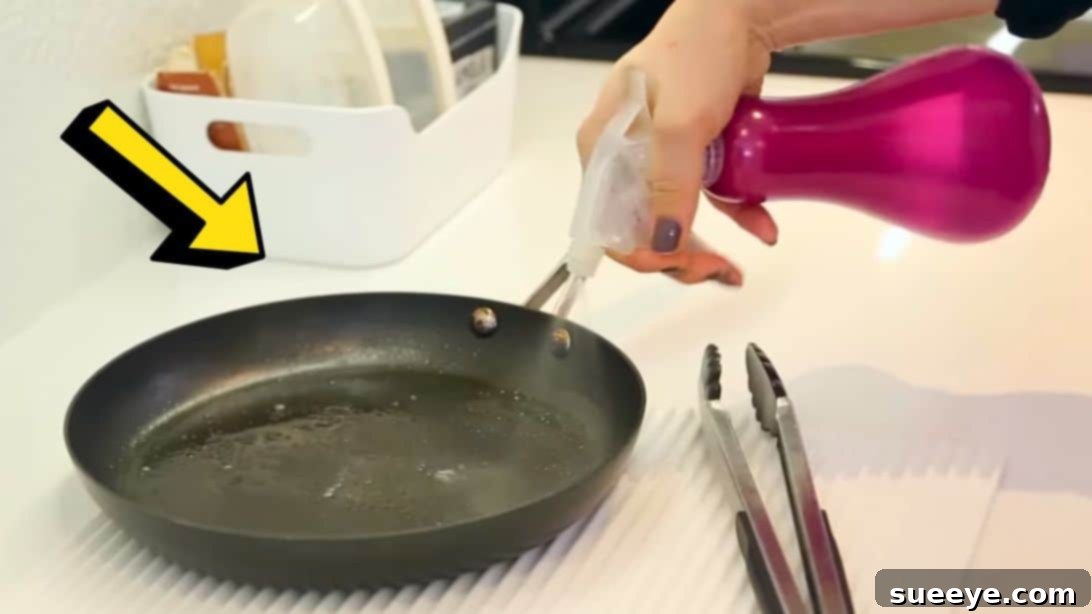
Prepare a simple pre-treatment solution: mix two cups of warm water with a teaspoon of dish soap in a squeeze bottle or a small bowl. As soon as your pan has cooled down enough to prevent scorching yourself, pour or squirt a generous amount of this solution into the pan. The residual heat will help the soap and water penetrate the cooked-on food particles, loosening them and preventing them from hardening into an unyielding crust. Let it sit while you eat. For extra abrasive power on particularly stubborn messes, you can also add a tablespoon of baking soda to this solution. The mild abrasive quality of baking soda, combined with the degreasing action of dish soap, will provide the extra boost needed to make scrubbing incredibly easy. By employing this pre-treatment step, you transform what could be a laborious chore into a quick wipe-down, saving your energy and your cookware from excessive scrubbing.
Embrace the Clean-As-You-Go Lifestyle for a Happier Kitchen
Adopting the “clean as you go” approach is more than just a series of tips; it’s a shift in mindset that can profoundly enhance your cooking experience. No longer will the thought of a messy kitchen deter you from experimenting with new recipes or enjoying the therapeutic process of preparing food from scratch. By integrating these simple, practical strategies into your routine – starting with a clear workspace, keeping waste nearby, preventing splatters, utilizing downtime, and pre-treating messes – you transform cooking from a daunting task with a dreaded aftermath into a seamless, enjoyable activity.
Imagine finishing a delightful meal, only to find that your kitchen is already largely clean, requiring just a few final touches. This isn’t an unattainable dream; it’s the reality these five tips offer. By consistently applying these habits, you’ll save time, reduce stress, maintain a more hygienic kitchen, and ultimately, foster a greater love for cooking at home. So, next time you step into your kitchen, remember these powerful hacks and embark on a culinary journey where the joy of cooking is truly mess-free.