
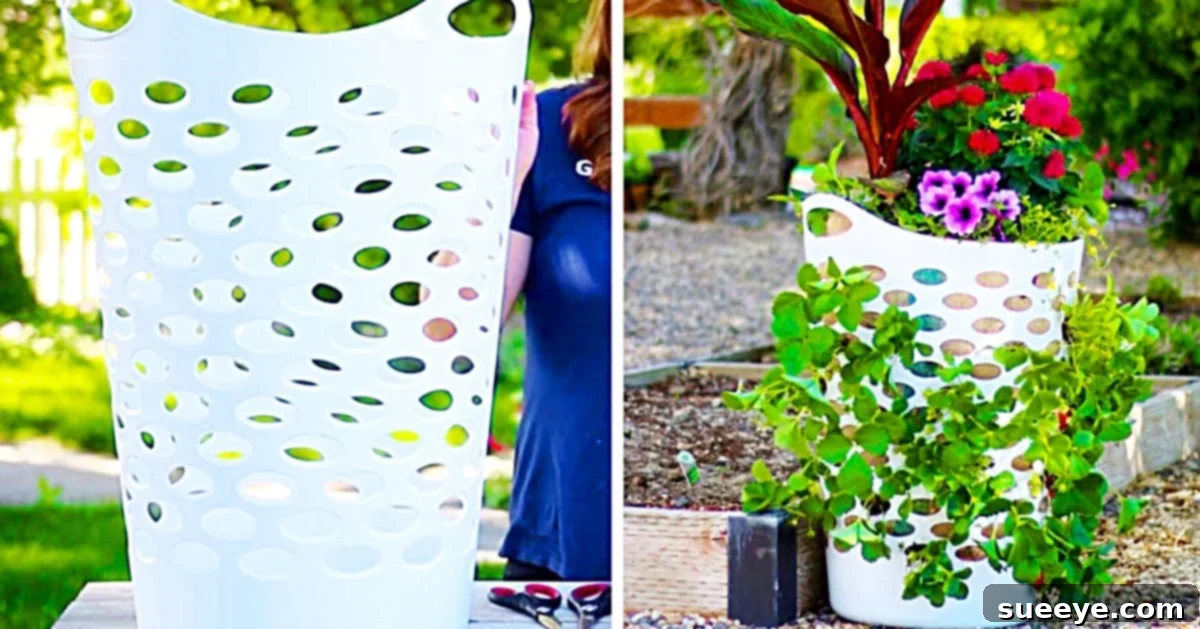
Imagine biting into a perfectly ripe, sweet strawberry, bursting with flavor, knowing it came straight from your own garden. For many, the dream of growing fresh strawberries seems reserved for those with sprawling backyards and dedicated garden plots. However, what if you could cultivate an abundant harvest of these delightful fruits even if your outdoor space is limited to a small patio, a cozy balcony, or even just a doorstep? It’s not only possible but surprisingly simple and incredibly rewarding. Forget the traditional rows and expansive beds; a clever, innovative solution has emerged that allows anyone to become a successful strawberry farmer, regardless of their square footage.
My own journey into gardening always felt constrained by the perceived need for vast areas of land. This common misconception often deters aspiring gardeners, including myself, from exploring the joys of growing their own produce. That all changed when I stumbled upon an ingenious method for cultivating strawberries that completely revolutionized my understanding of small-space gardening. Witnessing this brilliant idea in action, particularly through Garden Answer’s amazing video on YouTube, opened my eyes to the incredible potential of container gardening. This simple yet effective project demonstrates how even those with minimal outdoor space can achieve a bountiful and beautiful crop of succulent strawberries.
This DIY strawberry planter, cleverly fashioned from an everyday laundry basket, offers a refreshing alternative to conventional gardening. It’s a testament to creative problem-solving and sustainable living, transforming a mundane household item into a thriving hub for fresh produce. The beauty of this method lies in its simplicity, accessibility, and high yield, making it an ideal project for beginners, seasoned gardeners looking for new techniques, or anyone dreaming of fresh, organic berries just steps from their door. Let’s delve into how you can bring this fantastic idea to life and start enjoying your homegrown strawberries.
Why a Laundry Basket Strawberry Planter is Brilliant
This innovative approach to growing strawberries offers a multitude of benefits that extend beyond just convenience:
- Maximizes Small Spaces: Perfectly suited for balconies, patios, decks, or even small urban yards where traditional gardening isn’t feasible. It utilizes vertical space efficiently.
- Cost-Effective and Sustainable: Repurposes a common household item, reducing waste and saving you money on expensive planters.
- Excellent Drainage and Aeration: The natural holes in a laundry basket, combined with the burlap liner, ensure superb air circulation and prevent waterlogging, crucial for healthy strawberry roots.
- Reduces Pests and Diseases: Elevating plants off the ground helps protect them from common soil-borne pests and diseases, and also keeps berries cleaner, reducing rot.
- Easier Harvesting: No more bending down or searching through dense foliage. Berries are easily accessible and visible from all sides.
- Portability: You can easily move your planter to optimize sunlight exposure or protect plants from harsh weather conditions.
- Aesthetic Appeal: When filled with lush foliage and vibrant red berries, a laundry basket planter can be surprisingly charming and add a unique touch to your outdoor decor.
- Beginner-Friendly: The straightforward setup and relatively low maintenance make it an ideal project for those new to gardening.
Materials You’ll Need
Gathering the right materials is the first step towards your successful strawberry harvest. Most items are readily available and affordable:
- A Laundry Basket: Choose a sturdy plastic laundry basket, preferably one with numerous and reasonably large holes. The larger the holes, the easier it will be to plant your strawberries through them. A dark-colored basket might absorb more heat, which can be beneficial in cooler climates but might require more vigilant watering in hotter ones.
- A Burlap Bag: Also known as a jute sack, these are perfect for lining your basket. Burlap is breathable, allows for excellent drainage, and is strong enough to hold the potting soil. You can often find these at feed stores, local hardware stores, or gardening centers. Ensure it’s a clean bag, free from any chemical residues.
- High-Quality Potting Soil: Investing in good potting soil is crucial for healthy plants in containers. Look for a well-draining, nutrient-rich mix specifically formulated for container gardening. This will provide your strawberry plants with the essential nutrients and aeration they need to thrive. Avoid using garden soil, which can compact and harbor pests.
- Sharp Scissors or a Utility Knife: You’ll need these to cut precise holes in the burlap for your strawberry plants. Make sure they are sharp enough for clean cuts.
- Strawberry Plants: Select healthy strawberry starts from a reputable nursery. Consider varieties that are well-suited for container growing, such as ever-bearing or day-neutral types, which produce fruit throughout the growing season. Plan for enough plants to fill the side holes and the top of your basket.
- Optional: Plants for the Top (e.g., another berry or herbs): While primarily a strawberry planter, the top surface offers an opportunity for additional planting. Consider planting a complementary berry type, such as alpine strawberries, or herbs like basil or mint, which can act as companion plants and even deter some pests.
Step-by-Step Directions to Create Your Planter
Follow these simple steps to construct your innovative laundry basket strawberry planter:
Step 1: Prepare Your Laundry Basket and Burlap Liner
Begin by ensuring your laundry basket is clean. Then, take your burlap sack and carefully place it inside the laundry basket. Arrange the burlap so it fully lines the interior of the basket, extending up over the rim by a few inches. This overhang will help secure it in place and prevent soil from spilling out. Smooth the burlap against the sides and bottom of the basket, making sure there are no major folds or creases that could compromise its integrity when filled with soil.
Step 2: Add the First Layer of Potting Soil
Once the burlap is in place, add a layer of your high-quality potting soil to the bottom of the basket. Fill it up to about 4-6 inches high. Gently pat down the soil to remove any large air pockets, but avoid compacting it too much, as good aeration is essential for root health. This initial layer provides a base for your first row of strawberry plants.
Step 3: Create Planting Pockets for Your Strawberries
Now, with your sharp scissors or utility knife, carefully cut small, “X” shaped slits or circular holes in the burlap. Make these cuts through the existing holes of the laundry basket. The size of the cuts should be just large enough to comfortably fit the root ball of your strawberry plants, usually about 2-3 inches in diameter. Space these holes evenly around the basket, ensuring each plant will have enough room to grow without overcrowding. You will create several rows of these holes as you build up the layers.
Step 4: Plant Your First Layer of Strawberries
Gently remove a strawberry plant from its nursery pot. Carefully thread the root ball through one of the holes you just cut in the burlap from the outside in. Ensure the crown of the plant (where the leaves meet the roots) is positioned flush with the burlap and basket exterior. The roots should be spread out within the soil layer inside. Repeat this process for all the holes in your first layer.
Step 5: Continue Layering Soil and Plants
Once your first layer of plants is in place, add another 4-6 inches of potting soil on top, gently covering the roots of the newly planted strawberries. Then, repeat Step 3 (cutting holes) and Step 4 (planting strawberries) for the next level. Continue this process, layering soil and planting strawberries through the side holes, until you reach the top of the laundry basket. This multi-tiered approach maximizes your planting space.
Step 6: Plant the Top of the Basket
Once all the side holes are filled and you’ve added the final layer of soil to the top of the basket, you can plant additional strawberry plants or your chosen companion plants (like herbs or another berry variety) directly into the soil on the very top surface. Space them appropriately to allow for growth. Ensure all plants are well-seated in the soil with their crowns just above the soil line.
Step 7: Initial Watering
After all your plants are in place, give your newly assembled strawberry planter a thorough watering. Water slowly and deeply until you see water draining from the bottom of the basket. This helps to settle the soil around the roots and provides essential moisture for your plants to establish themselves.
Tips for a Bountiful Strawberry Harvest
To ensure your laundry basket strawberry planter thrives and rewards you with an abundance of delicious fruit, consider these essential gardening tips:
- Sunlight is Key: Strawberries are sun-lovers! Place your planter in a location that receives at least 6-8 hours of direct sunlight per day. Insufficient light will result in fewer flowers, smaller berries, and weaker plants.
- Consistent Watering: Container plants, especially those in breathable burlap, tend to dry out faster than in-ground plants. Check the soil moisture daily, especially during hot weather. Water deeply when the top inch of soil feels dry to the touch. Avoid overwatering, which can lead to root rot, but never let the soil completely dry out.
- Fertilization: Strawberries are moderate feeders. Use a balanced, slow-release granular fertilizer at planting, or a liquid fertilizer every 2-4 weeks during the growing season. Look for fertilizers specifically formulated for fruiting plants, lower in nitrogen and higher in phosphorus and potassium to encourage flowering and fruiting.
- Pest and Disease Management: Keep an eye out for common strawberry pests like aphids, slugs, and birds. Organic pest control methods, such as neem oil for aphids or physical barriers for birds, can be very effective. Good air circulation (provided by this planter design) helps prevent fungal diseases.
- Pruning Runners: Strawberry plants send out “runners” (stolons) to propagate new plants. While you might want to root a few new plants, it’s generally best to snip off most runners as they appear, especially in a container setup. This directs the plant’s energy into fruit production rather than vegetative growth.
- Winter Care: In colder climates, strawberries may need winter protection. You can move your portable laundry basket planter to a sheltered location (like a garage or unheated shed) or insulate it by wrapping the basket in burlap or straw. Ensure the soil doesn’t completely freeze solid for extended periods.
- Harvesting: Pick strawberries when they are fully red and firm. Gently twist or cut the stem just above the berry. Harvesting regularly encourages the plant to produce more fruit.
Choosing the Right Strawberry Varieties for Containers
The success of your laundry basket planter also hinges on selecting the appropriate strawberry varieties. Different types have distinct fruiting habits:
- Ever-bearing Strawberries: These varieties produce two to three harvests per year (spring, summer, and fall). They don’t produce many runners, making them ideal for containers where space is limited. Popular choices include ‘Ozark Beauty’ and ‘Tristar’.
- Day-neutral Strawberries: Similar to ever-bearing, day-neutral varieties produce fruit continuously throughout the growing season as long as temperatures are between 35-85°F. They also produce fewer runners, making them excellent for planters. ‘Seascape’ and ‘Albion’ are well-regarded day-neutral types.
- June-bearing Strawberries: These produce one large crop, typically in late spring to early summer. While they offer a large harvest, they produce many runners, which would require constant pruning in a container setting. They are generally less recommended for this specific type of vertical container planter unless you’re committed to runner removal.
- Alpine Strawberries: These small, intensely flavored berries are excellent for containers. They rarely produce runners and are very resilient. While their fruit is smaller, their continuous production and delicate flavor are highly prized.
For the laundry basket planter, ever-bearing or day-neutral varieties are generally the best choice, providing a consistent supply of fresh berries over a longer period with less maintenance regarding runners.
Troubleshooting Common Strawberry Planter Issues
Even with the best intentions, gardeners sometimes encounter challenges. Here are a few common issues and how to address them in your laundry basket strawberry planter:
- Yellowing Leaves: This can indicate a nutrient deficiency (often nitrogen), overwatering, or underwatering. Check soil moisture first. If it’s not a watering issue, consider a balanced liquid fertilizer application.
- Small or Misshapen Berries: Often a sign of inconsistent watering, insufficient sunlight, or poor pollination. Ensure consistent moisture, adequate sun exposure, and consider hand-pollinating if natural pollinators are scarce.
- No Flowers/Fruit: Usually due to lack of sunlight, insufficient nutrients, or very young plants that aren’t mature enough to fruit. Ensure at least 6 hours of sun and regular feeding. Patience is also key with new plants.
- Pests: Identify the pest (e.g., small holes from slugs, sticky residue from aphids). Use organic solutions like hand-picking slugs in the evening, spraying aphids with insecticidal soap, or using beneficial insects. The elevated nature of the planter helps reduce slug access.
- Fungal Diseases (e.g., Powdery Mildew): Good air circulation is vital. Ensure plants aren’t too crowded, and avoid overhead watering late in the day. Remove affected leaves promptly.
Conclusion: Your Journey to Fresh Strawberries Starts Now
This ingenious laundry basket strawberry planter is truly one of the most brilliant at-home gardening ideas I’ve ever encountered. Having explored countless DIY gardening videos and tutorials, this particular concept stands out for its sheer practicality, effectiveness, and charming simplicity. It elegantly solves the common dilemma of limited space, transforming a simple household item into a highly productive and visually appealing garden feature.
Growing your own strawberries is an immensely satisfying endeavor, connecting you to the food you eat and bringing a burst of fresh flavor to your table. With this straightforward project, the dream of a vibrant, fruiting strawberry patch is within reach for everyone, whether you have a sprawling garden or just a small corner on your balcony. So, grab a laundry basket, a burlap sack, and some healthy strawberry plants, and embark on your rewarding journey to homegrown sweetness. You’ll be amazed at the delicious results and the joy of harvesting your very own succulent strawberries!