
Transform Your Small Space: The Ultimate Guide to Vertical Gardening for Fresh Produce
Do you dream of biting into a perfectly ripe, sun-warmed tomato straight from the vine, or enjoying crisp green beans just minutes after harvesting? For many, the joy of gardening seems like a luxury reserved for those with sprawling backyards. Yet, the longing for fresh, homegrown produce persists. What if we told you that limited space is no longer a barrier to cultivating your own abundant garden oasis? We’ve discovered a revolutionary, easy-to-build solution that will change the way you think about gardening forever.
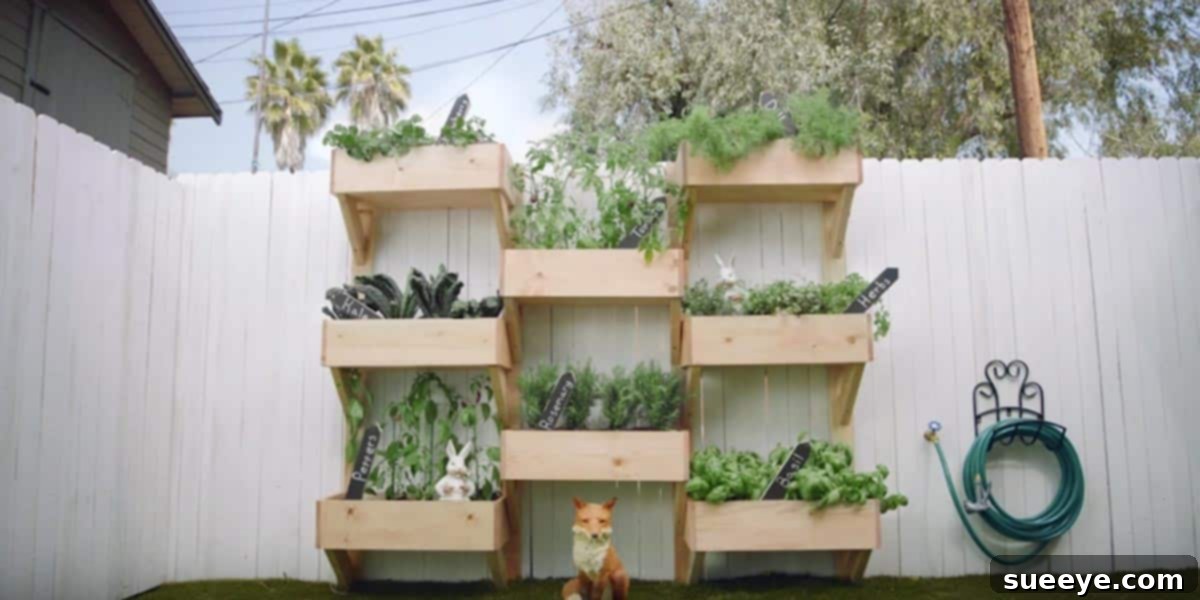
Inspired by incredible ingenuity and the generous spirit of sharing knowledge, we embarked on a gardening journey that quickly turned into an obsession. The result? A vibrant vertical garden teeming with life, producing everything from succulent tomatoes to crisp cucumbers, tender squash, and delicious green beans. There’s truly nothing quite like the taste of produce you’ve grown yourself, harvested at its peak freshness. We understand the sheer delight; we grew up relishing homegrown tomatoes, eaten whole with just a sprinkle of salt. To now have that experience back, along with a bounty of other vegetables, is nothing short of ecstatic!
Why Homegrown Tastes Better and Matters More
The difference between store-bought and homegrown produce is often night and day. Beyond the superior flavor, there are myriad reasons to cultivate your own food:
- Unrivaled Flavor and Nutrition: Vegetables picked ripe from your garden retain maximum flavor and nutritional value, unlike those harvested early for transport.
- Chemical-Free Assurance: You control what goes into your soil and onto your plants, ensuring your produce is free from harmful pesticides and herbicides.
- Cost Savings: Growing your own can significantly reduce your grocery bill, especially for popular items like tomatoes, herbs, and leafy greens.
- Sustainable Living: Reduce your carbon footprint by minimizing transport and packaging, fostering a more environmentally friendly lifestyle.
- Therapeutic Benefits: Gardening is a proven stress-reliever, offering a calming escape and a profound connection to nature.
- Educational for All Ages: It’s a wonderful way to teach children about where food comes from, healthy eating, and the cycle of life.
The Challenge: Overcoming Limited Space
For city dwellers, apartment residents, or those with small patios, balconies, or even just a tiny corner, the dream of a lush garden often feels out of reach. Traditional gardening demands horizontal real estate that many simply don’t have. This common constraint leads many to believe that growing their own food is impossible, resigning themselves to supermarket aisles for their produce needs. But innovation in gardening techniques has opened up exciting possibilities, proving that square footage is no longer the defining factor for gardening success.
The Game-Changing Solution: Embracing Vertical and Small-Space Gardening
The secret lies in rethinking how we use space. Vertical gardening, container gardening, and smart space utilization techniques are revolutionizing urban and small-scale horticulture. Instead of spreading out, we build up! This approach maximizes yield in minimal footprints, transforming previously unused areas into productive food sources. The beauty of these methods is their accessibility; they are surprisingly simple to implement, even for novice gardeners.
We were genuinely astounded by how easy our vertical garden was to construct. We had always imagined gardening to be a laborious, space-intensive endeavor, never dreaming such a simple yet effective solution existed. It’s a testament to the incredible creativity shared within the gardening community that these innovative ideas become accessible to everyone. While it might just be “a garden” to some, for us, and potentially for you, it represents the realization of a long-held desire, a personal green sanctuary born from ingenuity and a passion for fresh food.
How to Build Your Own Thriving Vertical Garden Oasis
Embarking on your vertical gardening journey is simpler than you might imagine. Here’s a comprehensive guide to help you create your very own productive space:
1. Design and Material Selection: Building Up, Not Out
The versatility of vertical gardens allows for a wide array of designs and materials. Consider what best suits your aesthetic, budget, and the available space:
- Repurposed Materials: Think creatively! Old pallets can be transformed into multi-tiered planters. Plastic bottles or rain gutters can become hanging rows for herbs and leafy greens. Even old tires, stacked and filled, can create interesting planting pockets.
- Stackable Planters: These are readily available and come in various designs, allowing you to stack multiple tiers of plants in a single footprint. They are excellent for strawberries, herbs, and flowers.
- Wall-Mounted Pockets or Planters: Fabric grow bags with multiple pockets can be hung on walls or fences, ideal for a wide range of shallow-rooted plants. Wooden or plastic wall-mounted units offer a more structured look.
- Trellises and Arbors: For vining plants like cucumbers, certain squash varieties, and pole beans, a sturdy trellis or arbor is a form of vertical gardening, providing support and lifting the fruit off the ground.
- DIY Frameworks: Simple wooden frames or PVC pipe structures can be built to hold pots, containers, or even specialized growing systems.
Focus on choosing materials that are durable, weather-resistant, and non-toxic, especially if you plan to grow edibles.
2. Location, Location, Location: Maximizing Sunlight
Even in a small space, optimizing sunlight exposure is crucial for plant health and productivity. Most vegetables require at least 6-8 hours of direct sunlight per day. Scout your chosen location – be it a balcony, patio, or wall – throughout the day to observe sun patterns. Consider:
- South-Facing Aspects: These typically receive the most sun throughout the day.
- Shade Patterns: Be aware of shadows cast by buildings, trees, or other structures.
- Accessibility: Ensure your garden is easy to reach for watering, pruning, and harvesting.
- Wind Protection: Strong winds can dehydrate plants quickly and damage delicate foliage. Consider a sheltered spot or add a windbreak.
3. Plant Selection: Choosing Your Green Companions
Not all plants are equally suited for vertical or container gardening. Focus on varieties that are naturally compact, bush-type, or can be easily trellised. Our bountiful harvest includes:
- Tomatoes: Opt for determinate (bush) varieties like ‘Patio’ or ‘Tiny Tim’ for containers. Cherry tomatoes also thrive and produce heavily in vertical setups.
- Squash: Bush varieties such as ‘Pattypan’ or ‘Bush Zucchini’ are perfect. Vining types can also be grown if provided with strong trellising.
- Cucumbers: Bush varieties like ‘Bush Crop’ or ‘Spacemaster’ are excellent for containers. Vining cucumbers can be trained up a trellis, making efficient use of vertical space.
- Green Beans: Bush beans are ideal for pots, offering continuous harvests. Pole beans can be trellised upwards, maximizing yield in a small area.
- Leafy Greens: Lettuce, spinach, arugula, and Swiss chard are fast-growing and perfect for shallow pockets or stacked planters.
- Herbs: Basil, mint, parsley, cilantro, thyme, and rosemary thrive in containers and add incredible flavor to your cooking.
- Strawberries: These are exceptionally well-suited for vertical planters, producing sweet fruit throughout the season.
4. Soil and Nutrition: The Foundation of Growth
Using the right growing medium is critical, especially in containers where plants have limited access to nutrients. Do not use garden soil, which can compact and harbor pests. Instead:
- High-Quality Potting Mix: Invest in a good quality, well-draining potting mix. Look for mixes that contain perlite or vermiculite for aeration.
- Compost: Incorporate well-rotted compost to enrich the soil with organic matter and essential nutrients.
- Fertilization: Container plants quickly deplete soil nutrients. Use a balanced liquid fertilizer regularly (every 2-4 weeks) or incorporate slow-release granular fertilizers at planting.
- Drainage: Ensure all containers have adequate drainage holes to prevent waterlogging, which can lead to root rot.
5. Watering and Maintenance: Consistent Care for Healthy Plants
Container and vertical gardens dry out faster than in-ground gardens, so consistent watering is paramount:
- Regular Watering: Check soil moisture daily. Water deeply until it drains from the bottom. In hot weather, you may need to water twice a day.
- Drip Irrigation or Self-Watering Systems: Consider these options for efficiency and convenience, especially if you have many plants.
- Pest and Disease Management: Regularly inspect your plants for signs of pests or diseases. Address issues promptly with organic solutions like neem oil or insecticidal soap.
- Pruning and Support: Prune tomatoes and other vining plants to encourage bushier growth and better air circulation. Provide stakes or trellises for support as plants grow.
- Harvesting: Harvest frequently to encourage continuous production.
The Unparalleled Joy of the Harvest
There’s an immense sense of pride and satisfaction that comes with nurturing a seed into a thriving plant and then enjoying its bounty. The taste of a sun-ripened tomato, still warm from the sun, or a handful of freshly picked green beans, snapped with a satisfying crunch, is an experience that transcends mere eating. It’s a connection to the earth, a reward for your efforts, and a celebration of natural abundance.
Sharing your homegrown vegetables with family and friends adds another layer of joy. The compliments on the incredible flavor, the surprise at how easy it was for you to grow, and the shared appreciation for fresh, healthy food make all the effort worthwhile. This isn’t just about growing food; it’s about cultivating a healthier lifestyle, fostering a connection with nature, and discovering a profound sense of accomplishment.
Your Vertical Gardening Journey Begins Now!
Don’t let the misconception of needing a large plot of land hold you back any longer. The solution to your gardening dreams is literally at your fingertips. With a little creativity, some simple materials, and consistent care, you can transform even the smallest corner into a productive, beautiful vertical garden. Embark on this rewarding adventure and taste the incredible difference that homegrown makes. Your fresh, vibrant vegetables await!