
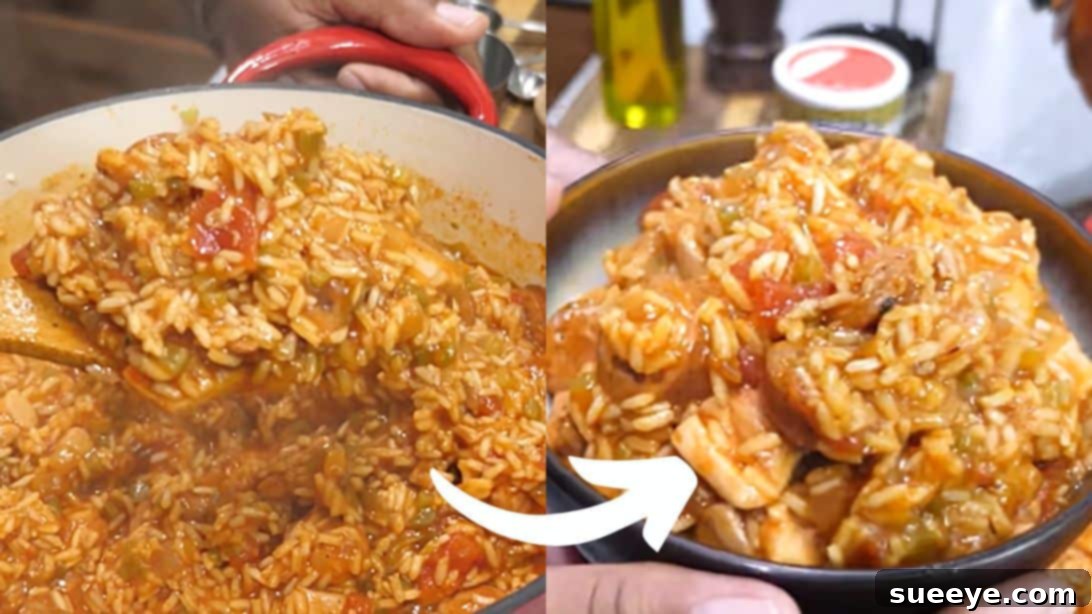
Embark on a culinary journey to the heart of Louisiana with this incredible Chicken and Sausage Jambalaya recipe, expertly brought to life by Smokin’ & Grillin with AB. This isn’t just a meal; it’s a celebration of robust flavors, comforting warmth, and the joyful spirit of Southern cooking, all conveniently prepared in a single pot. Whether you’re feeding a hungry family, hosting a lively gathering, or simply craving a taste of authentic Creole and Cajun tradition, this jambalaya is guaranteed to be a crowd-pleaser. Its rich, aromatic profile and hearty ingredients make it an unforgettable dish that promises to satisfy every palate. Get ready to impress your loved ones with this remarkably easy-to-follow recipe that delivers exceptional taste with minimal fuss.
Chicken and Sausage Jambalaya: An Authentic & Easy One-Pot Classic
Jambalaya is more than just a rice dish; it’s a cornerstone of Louisiana cuisine, reflecting a vibrant fusion of French, Spanish, and African influences. This particular chicken and sausage rendition captures the essence of this beloved dish, balancing smoky andouille sausage with tender chicken, the aromatic “Holy Trinity” of vegetables, and a rich, tomato-infused broth, all cooked with long-grain rice to perfection. Follow along for the full instructions and tips to create a jambalaya that tastes like it came straight from a New Orleans kitchen.
Ingredients for Your Hearty Jambalaya
Crafting a truly memorable jambalaya begins with selecting fresh, high-quality ingredients. Each component plays a crucial role in building the layers of flavor that define this iconic dish. Pay special attention to the sausage and Creole seasoning, as these are key to achieving an authentic taste profile.
- Olive Oil: 2 tablespoons, divided – for searing meats and sautéing vegetables, adding a subtle richness.
- Chicken: 1.5 lbs boneless, skinless chicken thighs or breasts, cut into 1-inch pieces – chicken thighs offer more flavor and tenderness.
- Andouille Sausage: 3 to 4 links (about 12-16 oz), cut into 1/2-inch thick slices – essential for that signature smoky, spicy kick. Ensure it’s good quality andouille.
- Sweet Onion: 2 cups, finely chopped – part of the “Holy Trinity,” providing a foundational sweetness.
- Celery: 1 cup, finely chopped – another pillar of the “Holy Trinity,” adding earthy notes and texture.
- Green Bell Pepper: 1 cup, finely chopped – completing the “Holy Trinity,” offering a fresh, slightly bitter counterpoint.
- Garlic: 2 cloves, crushed, or 2 tablespoons minced garlic – for pungent aroma and flavor.
- Creole Seasoning: 4 teaspoons – the soul of the jambalaya; adjust to your spice preference. Look for a good quality blend.
- Worcestershire Sauce: 1 tablespoon – adds depth, umami, and a subtle tang.
- Tomato Paste: 6 oz can – for concentrated tomato flavor and a beautiful reddish hue.
- Diced Tomatoes: 15 oz can, with juice – provides additional tomato flavor and moisture.
- Long-Grain White Rice: 2 1/2 cups – crucial for the right texture; avoid short or medium grain.
- Chicken Broth: 4 1/2 to 5 cups – the liquid base; use low-sodium to control saltiness.
- Fresh Parsley: For garnish, finely chopped – adds a burst of fresh color and herbaceousness.
- Salt and Black Pepper: To taste – for seasoning throughout the cooking process.
Step-by-Step Guide to Making Perfect Jambalaya
Follow these detailed instructions carefully to ensure your jambalaya turns out flavorful, perfectly cooked, and a true testament to Louisiana home cooking. Each step builds upon the last, contributing to the complex flavors of the final dish.
Step 1: Searing the Meats to Build Flavor
Begin by placing a large, heavy-bottomed pot or Dutch oven over medium-high heat. Add one tablespoon of olive oil to the hot pot. Once the oil shimmers, indicating it’s hot enough, add the sliced andouille sausage. Cook the sausage for about 2 minutes, allowing it to brown nicely and release its flavorful oils. Next, add the 1-inch pieces of chicken to the pot. Continue to cook for another 6 to 8 minutes, stirring occasionally, until the chicken is lightly browned on all sides and mostly cooked through. This browning process is vital, as it creates fond (the browned bits at the bottom of the pot) which will contribute immense depth of flavor to your jambalaya. Once browned, transfer both the sausages and chicken to a separate bowl, leaving the flavorful rendered fat and any remaining oil in the pot.
Step 2: Sautéing the Holy Trinity
With the fond still in the pot, add the remaining tablespoon of olive oil. Once the oil is hot, introduce the finely chopped sweet onions, celery, and green bell pepper – collectively known as the “Holy Trinity” in Cajun and Creole cooking. Sauté these vegetables for approximately 6 to 8 minutes, stirring frequently, until they become softened and translucent. This step is crucial for building the aromatic base of your jambalaya, allowing their natural sugars to caramelize slightly and release their full flavors. Don’t rush this process, as well-sautéed vegetables are key to the overall taste.
Step 3: Infusing Flavors with Garlic, Tomato, and Seasoning
Now, add the minced garlic to the softened vegetables and cook for an additional 2 minutes until fragrant, being careful not to burn it. Return the browned chicken and sausages to the pot, nestling them among the vegetables. Next, incorporate the concentrated flavors of the tomato paste, Worcestershire sauce, and the can of diced tomatoes with their juice. Add a generous two pinches of salt and a good grind of fresh black pepper, along with the 4 teaspoons of Creole seasoning. Stir all the ingredients thoroughly until everything is well combined and coated. Allow the tomato paste to cook down for a couple of minutes before adding liquids, which helps deepen its flavor.
Step 4: Adding Broth and Preparing for Simmering
Pour in the chicken broth, making sure to scrape the bottom of the pot to deglaze it and incorporate all those delicious browned bits (fond) into the liquid. Stir everything gently to ensure an even distribution of flavors. The broth will combine with the tomato and seasonings to form the flavorful liquid base for your rice.
Step 5: Cooking the Rice to Perfection
Add the long-grain rice to the pot and give it a gentle stir to ensure it’s evenly distributed and submerged in the liquid. Bring the mixture to a rolling boil over medium-high heat. Once boiling, immediately reduce the heat to the lowest setting, cover the pot tightly with a lid, and let it simmer undisturbed for a full 30 minutes. It is crucial not to lift the lid during this time, as trapped steam is essential for cooking the rice properly. After 25 minutes of simmering, carefully remove the lid, give the jambalaya a good, gentle stir from the bottom up to prevent sticking and ensure even cooking, then re-cover and allow the remaining 5 minutes to complete the cooking. This resting period allows the flavors to meld and the rice to absorb any remaining moisture.
Step 6: Serving and Enjoying Your Jambalaya
Once the rice is cooked and fluffy, remove the pot from the heat and let it sit, covered, for another 5-10 minutes. This resting period allows the steam to redistribute, resulting in perfectly tender, individual rice grains. Fluff the jambalaya gently with a fork before serving. Ladle generous portions into bowls while still warm. Garnish with fresh, chopped parsley for a bright finish. Serve it with your family and friends, savoring the rich, complex flavors of this homemade Louisiana classic!
The Rich History and Cultural Significance of Jambalaya
Jambalaya is a dish with a fascinating lineage, deeply embedded in the culinary landscape of Louisiana. Its origins are often debated between two distinct styles: Creole and Cajun. Creole jambalaya, often found in and around New Orleans, typically features tomatoes and a wider array of ingredients, reflecting the city’s cosmopolitan history and access to various spices and produce. Cajun jambalaya, hailing from the swampy bayous and prairies of rural Louisiana, is generally browner, with less (or no) tomato, and often starts with a dark roux, emphasizing local ingredients and a more rustic approach. This recipe, with its generous use of tomatoes, leans towards the Creole style, offering a vibrant, full-bodied flavor profile that is both comforting and exhilarating. Understanding its heritage adds another layer of appreciation to every delicious bite.
Expert Tips for Mastering Your Jambalaya
Achieving perfect jambalaya every time is within reach with a few expert tips.
- Rice Choice Matters: Always use long-grain white rice. Its lower starch content prevents the dish from becoming gummy, allowing for separate, fluffy grains.
- Don’t Over-Stir: Once the rice is added and the pot is covered, resist the urge to stir frequently. Stirring releases starch and can lead to mushy rice. A single stir after 25 minutes, as instructed, is sufficient.
- Tight-Fitting Lid: A good seal is crucial for trapping steam, which cooks the rice evenly. If your lid isn’t tight, place a sheet of foil between the pot and the lid.
- Flavor Building: Don’t skip browning the meats and sautéing the “Holy Trinity” until translucent. These steps create the foundational flavors.
- Adjust Spice Levels: Creole seasoning blends vary in heat. Taste and adjust the amount of seasoning, or add a pinch of cayenne pepper if you prefer more kick.
- Broth Quality: Use a good quality chicken broth for the best flavor. Low-sodium broth gives you more control over the dish’s saltiness.
Serving Suggestions and Perfect Pairings
Jambalaya is a complete meal in itself, but a few simple sides can elevate the dining experience and complement its rich flavors.
- Cornbread: A classic pairing, cornbread is perfect for soaking up the delicious juices.
- Green Salad: A light, crisp green salad with a vinaigrette dressing provides a refreshing contrast to the hearty jambalaya.
- Crusty Bread: French bread or any crusty bread works wonderfully for mopping up every last bit.
- Hot Sauce: Offer a selection of your favorite Louisiana hot sauces on the side for those who like an extra kick.
- Coleslaw: A tangy coleslaw can also provide a nice, cool counterpoint to the warm, spicy flavors.
Storage, Reheating, and Delicious Variations
This chicken and sausage jambalaya is just as delicious the next day, making it an excellent meal prep option.
- Storage: Store leftover jambalaya in an airtight container in the refrigerator for up to 3-4 days.
- Reheating: For best results, reheat individual portions in a microwave or on the stovetop over low heat, adding a splash of chicken broth or water to prevent drying out.
- Freezing: Jambalaya freezes well for up to 2-3 months. Thaw overnight in the refrigerator before reheating.
Want to customize your jambalaya? Here are a few ideas:
- Seafood Jambalaya: Add cooked shrimp, crawfish, or scallops during the last 5-10 minutes of cooking.
- Smoked Ham/Tasso: Incorporate diced smoked ham or tasso (Cajun cured pork) for even more smoky depth.
- Different Vegetables: Experiment with other vegetables like bell peppers of different colors, okra, or corn.
- Spicier Kick: Increase the amount of Creole seasoning or add a diced jalapeño or serrano pepper with the Holy Trinity.
Why This Chicken and Sausage Jambalaya Recipe is a Must-Try
This chicken and sausage jambalaya recipe from Smokin’ & Grillin with AB stands out for its incredible balance of authentic flavors, ease of preparation, and hearty satisfaction. It’s a testament to how simple ingredients can come together to create something truly spectacular. Whether you’re a seasoned cook or new to Louisiana cuisine, this one-pot wonder promises a deeply flavorful and comforting meal that will become a cherished part of your recipe collection. It’s the ideal dish for sharing, bringing people together around a pot of deliciousness that speaks of tradition, warmth, and good times. Don’t wait – gather your ingredients and get ready to experience the magic of homemade jambalaya!