
Craft Your Perfect Summer: The Ultimate Guide to DIY Personalized Beach Bags
As the days grow longer and the sun shines brighter, the irresistible call of summer vacations, beach days, and park picnics beckons. Every summer enthusiast knows the essential companion for these adventures: a reliable, spacious, and stylish bag to carry all your necessities. While store shelves are brimming with options, there’s an undeniable charm and practicality in creating your own. Imagine a personalized tote bag, perfectly tailored to your needs and reflecting your unique style, a true extension of your summer spirit. This isn’t just a fantasy; it’s an easily achievable DIY sewing project that promises both immense satisfaction and a highly functional accessory.
Forget the compromises of mass-produced bags that never quite fit your aesthetic or capacity requirements. With a simple, step-by-step approach, you can construct a magnificent, large-capacity beach bag that’s robust enough to handle sandy towels, sunscreen, snacks, and everything else you need for a glorious day out. This guide delves into the wonderful world of DIY tote bags, offering insights, inspiration, and reasons why making your own is the ultimate summer craft.
Why Choose DIY? The Allure of a Handmade Beach Tote
The decision to embark on a DIY project, especially one as practical as a beach bag, offers a wealth of benefits that store-bought alternatives simply cannot match. It’s more than just saving a few dollars; it’s about embracing creativity, ensuring quality, and achieving true individuality.
Unrivaled Personalization and Style
Perhaps the most compelling reason to sew your own custom summer bag is the freedom of personalization it affords. When you shop for bags, you’re limited to existing designs, colors, and patterns. When you craft your own, the canvas is yours to command. Do you envision vibrant tropical prints that scream “vacation mode”? Or perhaps a sophisticated nautical theme with classic stripes? Maybe a minimalist solid color with a pop of contrasting stitching is more your speed. The fabric market is a treasure trove of possibilities, from whimsical patterns to elegant textures, allowing you to choose materials that genuinely resonate with your taste.
Beyond fabric selection, the customization doesn’t stop. Consider adding a monogram of your initials, a playful patch, hand-embroidered details, or even fabric paint designs. This level of bespoke craftsmanship transforms a mere bag into a personal statement piece, an accessory you’ll be proud to carry and that truly reflects your identity. As one happy crafter shared, having her initials added in a cool contrasting color made her beach bag a source of genuine pride – and you can achieve that same feeling of accomplishment!
Superior Quality and Durability
Another significant advantage of a handmade beach tote is the ability to control the quality of the materials and construction. Many commercially produced bags, while visually appealing, often compromise on durability to keep costs down. This can lead to flimsy straps, tearing seams, or fading colors after just a few uses or washes. When you create your own, you are the quality control manager.
You can meticulously select durable fabrics like heavy-duty canvas, sturdy denim, or outdoor-grade materials known for their resilience against wear, tear, and even water. Reinforcing seams with extra stitching, adding a robust base, and choosing strong webbing or rope for handles ensures your bag can withstand the rigors of beach life – from carrying wet towels to holding hefty water bottles. This focus on durability means your DIY creation won’t be a one-season wonder but a reliable companion for many summers to come.
Cost-Effectiveness and Sustainability
While the initial outlay for materials might seem comparable to a budget-friendly store-bought bag, the long-term cost-effectiveness of a DIY project often wins out. By investing in quality fabrics and putting in the effort, you create a bag that lasts longer, reducing the need for frequent replacements. Furthermore, repurposing existing fabrics or upcycling old denim can make your project even more economical and environmentally friendly. It’s a small step towards sustainable living, choosing to create rather than consume thoughtlessly.
The Joy of Creation
There’s an unparalleled sense of satisfaction that comes from bringing a project to life with your own hands. The process of selecting fabrics, cutting pieces, and seeing them transform into a functional and beautiful item is incredibly rewarding. It’s a creative outlet, a therapeutic activity, and a testament to your skills. Plus, a handmade bag makes for a thoughtful and unique gift, imbued with personal effort and care.
The Versatile Tote: More Than Just a Beach Essential
While often dubbed a “beach bag,” the design of a spacious, sturdy tote makes it incredibly versatile, extending its utility far beyond sandy shores. This makes your DIY effort even more valuable, as your creation will serve multiple purposes throughout the year.
- The Ultimate Beach or Pool Companion: This is its primary calling. Your large capacity bag is perfectly sized for towels, swimsuits, sunscreen, snacks, a good book, sunglasses, a change of clothes, and even children’s sand toys. Its robust construction ensures everything stays secure, even when tossed into the car or onto the sand.
- Park Outings and Picnics: Heading to the local park for an afternoon? Your DIY tote can easily hold a picnic blanket, frisbees, balls, a packed lunch, and drinks. It’s an organized way to transport your leisure essentials, making spontaneous outings a breeze.
- A Savvy Travel Companion: For families on the go, these versatile tote bags are ideal for keeping children’s essentials organized during travel. Stow away toys, coloring books, snacks, and comfort items, making long car rides or flights more manageable. For adults, it can serve as a stylish carry-on for personal items, books, and gadgets.
- Everyday Errands and Grocery Shopping: Replace single-use plastic bags with your chic, durable tote. It’s perfect for farmers’ market hauls, grocery runs, or simply carrying your daily necessities while out and about.
- Craft and Hobby Storage: Keep your knitting supplies, art materials, or other craft projects neatly organized and portable.
- Gym or Yoga Bag: A spacious tote can easily accommodate your workout clothes, towel, water bottle, and sneakers, combining style with functionality for your fitness routine.
Crafting Durability and Style: Selecting Your Materials
The foundation of an excellent DIY beach bag lies in the thoughtful selection of materials. This is where your vision truly comes to life, balancing aesthetic appeal with practical durability.
Fabric Selection: The Heart of Your Bag
- Body Fabric: For the main body of the bag, prioritize sturdy fabrics that can withstand weight and wear.
- Canvas: A classic choice, available in various weights and colors. It’s incredibly durable, holds its shape well, and is easy to work with.
- Denim: Strong, fashionable, and often can be upcycled from old jeans. It offers a casual yet chic aesthetic.
- Duck Cloth: Similar to canvas but often a tighter weave, making it even more resistant to snags and tears.
- Outdoor/Water-Resistant Fabrics: For ultimate beach utility, consider fabrics like laminated cotton, oilcloth, or specialized outdoor upholstery fabrics. These repel water and sand, making clean-up a breeze.
- Upholstery Fabrics: Often heavy-duty and stylish, offering a wide range of patterns and textures.
- Lining Fabric (Optional but Recommended): A lining adds a professional finish, extra durability, and can make the bag easier to clean.
- Cotton or Polyester: Standard choices for linings.
- PUL (Polyurethane Laminate) or Ripstop Nylon: For a truly waterproof interior, perfect for wet swimsuits or leaky sunscreen.
Handles: Comfort and Strength
The handles are critical for the bag’s functionality and comfort. They need to be strong enough to carry heavy loads and comfortable enough not to dig into your shoulder.
- Webbing: Heavy-duty cotton or polyester webbing is an excellent choice. It comes in various widths and colors, is very strong, and easy to sew.
- Rope Handles: A popular choice for beach bags, offering a nautical aesthetic. Ensure the rope is thick enough to be comfortable and that you have grommets for a secure attachment.
- Self-Fabric Straps: You can create straps from the same fabric as the bag, often reinforced with interfacing for extra strength.
Hardware and Embellishments (Optional)
These elements can elevate your bag’s functionality and style.
- Zippers or Magnetic Snaps: For added security, especially if using the bag for travel or everyday errands.
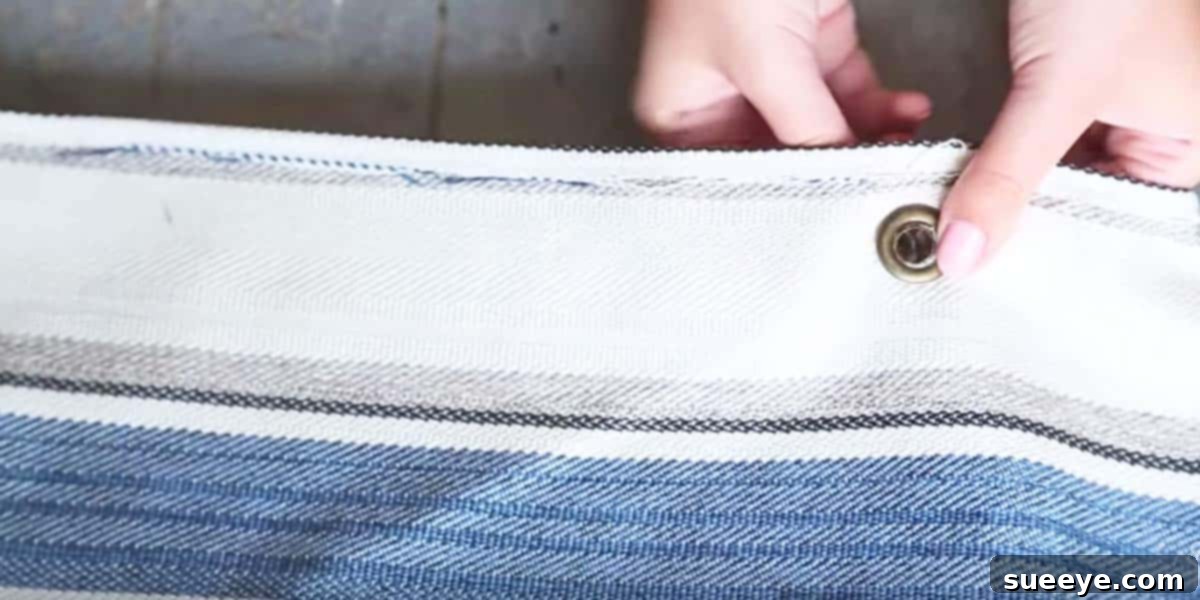
- Grommets: Essential if you opt for rope handles, providing a clean and secure attachment point.
- Interior Pockets: A must-have for organizing smaller items like keys, phone, or sunscreen.
- Key Clip: A small D-ring or swivel hook sewn inside can prevent the dreaded “lost keys” scenario.
- Decorative Touches: Iron-on patches, fabric paint, embroidery floss for monograms, or fabric appliques can add a personal flair.
Embarking on Your DIY Journey: A Glimpse into the Process
While a full step-by-step tutorial is beyond the scope of this overview, understanding the general flow of creating a DIY beach bag can demystify the process and highlight its accessibility. Many excellent video tutorials, like those from “The Sorry Girls” mentioned in the original inspiration, break down each stage into manageable steps.
- Gather Your Supplies: Before you begin, collect all your chosen fabrics, threads, sewing machine, sharp scissors or rotary cutter, pins, measuring tape, and any hardware or embellishments.
- Prepare and Cut Your Fabric: Most patterns will involve cutting rectangular pieces for the main bag body, a separate piece for the base (if desired), and strips for the handles. If adding a lining or pockets, those pieces will also be cut at this stage.
- Construct the Bag Body: This typically involves sewing the side seams and then forming the bottom of the bag, often by “boxing the corners” to create a flat, structured base.
- Prepare and Attach Handles: Whether you’re making fabric straps or using webbing or rope, this step focuses on creating strong, comfortable handles and securely attaching them to the top edge of the bag. Reinforcing these attachment points with multiple lines of stitching is crucial for durability.
- Create and Attach the Lining (If Used): The lining is usually constructed similarly to the main bag body and then inserted and sewn into place, often leaving a small opening for turning the bag right-side out before finishing. Interior pockets are typically sewn into the lining before it’s attached.
- Finishing Touches: This is where you add any zippers, snaps, or decorative elements like monograms, patches, or fabric paint designs. Pressing all seams for a crisp, professional look is also an important final step.
The beauty of this project is that even a beginner with basic sewing machine skills can achieve fantastic results. Online resources and video tutorials provide clear visual guidance, making the process enjoyable and straightforward.
Beyond the Basics: Elevating Your Custom Beach Bag
Once you’ve mastered the fundamental construction, consider these ideas to make your custom beach bag even more functional and unique:
- Wet/Dry Compartment: Incorporate a separate, waterproof compartment using PUL fabric for damp swimsuits or towels, keeping the rest of your belongings dry.
- Exterior Pockets: Add a handy external pocket for quick access to items like sunglasses, keys, or a phone.
- Snack Pouch: Sew a small, insulated pouch inside for keeping drinks or snacks cool.
- Adjustable Strap: For added versatility, include an adjustable shoulder strap in addition to or instead of fixed handles.
- Personalized Beach Towel Loop: A simple loop on the exterior could hold a rolled-up beach towel, freeing up interior space.
Caring for Your Handmade Treasure
To ensure your unique accessory remains beautiful and functional for years, proper care is essential. Always refer to the specific care instructions for the fabrics you’ve used. Generally:
- Spot Clean: For minor spills or marks, spot clean with a damp cloth and mild soap.
- Machine Wash (If Applicable): If your fabrics are machine washable, use a gentle cycle with cold water and a mild detergent. Air dry or tumble dry on low to prevent shrinkage or damage.
- Avoid Harsh Chemicals: Bleach or strong detergents can damage fabrics and fade colors.
- Storage: When not in use, store your bag in a clean, dry place to prevent mildew or dust accumulation.
Conclusion: Your Summer Story, Woven Together
There’s something incredibly fulfilling about carrying an item you’ve created yourself. A DIY beach bag is not just a practical summer essential; it’s a testament to your creativity, a reflection of your style, and a durable companion for countless adventures. From sandy shores to bustling markets, your personalized tote will carry your essentials with ease and elegance, sparking conversations and admiration along the way.
So, this summer, instead of settling for ordinary, why not embark on a rewarding summer craft project? Gather your favorite fabrics, unleash your inner designer, and sew your very own dream beach bag. It’s easier than you think, incredibly rewarding, and will undoubtedly become your go-to accessory for every sunny escapade. Dive into the world of DIY and weave your own unique summer story, one stitch at a time!