
How To Clean Gold Jewelry At Home: The Ultimate Natural & Non-Toxic Guide
Is your beloved gold jewelry looking a little dull? Over time, even the purest gold can lose its luster due to daily wear, skin oils, lotions, and environmental factors. Many people turn to commercial jewelry cleaners, only to find them filled with harsh chemicals and strong warnings about their toxic nature. But what if there was a simple, effective, and completely natural way to bring back that dazzling shine right from your own kitchen?
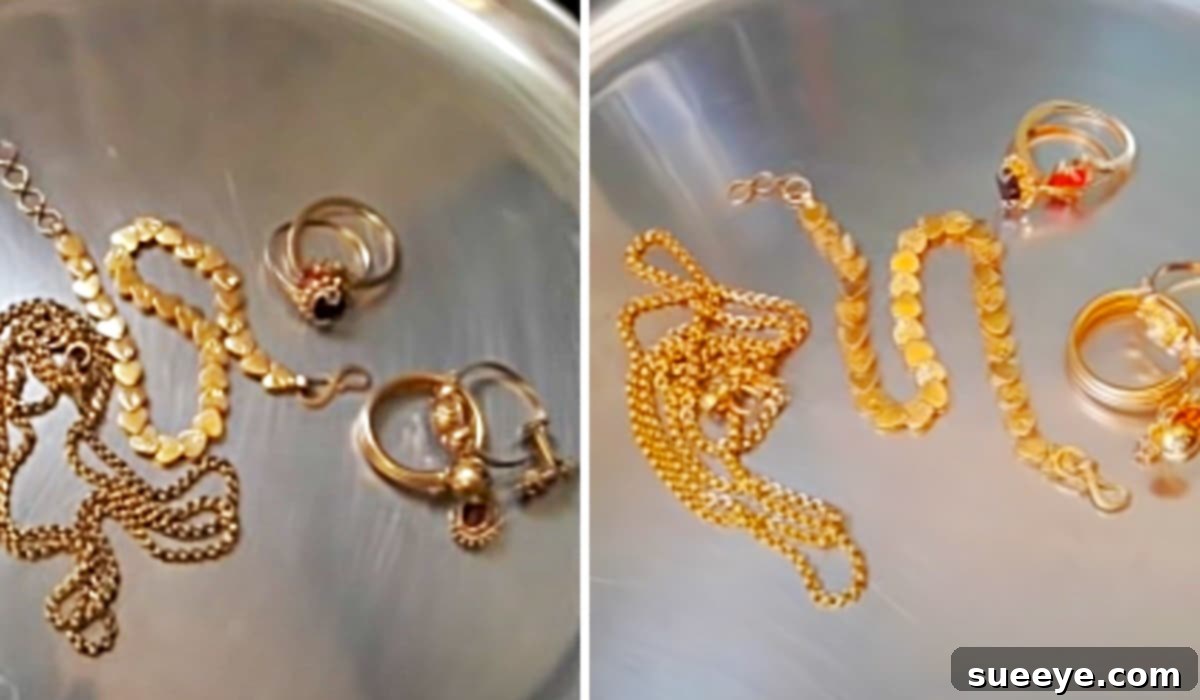
Recently, I stumbled upon a truly brilliant method for cleaning gold jewelry using just baking soda and olive oil, demonstrated by House To Home on YouTube. Having previously used a chemical dip that, while effective, came with serious health warnings, I was skeptical. However, upon trying this natural alternative involving boiling water, baking soda, and olive oil, I was absolutely astonished by the results. My gold pieces gleamed as if they were brand new, and the best part? No toxic fumes or worrying about skin irritation. This game-changing technique is not only incredibly effective but also entirely non-toxic and environmentally friendly.
Why Does Gold Jewelry Lose Its Shine?
Gold itself does not tarnish or corrode. However, most gold jewelry is not pure 24-karat gold. It’s an alloy, meaning it’s mixed with other metals like copper, silver, or nickel to increase its durability and alter its color. These base metals are susceptible to oxidation, which causes discoloration. Beyond that, everyday exposure to skin oils, lotions, perfumes, makeup, household cleaning products, and even dust can build up on the surface of your gold, creating a dull film that hides its natural brilliance. Regular cleaning is essential to maintain its sparkle and extend its life.
The Problem with Conventional Jewelry Cleaners
Many commercial jewelry cleaning solutions are formulated with strong acids or harsh chemicals like ammonia, which can be effective at dissolving grime but come with significant downsides. These chemicals often emit strong fumes, can irritate skin, and pose environmental risks if not disposed of properly. Furthermore, some chemical cleaners can be too aggressive for certain types of gold (especially plated gold) or delicate gemstones, potentially causing damage or dulling their appearance. The appeal of a non-toxic, readily available, and equally effective alternative is undeniable, making the baking soda and olive oil method a superior choice for conscientious jewelry owners.
Understanding the Power of Baking Soda and Olive Oil for Cleaning
This natural cleaning method harnesses the unique properties of common kitchen ingredients to restore your gold’s shine safely:
- Baking Soda (Sodium Bicarbonate): A mild abrasive and a natural deodorizer, baking soda works wonders. When mixed with water, it creates a gentle scrubbing agent that can lift away dirt, grime, and minor tarnish without scratching the gold’s surface. Its slightly alkaline nature helps to neutralize acids that might contribute to dullness. It’s incredibly versatile and safe for most metals.
- Olive Oil: More than just a cooking staple, olive oil plays a crucial role in this cleaning process. Its lubricating properties help to loosen stubborn dirt and grime, making it easier to remove with gentle brushing. Post-cleaning, a tiny film of olive oil can also provide a beautiful, subtle sheen to your gold, enhancing its natural luster and helping to repel minor smudges. It’s a natural polish that works in harmony with the baking soda.
- Boiling Water: The heat from boiling water is key. It helps to expand the metal slightly, allowing trapped dirt and oils to loosen more easily. It also activates the cleaning properties of the baking soda, creating a more effective solution for dissolving grime and making it simpler to brush away.
Materials You’ll Need for At-Home Gold Jewelry Cleaning:
Gathering these simple items from your home is the first step towards sparkling gold:
- A medium-sized pot (non-aluminum is preferred, to avoid any reactions)
- Enough water to fully submerge your jewelry
- 1 teaspoon of baking soda
- 1/2 teaspoon of olive oil (extra virgin is not necessary, any regular olive oil will do)
- An old, soft-bristled toothbrush (dedicated solely for jewelry cleaning)
- A soft, lint-free cloth for drying and polishing
- Optional: A small colander or sieve for easy removal of jewelry from hot water
Step-by-Step Directions: Cleaning Your Gold Jewelry Naturally
Follow these easy steps to bring new life back to your cherished gold pieces:
Step 1: Prepare Your Cleaning Station
Find a clean, well-lit area to work. Lay down a towel to protect your surface and catch any spills. Ensure all your materials are within easy reach before you begin. It’s also a good idea to wear gloves if you have sensitive skin, although this method is generally very gentle.
Step 2: Boil the Water
Pour enough water into your pot to completely cover all the gold jewelry you plan to clean. Place the pot on your stovetop and bring the water to a gentle boil. Avoid a vigorous, rolling boil, as this can cause splashing and make handling the jewelry more difficult.
Step 3: Add Baking Soda to the Boiling Water
Once the water is gently boiling, carefully add 1 teaspoon of baking soda to the pot. Stir gently until the baking soda has fully dissolved. You may notice some fizzing, which is normal as the baking soda reacts with the hot water.
Step 4: Introduce Your Gold Jewelry
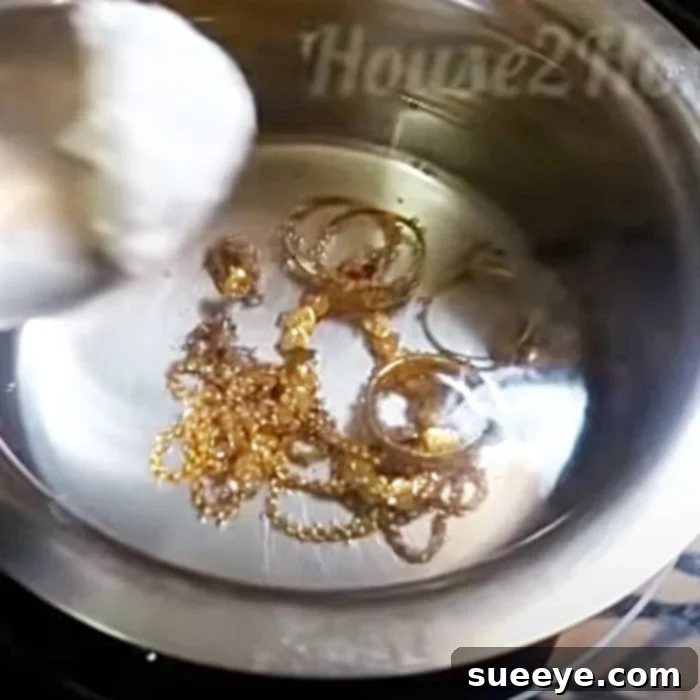
Carefully place your gold jewelry into the boiling solution. Ensure that each piece is fully submerged. Avoid overcrowding the pot; if you have many items, clean them in smaller batches. Allow the jewelry to simmer gently in the solution for approximately 5-7 minutes. This allows the hot water and baking soda to work their magic, loosening built-up grime and oils.
Step 5: Remove and Rinse
After simmering, carefully remove the jewelry from the hot water. You can use a slotted spoon, tongs, or a small colander/sieve for this. Be cautious as the jewelry will be hot. Rinse the jewelry under warm, running water to wash away the baking soda solution and any loosened dirt. Inspect each piece for any remaining grime.
Step 6: Apply Olive Oil and Brush
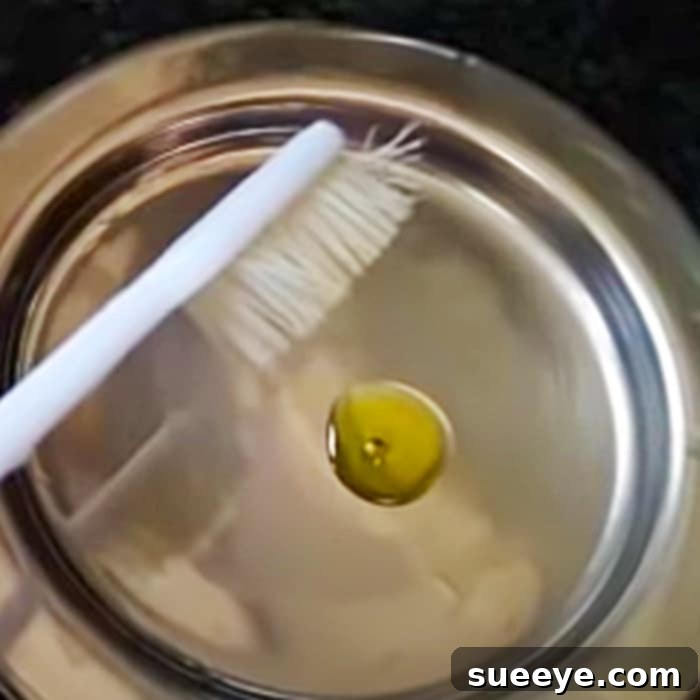
Drizzle approximately 1/2 teaspoon of olive oil onto your old, soft-bristled toothbrush. Gently brush each piece of gold jewelry. Focus on intricate designs, crevices, and areas where dirt tends to accumulate. The olive oil will help to lift any remaining stubborn grime and leave a subtle, lustrous finish. Be thorough but avoid aggressive scrubbing, especially on delicate pieces.
Step 7: Final Rinse
Once you’ve brushed all your pieces, give them one final rinse under warm, clean running water. Ensure all traces of olive oil and any lingering dirt are completely washed away. This step is crucial for achieving that ultimate, streak-free sparkle.
Step 8: Dry and Polish
Gently pat your gold jewelry dry with a soft, lint-free cloth. Avoid abrasive paper towels, which can scratch the surface. For an extra touch of shine, you can lightly buff the dry jewelry with a clean, dry portion of the cloth. Observe the renewed brilliance of your gold!
Important Considerations & Tips for Gold Jewelry Care
While this method is wonderfully effective for most gold jewelry, keeping a few things in mind will ensure the best results and protect your precious pieces:
- Gold Purity: This method is ideal for solid gold jewelry of various karats (10k, 14k, 18k, 24k). The higher the karat, the softer the gold, so always be gentle when scrubbing.
- Gold Plated Jewelry: Exercise caution with gold-plated items. While the method is gentle, repeated scrubbing could potentially wear away the plating over time. Use a very light touch and less vigorous brushing if cleaning plated gold.
-
Jewelry with Gemstones:
- Hard Stones (Diamonds, Sapphires, Rubies): Generally safe. These durable stones can withstand the heat and gentle cleaning agents. However, always inspect the setting to ensure stones are secure before cleaning.
- Porous/Soft Stones (Pearls, Opals, Emeralds, Turquoise, Amber): AVOID this method. Heat and abrasive baking soda can damage or dull these delicate stones. Pearls, for instance, can lose their luster, and opals can crack. For these, a simple wipe with a damp, soft cloth is usually sufficient, or consult a professional jeweler.
- Glued-in Stones: The heat from the boiling water might weaken the adhesive, causing stones to fall out. If your jewelry has glued-in stones, opt for a cold-water soak with a tiny bit of mild soap and a very soft brush, or professional cleaning.
- Frequency: How often should you clean your gold? For frequently worn items, a light cleaning every few weeks is beneficial. Deep cleaning can be done every 1-3 months, or as needed when you notice dullness.
- Storage: Proper storage helps keep your jewelry cleaner for longer. Store gold pieces in individual soft pouches or jewelry boxes to prevent them from scratching each other or accumulating dust. Keep them away from humidity and direct sunlight.
- Avoid Harsh Chemicals: Even when not cleaning, try to remove gold jewelry before using harsh household cleaners, swimming in chlorinated pools, or applying lotions and perfumes. These can accelerate dullness and damage.
The Enduring Benefits of This Natural Method
Embracing this baking soda and olive oil method for cleaning your gold jewelry offers a multitude of advantages that extend beyond just achieving a brilliant shine:
- Non-Toxic and Safe: Unlike many commercial cleaners, this method uses ingredients that are safe for your skin, your home, and the environment. You can clean with peace of mind, knowing you’re avoiding harsh chemicals.
- Cost-Effective: Baking soda and olive oil are pantry staples, making this an incredibly economical way to maintain your jewelry. No need to purchase expensive, specialized cleaners.
- Environmentally Friendly: By using natural, biodegradable ingredients, you’re contributing to a healthier planet by reducing chemical waste and pollution.
- Accessible and Convenient: The ingredients are readily available in almost any kitchen, meaning you can clean your jewelry whenever it needs a refresh, without a special trip to the store.
- Gentle Yet Effective: This method is powerful enough to tackle stubborn grime but gentle enough to protect the integrity of your precious gold, ensuring it lasts for generations.
Conclusion: Rediscover the Brilliance of Your Gold
Who knew that such a simple, natural approach could yield such stunning results? The baking soda and olive oil method, inspired by House To Home, is a revelation for anyone looking to restore the sparkle to their gold jewelry without resorting to toxic chemicals. It’s a testament to the power of natural ingredients and a gentle reminder that sometimes, the best solutions are found right in our homes.
So, gather your ingredients, follow these easy steps, and prepare to be amazed as your gold rings, necklaces, bracelets, and earrings regain their original brilliance. Give your cherished pieces the loving, natural care they deserve, and enjoy their renewed shine for years to come!