
Ultimate Guide to Eliminating Fruit Flies: Fast & Effective Solutions for a Pest-Free Kitchen
Fruit flies are unwelcome guests in any kitchen, instantly transforming a fresh, inviting space into a buzzing nuisance. These tiny invaders, primarily attracted to the natural sugars found in ripe and fermenting fruits and vegetables, can quickly multiply, leading to an infestation that feels impossible to conquer. If you’ve found your kitchen swarming with these persistent pests, rest assured that highly effective solutions are within your reach. This comprehensive guide will walk you through simple, budget-friendly steps to not only eliminate existing fruit flies but also prevent their return, ensuring your home remains a clean and comfortable environment. We’ll explore a powerful DIY trap, essential kitchen hygiene practices, and natural deterrents, all designed to give you back control of your kitchen.
While the DIY trap is incredibly effective, it’s crucial to understand that it works best when combined with a rigorous cleaning routine. Addressing the root causes of fruit fly attraction – such as frequently taking out the trash, preventing dirty dishes from piling up, ensuring all food is properly covered, and regularly cleaning your kitchen surfaces with a vinegar solution – is paramount for long-term success. By integrating these practices, you can create an environment where fruit flies simply cannot thrive. Let’s dive into how you can reclaim your kitchen, starting with understanding these tiny invaders.
Understanding the Unwanted Guests: What Are Fruit Flies?
Before we tackle the problem, it’s helpful to understand a bit about our adversaries. Fruit flies, scientifically known as Drosophila melanogaster, are small, flying insects typically about 1/8 inch long, with distinctive red eyes. They are drawn to ripening and fermenting fruits and vegetables because these items provide both a food source and an ideal breeding ground. A female fruit fly can lay hundreds of eggs in her short lifespan, often directly on the surface of fermenting produce or in moist organic debris. These eggs hatch within a day or two, and the larvae mature rapidly, reaching adulthood in about a week. This incredibly fast life cycle is why a small problem can quickly escalate into a full-blown infestation if not addressed promptly.
Fruit flies often enter your home by hitchhiking on produce bought from the grocery store. They can also fly in through open doors and windows, attracted by the alluring scent of fermenting food. Once inside, they seek out any source of moisture and decaying organic material, which means they can breed not only on fruit bowls but also in garbage disposals, kitchen drains, empty bottles, and even damp cleaning cloths. Understanding their habits is the first step toward effective elimination and prevention.
The Foundation of a Fruit Fly-Free Home: Impeccable Kitchen Hygiene
While DIY traps are excellent for catching existing flies, prevention is truly the most powerful tool in your arsenal. Without eliminating their food sources and breeding grounds, fruit flies will continue to return. Adopting a strict kitchen hygiene routine is non-negotiable for lasting success.
1. Smart Produce Management
- Refrigerate or Consume Ripe Fruit: Fruit flies are especially drawn to overripe produce. As soon as fruits like bananas, tomatoes, apples, and peaches reach ripeness, either consume them promptly or store them in the refrigerator. Many fruits, when chilled, will extend their shelf life and emit fewer attractive volatile compounds.
- Seal Produce Securely: If refrigeration isn’t an option for certain fruits (like bananas), store them in sealed containers or paper bags to contain their scent and prevent flies from laying eggs on them. Inspect all incoming produce for any signs of fruit fly eggs or larvae before bringing it into your kitchen.
- Wash Produce Thoroughly: Before storing or consuming, wash all fresh produce under running water. This can help rinse away any invisible eggs or larvae that may be clinging to the surface.
2. Diligent Waste Disposal
- Frequent Trash Removal: Food scraps and organic waste are prime breeding grounds. Take out your kitchen trash daily, especially if it contains fruit and vegetable peels or other decaying food matter.
- Use Sealed Bins: Invest in a trash can with a tight-fitting lid to contain odors and prevent flies from accessing the contents. For composting, use a sealed indoor compost bin and empty it frequently into an outdoor compost pile.
- Rinse Recyclables: Empty beverage containers (soda cans, wine bottles, milk jugs) often have sticky residues that attract fruit flies. Rinse them thoroughly before placing them in the recycling bin to remove any sugary remains.
3. Combatting Dirty Dishes and Spills
- No More Piling Up: Dirty dishes left in the sink provide both food particles and moisture, a perfect environment for fruit flies. Wash dishes immediately after use. If you can’t wash them right away, rinse them thoroughly and place them in soapy water or in a dishwasher to remove food residue.
- Clean Up Spills Instantly: Even tiny spills of juice, soda, or wine can attract flies. Wipe up all spills on countertops, floors, and inside cabinets immediately. Pay special attention to sticky spots under appliances or around pantries.
4. Regular Kitchen Cleaning
- Wipe Down Surfaces Daily: Use a clean cloth dampened with a general all-purpose cleaner or a simple vinegar solution to wipe down all kitchen countertops, tables, and stove surfaces every day. Vinegar is a fantastic natural disinfectant and helps break down organic residues.
- Deep Clean Drains and Sinks: Kitchen drains are notorious breeding spots. Fruit flies can lay eggs in the organic sludge that accumulates in pipes. Pour boiling water down your drains regularly (once a week). For a deeper clean, mix baking soda with vinegar and pour it down the drain; let it sit for 30 minutes before flushing with hot water.
- Ensure Food is Covered: Never leave food uncovered on countertops. Use airtight containers for leftovers, baked goods, and pantry staples. Even pet food should be covered.
Ingredients for the Ultimate DIY Fruit Fly Trap
Once you’ve established a clean baseline, it’s time to deploy your secret weapon: a simple, yet incredibly effective DIY fruit fly trap. This method leverages common household ingredients to lure and eliminate fruit flies with remarkable speed. You’ll need just three items:
- Apple Cider Vinegar: The primary attractant, its fermenting aroma is irresistible to fruit flies.
- Granulated Sugar: Enhances the sweetness and further draws the flies in.
- Dish Soap: The crucial ingredient that breaks the surface tension of the liquid, causing the flies to sink and drown.
Directions: Crafting Your Powerful DIY Fruit Fly Trap
Creating this trap is straightforward and takes only a few minutes. Here’s how to do it:
Step 1: Preparing Your Trap Container
Select a tall or large glass, jar, or bowl. The taller the container, the better, as it gives the flies less chance of escaping once they’ve entered. A glass is preferred so you can easily monitor the trap’s effectiveness.
Step 2: Mixing the Attractant and Drowning Agent
In your chosen container, add apple cider vinegar until it fills about halfway. This provides a substantial amount of the alluring scent. Next, add 2 tablespoons of granulated sugar. Stir the mixture gently until the sugar dissolves. Finally, add 2 tablespoons of liquid dish soap. The dish soap is critical; it reduces the surface tension of the liquid, so when fruit flies attempt to land on the enticing mixture, they immediately fall in and drown rather than simply perching on top.
Step 3: Activating the Trap
Mix all the ingredients together thoroughly until the mixture starts to form a light foam. This ensures the dish soap is evenly distributed throughout the vinegar and sugar solution. The foam isn’t strictly necessary for function, but it indicates good mixing. Once prepared, place the glass in areas where fruit flies are most commonly observed – typically near fruit bowls, sinks, trash cans, or other areas where food is prepared or stored.
Step 4: Enhancing Trap Effectiveness (Optional)
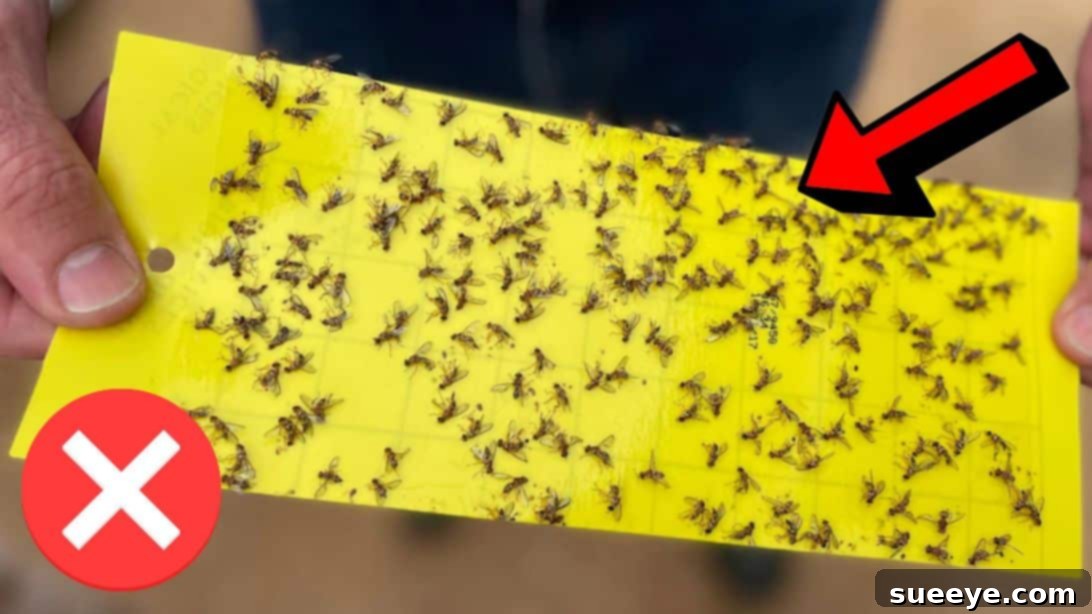
For an extra layer of defense, you can place a few bug sticker traps (those yellow sticky traps commonly used for houseplants) around the area where you’ve placed your liquid trap. These traps catch any flies that might be attracted but don’t immediately fall into the liquid. Alternatively, you can cover the top of your glass with plastic wrap and poke several small holes in it with a toothpick. This creates a funnel effect, allowing flies to enter but making it harder for them to escape.
Step 5: Maintenance and Replacement
Monitor your trap daily. You’ll likely see results within hours. Once the trap is full of fruit flies or after a few days (if the problem persists), dispose of the contents, clean the glass thoroughly, and set up a fresh trap. Consistency is key, especially during peak fruit fly season.
Natural Repellents: Beyond the Trap
While traps target existing populations, you can also use natural deterrents to make your kitchen less appealing to fruit flies in the first place. Many aromatic plants release scents that fruit flies find disagreeable.
- Lavender: Known for its calming scent to humans, lavender is a natural insect repellent. Place small sachets of dried lavender near windows or keep potted lavender plants in sunny spots.
- Basil: This popular herb can deter fruit flies. Grow a small basil plant on your windowsill or place fresh basil leaves in problem areas.
- Rosemary: The strong, piney scent of rosemary is another effective deterrent. Consider keeping a potted rosemary plant or scattering fresh sprigs around your kitchen.
- Citronella: Commonly used in mosquito repellent candles, citronella also works against fruit flies. Use citronella candles or essential oil diffusers in well-ventilated areas.
- Bay Seedlings / Bay Leaves: Bay leaves are an underrated repellent. Placing dried bay leaves in your pantry or near fruit bowls can help keep pests away.
- Other Essential Oils: Peppermint, eucalyptus, and lemongrass essential oils diffused in the air can also help create an environment fruit flies want to avoid.
Advanced Tips for Stubborn Infestations
If you’ve followed all the steps and still struggle with fruit flies, consider these advanced strategies:
- Locate and Eliminate the Source: The most crucial step. Sometimes the source isn’t obvious. Check under sinks, behind appliances, in forgotten corners, or even in unused containers for any damp, fermenting organic matter. This includes damp mops, sponges, and dishcloths.
- Inspect All Drains: Beyond the kitchen sink, check bathroom drains, laundry room drains, and any floor drains. Pour the boiling water and baking soda/vinegar solution down all of them.
- Vacuum Visible Flies: For an immediate reduction in the visible population, use a vacuum cleaner with a hose attachment to suck up flying fruit flies. This provides instant gratification while your traps work.
- Check Houseplants: Sometimes fruit flies (or similar gnats) can breed in the damp soil of houseplants. Allow the top inch of soil to dry out between waterings or consider using sticky traps designed for plants.
- Don’t Overlook Hidden Spills: Check the bottoms of cabinets, under the refrigerator, or behind the oven for any old, sticky spills that could be attracting pests.
Conclusion: A Fruit Fly-Free Home is Achievable
Battling fruit flies can be frustrating, but with a combination of vigilant kitchen hygiene and an effective DIY trap, you can quickly and efficiently reclaim your space. Remember, prevention is your best defense: meticulously managing ripe produce, promptly disposing of waste, keeping dishes clean, and regularly sanitizing surfaces will drastically reduce the chances of an infestation. When flies do appear, deploy your apple cider vinegar, sugar, and dish soap trap to swiftly bring the problem under control. By understanding their habits and consistently applying these strategies, you can enjoy a clean, pest-free kitchen all year round.
*Many thanks to Natural Cures via YouTube for inspiring these effective solutions and for the helpful imagery used throughout this guide. If you found this hack useful, we encourage you to visit their channel for more insightful tips and subscribe to their content!