
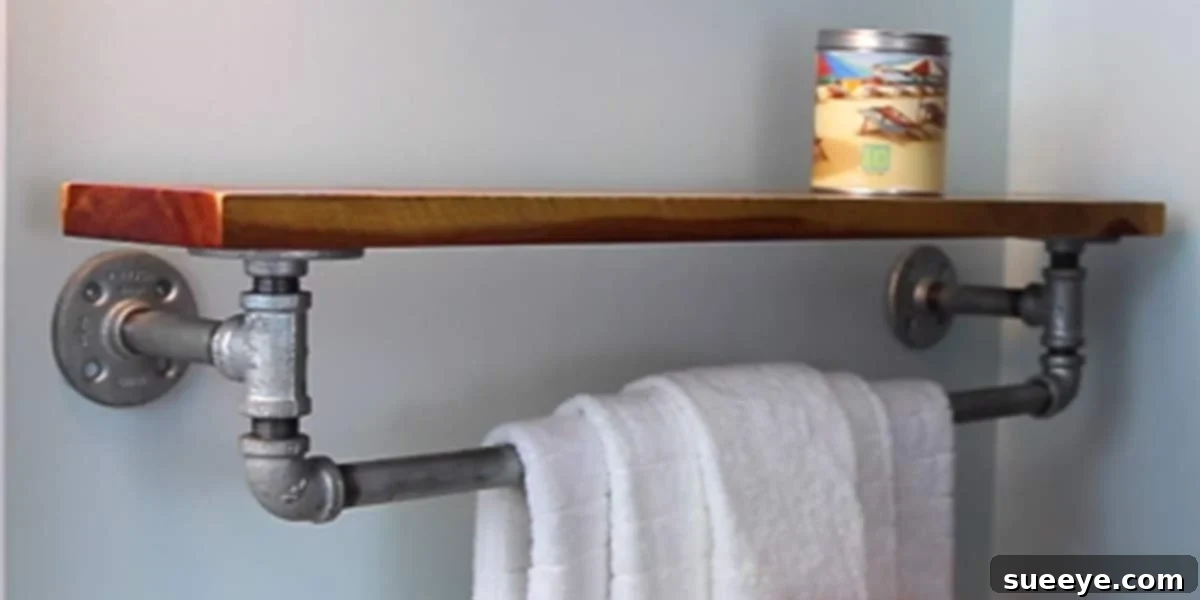
In the dynamic world of interior design, few aesthetics capture attention quite like the industrial style. It’s a look that effortlessly blends raw utilitarianism with refined modern sensibilities, creating spaces that are both inviting and incredibly chic. As a Realtor, I’ve had the pleasure of exploring countless properties, from sleek high-rises to charming urban lofts, and a common thread I’ve noticed gaining immense popularity is the creative use of metal pipes in furniture and shelving. This distinct design element instantly infuses any interior with an urban edge, a look that has become a global phenomenon.
The allure of industrial design lies in its incredible versatility. It harmoniously coexists with modern styles, injecting a touch of rustic warmth and character that enriches any room. These pieces aren’t just functional; they serve as intriguing conversation starters, adding layers of personality to your home. The beauty of industrial pipe decor is that it’s surprisingly accessible, especially for those who love to dabble in DIY projects. Metal pipes and fittings are an incredibly inexpensive material, offering endless possibilities for crafting unique home accents. Imagine transforming simple pipes and reclaimed wood into a striking coffee table, a sturdy bookshelf, or even a bespoke clothing rack. The creative potential is truly limitless, and the satisfaction of building something with your own hands is unparalleled.
My own living space is a delightful amalgamation of eclectic finds, modern furniture, and bohemian touches, a canvas perfectly complemented by the robust elegance of industrial pieces. This style beautifully highlights the art I’ve collected over the years, proving that functional elements can also be works of art. The discovery of pipes and fittings has opened up a whole new realm of creative expression for me, and I’m thrilled to share one of my favorite projects: a DIY industrial pipe shelf that promises to transform your space.
Embracing the Industrial Aesthetic: Why Pipe Decor Reigns Supreme
The enduring popularity of industrial pipe decor isn’t just a passing trend; it’s a testament to its inherent advantages. This style brings a unique blend of functionality, durability, and raw beauty into any setting. Here’s why it continues to captivate homeowners and designers alike:
- Unmatched Versatility: From simple shelves and towel bars to elaborate desks, bed frames, and lighting fixtures, the modular nature of pipes and fittings allows for an incredible range of creations.
- Exceptional Durability: Crafted from robust materials like black iron or galvanized steel, industrial pipe furniture is built to last. It withstands daily wear and tear, making it a practical choice for busy households.
- Cost-Effective Customization: Compared to custom-made furniture, sourcing pipes and fittings from your local hardware store is remarkably affordable. This allows you to design and build bespoke pieces that perfectly fit your space and aesthetic preferences without breaking the bank.
- Distinctive Aesthetic Appeal: The raw, exposed elements of pipe decor add a unique character that is both rugged and refined. It’s a bold statement that speaks to a love for authenticity and design with a story.
- Sustainable Choice: Utilizing readily available materials and even reclaimed wood for shelving promotes a sense of sustainability and conscious consumption, giving new life to otherwise ordinary objects.
- Easy to Personalize: Whether you prefer the raw metal look, a matte black finish, or a pop of color, pipes can be painted to match any decor. Similarly, a wide array of wood types and finishes can be used for shelves, offering endless personalization opportunities.
Understanding Your Materials: The Building Blocks of Industrial Design
Before diving into the construction of your industrial pipe shelf, it’s beneficial to understand the components that make up these sturdy and stylish creations. The core elements are, of course, the pipes and the various fittings that allow you to connect them into any desired configuration.
Pipes: The Foundation
The most common types of pipes used in DIY industrial decor are black iron pipes and galvanized pipes. Black iron pipes are typically used for gas lines but are preferred for their raw, dark aesthetic in decor projects. Galvanized pipes are coated with zinc to prevent rust, giving them a brighter, more silvery finish. For this specific project, 1/2-inch black iron pipes are often favored for their classic industrial look and robust nature.
Fittings: The Connectors
Fittings are the unsung heroes of pipe projects, allowing you to create complex shapes and secure your structure. Here’s a breakdown of the key fittings you’ll encounter:
- Floor Flanges: These circular fittings have screw holes around their perimeter, allowing you to securely attach your pipe structure to a wall, floor, or wooden surface. They are essential for stability.
- Tee Fittings: Shaped like the letter ‘T’, these fittings allow one pipe to connect to two other pipes, typically at a 90-degree angle, creating branches or supports.
- 90-Degree Elbow Fittings: As the name suggests, these allow you to change the direction of a pipe by 90 degrees, forming corners and turns in your design.
- Close Connectors (Nipples): Short pieces of pipe, typically threaded on both ends, used to connect two fittings directly.
- Couplings/Connectors: Used to join two pieces of pipe of the same size in a straight line, extending the length of your structure.
The beauty of these components lies in their modularity. They screw together effortlessly, making the assembly process quite intuitive. While cutting pipes can be a bit challenging without the right tools, many hardware stores offer pipe cutting services, or you can purchase pre-cut lengths, simplifying the DIY process for beginners.
Your Next Project: The DIY Industrial Pipe Shelf
Ready to add a touch of urban sophistication to your home? This DIY industrial pipe shelf project is not only rewarding but also incredibly versatile. Once completed, your new shelf can serve multiple functions: a stylish towel bar in the bathroom, a practical clothing rack in a closet or bedroom, or a unique display shelf for your favorite books, plants, or art pieces. You could even use it to elegantly hang a cherished quilt. Let your imagination guide you!
Materials You’ll Need for a Basic 24-Inch Wide Shelf
For a robust and aesthetically pleasing industrial pipe shelf, gather the following components. Remember, these are for a 1/2-inch pipe diameter, which offers a good balance of strength and visual appeal.
- (4) 1/2″ Floor Flanges: These will be the mounting points that secure your shelf to the wall.
- (2) 1/2″ Tee Fittings: Used to create the upright supports for your shelf and connect the horizontal bar.
- (2) 1/2″ 90-Degree Elbow Fittings: Essential for turning the corners and forming the shelf’s side supports.
- (2) 1/2″ 2-1/2″ Connectors (Nipples): These short pieces will connect fittings.
- (4) 1/2″ Close Connectors (Nipples): Even shorter pieces used for tight connections between fittings.
- (1) 1/2″ 24″ Pipe: This will be your main horizontal bar for hanging or supporting the shelf. You might need additional pipes for the vertical supports, depending on your desired shelf height.
- (1) Piece of Wood for Shelf: Approximately 10-12 inches deep and 24-30 inches wide (to extend slightly beyond the pipe structure). Choose a sturdy wood like pine, oak, or reclaimed lumber.
- (8) 10 x 3/4″ Stainless Screws: For securely attaching the flanges to your wall. Ensure they are appropriate for your wall type (e.g., drywall anchors if not drilling into studs).
Tools Required:
- Pipe wrench or sturdy adjustable wrench
- Drill with 1/8″ drill bit (for pilot holes) and appropriate screwdriver bits
- Measuring tape
- Pencil or marker
- Stud finder (recommended for wall mounting)
- Level
- Safety glasses and gloves
- Sanding paper, wood stain/paint, and clear sealant (for the wood shelf)
Step-by-Step Assembly Guide:
- Prepare Your Materials: Before assembly, it’s a good idea to clean your pipes and fittings. New pipes often come with a protective oily coating that can stain walls or hands. Wipe them down thoroughly with a degreaser or industrial cleaner, then dry completely. If desired, you can then spray paint the pipes (e.g., with a matte black finish) for a custom look. Prepare your wood shelf by sanding it smooth, applying stain or paint, and sealing it to protect against moisture.
- Assemble the Pipe Frame: Begin by screwing the various fittings together to create your shelf’s frame. A common configuration involves attaching a close connector to each of the two 90-degree elbows. Then, attach a tee fitting to each of the remaining ends of the close connectors. Next, screw the 2-1/2″ connectors into the bottom of the tee fittings. Finally, screw a floor flange onto the end of each 2-1/2″ connector. This forms the side uprights with the mounting flanges at the bottom.
- Connect the Horizontal Bar: Take your 24″ pipe and screw it into the open ends of the two tee fittings. Ensure all connections are tightened securely with your pipe wrench. The frame should now stand as a cohesive unit.
- Mark and Mount on the Wall: Determine the ideal height and location for your shelf. Use a stud finder to locate wall studs for the most secure mounting. Hold the assembled pipe frame against the wall, using a level to ensure it’s perfectly straight. Mark the screw holes of the floor flanges on the wall with your pencil.
- Drill Pilot Holes: Using your drill and 1/8″ drill bit, carefully drill pilot holes at each marked spot. If you cannot hit a stud, use appropriate drywall anchors for secure installation.
- Secure the Frame: Align the floor flanges with the pilot holes and use the stainless screws to firmly attach the entire pipe structure to the wall. Make sure it’s snug and stable.
- Attach the Wood Shelf: Place your prepared wood shelf on top of the horizontal pipe or any other supporting elements you’ve designed. You can simply rest it there or, for added stability, use pipe clamps or drill up through the pipe structure into the underside of the wood shelf (if your design allows) to secure it permanently.
- Final Touches: Give your new industrial pipe shelf a final wipe-down. Step back and admire your handiwork!
Safety Considerations:
Always wear safety glasses when drilling or cutting. Be mindful of heavy pipes and use gloves to prevent cuts or scrapes. Ensure your wall anchors are appropriate for the weight of the shelf and anything you plan to put on it. If you’re unsure about wall mounting, consult a professional.
Beyond the Shelf: Customization and Design Tips
The beauty of industrial pipe decor lies in its adaptability. Don’t be afraid to experiment and personalize your creation:
- Finishes: While a raw or matte black pipe finish is classic, consider painting your pipes with metallic sprays for a copper or bronze look, or even vibrant colors for a bold, artistic statement.
- Shelf Materials: Explore different types of wood like distressed barn wood for a truly rustic feel, smooth plywood for a minimalist look, or even tempered glass for a modern touch.
- Multi-Tiered Designs: Expand on the basic shelf by adding more horizontal pipes and wood planks to create a multi-level shelving unit.
- Integrated Lighting: For a truly unique piece, consider integrating small LED strip lights under your shelf for ambient lighting, accentuating your displayed items.
- Contextual Integration: Think about the overall aesthetic of your room. An industrial pipe shelf can anchor a gallery wall, complement leather furniture, or provide a striking contrast in a room filled with soft textures and patterns.
Conclusion: Craft Your Own Industrial Masterpiece
Industrial pipe decor offers an exciting avenue for creativity, allowing you to craft unique, durable, and stylish pieces that reflect your personal taste. The DIY industrial pipe shelf is an excellent starting point, providing not just functional storage but also a captivating design element that adds character and urban flair to any space. Whether you’re looking to create a statement piece for your living room, a practical solution for your bathroom, or an inspiring display in your office, the versatility and affordability of pipes and fittings make it an accessible and rewarding project for every home improver.
So, gather your materials, roll up your sleeves, and embark on this satisfying journey. The possibilities are endless, and the result will be a piece of furniture that is not only robust and beautiful but also imbued with the story of your own making. Transform your home with the timeless charm of industrial design – your unique pipe masterpiece awaits!