
Food waste is a pervasive and costly problem in many households, often leading to frustration and wasted money. We’ve all experienced the disappointment of excitedly buying fresh fruits and vegetables, only to find them wilting, molding, or spoiling just a few days later. This cycle not only diminishes our efforts to eat healthily but also contributes to a significant environmental footprint. The feeling that no matter what measures you take, your fresh ingredients quickly deteriorate into unusable produce is a common kitchen dilemma.
But what if there was a simple, effective way to significantly extend the life of your fresh produce? Imagine enjoying crisp lettuce, vibrant carrots, and perfectly ripe avocados for much longer, reducing your trips to the grocery store and saving money in the process. This comprehensive guide will equip you with practical, easy-to-implement food storage ideas and preservation techniques that can revolutionize the way you manage your kitchen. Inspired by valuable insights from resources like the Sweet Simple Vegan video tutorial, we will explore tried-and-true methods designed to combat premature spoilage. Prepare to transform your approach to food storage, minimize waste, and savor the freshness of your groceries for an extended period, ensuring every purchase brings lasting value.
Mastering Produce Preservation: Essential Tips to Make Your Fresh Food Last Longer and Reduce Waste
The secret to effective food preservation lies in understanding the unique storage requirements of different types of produce. Just like individuals, fruits and vegetables thrive under specific conditions regarding temperature, humidity, and even exposure to certain gases. Overlooking these specific needs is often the primary culprit behind rapidly wilting greens or quickly ripening fruits. By learning and consistently applying a few key principles, you can dramatically improve the longevity and quality of your fresh groceries, ensuring they remain nutritious and delicious until you’re ready to use them.
The Science of Spoilage: Key Factors Influencing Produce Longevity
To effectively prevent spoilage, it’s beneficial to grasp the underlying reasons why produce degrades. Several critical factors contribute to the breakdown of fresh foods:
- Ethylene Gas: Many fruits and vegetables, categorized as “climacteric” produce, naturally release ethylene gas as they ripen. This gas acts as a plant hormone that accelerates the ripening process not only for the fruit itself but also for other ethylene-sensitive produce stored nearby. Understanding which items are significant ethylene producers (like apples, bananas, and tomatoes) and which are sensitive (like leafy greens, carrots, and broccoli) is crucial for smart storage.
- Temperature: Both excessively cold and overly warm temperatures can compromise the cellular structure of produce, accelerating decay. While refrigeration generally slows down enzymatic reactions and microbial growth, some produce, surprisingly, is harmed by the cold, leading to altered textures and flavors.
- Humidity: Maintaining the right humidity level is vital. Too much moisture encourages the growth of mold and bacteria, causing sliminess and rot. Conversely, insufficient humidity can lead to dehydration, wilting, and a loss of crispness.
- Air Circulation: Adequate airflow is essential to prevent moisture buildup and inhibit the proliferation of undesirable bacteria and fungi. Storing produce in overcrowded or sealed environments without ventilation can hasten spoilage.
- Physical Damage: Bruises, cuts, or any form of physical damage create vulnerable entry points for microorganisms, significantly speeding up the decay process. Handle your produce gently from the moment of purchase.
Fundamental Principles for Maximizing Produce Shelf Life
Adopting these foundational strategies will create a robust system for a longer-lasting pantry and refrigerator:
- Careful Selection at Purchase: Always select produce that appears firm, vibrant, and free of any visible blemishes, mold, or soft spots. Starting with high-quality ingredients is the first step to extended freshness.
- Wash Just Before Use: Resist the urge to pre-wash all your produce immediately after grocery shopping. Washing can introduce excess moisture into crevices, creating an ideal environment for bacterial growth. An exception might be a very quick, diluted vinegar rinse for berries, followed by meticulous drying.
- Strategic Trimming: Remove any rubber bands, twist ties, or excessive outer leaves that might trap moisture or accelerate the decay of the inner parts of vegetables like lettuce or celery.
- Prevent Overcrowding: Provide ample space for your produce in the refrigerator or pantry. Good air circulation is paramount for preventing moisture buildup and maintaining freshness.
- Mindful Use of Airtight Containers: While some items thrive in airtight containers to retain moisture, others require more ventilation. Knowing which produce benefits from sealed environments and which needs to breathe is key to successful storage.
Specific Storage Strategies for Common Fruits, Vegetables, and Herbs
Now, let’s delve into practical, item-specific advice that builds upon general principles, many of which are brilliantly showcased in resources such as the Sweet Simple Vegan tutorial:
1. The Ethylene Gas Rule: Separating Potatoes and Onions
- Always store potatoes and onions separately. This is a cardinal rule in produce preservation! Onions are significant producers of ethylene gas, which acts as a powerful ripening agent. When stored near potatoes, this gas drastically accelerates their sprouting and subsequent spoilage. Keeping them apart is essential to maximize the shelf life of both staples.
- Optimal Environment: Both potatoes and onions flourish in a cool, dark, and dry environment with adequate ventilation. A pantry, cellar, or even a breathable mesh bag in a dark corner of your kitchen is ideal. Avoid storing them in plastic bags, which trap moisture and promote decay.
2. Countertop vs. Refrigerator: Understanding Cold Sensitivity
- Keep potatoes, tomatoes, bananas, and garlic at room temperature in a cool, dark place. While refrigeration is beneficial for many items, these specific staples actually suffer detrimental effects from cold temperatures.
- Potatoes: Cold conditions in the refrigerator convert their starch into sugars, leading to a gritty texture, altered flavor, and making them less suitable for certain cooking applications.
- Tomatoes: Refrigeration can break down the cell membranes of tomatoes, resulting in a mealy texture and a significant loss of their vibrant, fresh flavor. For best results, store them stem-side down on your kitchen counter.
- Bananas: Storing unripe bananas in the fridge will halt their ripening process completely, and their skins will blacken prematurely, even if the fruit inside remains edible. Once bananas are ripe, you can refrigerate them for an additional few days to slow further ripening, but expect the skin to darken.
- Garlic: Cold, humid environments encourage garlic to sprout prematurely or develop mold. A breathable container in a cool, dark pantry is the perfect storage solution.
3. Preserving Fresh Herbs: The Floral Approach
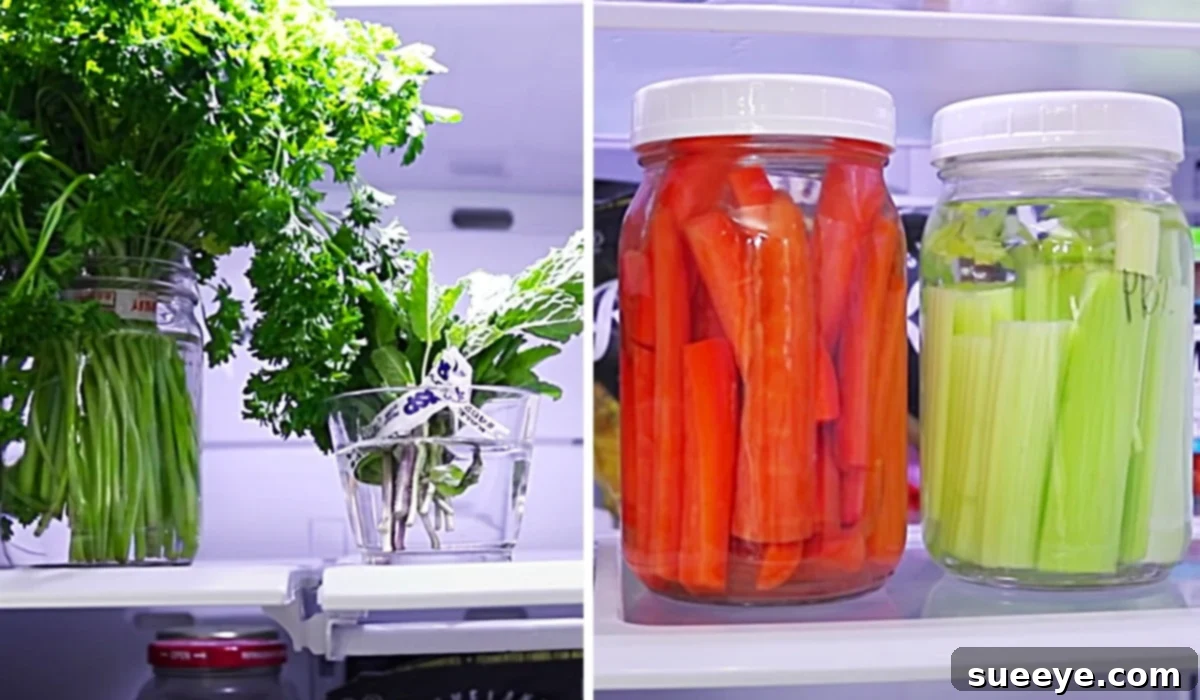
- Treat most fresh herbs like a bouquet of flowers – place them in water and store them in the fridge. Tender herbs such as parsley, cilantro, and mint benefit immensely from this method. Simply trim the bottoms of the stems, place them upright in a jar or glass containing about an inch of fresh water, and then cover the entire setup loosely with a plastic bag before refrigerating. This technique keeps them hydrated and prevents wilting, maintaining their vibrant flavor and appearance.
- Basil is a notable exception. Basil is highly sensitive to cold and will quickly turn black and wilt if stored in the refrigerator. Instead, treat basil like a delicate houseplant: keep it on your countertop in a jar of water, positioning it away from direct sunlight and drafts.
4. Avocados: The Ripen-Then-Chill Strategy
- Avocados are best kept on the countertop until they reach ripeness, after which they should be refrigerated. This straightforward strategy effectively manages their unpredictable ripening process. Unripe avocados should be left at room temperature to soften naturally.
- Assessing Ripeness: A key indicator of a ripe avocado is when the stem cap pops off very easily, and the fruit yields gently to light pressure. At this stage, transfer them to the refrigerator. The cooler temperatures will significantly slow down further ripening, granting you several extra days of freshness before they spoil.
One of the most effective and aesthetically pleasing methods for preserving crisp vegetables like carrots and celery is the water submersion technique. This ingenious hack can dramatically extend their freshness, ensuring they remain crunchy, vibrant, and ready for use for weeks, rather than just days. If you’ve ever been frustrated by limp carrots or rubbery celery stalks, this simple preservation method is a true game-changer that will reduce waste and enhance your culinary experience.
5. The Water Bath Method: Carrots and Celery for Extended Crispness
To successfully implement this highly effective and simple preservation technique:
- Initial Preparation: Begin by thoroughly washing your carrots and celery to remove any dirt or residues.
- Cut into Manageable Pieces: Cut them into desired stalks or sticks. For celery, you can keep the individual ribs whole. For carrots, peeling and then cutting them into convenient sticks works perfectly for snacking and cooking.
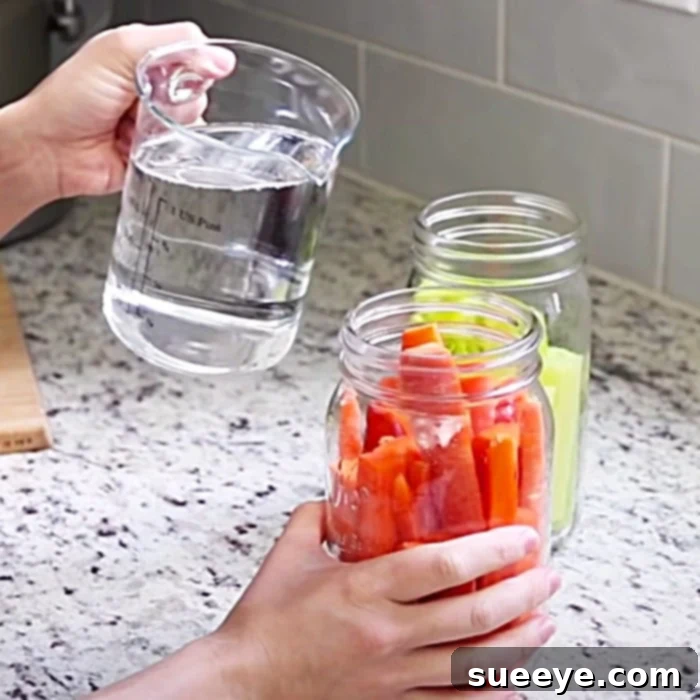
- Container and Submersion: Place the prepared carrots and celery into a clean, airtight jar or container. A mason jar is an excellent choice for this purpose due to its sealable lid.
- Complete Water Coverage: Completely cover the vegetables with fresh, cold water. It is crucial that they are fully submerged to maintain hydration.
- Seal and Refrigerate: Securely cover the jar with its lid and place it in the refrigerator. For optimal freshness, change the water every few days to prevent cloudiness and maintain the crisp texture.
This method works by preventing moisture loss, which is the primary cause of wilting in these vegetables. By keeping them hydrated, their cellular structure remains firm, retaining their desirable crispness. This makes them ideal for snacking, adding to salads, or incorporating into cooked dishes long after their usual shelf life. I was particularly delighted to discover this method because I have a deep fondness for celery, and its stalks traditionally have a very short window of crispness before wilting!
6. Preventing Rancidity: Optimal Storage for Nuts and Seeds
Many individuals unknowingly store nuts and seeds in their pantry, but these ingredients, rich in delicate fats, are highly susceptible to rancidity. Exposure to high temperatures, light, and oxygen can cause the healthy oils in nuts and seeds to oxidize, resulting in an unpleasant bitter flavor and a significant loss of their nutritional benefits.
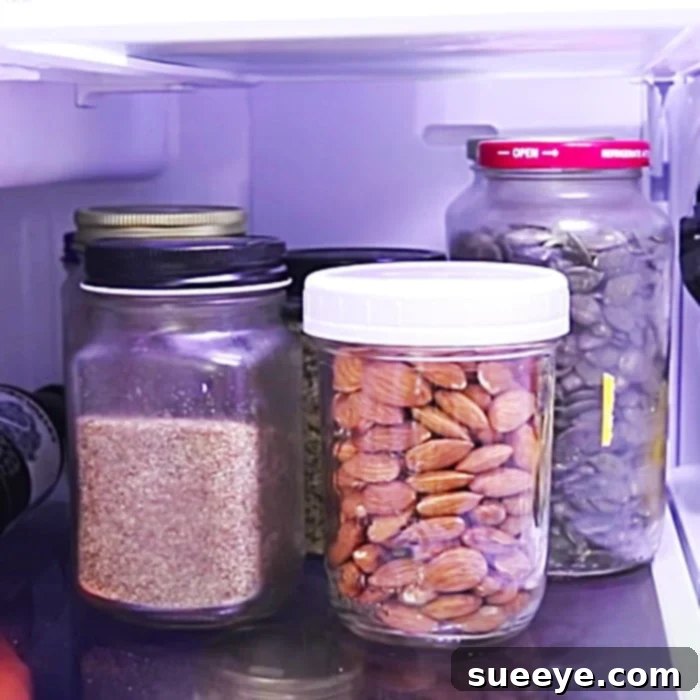
- Store nuts and seeds in jars in the refrigerator. It’s a common misconception that nuts have a long shelf life at room temperature. Believe it or not, nuts can turn rancid quite easily, so keeping them cool and dry is paramount to maintaining their quality and flavor.
- Airtight Containers are Essential: Always store nuts and seeds in tightly sealed, airtight containers. This protects them from exposure to air, which promotes oxidation, and from moisture, which can lead to mold.
- Refrigeration for Medium-Term Storage: For storage periods ranging from a few weeks to a couple of months, the refrigerator is an excellent choice. The consistently cool temperatures significantly slow down the oxidation process, preserving their freshness.
- Freezing for Long-Term Preservation: For extended storage (several months up to a year or even longer), the freezer is your best ally. Nuts and seeds freeze beautifully without any significant loss of quality. Simply allow them to return to room temperature before consumption to achieve the best flavor and texture.
Additional Smart Storage Hacks for a Longer-Lasting Larder
7. Berries: Keep Them Dry and Happy
Berries are notoriously delicate and highly susceptible to mold. The fundamental key to extending their fresh life is to keep them as dry as possible and minimize exposure to mold spores.
- Vinegar Rinse (Optional but Recommended): Many enthusiasts swear by a quick rinse in a diluted vinegar bath (a ratio of 1 part white vinegar to 3 parts water) to effectively kill off mold spores. After this, ensure you rinse them thoroughly with plain cool water.
- Meticulous Drying: This is arguably the most crucial step. After rinsing, spread the berries in a single layer on paper towels or a clean kitchen cloth and allow them to air dry completely. Any residual moisture will accelerate spoilage.
- Ventilated Storage: Once thoroughly dried, store your berries in a breathable container (like their original clam-shell container with the lid slightly ajar, or a container lined with fresh paper towels) in the refrigerator. The paper towels will absorb any lingering excess moisture, preventing sliminess. Change the paper towels if they become damp.
8. Leafy Greens: The Paper Towel Trick for Crispness
Salad greens, spinach, kale, and other leafy vegetables often wilt rapidly due to either excessive moisture loss or, paradoxically, too much moisture buildup.
- Wash and Thoroughly Dry: If your greens aren’t pre-washed, wash them gently. The most critical follow-up step is to dry them extremely well using a salad spinner, or by patting them dry with multiple layers of paper towels.
- The Paper Towel Wrap: Wrap clean, completely dry greens loosely in a fresh layer of paper towels. Then, place them inside an airtight container or a sealed plastic bag. The paper towel acts as a moisture regulator, absorbing any excess condensation that forms, thereby preventing sliminess and preserving their crisp texture. Remember to change the paper towel if it becomes noticeably damp.
9. Apples and Citrus: Cool, Calm, and Separated
- Apples: Store apples in the crisper drawer of your refrigerator. It is important to keep them separate from other ethylene-sensitive produce, as apples are significant ethylene producers. Stored correctly, apples can maintain their crispness and flavor for several weeks.
- Citrus Fruits (Lemons, Limes, Oranges): These vibrant fruits can typically last for about a week at room temperature on your counter. For significantly longer storage (up to 3-4 weeks), place them in a mesh bag or the crisper drawer of your refrigerator.
10. Freezing for the Long Haul: A Year-Round Solution
When you find yourself with an abundance of seasonal produce or wish to preserve items well past their fresh shelf life, freezing offers an excellent long-term storage solution for many fruits and vegetables.
- Blanching Vegetables: Most vegetables (with exceptions like onions or peppers) benefit greatly from blanching – a process of briefly boiling them and then rapidly cooling them in an ice bath. This step helps to preserve their color, texture, and nutritional content when frozen.
- Individual Freezing (Flash Freezing): For items like berries, chopped fruits, or diced vegetables, flash freezing is ideal. Spread them in a single layer on a baking sheet and freeze until solid. Once frozen, transfer them to airtight freezer bags or containers. This prevents them from clumping together, allowing you to take out only what you need.
The Profound Impact of Smart Produce Storage
Implementing these deceptively simple yet incredibly powerful storage techniques extends far beyond merely keeping your food fresh for a few extra days. The benefits are wide-ranging and impactful:
- Significant Cost Savings: By drastically reducing the amount of produce that spoils, you are effectively extracting more value from every single grocery shopping trip. Less wasted food directly translates to less money being thrown away, bolstering your household budget.
- Reduced Food Waste: Contributing to a more sustainable and environmentally conscious lifestyle, minimizing food waste actively lessens your carbon footprint and transforms you into a more responsible and thoughtful consumer.
- Healthier Eating Habits: Having a steady supply of fresh, vibrant, and ready-to-use produce readily available in your kitchen inherently encourages healthier meal preparation and snacking choices. This makes it considerably easier to consistently incorporate more fruits and vegetables into your daily diet.
- Enhanced Convenience and Peace of Mind: Bid farewell to those inconvenient, last-minute grocery runs motivated by a sudden discovery that your celery has wilted or your lettuce has turned slimy. With proper storage, you’ll consistently have fresh ingredients at your fingertips, simplifying meal planning, streamlining cooking processes, and reducing overall kitchen stress.
These food preservation ideas are incredibly valuable, offering practical solutions to common kitchen challenges. While we’ve delved into many essential tips and strategies here, there are always more detailed insights and innovative hacks to be discovered, often found in comprehensive tutorials such as the one thoughtfully provided by Sweet Simple Vegan on YouTube. Taking the time to understand and diligently apply these food storage techniques will not only ensure your produce lasts significantly longer but will also transform your kitchen into a more efficient, economical, and sustainable space. We strongly encourage you to start experimenting with these methods today and wholeheartedly enjoy the extended freshness, flavor, and nutritional value of your favorite fruits, vegetables, and herbs!