
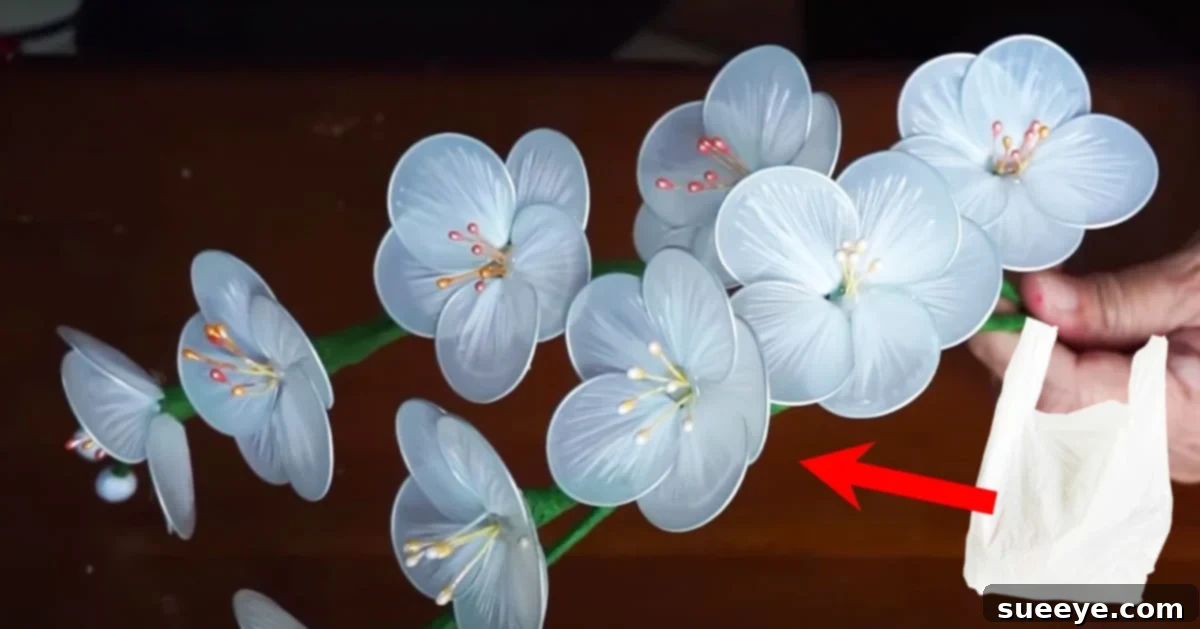
In a world increasingly conscious of its environmental footprint, the seemingly insignificant plastic grocery bag has emerged as a symbol of our consumption habits. Far too often, these bags are used once and then relegated to a forgotten drawer, a crowded cupboard, or worse, directly to a landfill, where they can take hundreds of years to decompose. But what if these everyday items could be transformed into something truly beautiful and enduring? Imagine turning what was once considered waste into a captivating piece of home decor or a thoughtful, handcrafted gift. This isn’t just a fantasy; it’s entirely possible through the art of upcycling. This comprehensive guide will walk you through creating stunning recycled plastic flowers, a project that is not only incredibly satisfying but also a powerful statement about sustainability and creativity. With a bit of patience and a few simple supplies, you’ll discover how to breathe new life into discarded plastic, crafting intricate blooms that are sure to impress.
The concept of upcycling is gaining immense traction as individuals and communities seek innovative ways to reduce waste and foster a more sustainable lifestyle. Instead of merely recycling plastic, which often involves energy-intensive processes to break down and reform materials, upcycling elevates discarded items into products of higher value or quality. Our DIY recycled plastic flowers project embodies this philosophy perfectly. These aren’t just crude imitations; when crafted with care, these plastic blooms can possess a delicate beauty that rivals their natural counterparts. You might find yourself questioning if they are indeed made from plastic bags, thanks to their refined appearance and unique texture. Furthermore, this craft is surprisingly simple, requiring minimal supplies and a small investment of time, making it an accessible and rewarding venture for crafters of all skill levels. So, the next time you unpack your groceries, think twice before discarding those plastic bags. They hold the potential for a gorgeous, eco-friendly transformation, ready to adorn your living space or become a cherished gift.
Beyond their aesthetic appeal, these upcycled plastic flowers offer a myriad of benefits. They provide an excellent opportunity to engage in a mindful, creative activity, offering a break from digital screens and the stresses of daily life. Crafting has been shown to reduce stress, improve mood, and foster a sense of accomplishment. For families, it’s a fantastic project to share with children (with appropriate supervision for sharp tools), teaching them valuable lessons about recycling, resourcefulness, and the positive impact of creativity on the environment. Imagine decorating your home with a vibrant bouquet of flowers that cost next to nothing to create, or presenting a friend with a personalized wreath made from materials that would otherwise have polluted our planet. The possibilities for these versatile plastic flowers extend far beyond a simple countertop decoration, offering countless avenues for larger, more ambitious projects. Let’s embark on this eco-conscious crafting journey together and transform humble plastic bags into everlasting works of art.
The Environmental Imperative of Upcycling
Before diving into the exciting creative process, it’s crucial to understand the profound impact of plastic waste and why upcycling projects like this one are so vital. Plastic bags, while convenient, represent a significant environmental challenge. They are petroleum-based products, meaning their production consumes non-renewable resources and contributes to greenhouse gas emissions. Once used, their lightweight and durable nature makes them incredibly persistent pollutants. They clog waterways, endanger wildlife through ingestion and entanglement, and eventually break down into microplastics, which contaminate our soil, water, and even the air we breathe. Recycling programs often struggle with plastic bags because they can jam machinery, leading to them frequently being sent to landfills despite collection efforts.
This is where upcycling steps in as a powerful solution. By transforming plastic bags into decorative items, we are not just diverting waste from landfills; we are also extending the lifecycle of these materials, reducing the demand for new virgin plastics, and minimizing the energy expenditure associated with traditional recycling. Every plastic bag you repurpose into a beautiful flower is one less bag contributing to environmental degradation. This craft serves as a tangible reminder of the potential for transformation inherent in discarded items and encourages a mindset of resourcefulness and conscious consumption. It’s an act of environmental stewardship disguised as a delightful DIY project, empowering you to make a real difference, one flower at a time.
Supplies: Gathering Your Materials
One of the most appealing aspects of this DIY craft is the minimal and inexpensive supply list. Most items are likely already in your home, making it a budget-friendly project that champions resourcefulness. Here’s what you’ll need to create your stunning recycled plastic flowers:
- Plastic Bags: Gather a variety of clean, dry plastic grocery bags. Different colors can add visual interest to your flowers. Think about the texture and thickness; thicker bags might hold shape better, while thinner ones offer more delicate petals.
- Bottle Cap (Gatorade or Similar Size): This will serve as a template for shaping your wire petals. Any sturdy circular object of similar diameter will work.
- Scotch Tape: Useful for temporarily securing plastic or thread, though not always essential.
- Masking Tape (Preferably Green): Essential for wrapping the stem and giving it a natural, leafy appearance. Green floral tape can also be used for a more professional finish.
- Thread: Strong sewing thread is crucial for securely holding the plastic petals onto the wire frames and for assembling the flower components. A neutral color like white or green is often best, but you can experiment.
- Pliers: Necessary for bending and shaping the craft wire into consistent petal frames. Needle-nose pliers are particularly useful for intricate bends.
- Scissors: Sharp scissors are needed for cutting both the plastic bags and the thread.
- Craft Wire: A flexible yet sturdy wire (e.g., 20-24 gauge floral wire or similar) will form the skeletal structure of your flower petals. Ensure it’s pliable enough to bend but strong enough to maintain its shape.
Instructions: Crafting Your Recycled Blooms
The process of creating these plastic flowers is meditative and rewarding. While we’ll provide detailed steps here, it’s highly recommended to watch the tutorial from Simp Decor on YouTube. Visual guidance can be incredibly helpful for mastering the techniques of shaping and wrapping.
Step 1: Preparing Your Plastic Bags
Begin by flattening your plastic bags. Smooth out any wrinkles and cut off the handles and the bottom seam. This will leave you with a large rectangular piece of plastic. You can then cut this into smaller, more manageable squares or rectangles, roughly 6-8 inches per side, depending on the desired size of your petals. For a multi-colored flower, separate your plastic pieces by color. Ensure all plastic pieces are clean and dry before you begin crafting.
Step 2: Creating the Wire Petal Frames
This step establishes the fundamental shape of your flower petals. Take your craft wire and wrap it around the base of your chosen bottle cap. This will give you a consistent circular or oval shape. Using your pliers, carefully twist the ends of the wire together to form a closed loop. Ensure the twisted portion is neat and secure, as this will be the base of your petal. Repeat this process until you have five identical wire frames for each flower you plan to make. Consistency in shape and size is key to creating a beautiful, symmetrical bloom.
Step 3: Covering the Wire Frames with Plastic
Now for the magical transformation! Take one of your wire frames and a piece of cut plastic bag. Lay the plastic bag over the wire frame, ensuring it completely covers the loop with a slight overhang. Gently stretch and pull the plastic taut over the frame, mimicking the delicate membrane of a real flower petal. Once the plastic is stretched across the frame, begin twisting the excess plastic tightly around the twisted wire base of the frame. This creates a neat, gathered effect at the bottom of the petal. To secure this, take your thread and tightly wrap it multiple times around the twisted plastic and wire base, then tie it off with a secure knot. Trim any excess plastic or thread. Repeat this intricate process for all five of your wire frames, striving for uniformity in tension and appearance for each petal.
Step 4: Assembling the Flower
Once you have your five beautifully crafted petals, it’s time to bring them together to form a cohesive flower. Arrange the petals in a circular pattern, overlapping them slightly at their bases to create a full, natural look. Hold them firmly together at the point where their twisted bases meet. Using your strong thread, tightly wrap it around the gathered bases of all five petals. Continue wrapping and tying knots until the petals are securely bound together and form a stable flower shape. Don’t be afraid to pull the thread tight to ensure durability. You can also add a small piece of craft wire in the center during this step if you want to create a sturdier core for the stem.
Step 5: Creating the Stem and Finishing Touches
For a realistic and sturdy stem, take another piece of craft wire – this will be your main stem wire. Attach this wire to the tightly bound base of your flower using more thread, wrapping it securely. Once the main stem wire is firmly in place, begin wrapping green masking tape (or green floral tape) tightly around the entire length of the stem, starting from the base of the flower and working your way down. Overlap the tape slightly as you go to ensure full coverage and a smooth, continuous finish. This tape not only adds a natural green color but also provides additional structural integrity to the stem. You can also cut out leaf shapes from green plastic bags and attach them to the stem using the green tape for an even more authentic look. Continue wrapping until the entire visible wire is covered, creating a neat and attractive stem.
Creative Variations and Project Ideas
The beauty of this recycled plastic flower craft lies in its versatility. Once you’ve mastered the basic technique, you can unleash your creativity and explore numerous variations:
- Different Flower Shapes: Experiment with different wire frame shapes beyond the simple circle. Oval frames can create more elongated petals, while slight indentations can give a ruffled effect. You could even try different numbers of petals for different flower types, like four petals for a simpler bloom or more for a fuller rose-like appearance.
- Color Combinations: Don’t limit yourself to single-color flowers. Mix and match different colored plastic bags for striking, multi-toned petals. Imagine a flower with white inner petals and pink outer petals, or a vibrant rainbow effect.
- Embellishments: Add beads, glitter, or small painted details to the center of your flowers to mimic pollen or dew drops, giving them an extra touch of realism and sparkle.
- Plastic Bag Wreaths: As hinted earlier, these flowers are perfect for creating unique, eco-friendly wreaths for your front door or interior walls. Simply create a circular base from cardboard or wire and hot glue your finished flowers onto it.
- Bouquets and Centerpieces: Arrange several flowers of varying sizes and colors into a stunning everlasting bouquet. Place them in a vase as a unique centerpiece for your dining table or living room, offering a pop of color that never wilts.
- Gift Wrapping Accents: Elevate your gift-giving by attaching a handmade plastic flower to the top of a present instead of a traditional bow. It adds a personal, sustainable touch that recipients are sure to appreciate.
- Wall Art: Create a captivating 3D wall sculpture by arranging dozens of these flowers in different sizes and colors on a canvas or wooden board.
- Fashion Accessories: With a pin back, these flowers can be transformed into unique brooches, hair clips, or embellishments for hats and bags, adding a quirky, eco-conscious flair to your wardrobe.
- Party Decorations: Use them for sustainable party decor. Create garlands, table scatters, or even unique photo booth props.
Tips for Success
- Practice Makes Perfect: Don’t get discouraged if your first few petals aren’t perfect. Like any craft, it takes a little practice to get the hang of shaping the wire and neatly wrapping the plastic.
- Clean and Dry Bags: Always use clean and dry plastic bags. Food residue can lead to odors or an unsightly finish.
- Varying Thickness: Experiment with different types of plastic bags. Some are thinner and more pliable, creating delicate petals, while thicker bags can offer more structure.
- Secure Threading: Ensure your thread is wrapped very tightly and knotted securely. This is crucial for the durability and longevity of your flowers.
- Safety First: When working with scissors and pliers, especially if crafting with children, always prioritize safety. Supervise young crafters and teach them proper handling techniques.
- Watch the Tutorial: Reiterate the importance of watching the Simp Decor tutorial. Visual aids are invaluable for understanding the specific twisting and wrapping motions.
Conclusion: Bloom with Purpose
This creative journey of transforming discarded plastic bags into charming, everlasting flowers is more than just a craft; it’s an act of purpose. It’s a wonderful example of how small, individual actions can contribute to a larger movement of sustainability and environmental responsibility. You’ve not only created a beautiful piece of decor but also actively participated in diverting waste from landfills, reducing pollution, and championing the principles of upcycling.
The innovative spirit behind this craft is truly inspiring. Plastic bags, so easily dismissed and thrown away, hold incredible potential for reinvention. By choosing to reuse them in such a creative and elegant manner, you’re not just making a decorative item; you’re making a statement. You’re demonstrating that beauty can be found in the unexpected, and that responsible consumption doesn’t have to mean sacrificing style or creativity. We encourage you to embrace this rewarding DIY project, share your creations with pride, and inspire others to look at their “waste” with a fresh, imaginative perspective. Let your recycled plastic flowers bloom as a testament to your ingenuity and commitment to a greener, more beautiful world.