
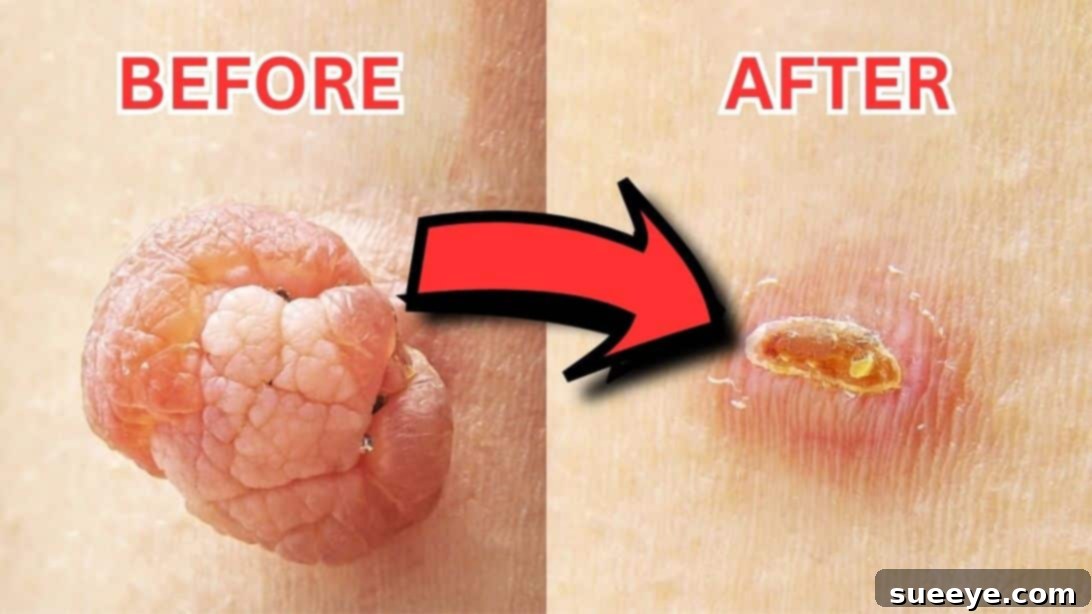
Natural Mole Removal: A Comprehensive Guide to Castor Oil and Baking Soda
For those seeking a gentle, at-home approach to address unwanted moles, the combination of castor oil and baking soda has emerged as a popular natural remedy. This guide explores a simple yet detailed method, popularized by channels like Natural Cures on YouTube, that leverages the unique properties of these two common household ingredients. While the allure of a quick and easy solution is strong, it is paramount to approach any homemade treatment with caution and, most importantly, with prior consultation from a healthcare professional. Understanding your moles and the potential risks involved is the first step towards safe and effective skin care.
Moles are common skin growths, often appearing as small, dark spots. While most are harmless, some can change in appearance or, in rare cases, become cancerous. This is why professional medical assessment is non-negotiable before attempting any form of mole removal, especially with home remedies. Once you have a doctor’s assurance that your mole is benign and suitable for home treatment, exploring natural options like the castor oil and baking soda paste can be a gentle alternative to more invasive procedures.
This article will delve deep into the potential benefits of castor oil and baking soda for mole removal, provide a step-by-step application guide, discuss important safety precautions, and manage expectations regarding results. Our aim is to provide you with all the necessary information to make an informed decision, always prioritizing your health and well-being.
Understanding Moles: What You Need to Know
Before considering any removal method, it’s essential to understand what moles are. Moles, medically known as nevi, are common skin growths that develop when pigment cells (melanocytes) grow in clusters. They can vary in size, shape, and color, appearing flat or raised, smooth or rough, and ranging from pink to dark brown or black. Most people have between 10 to 40 moles, and while they can appear at birth, new moles often develop during childhood and adolescence. Sun exposure and genetics are significant factors influencing their development.
When to Be Concerned About a Mole
While the vast majority of moles are benign (non-cancerous), it’s crucial to monitor them for any changes that could signal melanoma, a serious form of skin cancer. The “ABCDE” rule is a helpful guide for self-examination:
- A – Asymmetry: One half of the mole does not match the other half.
- B – Border Irregularity: The edges are ragged, notched, blurred, or poorly defined.
- C – Color Variation: The color is not uniform and may include shades of brown, black, tan, red, white, or blue.
- D – Diameter: The spot is larger than 6 millimeters (about the size of a pencil eraser), though melanomas can sometimes be smaller.
- E – Evolving: The mole is changing in size, shape, color, or elevation, or any new symptom appears, such as bleeding, itching, or crusting.
If you notice any of these signs, or if a mole appears suddenly, it is imperative to consult a dermatologist immediately. Never attempt to treat a suspicious mole with home remedies.
The Power Duo: Castor Oil and Baking Soda for Moles
The combination of castor oil and baking soda is often touted in natural health circles for its purported ability to dry out and gradually diminish moles. Each ingredient brings distinct properties to the table.
Castor Oil: A Natural Wonder
Castor oil, extracted from the seeds of the Ricinus communis plant, has a long history of use in traditional medicine for various ailments, including skin conditions. Its primary active component, ricinoleic acid, is known for its anti-inflammatory and analgesic properties. For mole removal, castor oil is believed to work in several ways:
- Penetration: Its low molecular weight allows it to penetrate the skin deeply.
- Drying Effect: While often considered moisturizing, when combined with baking soda, it acts as a carrier and helps to create a paste that can gradually dehydrate the mole.
- Healing Properties: It may support the skin’s natural healing process as the mole dries and eventually sheds.
Baking Soda: The Drying Agent
Baking soda, or sodium bicarbonate, is a mild abrasive and an alkaline substance commonly used for cleaning, cooking, and various home remedies. In the context of mole removal, its role is primarily to:
- Dry Out the Mole: Its alkaline nature can help to dry out the mole’s cells, encouraging it to shrink and fall off over time.
- Exfoliation: Its fine, granular texture offers mild exfoliation, which may assist in the gradual shedding of the mole’s surface layers.
- pH Balance: Some proponents suggest it helps to alter the pH environment around the mole, making it less hospitable for growth.
When combined, castor oil acts as a binder, allowing the baking soda to adhere to the mole more effectively and continuously deliver its drying action. The oil also helps mitigate some of the harshness of the baking soda, offering a slightly gentler approach than baking soda used alone.
Materials You’ll Need
Gathering your materials before you begin ensures a smooth and uninterrupted application process. You likely already have most of these items at home.
- Castor Oil: Opt for pure, cold-pressed, hexane-free castor oil for the best quality.
- Baking Soda: Regular baking soda from your pantry is perfectly suitable.
- Small Bowl and Spoon/Applicator: For mixing the paste. A clean cotton swab or a small spatula can also work for application.
- Bandages: To cover the mole and keep the paste in place. Hypoallergenic bandages are a good choice, especially if you have sensitive skin.
- Mild Soap and Water: For cleaning the area before and after application.
Step-by-Step Directions for Application
Following these steps consistently and carefully is key to this home remedy. Remember, patience is vital, as natural treatments often require several weeks to show noticeable results.
- Preparation is Key: Begin by thoroughly cleaning the mole and the surrounding skin with mild soap and water. Gently pat the area dry with a clean towel. This ensures the skin is free of oils, dirt, or lotions that could hinder the paste’s effectiveness.
- Mix the Paste: In a small, clean bowl, pour a small amount of castor oil. Start with about half a teaspoon. Then, add a spoonful of baking soda – typically, a 1:2 ratio of castor oil to baking soda works well to create a thick paste. Mix them thoroughly until you achieve a smooth, consistent paste that is thick enough to stay on the mole without dripping. Adjust the consistency by adding more oil or baking soda as needed.
- Apply the Mixture: Using a clean cotton swab, your fingertip (ensure hands are clean), or a small applicator, scoop out a small amount of the paste. Gently apply a thin layer directly onto the mole, ensuring it is completely covered. Try to avoid spreading the paste onto the surrounding healthy skin as much as possible, as baking soda can be mildly irritating.
- Secure with a Bandage: Once the mole is covered, place a small, sterile bandage over the treated area. This serves two purposes: it keeps the paste in direct contact with the mole and prevents it from being rubbed off by clothing or bedding.
- Overnight Treatment: Allow the mixture to sit on your mole overnight, ideally for 6-8 hours. This prolonged contact maximizes the drying and penetrating effects of the ingredients.
- Rinse and Repeat: In the morning, carefully remove the bandage. Gently rinse off the mixture with lukewarm water. Pat the area dry. Repeat this process every night for several weeks. Consistency is crucial for achieving desired results. Over time, you should observe the mole gradually drying out, shrinking, and eventually disappearing or flaking off.
Important Safety Precautions and Considerations
While natural remedies can be appealing, safety should always be your top priority. It’s critical to be fully aware of the potential risks and to take necessary precautions.
Always Consult Your Doctor First
This is the most important piece of advice. Before attempting any home treatment for mole removal, it is absolutely essential to have your mole examined by a medical professional, such as a dermatologist. A doctor can accurately diagnose the type of mole, confirm it is benign, and rule out any underlying conditions like melanoma. Self-diagnosing and treating a potentially cancerous mole can lead to serious health complications and delay critical medical intervention.
Patch Test for Skin Sensitivity
Castor oil, while generally safe, can cause skin redness, itching, or irritation in some individuals, particularly those with sensitive skin. Baking soda can also be drying and irritating, especially with prolonged contact. Before applying the paste to a mole, perform a patch test on a small, inconspicuous area of your skin (e.g., inner forearm) for 24 hours. If you experience any severe irritation, redness, swelling, or allergic reaction, discontinue use immediately.
Caution with Babies and Children
The skin of babies and young children is much more delicate and sensitive than adult skin. It is strongly advised against using home remedies like this on infants or children without explicit guidance and supervision from a pediatrician. Their skin can absorb substances differently, and reactions can be more severe.
Avoid Contact with Eyes and Mucous Membranes
Be extremely careful when applying the paste, especially if the mole is near your eyes, nose, mouth, or other sensitive areas. If the mixture accidentally gets into your eyes, rinse thoroughly with plenty of water and seek medical attention if irritation persists.
Managing Expectations and Potential Outcomes
Natural remedies work differently for everyone. Some people may see significant results, while others may experience little to no change. The process often takes several weeks or even months of consistent application. There is no guarantee that the mole will disappear completely or that it won’t leave a slight mark or discoloration. In some cases, if the mole does not completely resolve, it may reappear.
When to Stop and Seek Professional Help
Discontinue the treatment immediately and consult your doctor if you experience any of the following:
- Increased pain, tenderness, or discomfort around the mole.
- Significant redness, swelling, or persistent irritation beyond mild temporary redness.
- Signs of infection, such as pus, fever, or red streaks spreading from the area.
- Any changes in the mole’s appearance (color, shape, size) that resemble the ABCDEs of melanoma.
- If the mole does not show any signs of drying or diminishing after several weeks of consistent use.
Frequently Asked Questions About Natural Mole Removal
1. How long does it take for a mole to disappear with this method?
The duration can vary significantly from person to person and depends on the size and type of the mole. Some individuals report seeing results within a few weeks, while for others, it may take several months of consistent daily application. Patience and persistence are crucial.
2. Will this method leave a scar?
While natural remedies are generally less invasive than surgical options, there’s always a possibility of scarring or discoloration, especially if the skin becomes irritated or if the mole is deep. To minimize this risk, apply the paste gently, avoid scratching or picking at the mole, and follow all safety precautions carefully.
3. Can I use this on moles on my face?
Moles on the face require extra caution due to the skin’s sensitivity and cosmetic concerns. Always perform a patch test. If you proceed, apply the paste meticulously to avoid contact with eyes and surrounding sensitive facial skin. Due to the high visibility of facial moles, it might be advisable to discuss professional removal options with a dermatologist to minimize potential scarring.
4. Are there any side effects other than irritation?
Beyond localized skin irritation (redness, itching, dryness), severe side effects are uncommon if pure ingredients are used and proper precautions are followed. However, misuse or neglecting to consult a doctor first could lead to delayed diagnosis of skin cancer or skin damage. Always listen to your body and stop if something doesn’t feel right.
5. What if the mole doesn’t completely go away?
If after several weeks or months of consistent application, the mole has not disappeared or shown significant improvement, it’s best to discontinue the home treatment. Revisit your dermatologist to discuss alternative professional mole removal options, which might include surgical excision, laser removal, or cryotherapy, depending on the mole’s characteristics.
Conclusion: Informed Choices for Skin Health
The castor oil and baking soda remedy offers an accessible and natural approach for those interested in at-home mole removal. Its simplicity and use of everyday ingredients make it an attractive option for many. However, the importance of a professional medical consultation cannot be overstated. Your dermatologist is your best resource for accurately assessing your moles and guiding you toward the safest and most effective removal methods for your individual needs.
Embrace natural remedies with an informed and cautious mindset. Listen to your body, observe how your skin reacts, and always prioritize your health over quick fixes. With careful preparation, consistent application, and, most importantly, medical guidance, you can explore natural solutions while ensuring your skin remains healthy and safe.
*Many thanks to Natural Cures via YouTube for providing the inspiration and images for this detailed guide. If you found this information helpful, we encourage you to visit their channel for more natural health tips and subscribe to their content!