
The Ultimate Guide to Removing Stubborn Grease Stains with Chalk: A Simple Laundry Hack
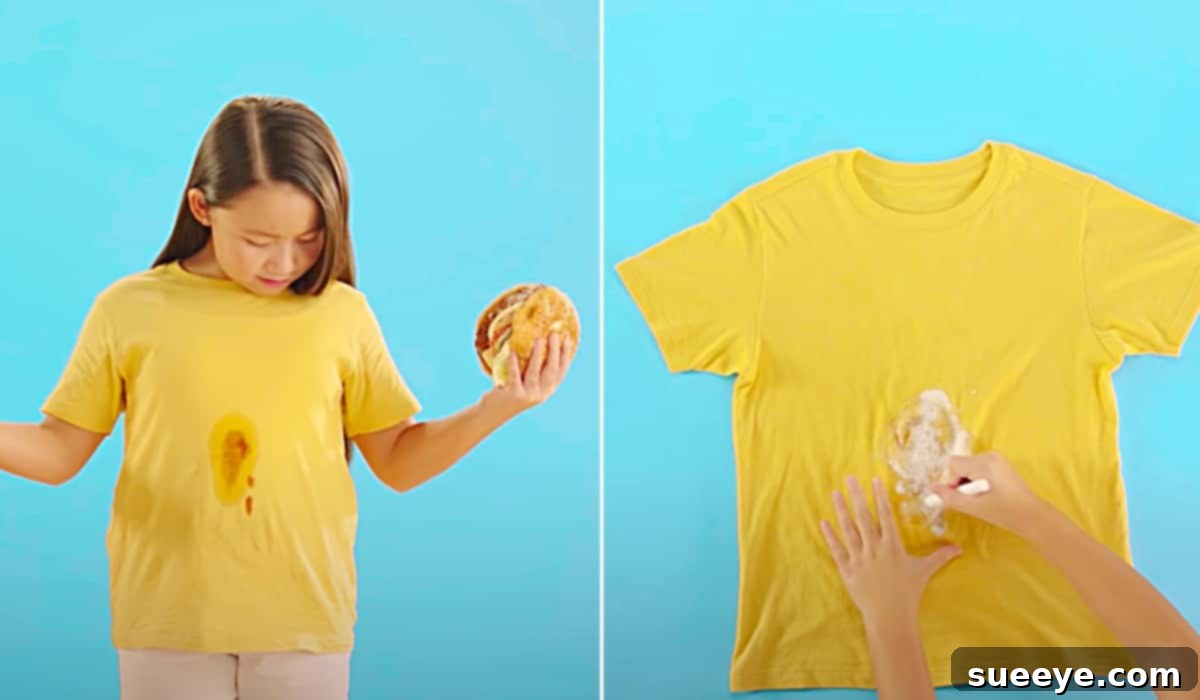
Grease stains can be among the most formidable opponents in the battle against laundry mishaps. Whether it’s a splatter from cooking, a drip from a juicy burger, or an accidental brush with car oil, these oily marks often seem impossible to fully eradicate, leaving behind a tell-tale shadow on your favorite garments. The frustration of ruining a perfectly good shirt or pair of pants with a seemingly indelible grease mark is a common experience for many.
However, what if there was a surprisingly simple, highly effective, and incredibly affordable solution waiting in your home? We were absolutely thrilled to discover an ingenious method presented in an excellent video tutorial by The Learning Lab on YouTube, which reveals how ordinary chalk can be your secret weapon against even the most stubborn grease stains. This method not only promises a clean garment but also provides an accessible, DIY approach to a common household problem, saving you time, money, and the heartache of discarded clothing.
The beauty of this chalk-based cleaning technique lies in its simplicity and the readily available materials it requires. Forget expensive, harsh chemical removers; this gentle yet powerful method leverages the natural properties of chalk, combined with a common household degreaser, to lift oil stains effectively. It’s a game-changer for anyone who has ever wrestled with the lingering aftermath of a delicious, albeit messy, meal.
Why Grease Stains Are So Challenging (And Why Chalk Is the Answer)
Before diving into the solution, it’s helpful to understand why grease stains are so notoriously difficult to remove. Oil and water don’t mix, as the saying goes, and this chemical principle is at the heart of the problem. Greasy substances, being hydrophobic, resist water-based cleaning agents, causing them to spread and deeply penetrate fabric fibers. Traditional washing often just pushes the grease around, sometimes even setting the stain further into the material, especially if hot water is used.
This is where chalk comes in as an unexpected hero. Chalk is highly porous and absorbent, making it an excellent natural desiccant. When rubbed onto a grease stain, the fine chalk particles act like tiny sponges, drawing the oil out of the fabric fibers. This absorption process is crucial for breaking the bond between the grease and the cloth, preparing the stain for final removal. Combined with a powerful degreasing agent like dish soap, chalk provides a two-pronged attack that significantly boosts your chances of complete stain eradication.
Essential Materials for This DIY Grease Stain Remover
One of the most appealing aspects of this method is that you likely already have all the necessary supplies lying around your home. No special trips to the store required! Here’s what you’ll need to transform your grease-stained garments:
- White Chalk: Ordinary white blackboard chalk is perfect for this task. Avoid colored chalk, as the pigments could potentially transfer to your fabric, creating a new, albeit different, stain. The finer the chalk, the better its absorbent properties will be.
- A Spray Bottle with Water and a Little Dawn Dish Liquid: Dawn is renowned for its grease-cutting power, often used in professional cleaning and even for wildlife rescue after oil spills. For our purposes, a diluted solution is ideal. Mix about one teaspoon of Dawn dish liquid (or similar degreasing dish soap) with approximately one cup of water in a small spray bottle. Shake gently to combine.
- A Clean Towel: A soft, absorbent towel will be essential for blotting the treated area. Microfiber towels work well, but any clean, light-colored cloth will suffice. Avoid dark-colored towels, especially for light fabrics, to prevent dye transfer.
Step-by-Step Guide: How to Remove Grease Stains with Chalk
Follow these simple directions, inspired by The Learning Lab’s insightful tutorial, to effectively banish grease stains from your clothing:
1. Act Immediately: The Key to Success
The sooner you treat a grease stain, the higher your chances of complete removal. As soon as you notice the grease mark, remove the affected article of clothing. Do not let the stain sit, and absolutely avoid putting it in the dryer, as heat will set the stain permanently.
2. Apply the Chalk Generously: Your Grease Magnet
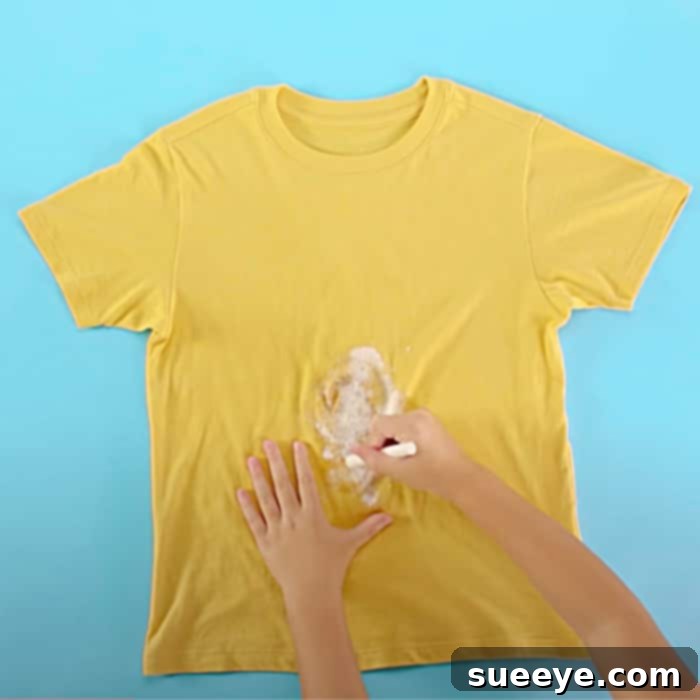
Take your piece of white chalk and generously rub it directly onto the grease-stained area. Ensure the entire oily patch is covered with a thick layer of chalk. The goal is for the chalk to absorb as much of the oil as possible. You should see the chalk visibly darkening as it draws out the grease. For very fresh or heavy stains, you might gently press the chalk into the fabric or even grind a small amount of chalk powder onto the area.
3. Let It Sit and Work Its Magic
Allow the chalk to sit on the stain for at least 10-15 minutes, or even longer for older or larger stains. During this time, the chalk will actively pull the oil out of the fabric fibers. You can even leave it overnight if the stain is particularly stubborn or if you’re unable to proceed immediately.
4. Prepare the Dawn & Water Solution
While the chalk is working, ensure your spray bottle with the diluted Dawn solution is ready. Give it a gentle shake before use.
5. Spray the Treated Area
Once the chalk has had time to absorb the grease, lightly spray the chalk-covered area with your water and Dawn solution. You don’t want to drench the fabric, but ensure the chalk is thoroughly moistened. The Dawn will begin to break down any remaining grease that the chalk hasn’t absorbed.
6. Allow to Penetrate
Let the sprayed solution sit on the fabric for approximately 20 minutes. This allows the Dawn to fully penetrate the fibers and emulsify the grease, making it easier to wash away.
7. Blot and Rinse
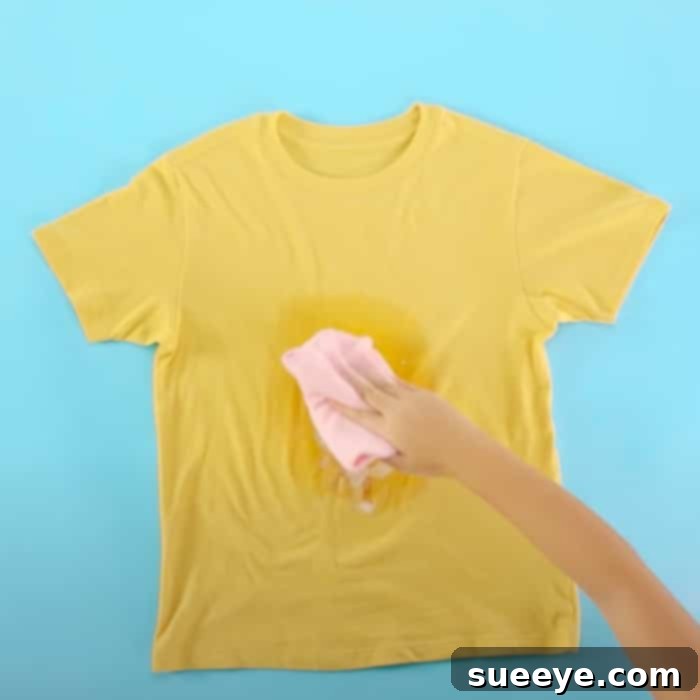
After 20 minutes, take your clean towel and gently blot the treated area. Do not rub, as rubbing can spread the stain or damage the fabric. Blotting helps to lift the loosened grease and chalk residue. Once you’ve blotted as much as possible, rinse the area under cool water, or, ideally, proceed to wash the garment as usual in your washing machine, following the care label instructions. For best results, wash the item separately or with similar colors to prevent any potential chalk residue from transferring.
8. Inspect Before Drying
Before placing the garment in the dryer, carefully inspect the area where the stain was. If any trace of the grease stain remains, repeat the entire chalk and Dawn treatment process. It’s crucial to ensure the stain is completely gone before drying, as heat will set any lingering oil, making it much harder to remove later.
Advanced Tips and Troubleshooting for Stubborn Stains
While the chalk method is remarkably effective, some stains might require a little extra persistence. Here are some pro tips:
- For Old or Set Stains: If you’re dealing with an older grease stain, you might need to repeat the chalk application and Dawn treatment multiple times. For extra tough stains, consider gently scrubbing the chalk into the fabric with an old toothbrush before applying the Dawn solution.
- Delicate Fabrics: Always test the chalk and Dawn solution on an inconspicuous area of the garment first, especially with delicate fabrics like silk or rayon, to ensure there’s no discoloration or damage. Apply more gently on these materials.
- Dark Fabrics: While white chalk is recommended to avoid transferring color, on very dark fabrics, ensure all chalk residue is thoroughly rinsed out before washing to prevent a whitish film.
- Heavy Grease: For very heavy grease (like motor oil), you might want to pre-scrape any excess grease with a dull knife or spoon before applying chalk.
The Science Behind the Magic: How It Works
The success of this method isn’t just anecdotal; it’s rooted in basic chemistry and physics. Chalk, primarily made of calcium carbonate, is a desiccant, meaning it attracts and absorbs moisture and oils. Its porous structure provides a large surface area for the grease molecules to adhere to. When chalk is rubbed onto the fabric, it physically pulls the oil out of the fibers.
Dawn dish soap, on the other hand, is a powerful surfactant. Surfactants work by breaking the surface tension of water and emulsifying oils. This means they surround the grease particles, allowing them to mix with water and be washed away. When the chalk has already absorbed the bulk of the grease, the Dawn comes in to emulsify any remaining residue and facilitate its complete removal during the rinse and wash cycle.
Prevention Is Key: Avoiding Grease Stains in the First Place
While this chalk hack is incredibly useful, avoiding stains altogether is always the best strategy. Here are a few tips:
- Wear an Apron: When cooking, especially frying or sautéing, an apron is your best friend.
- Mindful Eating: When enjoying greasy foods like burgers or pizza, be conscious of your movements. Use napkins liberally.
- Change Clothes: If you’re working on a car or around machinery with grease, change into old clothes you don’t mind getting dirty.
- Immediate Cleanup: If you spill grease, tackle it immediately before it has a chance to set.
Frequently Asked Questions About Grease Stain Removal
- Q: Can I use any type of chalk?
- A: It’s strongly recommended to use white chalk. Colored chalk contains pigments that could potentially dye your fabric, creating a new stain. White blackboard or sidewalk chalk is ideal.
- Q: What if I don’t have Dawn dish soap?
- A: Most highly concentrated degreasing dish soaps will work similarly. Look for brands known for their grease-cutting power. Avoid dish soaps with moisturizers or strong dyes.
- Q: Does this method work on all fabrics?
- A: This method is generally safe for most washable fabrics like cotton, denim, and synthetics. However, always test on an inconspicuous area first, especially for delicate materials like silk, wool, or rayon. For “dry clean only” items, it’s best to consult a professional cleaner.
- Q: How long can a grease stain sit before it’s too late?
- A: The fresher the stain, the easier it is to remove. While this chalk method can work on older stains, they might require multiple applications and more patience. Once a stain has been through a hot dryer, it becomes significantly harder, often impossible, to remove.
- Q: Can I use baby powder or cornstarch instead of chalk?
- A: Yes, baby powder (talc) or cornstarch are also excellent absorbents and can be used in a similar fashion. Apply a generous amount, let it sit to absorb the grease, then brush it off before proceeding with the Dawn and water solution.
Say Goodbye to Grease Stains for Good!
Grease stains no longer have to be the bane of your laundry routine. With this simple, effective, and budget-friendly method championed by The Learning Lab, you can confidently tackle those oily marks and restore your favorite clothes to their pristine condition. It’s a testament to the power of household hacks and a reminder that sometimes the best solutions are the most straightforward ones.
So, the next time a greasy mishap occurs, don’t despair. Reach for that unassuming piece of chalk, follow these steps, and prepare to be amazed as you bid farewell to stubborn grease stains, reclaiming your wardrobe one clean garment at a time. Happy cleaning!