
Reclaim Your Home: Effective and Natural Ant Control Solutions
Ants are universally unwelcome guests, whether they’re marching across your kitchen counter or colonizing your garden. These persistent pests can transform a comfortable living space into a battleground, making their rapid and safe eradication a top priority for many homeowners. While chemical solutions offer a quick fix, they often come with concerns about the safety of pets, children, and the environment. This is why natural ant killer methods are increasingly sought after, offering peace of mind alongside effective pest control.
For those seeking a straightforward, non-toxic approach to getting rid of ants, a wonderful video tutorial by Andrea Jean Cleaning on YouTube provides an invaluable guide. This method reveals how simple household ingredients can be transformed into powerful deterrents and natural ant killers, effectively clearing your home of these pesky invaders. The beauty of this approach lies in its reliance on ingredients that are readily available, budget-friendly, and perfectly safe for use around humans and pets when applied correctly. It’s a true wake-up call for anyone who believed effective pest control had to involve harsh chemicals.
Understanding Ant Infestations: The First Step to Effective Ant Removal
Before you can successfully eliminate an ant problem, it’s crucial to understand why they’re in your home in the first place. Ants typically invade our spaces in search of food, water, and shelter. A single crumb left on the floor, a drop of spilled juice, or even excess moisture can attract scout ants, who then lay down pheromone trails to guide the rest of their colony to the newfound bounty. Common entry points include tiny cracks in foundations, gaps around windows and doors, utility line openings, and even through potted plants brought indoors. Identifying these entry points and understanding their attraction to your home is the foundational step in any successful ant removal strategy.
Early detection is key. Seeing one or two ants might seem insignificant, but it’s often a precursor to a larger invasion. These scout ants are foraging for resources, and if they find what they’re looking for, a whole column of ants will soon follow. By addressing the problem at its source and disrupting their established trails, you can prevent a minor nuisance from escalating into a full-blown infestation. The natural methods described here focus not just on killing the ants you see, but also on disrupting their ability to forage and ultimately eliminating the colony at its core.
Natural Weapons Against Ants: Safe and Potent Ingredients
The beauty of natural pest control lies in harnessing the power of everyday items. Andrea Jean Cleaning’s method champions several common household ingredients that are surprisingly potent against ants, either as deterrents or as effective killers. Let’s delve into the science behind these natural solutions and how they work to make your home an ant-free zone.
Vinegar and Water: The Scent Trail Disruptor
A simple mixture of white vinegar and water is an incredibly effective and safe deterrent. Ants rely heavily on pheromone trails to navigate and communicate within their colony, guiding fellow ants to food sources. Vinegar’s strong acidic scent disrupts these trails, confusing the ants and making it difficult for them to find their way. When their scent pathways are erased, ants become disoriented and are less likely to follow a specific route into your home. This mixture acts as both a repellent and a cleaning agent, making surfaces unappealing for ant foraging.
To use, create a solution of equal parts white vinegar and water in a spray bottle. Spray directly onto ant trails, countertops, sinks, and any areas where you’ve noticed ant activity. Allow it to air dry, or wipe clean after a few minutes. Regular application, especially in high-traffic ant areas, can significantly reduce their presence. While generally safe for most surfaces, it’s always wise to perform a patch test on delicate finishes to ensure no discoloration or damage occurs.
Lemon Juice or Lemon-Scented Cleaner: A Citrusy Barrier
Similar to vinegar, the strong acidic scent of lemon juice is highly unappealing to ants. The natural acids in lemon can also disrupt their navigation and deter them from specific areas. Ants dislike citrus, making lemon-based cleaners or pure lemon juice an excellent natural barrier. Using lemon-scented products not only leaves your home smelling fresh but also creates an invisible shield against these tiny invaders.
You can spray diluted lemon juice directly onto surfaces or use lemon-scented cleaning products to wipe down countertops, floors, and windowsills. For an extra layer of defense, you can even place lemon peels near entry points or suspected ant hotspots. This method is especially effective for making food preparation areas undesirable for ants without introducing harsh chemicals.
Cinnamon: The Aromatic Ant Blocker
Cinnamon is much more than just a spice; it’s a powerful natural ant repellent. Ants detest the strong aroma of cinnamon, which can disorient them and interfere with their ability to detect food sources or follow pheromone trails. When sprinkled strategically, cinnamon acts as a physical barrier that ants are reluctant to cross, effectively blocking their entry into your home.
Sprinkle a generous amount of ground cinnamon directly across ant trails, near entry points like window sills and doorframes, or around the perimeter of your home where ants might be attempting to gain access. You can even draw a “line” of cinnamon that ants will generally refuse to cross. This not only disrupts their travel plans but also adds a pleasant fragrance to your home. Cinnamon is completely safe for use around pets and children, making it an ideal choice for sensitive areas.
Borax, Sugar, and Water: The Colony Killer Bait
This is arguably the most crucial component of an effective natural ant control strategy, as it targets the entire colony, not just the foraging ants you see. The combination of Borax (a natural mineral salt), sugar (as an attractant), and water creates a powerful bait that ants carry back to their nest. The sugar lures the ants to the bait, and the Borax acts as a slow-acting stomach poison that disrupts their digestive system, leading to their demise. Because it’s slow-acting, the foraging ants have time to return to the colony and share the poisoned bait with the queen and other ants, effectively eliminating the source of the infestation.
Materials For Getting Rid Of Ants Quickly:
- Cinnamon (ground)
- Vinegar and water (in a spray bottle, in a half and half quantity)
- Borax (household grade, typically found in laundry aisles)
- Water
- Sugar (granulated, to attract ants)
- Cotton balls (for bait delivery)
Directions: A Step-by-Step Guide to Natural Ant Eradication
This comprehensive guide, inspired by Andrea Jean Cleaning’s insightful tutorial, will walk you through each phase of implementing these natural ant control methods. The key to success is a systematic approach, combining immediate deterrents with a long-term colony elimination strategy.
Step 1: Locate the Source and Initial Deterrence
Your first task is to become an ant detective. Observe where the ants are coming from and where they are going. Follow their trails to identify their entry points and the routes they use to access food and water. Once you’ve pinpointed these critical areas, you will begin the initial deterrent phase using the vinegar and water mixture.
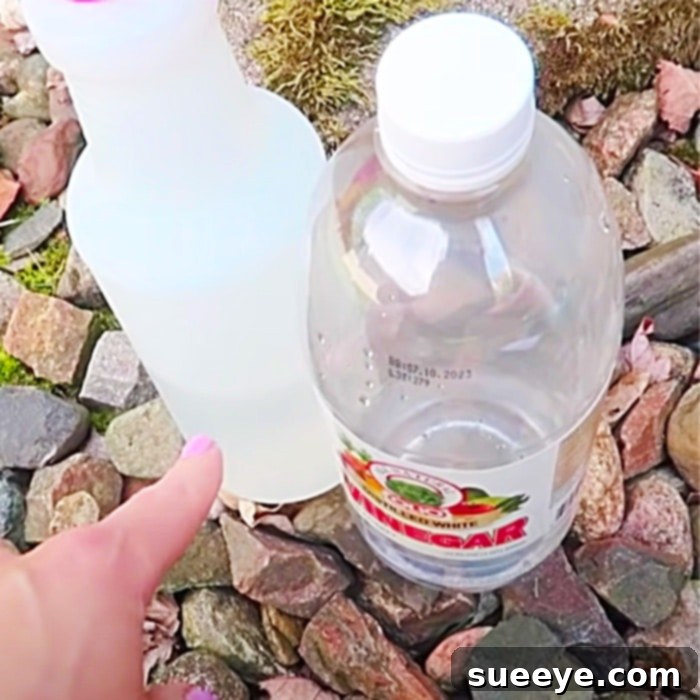
Prepare your spray bottle with an equal 50/50 mixture of white vinegar and water. Generously spray this solution around all identified ant entry points, along their trails, on countertops, inside sinks, and any other surfaces where you’ve noticed ant activity. This vinegar solution serves two purposes: it cleans the surfaces, removing any food particles or residues that might attract ants, and more importantly, it disrupts the pheromone trails ants use to navigate. By erasing these invisible pathways, you disorient the ants and make it much harder for them to find their way into your home or to their food sources. This is a crucial first step in confusing and discouraging further ant incursions.
Step 2: Reinforce Barriers with Cinnamon
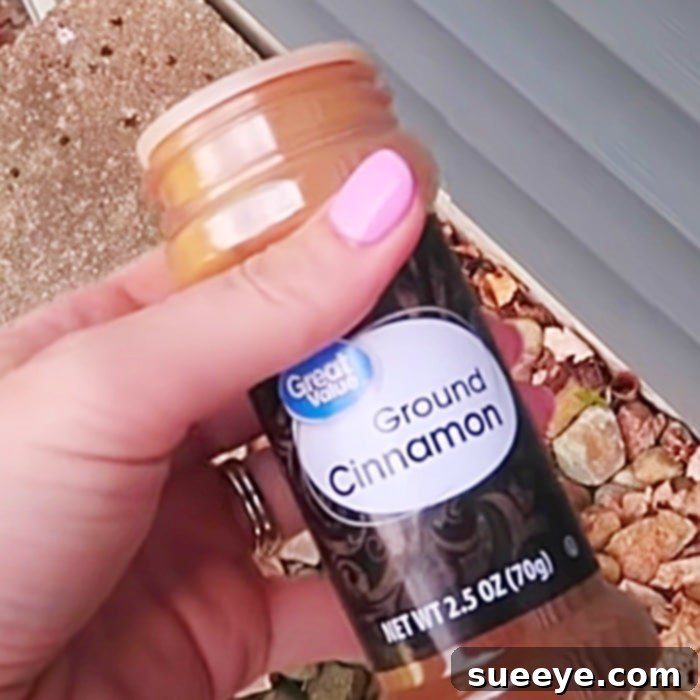
Once the vinegar and water solution has been applied and allowed to air dry, it’s time to fortify your defenses with cinnamon. This step acts as a powerful secondary deterrent, enhancing the effects of the vinegar and creating a formidable barrier that ants are highly unlikely to cross. The strong, pungent aroma of cinnamon is deeply unpleasant to ants and will further disrupt their ability to communicate and forage effectively.
Carefully sprinkle a visible line of ground cinnamon on all areas you’ve treated with the vinegar. Pay particular attention to entry points such as window sills, door thresholds, and any cracks or crevices where ants might be attempting to enter. You can also create cinnamon “borders” around areas you want to protect, such as food pantries or pet food bowls. This natural spice not only adds a pleasant scent to your home but also creates an aromatic and physical blockade that ants will instinctively avoid, making it nearly impossible for them to resume their travel plans into your living space.
Step 3: The Strategic Borax Bait for Colony Elimination
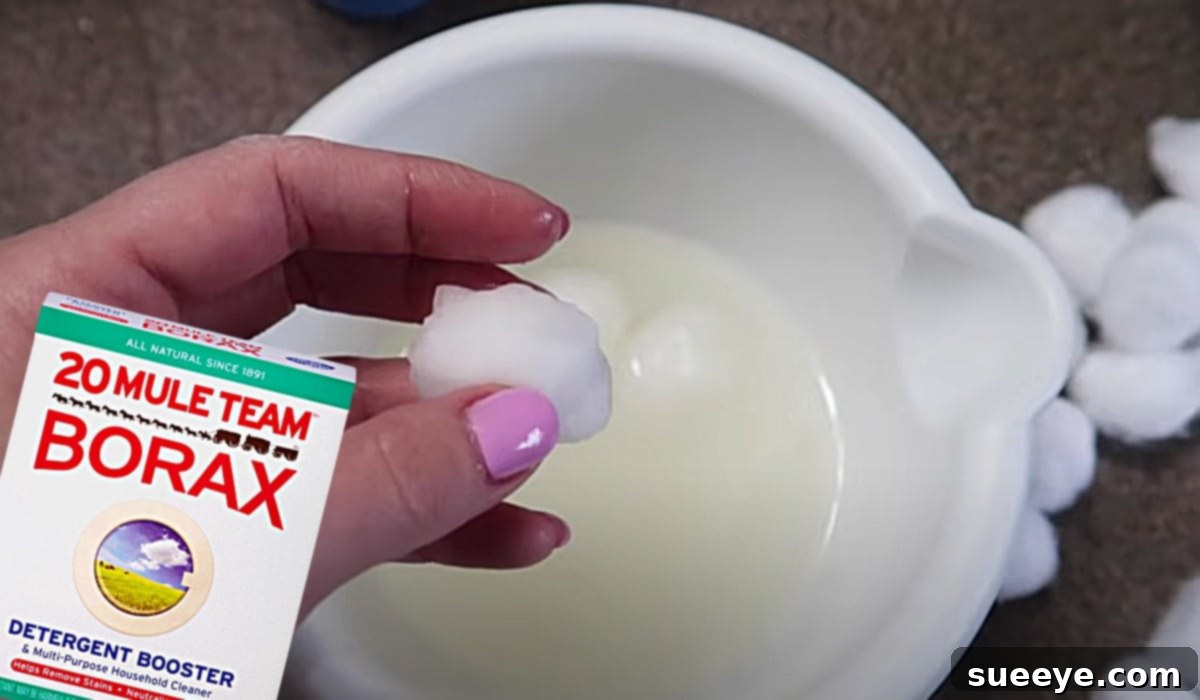
The final and most critical step in this natural ant control strategy is the deployment of the Borax, sugar, and water bait. While vinegar and cinnamon deter ants, this bait is designed to eliminate the entire colony by poisoning the queen and larvae. This is a strategic move that targets the root of the problem rather than just the visible foragers.
To prepare the bait, mix one part Borax with three parts sugar in a small bowl. Add just enough warm water to create a thick, syrupy solution that can be absorbed by cotton balls. The key is to make it sweet enough to attract the ants but ensure the Borax concentration is high enough to be effective without being so strong that it immediately kills the ants. The goal is for the ants to consume the bait and carry it back to their nest, sharing it with the rest of the colony, including the queen.
Once your bait mixture is ready, saturate several cotton balls with the solution. Place these Borax-soaked cotton balls strategically in every area where you have treated for ants, especially near their visible trails and entry points. Position them in inconspicuous spots where pets or small children cannot easily access them, as Borax, while a natural mineral, is toxic if ingested. Ants will be attracted to the sugar, feed on the cotton balls, and then transport the Borax back to their nest, effectively contaminating and eliminating the entire colony over several days. Patience is essential; you might see increased ant activity initially as they discover the bait, but over time, their numbers will drastically decline as the colony is eradicated from within.
Beyond Treatment: Ongoing Prevention and Maintenance
Successfully eliminating an ant infestation is only half the battle; preventing future invasions is equally important. By adopting simple preventative measures and maintaining good household hygiene, you can significantly reduce the likelihood of ants returning.
Ongoing Maintenance and Household Hygiene
Regular and thorough cleaning is your first line of defense. Wipe down kitchen counters and tables daily, sweep or vacuum floors regularly to remove crumbs, and promptly clean up any spills. Store food in airtight containers, especially sugary items, cereals, and pet food. Fix any leaky faucets or pipes, as ants are attracted to moisture sources. Sealing cracks and crevices around your home’s foundation, windows, and doors with caulk can block potential entry points and make it much harder for ants to find their way inside.
Exterior Prevention Strategies
Don’t just focus on the inside of your home. Trim bushes, shrubs, and tree branches away from your house, as these can serve as “bridges” for ants to access your property. Ensure firewood is stored away from the house, as it can harbor ant colonies. Keep gutters clean and free of debris, and address any standing water near your foundation. Creating a “buffer zone” around your home, free of vegetation, can also deter ants.
Patience and Persistence
Natural ant control methods, while highly effective, may take a little more time to show full results compared to harsh chemical treatments. The Borax bait, in particular, works by slowly eliminating the colony, which can take several days to a week. Do not be discouraged if you still see ants during this period; it means they are successfully carrying the bait back to their nest. Consistency in applying deterrents and maintaining preventative measures will lead to lasting results and an ant-free home.
Why Choose Natural Solutions for Ant Control?
Opting for natural ant control offers a myriad of benefits that extend beyond simply eliminating pests. Firstly, it provides unparalleled safety for your loved ones. Unlike chemical sprays that can leave behind toxic residues, natural ingredients like vinegar, cinnamon, and carefully placed Borax baits minimize health risks for children, pets, and even individuals with allergies or sensitivities. You can tackle an ant problem without the worry of harmful fumes or accidental exposure to dangerous substances.
Secondly, natural methods are environmentally friendly. They reduce your household’s chemical footprint, protecting local ecosystems and groundwater from contamination. These solutions are also often more cost-effective, utilizing everyday pantry staples rather than expensive, specialized pesticides. Moreover, adopting a natural approach encourages a deeper understanding of pest behavior and promotes sustainable practices for a healthier home and planet. It’s an empowering choice that puts you in control, armed with knowledge and safe, effective tools.
Get Rid Of Ants Now: Embrace a Natural, Ant-Free Home
Dealing with ants doesn’t have to be a frustrating or chemically-laden ordeal. By following the simple yet powerful natural solutions championed by experts like Andrea Jean Cleaning, you can effectively eradicate ant infestations and reclaim your living space. From disrupting their scent trails with vinegar and creating cinnamon barriers to strategically deploying a colony-killing Borax bait, these methods offer a comprehensive and safe approach to pest control. Embrace the power of natural ingredients, apply these steps with patience and consistency, and enjoy a home that is truly yours again – free from unwanted ant invaders.