
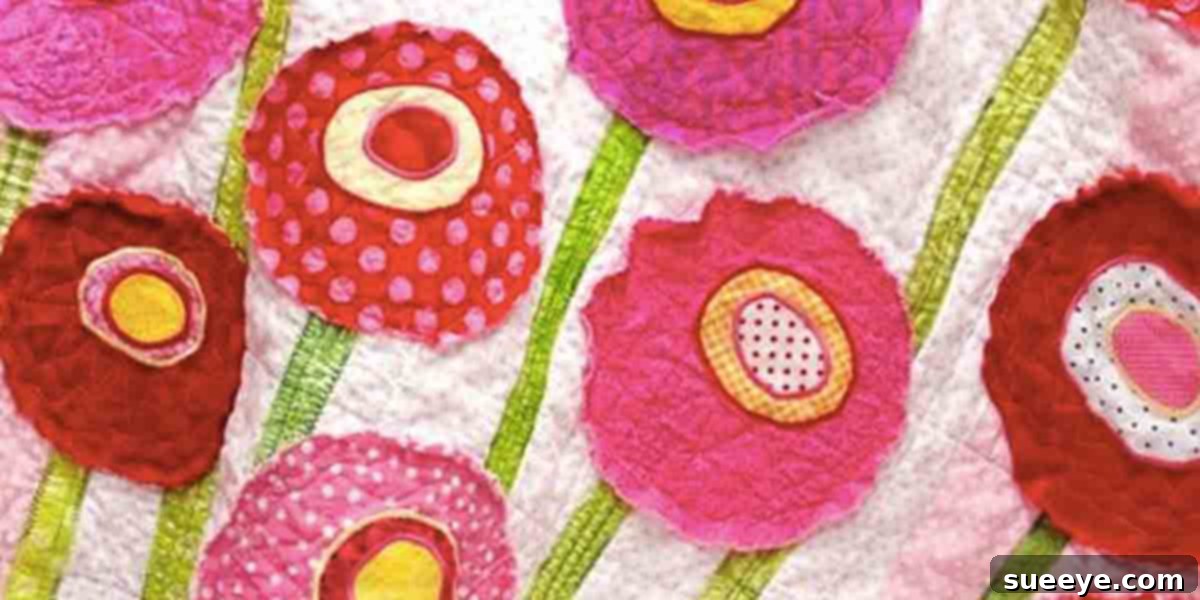
Unleashing Creativity with Raw Edge Applique: The Art of Effortless Charm
Raw edge applique is a delightfully simple yet profoundly impactful technique that can transform ordinary fabric projects into extraordinary works of art. Far from being limited to quilts, this versatile method adds character and a touch of artisanal beauty to a myriad of items, including wall hangings, placemats, pillows, tote bags, and even apparel. Its distinct aesthetic, characterized by softly frayed edges that emerge after washing, lends itself perfectly to a charming “shabby chic” look, imbuing each piece with a unique sense of warmth and handcrafted allure. If you’re seeking to add a layer of texture, depth, and personality to your sewing or crafting projects without complex traditional techniques, raw edge applique is an accessible and rewarding path to explore.
Why Embrace Raw Edge Applique? Its Undeniable Appeal
The growing popularity of raw edge applique stems from several compelling advantages that make it a favorite among crafters of all skill levels. It’s not just a technique; it’s an invitation to creativity, offering both ease of execution and a distinctive visual outcome.
Simplicity and Accessibility for All Skill Levels
One of the most significant benefits of raw edge applique is its remarkable simplicity. Unlike traditional applique, which often requires turning under raw edges for a neat finish, this method intentionally embraces the raw edge, making the process much faster and less intricate. Beginners often find it an excellent entry point into the world of fabric embellishment, as it doesn’t demand perfect precision or advanced sewing skills. Even complex designs can be broken down into simple shapes, making the technique highly approachable.
The Unique Aesthetic: Embracing the Fray
The hallmark of raw edge applique is the way the fabric subtly frays around the stitching after being washed a few times. This intentional fraying creates a soft, textured edge that adds a rustic, vintage, or “shabby chic” appeal to the finished product. This organic, slightly imperfect look is what gives raw edge applique its undeniable charm and character, differentiating it from more formal applique styles. It adds a lived-in, comfortable feel that is highly sought after in modern home decor and handmade gifts.
Versatility Across a Spectrum of Projects
As mentioned earlier, raw edge applique is incredibly adaptable. While it shines brightly on quilts, adding intricate designs or focal points, its potential extends far beyond. Imagine personalized cushions for a cozy living room, custom placemats for unique dining, artistic wall hangings that tell a story, or even embellished garments like denim jackets and t-shirts. The only limit is your imagination, making it a powerful tool for injecting creativity into nearly any fabric-based project.
Time-Efficiency Without Compromising on Impact
For those with busy schedules or a desire for quick gratification, raw edge applique offers a time-efficient alternative to labor-intensive techniques. The elimination of edge-turning significantly speeds up the preparation and stitching phases, allowing you to complete projects faster and see your creative visions come to life without prolonged effort. This efficiency means you can tackle more projects or incorporate more intricate designs than you might with other methods.
Getting Started: Essential Tools and Materials for Raw Edge Applique
Embarking on your raw edge applique journey requires just a few basic tools and materials, many of which you likely already have in your sewing kit. Gathering these essentials beforehand will ensure a smooth and enjoyable crafting experience.
- Fabric: You’ll need two main types: a background fabric for your project (e.g., quilt block, pillow front) and various applique fabrics for your chosen shapes. Quilting cottons are popular due to their stability and wide range of patterns, but linen, flannel, or even lightweight denim can also be used for different effects. Consider how your fabric choices will fray.
- Thread: A good quality sewing thread is crucial. You can choose a thread that matches your applique fabric for a subtle look, a contrasting thread to make the stitching a design element, or even an invisible monofilament thread if you want the applique to appear as if it’s floating. Polyester or cotton threads are generally suitable.
- Stabilizer/Adhesive: This is key for holding your applique pieces in place while you stitch and preventing distortion.
- Fusible Web: A common choice, such as HeatnBond Lite or Wonder-Under, is an iron-on adhesive that bonds your applique fabric to the background. It provides stability and prevents fraying initially, offering a crisp edge until washed.
- Temporary Fabric Adhesive Spray: Products like 505 Spray & Fix can be used to temporarily hold pieces in place, offering more flexibility for repositioning before stitching.
- Scissors: Sharp fabric scissors are essential for cutting your applique shapes precisely. Small, pointed embroidery scissors can be very helpful for intricate details.
- Sewing Machine: While hand stitching is possible, a sewing machine is highly recommended for efficiency and consistent stitching. Ensure it’s in good working order and has a fresh needle.
- Iron and Ironing Board: Crucial for pressing fabrics, activating fusible web, and ensuring a flat, wrinkle-free surface to work on.
- Design Templates or Drawing Tools: Whether you’re using pre-made templates, printing designs from online resources, or drawing freehand, you’ll need a way to transfer your chosen shapes to your fabric. Fabric markers or pencils can be useful.
Your Step-by-Step Guide to Beautiful Raw Edge Applique
Creating stunning raw edge applique is a straightforward process that yields impressive results. Follow these steps to bring your designs to life:
- Design Selection and Preparation: Begin by choosing your design. Simple shapes like hearts, stars, flowers, leaves, or letters work exceptionally well for raw edge applique. You can find free patterns online (like those offered through resources such as the Sugar Block Club on StitcheryDickoryDock.com), trace existing images, or sketch your own freehand designs. Remember, less intricate details often translate better for this technique.
- Fabric Preparation: Pre-wash and press all your fabrics (background and applique pieces) to prevent shrinkage and remove any sizing that might affect adhesion or stitching. This ensures your finished project remains true to size and shape.
- Applying Fusible Web (if using): If you’re using fusible web, follow the manufacturer’s instructions. Typically, you’ll iron the fusible web to the wrong side of your applique fabric. Allow it to cool completely before the next step.
- Cutting Applique Shapes: Trace your design onto the paper backing of the fusible web (if using) or directly onto the wrong side of your fabric if using spray adhesive. Carefully cut out each applique shape. Be precise, as these will be the visible edges of your design.
- Positioning and Securing: Peel off the paper backing from your applique pieces. Arrange them on your background fabric according to your design. Once satisfied with the placement, iron them in place to activate the fusible web. If using spray adhesive, carefully place and press down. For larger or more complex designs, ensure all layers are securely fused or adhered.
- Stitching the Applique: Set up your sewing machine. You have several stitching options for raw edge applique:
- Straight Stitch: A simple straight stitch just inside or on the very edge of your applique shape. This allows for maximum fraying later.
- Zig-Zag Stitch: A narrow zig-zag stitch (short length, narrow width) can be sewn over the raw edge to provide a bit more security and a slightly different decorative finish while still allowing some fraying.
- Blanket Stitch: A machine blanket stitch, often used for a more decorative, hand-stitched look, can also be applied over the raw edge. This offers more edge security but still allows for a soft fraying effect.
Stitch slowly and carefully around the entire perimeter of each applique shape. Overlap your starting and ending stitches slightly for security.
- Finishing Touches: Once all applique pieces are stitched, trim any loose threads. If desired, you can gently snip into the raw edges with tiny scissors after stitching to encourage more rapid fraying, though washing will achieve this naturally.
- Washing for the Frayed Effect: The magic of raw edge applique truly reveals itself after washing. Wash your finished project according to your fabric’s care instructions. The agitation of the wash cycle will gently encourage the raw edges to fray, creating that characteristic soft, textural look. You may need to wash it a few times to achieve the desired level of fraying.
Design Inspiration and Project Ideas for Raw Edge Applique
The versatility of raw edge applique means there’s no shortage of projects you can undertake. Let your creativity flow and explore these ideas:
- Quilts and Quilted Items: Integrate raw edge designs into quilt blocks, borders, or central panels. Create charming baby quilts with animal motifs, modern art quilts with abstract shapes, or decorative placemats and table runners for a cohesive dining experience.
- Home Decor Accents: Elevate your living space with custom-designed throw pillows featuring floral appliques, geometric patterns, or whimsical scenes. Craft unique wall hangings that reflect your personal style, adding texture and color to any room.
- Personalized Apparel and Accessories: Give a plain t-shirt a new lease on life with a fun raw edge design. Embellish tote bags, denim jackets, or even canvas shoes for a custom, handcrafted look that stands out.
- Seasonal and Holiday Creations: Design festive appliques for holiday decorations, such as pumpkins and leaves for autumn, snowflakes and trees for winter, or hearts for Valentine’s Day. These make wonderful gifts or charming additions to your seasonal decor.
Tips and Tricks for Perfecting Your Raw Edge Applique
Even though raw edge applique is forgiving, a few expert tips can help you achieve the best results and truly master the technique:
- Fabric Choices Matter: While quilting cottons are excellent, consider experimenting with other fabrics. Flannel frays beautifully and quickly, creating a very soft, plush look. Linen offers a rustic, sophisticated fray. Test different fabrics to see how they respond to washing and what effect they produce.
- Thread Tension and Stitch Length: Pay attention to your machine’s thread tension to avoid puckering or loose stitches. For a straight stitch, a slightly shorter stitch length (e.g., 2.0-2.5 mm) can provide more security for the raw edge. For zig-zag or blanket stitches, test various widths and lengths on scrap fabric to find your preferred look.
- Washing and Care: The desired level of fray is subjective. If you want a significant fray, ensure your first wash is with regular agitation. For a more subtle effect, a gentle cycle or hand wash might be preferred initially. Always follow fabric care instructions.
- Combine Techniques: Don’t be afraid to mix raw edge applique with other embellishments. Add embroidery details to your applique shapes, quilt around them, or incorporate fabric painting for added dimension and interest.
- Practice Makes Perfect: Like any craft, practice is key. Start with simple shapes on scrap fabric to get a feel for the process and to experiment with different stitches and fabric combinations before moving onto your main project.
- Utilize Online Resources: Many talented artists, like Amy Gibson, share valuable tips and step-by-step tutorials for raw edge applique. Explore platforms like Pinterest for endless inspiration and DIY project ideas where people showcase their creative uses of this technique.
The Enduring Charm and Creative Freedom of Raw Edge Applique
Raw edge applique stands out as a textile art form that truly embraces imperfection as a pathway to beauty. Its ease of execution, combined with the unique, naturally frayed aesthetic, makes it an incredibly appealing technique for anyone looking to add a touch of handcrafted charm to their creations. The freedom to use simple shapes, experiment with different fabrics, and watch as your designs evolve with each wash makes raw edge applique not just a method, but an engaging and joyful creative journey.
Whether you’re decorating a quilt, creating personalized gifts, or simply exploring new avenues in fabric art, raw edge applique offers an accessible and rewarding way to infuse your projects with character, texture, and a wonderfully authentic “shabby chic” appeal. So, gather your materials, choose your design, and prepare to fall in love with the effortless charm of raw edge applique.
Photo Credit: imgfave