
Few things are as frustrating as finding an unwanted sticky residue marring your favorite piece of clothing or household fabric. Whether it’s a rogue piece of chewing gum, a forgotten price tag, or the lingering adhesive from a child’s sticker, these sticky situations can feel like a permanent problem. The good news is, you don’t have to throw away that beloved item! With the right approach and a few simple household products, you can effectively tackle even the most stubborn sticky messes.
This comprehensive guide, inspired by expert cleaning tips from Andrea Jean Cleaning on YouTube, will walk you through tried-and-true methods for removing gum and sticker residue from virtually any fabric. We’ll start with gentle, everyday solutions and progress to more potent options for those tougher spots. Say goodbye to sticky stains and hello to pristine fabrics!
The Common Culprits: Understanding Sticky Residues
Before diving into solutions, it’s helpful to understand what makes these residues so challenging. Adhesives, whether from gum or stickers, are designed to bond. They often contain polymers that create strong, flexible links with fabric fibers. When you try to peel off a sticker, the adhesive often leaves behind these microscopic polymer strands, which feel sticky and attract dirt. Gum, on the other hand, is a complex mixture of synthetic polymers, softeners, and flavorings that becomes incredibly pliable and adhesive when warmed, making it prone to embedding deeply into fabric weaves.
Traditional washing often isn’t enough because water alone can’t break down these chemical bonds effectively. In fact, sometimes heat from a dryer can even “set” the residue, making it even harder to remove. That’s why specialized techniques and products are essential for successful removal without damaging your fabric.
Gentle Yet Effective: The Vinegar and Dish Soap Method
This two-step approach leverages the natural acidity of vinegar and the degreasing power of dish soap to break down and lift sticky residues. It’s an excellent first line of defense for most fabrics and residue types, and it’s surprisingly effective for many common sticky culprits.
Supplies Needed:
- Spray bottle
- All-purpose cleaning vinegar (white distilled vinegar)
- Dawn dish soap (or similar grease-cutting liquid dish soap)
- A soft-bristled cleaning toothbrush or an old toothbrush
- Clean cloth or paper towels
How to Remove Sticker or Gum Residue with Vinegar and Dish Soap:
Step 1: The Vinegar Application – Loosening the Bond
Start by identifying the affected area on your fabric. It’s always a good practice to perform a small patch test on an inconspicuous part of the garment first, especially if you’re working with delicate or colored fabrics, to ensure no discoloration occurs. Once confident, grab your spray bottle and fill it with all-purpose cleaning vinegar. White distilled vinegar is preferred as it’s clear and won’t stain. Generously spray the vinegar directly onto the area with the sticker or gum residue. You want the fabric to be thoroughly saturated, as the vinegar needs to penetrate the fibers and start dissolving the adhesive bonds.
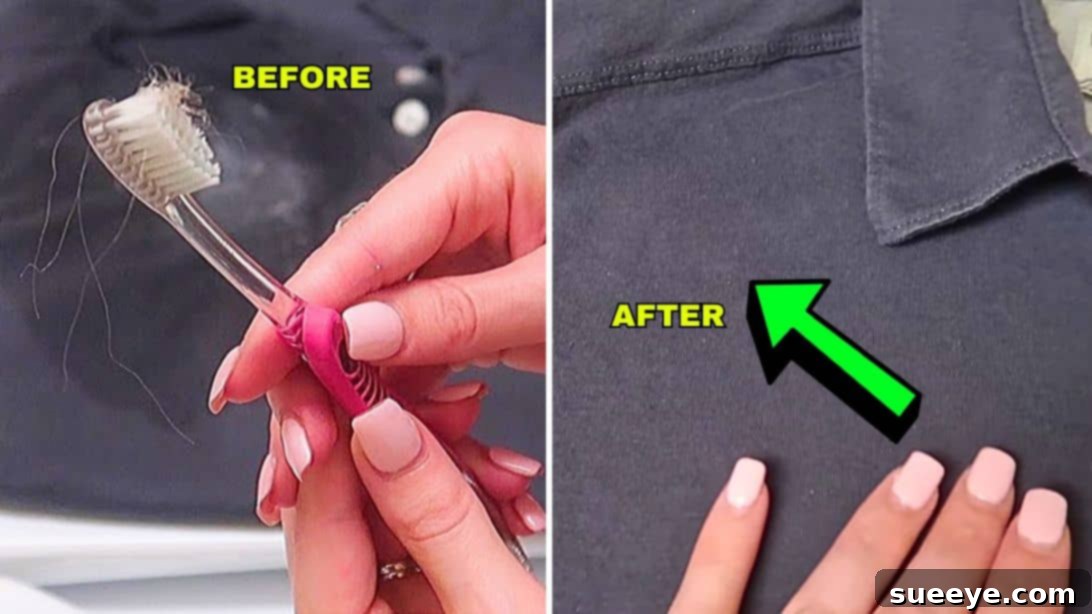
Once saturated, gently brush the area with your cleaning toothbrush. This action isn’t just to scrub; it helps to work the vinegar deeper into the fabric’s weave and around the sticky substance. The acidic nature of the vinegar begins to break down the adhesive’s chemical structure, making it less sticky and more manageable. Continue brushing for a minute or two, ensuring good contact between the vinegar, the residue, and the fabric fibers.
Step 2: Dwell Time, Dish Soap, and Scrubbing for Removal
After the initial vinegar application and brushing, allow the vinegar to sit and work its magic. The dwell time can vary depending on the severity and age of the residue. For fresh, minor stickiness, a few minutes might suffice. For older, tougher gum or sticker marks, let it sit for anywhere from 15 minutes to an hour. The longer the vinegar has to penetrate, the better it will break down the adhesive. During this time, you might notice the residue starting to soften or change texture.
Once the dwell time is complete, drizzle a small amount of Dawn dish soap directly onto the treated area. Dawn, known for its grease-cutting properties, acts as a surfactant, further breaking down the residue and helping to lift it from the fabric. Using your cleaning toothbrush, gently but firmly scrub the area in circular motions. You should see the sticky residue begin to loosen, clump, and transfer onto the toothbrush bristles or dissipate. Continue scrubbing until most of the sticky substance appears to be gone. Be patient and persistent; sometimes, it requires a little elbow grease.
After successfully scrubbing away the residue, rinse the area thoroughly under cool water to remove any remaining adhesive, vinegar, and soap. Then, wash the item as you normally would, following the garment’s care instructions. It’s crucial not to put the item in a dryer until you are certain all residue is gone, as heat can permanently set any remaining stickiness. If residue persists after the first wash, simply repeat the application process as needed. This method is often successful in fully restoring your fabric to its original, non-sticky state.
For Stubborn Residues: The Goo Gone Approach
Sometimes, despite your best efforts, the vinegar and dish soap method might not fully conquer the toughest or oldest sticky residues. This is where a specialized adhesive remover like Goo Gone comes into play. Goo Gone is a powerful solvent-based product specifically designed to dissolve sticky substances. While highly effective, it’s essential to use it with caution and always perform a patch test first, especially on delicate or synthetic fabrics, as strong solvents can sometimes affect dyes or fabric integrity.
Supplies Needed:
- Goo Gone (original formula)
- A cleaning toothbrush or soft brush
- Clean cloth or paper towels
- Optional: Rubber gloves (for sensitive skin)
Step 3: Goo Gone for Heavy-Duty Removal
If the vinegar and dish soap method didn’t yield perfect results, or if you’re dealing with a notoriously sticky and aged residue, reach for your Goo Gone. Ensure you’re in a well-ventilated area before application. Spray Goo Gone directly and generously onto the remaining sticky residue. The product works by breaking down the molecular structure of the adhesive, transforming it into a more liquid, easily removable state. Allow it to sit for a while, typically 5 to 10 minutes, giving the solvent ample time to penetrate and dissolve the adhesive. Avoid letting it dry on the fabric.
After the recommended dwell time, take your cleaning toothbrush and give the area a good, firm scrub. You should notice the residue dissolving and lifting away from the fabric. Use a clean cloth or paper towel to blot and wipe away the loosened residue and excess Goo Gone. Repeat the scrubbing and blotting process if necessary until the sticky mark is completely gone. Once the residue is removed, it’s crucial to launder the item immediately and as usual, following the care label instructions. This step helps to remove any remaining Goo Gone residue and prevents potential fabric damage or skin irritation. Always air-dry the garment to ensure no adhesive is left before applying heat. Goo Gone is a powerful ally against sticky messes, but responsible use ensures both effective cleaning and fabric preservation.
Pro Tips for Flawless Sticky Residue Removal
Always Patch Test
Before applying any cleaning solution, especially stronger ones like Goo Gone, to a prominent area, test it on an inconspicuous spot of the fabric. This ensures that the solution doesn’t cause discoloration, fading, or damage to the material.
Avoid Heat Until Residue is Gone
Heat from a clothes dryer can permanently set adhesive residues into fabric fibers, making them virtually impossible to remove. Always air-dry garments that have been treated for sticky stains until you are absolutely sure the residue is completely gone.
Choose the Right Tool
While a cleaning toothbrush is excellent for working solutions into fabric, avoid using overly abrasive brushes or scrubbers, especially on delicate fabrics like silk, satin, or lace. For very delicate items, a soft cloth or even your fingertip might be a better choice for gentle agitation.
Work in a Well-Ventilated Area
When using products like Goo Gone, ensure you are in a well-ventilated space to avoid inhaling fumes. Open windows, use a fan, or work outdoors if possible.
Consider Fabric Type
Different fabrics react differently to cleaning agents. Cotton and most synthetic blends are generally robust, but natural fibers like wool and silk can be more delicate. Always refer to the garment’s care label and proceed with caution on sensitive materials.
Prevention is Key
The best way to deal with sticky residue is to prevent it. Always check pockets before washing clothes, peel off new product labels carefully, and be mindful of where you sit or place your garments to avoid accidental gum transfers.
How to Remove Gum and Sticker Residue from Fabric
Removing stubborn gum and sticker residue from your clothing and fabrics doesn’t have to be a nightmare. By following these proven methods, you can effectively restore your items to their original condition. The vinegar and dish soap method offers a gentle yet powerful solution for most everyday sticky messes, while Goo Gone stands ready as a potent alternative for the most persistent adhesives. Remember to always patch test, work carefully, and avoid heat until the residue is completely gone.
With these practical tips and tricks, you’re now equipped to tackle any sticky situation with confidence. Say goodbye to ruined garments and hello to a cleaner, fresher wardrobe!
*All these images are credited to Andrea Jean Cleaning via YouTube. Give her channel a visit and subscribe for more amazing cleaning hacks!