
If you’re like most home cooks, your kitchen is the heart of your home, and your glass stovetop is often its busiest workstation. From daily meals to elaborate holiday feasts, cooking inevitably leads to spills, splatters, and stubborn stains. While the sleek appearance of a glass cooktop adds a modern touch to any kitchen, keeping it pristine can feel like a constant battle against grease, gunk, and burnt-on food. Oil splatters are particularly notorious, easily coating surfaces beyond the stove itself. Thankfully, with the right techniques and tools, maintaining a sparkling clean glass stovetop is simpler than you might think.
The upcoming holiday season often means more cooking, more company, and more demands on your kitchen appliances. Continuous cooking can quickly leave your glass cooktop looking less than its best. But don’t fret! Proactive and proper cleaning not only preserves the aesthetic appeal of your kitchen but also extends the life of your appliance. Ignoring spills and burnt-on residue can lead to tougher stains over time, potentially impacting cooking efficiency and even causing permanent damage. This comprehensive guide will equip you with professional insights and step-by-step instructions to effortlessly clean your glass stovetop, making it shine like new.
Before diving into the cleaning process, it’s worth noting that prevention is often the best medicine. While accidental spills are a part of cooking, you can significantly reduce oil splatters and mess. Simple kitchen tools like splatter screens, pot lids, and cooking at appropriate temperatures can make a big difference. For more detailed tips on minimizing splatters, you might find this resource helpful: 5 Simple Tricks to Prevent Oil From Splattering.
RELATED: If you’re also concerned about superficial damage, learn How To Get Scratches Out Of Your Glass Stove Top.
Regular and effective cleaning is not just about aesthetics; it’s about maintaining a hygienic cooking environment and ensuring the longevity of your appliance. Greasy buildup can harbor bacteria, and burnt-on food can become incredibly difficult to remove if left unaddressed. By cleaning your stovetop immediately once it has cooled down, you can prevent stubborn grease and gunk buildup, saving yourself a lot of effort in the long run. The video tutorial from Clean With Confidence offers a visual guide, demonstrating how to achieve a professional-level clean with ease. You can watch it here for a clearer understanding of the techniques: Clean With Confidence.
Why Regular Glass Stovetop Cleaning is Essential
Maintaining a clean glass stovetop goes beyond mere appearances. A well-maintained cooking surface contributes to a healthier, more efficient, and more enjoyable kitchen experience. Here’s why regular cleaning should be a non-negotiable part of your kitchen routine:
- Enhanced Hygiene: Food particles, grease, and liquids that splatter during cooking can create a breeding ground for bacteria. Regular cleaning eliminates these residues, ensuring a sanitary surface for food preparation.
- Optimized Cooking Performance: Built-up grime and burnt-on food can interfere with the stovetop’s heating elements, potentially leading to uneven cooking or reduced efficiency. A clean surface ensures direct heat transfer and consistent cooking results.
- Extended Appliance Lifespan: Acidic foods and abrasive particles, if left on the glass, can cause etching or permanent stains over time. Prompt cleaning prevents such damage, protecting your investment and prolonging the life of your appliance.
- Improved Kitchen Aesthetics: A gleaming, streak-free stovetop instantly brightens your kitchen, contributing to a sense of order and cleanliness that makes cooking more pleasant. It’s often the centerpiece of the kitchen, and its condition reflects on the entire space.
- Safety: Excessive grease buildup can sometimes be a fire hazard, especially with high heat cooking. Removing this residue regularly is a simple step towards a safer kitchen.
Essential Tools for a Sparkling Glass Stovetop
Achieving a professional-level clean doesn’t require an arsenal of specialized products. In fact, a few simple, high-quality tools are all you need to tackle most stovetop messes. The key is knowing which tools to use and, more importantly, which to avoid to prevent damaging your delicate glass surface.
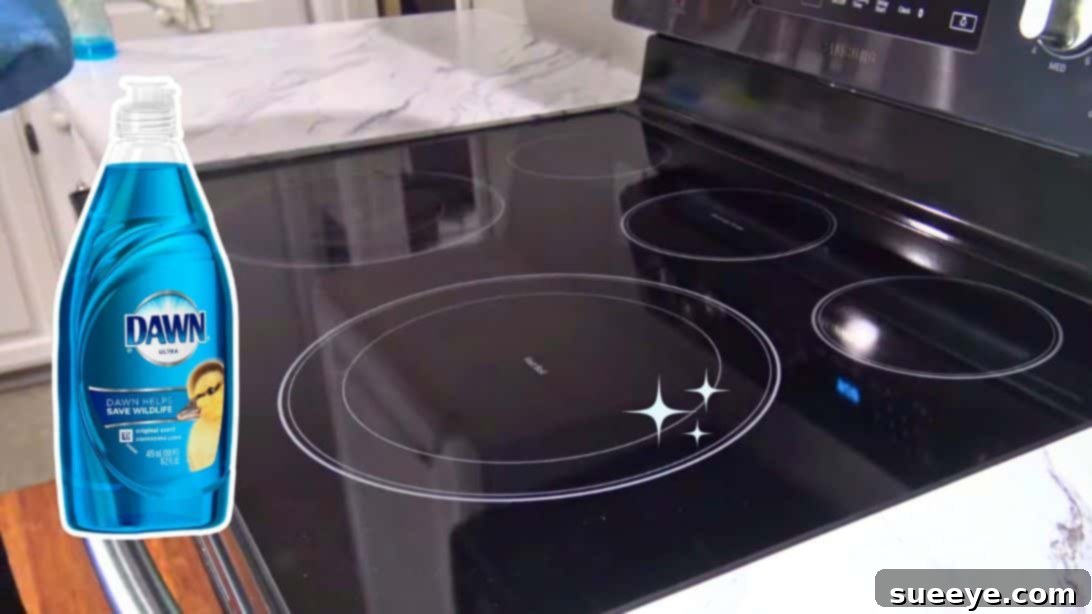
- Dish Soap (e.g., Dawn): A good quality dish soap, like Dawn, is a powerhouse against grease and grime. Its potent degreasing properties break down oily residues, making them easy to wipe away. Any reputable dish soap with strong grease-cutting capabilities will work effectively.
- Microfiber Cloths: These are your best friend for glass stovetop cleaning. Microfiber cloths are incredibly absorbent, lint-free, and most importantly, non-abrasive. Their unique fiber structure allows them to pick up and hold dirt and grease without scratching the delicate glass surface. It’s crucial to have at least two: one for applying the cleaning solution and scrubbing, and another dry one for polishing.
- Razor Blade (Single-Edge): For those notoriously stubborn, burnt-on food rings or carbonized spills, a fresh, sharp single-edge razor blade is indispensable. It allows you to precisely scrape away hardened residue without resorting to abrasive scrubbing that could damage the glass. Always ensure the blade is new and held at a very low angle to the surface.
A Crucial Note on Materials: Many common kitchen cleaning materials, such as tissue paper towels or traditional cotton washcloths, are wood-based. The fibers in these materials, though seemingly soft, can be coarse enough to leave tiny, cumulative micro-scratches across your glass cooktop over time. These scratches might not be immediately visible but can dull the surface and even make future cleaning more challenging as grime settles into them. Always opt for high-quality microfiber cloths to protect your stovetop’s integrity and shine.
How to Clean a Glass Stovetop: A Step-by-Step Guide
Follow these straightforward steps to restore your glass stovetop to its pristine condition. Remember, patience and proper technique are your best allies.
Step 1: Initial Grease & Grime Removal
Safety First: Before you begin any cleaning, it is absolutely paramount to ensure your stovetop is completely turned off and has cooled down to room temperature. Cleaning a hot surface is not only ineffective but also extremely dangerous and can damage your appliance.
Once the stovetop is cool, take one of your microfiber cloths and dampen it slightly with warm water. Add a few drops of your chosen dish soap directly onto the damp cloth. The goal here is to create a rich, sudsy mixture on the cloth itself.
Now, bring the soapy, damp cloth over to your stovetop and begin to wipe down the entire surface. Use gentle, circular motions, paying extra attention to areas with visible grease, food splatters, and general grime. The powerful degreasing agents in the dish soap will start to cut through the oil and lift the dirt from the glass. As you work, you’ll notice the grease and grime transferring from the stovetop to your cloth.
To ensure you’re not just spreading dirt around, frequently rinse your microfiber cloth under running water at the sink. Wring out the excess water and reapply a few fresh drops of dish soap if needed. Continue this process of wiping, rinsing, and reapplying soap until the entire stovetop surface feels clean to the touch and most of the visible residue has been removed. This step is crucial for tackling the bulk of the mess.
Step 2: Drying for a Streak-Free Finish
After the initial cleaning, your stovetop surface will likely be a little wet and might have some residual soap film. This is where your second, clean, dry microfiber cloth comes into play.
Take the dry microfiber cloth and thoroughly wipe down the entire stovetop surface. Use broad, overlapping strokes to ensure you pick up all moisture and any remaining soap residue. The exceptional absorbency of microfiber will help to eliminate streaks and water spots, leaving your stovetop gleaming. For an extra streak-free shine, you can lightly mist the surface with white vinegar (diluted 1:1 with water) before drying, then buff it dry with the clean microfiber cloth. This step is essential for revealing the true shine of your glass cooktop.
Step 3: Tackling Stubborn Burnt-On Rings and Residue
Even with the most careful cooking, some spills inevitably bake onto the surface, forming tough, carbonized rings or spots. For these stubborn, burnt-on residues, a real chip razor blade is your secret weapon.
Important Safety Precaution: Always use a brand-new, sharp single-edge razor blade. A dull blade can drag across the glass and significantly increase the risk of scratching your stovetop. Handle the blade with extreme care to avoid cuts.
Gently position the razor blade against the burnt-on ring or spot. Hold the blade at a very shallow angle to the glass surface – ideally around 15-20 degrees. With light, consistent pressure, carefully scrape the residue away. You should find that the burnt-on rings lift right off the smooth glass surface. Work slowly and methodically. If the residue is particularly thick, you might need to make several passes, but always maintain that low angle and light touch.
After scraping, wipe away the loosened debris with your damp, soapy microfiber cloth from Step 1, then dry the area again with the clean, dry microfiber cloth from Step 2. This process effectively removes those unsightly marks that ordinary wiping cannot touch, leaving your stovetop immaculately clean.
Advanced Tips for Maintaining a Pristine Glass Stovetop
Beyond the basic cleaning steps, incorporating a few additional habits and techniques can ensure your glass stovetop remains in top condition for years to come.
Daily Maintenance for Long-Term Shine
The simplest way to keep your stovetop looking great is a quick wipe-down after every use, once it has cooled. This prevents new spills from baking on and significantly reduces the need for intense deep cleaning. A damp microfiber cloth is usually sufficient for fresh, light spills.
Dealing with Extra Stubborn Stains (Optional)
For very persistent, dried-on food that doesn’t budge with dish soap or even light scraping, a baking soda paste can be a gentle yet effective solution. Mix a few tablespoons of baking soda with just enough water to form a thick paste. Apply this paste directly onto the stain, cover with a warm, damp cloth, and let it sit for 15-30 minutes. The mild abrasive nature of baking soda, combined with the softening effect of moisture, helps to lift the stain. After letting it sit, gently scrub with a damp microfiber cloth, then wipe clean and dry. Always test this method in an inconspicuous area first, though baking soda is generally safe for glass.
Achieving a Streak-Free Finish Every Time
After cleaning and drying, if you notice any lingering streaks, a final polish can make all the difference. Lightly mist the entire stovetop with undiluted white vinegar from a spray bottle. Immediately buff it dry with a separate, clean, and completely dry microfiber cloth. Vinegar is excellent for cutting through any remaining soap film and leaving a brilliant, streak-free shine without harsh chemicals.
Preventative Measures While Cooking
- Use the Right Cookware: Opt for flat-bottomed pots and pans that are suitable for glass stovetops. Avoid cast iron or ceramic cookware with rough bottoms, as these can scratch the surface when dragged.
- Lift, Don’t Drag: Always lift pots and pans when moving them across the stovetop, rather than dragging them, to prevent scratches.
- Avoid Sugary Spills: Sugary foods (like caramel or jam) can be particularly damaging if spilled and allowed to cool and harden on the glass. If a sugary spill occurs, turn off the burner and, once safe to touch (but still warm), carefully scrape it off with your razor blade before it completely cools and hardens.
- No Abrasive Cleaners or Scourers: Never use steel wool, abrasive sponges, or harsh chemical cleaners (like oven cleaner) on your glass stovetop. These will cause irreversible damage and scratching.
Frequently Asked Questions About Glass Stovetop Cleaning
How often should I clean my glass stovetop?
For optimal hygiene and appearance, it’s best to wipe down your stovetop after every use, once it has cooled. A deeper clean using the methods described above should be performed weekly or bi-weekly, depending on your cooking frequency and the level of buildup.
Can I use window cleaner on my glass stovetop?
While glass cleaners might seem appropriate, many contain ammonia or other chemicals that can leave streaks or residues on a hot stovetop over time. For the best results and to avoid damaging your appliance, stick to dish soap, vinegar, and water as recommended.
What if I accidentally scratch my glass stovetop?
Minor, superficial scratches can sometimes be minimized or removed using specialized glass cooktop scratch removers, often found at appliance stores or online. For deeper scratches, professional repair might be needed, but prevention is always the best approach. Refer to the related article mentioned earlier for tips on scratch removal.
Is it safe to use a razor blade on a glass stovetop?
Yes, it is safe when done correctly. The key is to use a new, sharp, single-edge razor blade and hold it at a very shallow angle (15-20 degrees) to the glass surface. Avoid dull blades or applying excessive pressure, as these can cause scratches.
Can I use baking soda for daily cleaning?
While baking soda paste is effective for stubborn stains, it’s generally not necessary for daily cleaning. Its mild abrasive nature means that regular, widespread use could potentially lead to a dull finish over a long period. Stick to dish soap and a microfiber cloth for routine maintenance.
Conclusion: Your Sparkling Clean Kitchen Awaits
Keeping your glass stovetop immaculate doesn’t have to be a daunting task. By following these simple, yet effective, steps and incorporating a few preventative habits, you can maintain a gleaming cooking surface that enhances your kitchen’s overall appeal. Remember the power of dish soap and microfiber for everyday grime, and the precision of a fresh razor blade for those tougher, burnt-on residues. With consistent care, your glass stovetop will not only look pristine but will also serve you efficiently for many years of delicious meals. Embrace these pro tips, and enjoy the satisfaction of a truly sparkling clean kitchen!