
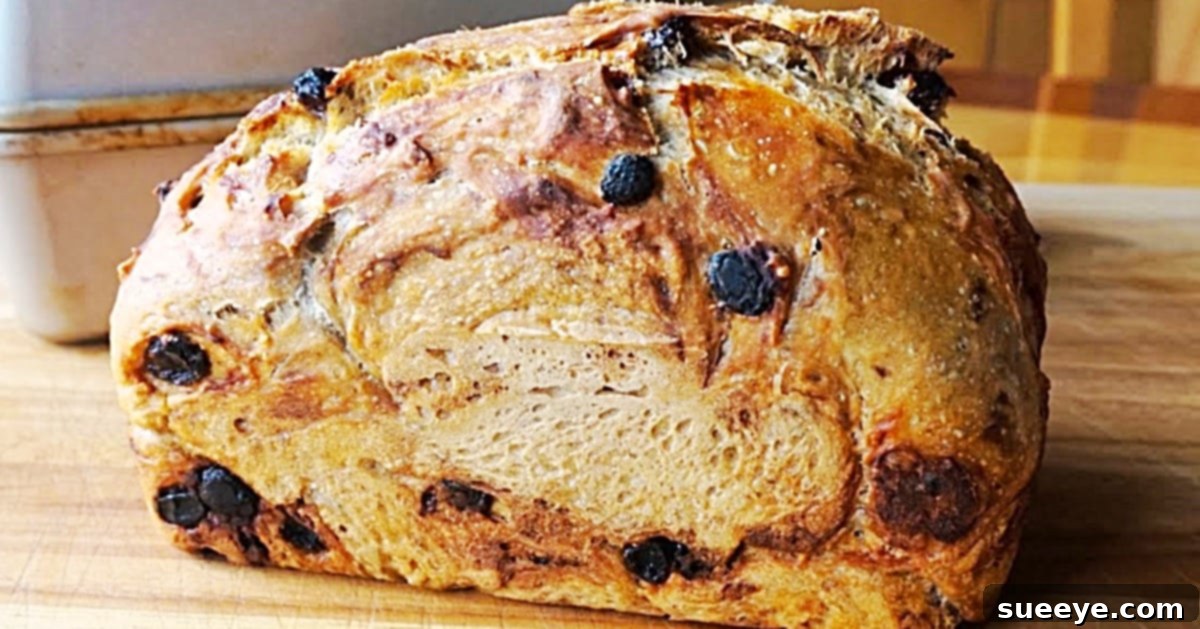
There’s something truly magical about the aroma of freshly baked bread wafting through your home. Few scents compare, especially when that bread is a warm, tender loaf of homemade cinnamon raisin bread. Imagine starting your day with a slice, perhaps toasted with a dollop of butter, alongside a tangy grapefruit and a steaming cup of coffee. This delightful combination is a pure indulgence, transforming an ordinary morning into a special occasion.
Recently, I stumbled upon an absolute gem: an excellent homemade cinnamon raisin bread recipe by Artisanbreadwithsteve on YouTube. What immediately caught my attention was how incredibly simple and approachable it appeared, yet promising truly delicious results. The thought of creating such a comforting, flavorful bread at home, reminiscent of the cherished recipes my grandmother used to bake, filled me with excitement. Our family adored her bread, and this recipe seemed to capture that same heartwarming essence. Having always harbored a desire to bake my own bread, this video tutorial felt like the perfect opportunity to dive in, thanks to its clear, concise, and easy-to-follow directions.
No-Knead Cinnamon Raisin Bread Recipe: Your Path to Baking Bliss
Making bread from scratch can often seem daunting, especially for those new to baking. The traditional methods involving extensive kneading, precise timings, and complex techniques can deter many aspiring bakers. However, the world of no-knead bread has revolutionized home baking, making it accessible and enjoyable for everyone. This no-knead cinnamon raisin bread recipe is a shining example, proving that you don’t need to be a professional baker to create a stunning, artisan-quality loaf in your own kitchen.
The Undeniable Charm of No-Knead Bread
The concept of “no-knead” bread is a game-changer. Instead of strenuous kneading, which develops gluten through mechanical action, this method relies on time. A long, slow fermentation allows the gluten strands to develop naturally, yielding a bread with an incredible open, airy crumb and a wonderfully chewy texture. The benefits are numerous:
- Minimal Effort: Simply mix the ingredients, let time do the work, and then bake. It’s truly a low-intervention process.
- Superior Texture: The extended fermentation creates a complex flavor profile and a characteristic open, irregular crumb that’s often found in high-end artisan loaves.
- Crispy Crust: Baking in a covered pot or using Steve’s ingenious method traps steam, which is crucial for developing that coveted crackly, golden-brown crust.
- Perfect for Beginners: If you’ve been hesitant to try bread baking, no-knead recipes are the ideal starting point. They build confidence and deliver fantastic results every time.
This approach to bread making removes much of the guesswork and physical labor, allowing you to enjoy the process and the phenomenal outcome without feeling overwhelmed. It’s a testament to the fact that sometimes, the simplest methods yield the most profound deliciousness.
Why Cinnamon Raisin Bread Holds a Special Place
Cinnamon raisin bread isn’t just a breakfast staple; it’s a comforting classic that evokes warmth and nostalgia. The combination of sweet, plump raisins and aromatic cinnamon swirled into a soft, slightly sweet bread creates a symphony of flavors and textures. It’s a bread that transcends meals, equally at home on a breakfast table, as an afternoon snack, or even a light dessert.
- Sweet & Spicy Harmony: The inherent sweetness of raisins beautifully complements the warm, earthy spice of cinnamon. Ceylon cinnamon, in particular, offers a delicate, fragrant note that elevates the bread’s aroma and taste.
- Versatile Delight: Enjoy it plain, toasted, slathered with butter, cream cheese, or your favorite jam. It also makes incredible French toast or bread pudding.
- Aromatic Experience: The scent of cinnamon and baking bread alone is enough to lift spirits and make any house feel like a home. This recipe ensures your kitchen will be filled with an irresistible aroma.
- Timeless Comfort: For many, cinnamon raisin bread is a taste of childhood, a reminder of simpler times and loving kitchens. This homemade version taps into that deep well of comfort.
Embracing this recipe means inviting not just a delicious loaf into your home, but also a sense of tradition and the simple joy of creating something wonderful from scratch.
Ingredients:
One of the beauties of this no-knead cinnamon raisin bread is its reliance on readily available, simple ingredients. Each component plays a vital role in achieving the perfect texture and flavor profile, so choosing quality ingredients can make a noticeable difference in your final loaf.
- 16 ounces cool water (The temperature of the water is important for yeast activation and slow fermentation.)
- 1 1/2 teaspoons of salt (Crucial for flavor and also controls yeast activity.)
- 1 1/4 teaspoons instant dry yeast (Instant yeast is ideal for no-knead recipes as it doesn’t require proofing and can be mixed directly with dry ingredients.)
- 2 tablespoons brown sugar (Adds sweetness and moisture, contributing to a tender crumb and lovely crust color.)
- 1 tablespoon ground Ceylon cinnamon (or regular cinnamon) (Ceylon cinnamon offers a more nuanced, delicate flavor; however, regular cinnamon works wonderfully too.)
- 3 1/2 cups bread flour (Bread flour has a higher protein content, which is excellent for developing strong gluten networks, leading to a chewier texture.)
- 1 cup of raisins (Plump and sweet, they are the star alongside the cinnamon. Consider soaking them briefly in warm water and draining before adding for extra plumpness.)
Directions:
This video recipe by Artisanbreadwithsteve on YouTube truly simplifies the art of bread making, guiding you seamlessly through each step to create this delectable cinnamon raisin bread. While Steve’s video provides invaluable visual instructions, let’s break down the general process, ensuring you’re well-equipped to bake your own masterpiece.
Phase 1: Mixing and First Rise
The journey begins with bringing your core ingredients together. In a large mixing bowl, you will first dissolve your instant dry yeast in the cool water. This step ensures the yeast is fully hydrated and ready to work its magic. Once dissolved, add all your dry ingredients: the salt, brown sugar, ground cinnamon, and bread flour. Mix everything together until a shaggy, somewhat sticky dough forms. There’s no need for extensive kneading here; just ensure all the flour is hydrated. Cover the bowl with plastic wrap or a damp towel and let it rest. This initial resting period, often referred to as the bulk fermentation or first rise, is where the no-knead magic truly happens. Following Steve’s instructions in the video, this will typically involve a long rise, usually several hours at room temperature, or even overnight in a cooler spot, allowing the flavors to deepen and the gluten to develop naturally. Look for the dough to significantly increase in volume and show small bubbles on the surface.
Phase 2: Shaping and Second Rise
After the first rise, gently turn the dough out onto a lightly floured surface. At this point, you’ll incorporate the raisins. Spread the dough out slightly and sprinkle the raisins evenly over the surface. Then, gently fold and shape the dough into a round or oblong loaf, being careful not to overwork it and degas it too much. The goal is to create some tension on the surface while still preserving the airy structure. Place your shaped dough into a well-floured proofing basket (banneton) or a bowl lined with a floured cloth seam-side up for its second rise, also known as proofing. This final rise is shorter and prepares the bread for baking, allowing it to relax and expand one last time.
Phase 3: Baking for Perfection
Preheat your oven to a high temperature, typically around 450-500°F (230-260°C), with your baking vessel inside. For no-knead bread, baking in a preheated Dutch oven or a covered pot is highly recommended. The trapped steam in the initial baking phase is crucial for achieving that wonderfully crisp and airy crust. Once the oven and pot are hot, carefully transfer your proofed dough into the hot vessel. Cook this bread with a lid on it for the first part of the baking process. Steve, with his characteristic ingenuity, uses a brilliant method for those without a Dutch oven: placing two loaf pans together and clamping them down with giant paper clips! Lol, Steve is truly a riot, and you’re going to just love his practical, humorous approach. This method creates a similar steamy environment, ensuring a fantastic crust. After the initial covered baking, remove the lid (or the top loaf pan) and continue baking until the crust is deeply golden brown and the internal temperature reaches around 200-210°F (93-99°C).
Phase 4: Cooling and Enjoying
Once baked, immediately transfer the bread to a wire rack to cool completely. While it’s tempting to slice into a warm loaf, letting it cool allows the internal structure to set and prevents a gummy texture. Patience will be rewarded with the best possible flavor and texture.
Tips for No-Knead Bread Success
To ensure your homemade cinnamon raisin bread turns out perfectly every time, consider these helpful tips:
- Measure Accurately: Especially with flour, using a kitchen scale for precise measurements can make a big difference. If not, spoon flour into your measuring cup and level it off.
- Room Temperature Matters: Ensure your kitchen isn’t too cold for the dough to rise effectively. A consistent temperature around 70-75°F (21-24°C) is ideal.
- Don’t Rush the Rise: The long fermentation is key to flavor and texture. Resist the urge to shorten it. Trust the process.
- Quality Raisins: Opt for plump, moist raisins. If they seem dry, soak them in warm water for 15 minutes, then drain and pat dry before adding to the dough.
- Preheat Thoroughly: A properly preheated oven and baking vessel are crucial for achieving a great crust and oven spring.
- Listen to Your Dough: Learn to recognize the signs of a well-risen dough (increased volume, springiness). Baking times are estimates; visual cues and internal temperature are more reliable.
Serving Suggestions: Beyond the Breakfast Table
While this succulent bread is truly divine with Texas ruby red grapefruit and coffee, its versatility extends far beyond breakfast. Here are some delightful ways to enjoy your homemade cinnamon raisin bread:
- Classic Toast: Toasted slices with butter, jam, or even a dollop of cream cheese.
- French Toast: Thick slices make an extraordinary French toast, soaking up the custard beautifully.
- Bread Pudding: Transform leftover bread into a decadent bread pudding for a comforting dessert.
- Peanut Butter & Banana: A smear of peanut butter and sliced bananas offers a protein-packed snack.
- Cheese Pairings: Believe it or not, a slice with sharp cheddar or a mild goat cheese can be a surprising and delicious combination.
Embracing the Artisan Touch at Home
The beauty of resources like “Artisanbreadwithsteve” is that they demystify complex culinary arts, bringing the joy of artisan baking directly into our homes. Steve’s approachable style and clever tricks, like his makeshift covered baking method, empower home bakers to achieve professional-level results without needing specialized equipment. This kind of guidance fosters a love for baking and encourages experimentation. It reminds us that creating something truly special, something that feeds both body and soul, can be an accessible and incredibly rewarding experience.
This recipe sounds so utterly delicious and surprisingly simple! I already have a big bag of Texas ruby red grapefruit waiting to accompany this succulent bread, and I cannot wait to make it. There’s an undeniable satisfaction in pulling a warm, fragrant loaf of bread from your oven, knowing you’ve created something wholesome and delicious from scratch. This no-knead cinnamon raisin bread promises to be a staple in your kitchen, offering comfort, flavor, and the sheer delight of homemade goodness. Give it a try, and prepare to be amazed by what you can create!